admin
admin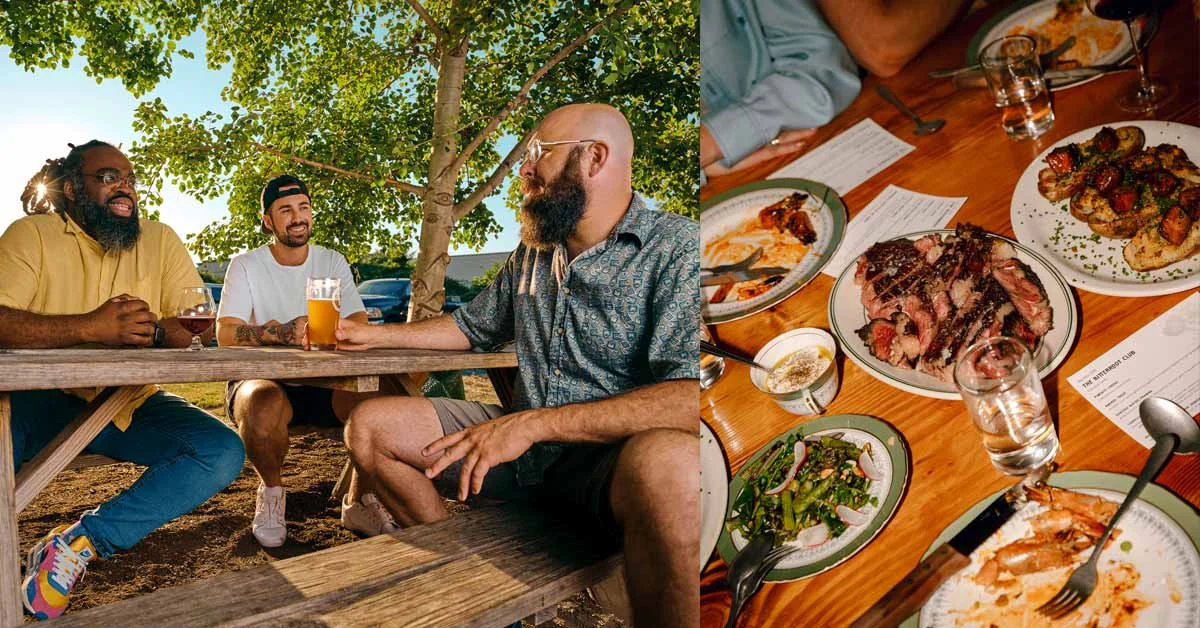
The landscape of American craft beer is undergoing a profound transformation, and nowhere is this shift more visible than in Portland, Oregon—a city often referred to by the moniker Beervana. While breweries across the United States are grappling with a cooling market, rising production costs, and shifting consumer preferences, Portland’s brewing industry is doubling down on a strategy of "elevated" experiences. This movement is epitomized by Grand Fir Brewing, a Southeast Portland establishment that has successfully merged high-end culinary artistry with traditional brewing excellence. At the heart of this evolution is The Bitterroot Club, a weekly supper club hosted by Grand Fir co-owners Doug and Whitney Adams, which signals a new era for the industry where beer is no longer just a casual beverage but the centerpiece of a sophisticated gastronomic experience.
The Culinary Integration of Grand Fir Brewing
Grand Fir Brewing, located in the historic Buckman neighborhood, opened its doors in November 2022. The establishment was founded on the premise that the modern craft beer market requires a unique "angle" to survive. Whitney (Burnside) Adams, a veteran of the Pacific Northwest brewing scene with a resume that includes Upright Brewing, Elysian, and 10 Barrel Brewing Company, manages the brewhouse. Her husband, Doug Adams, a former Top Chef finalist and James Beard Award semifinalist, oversees the culinary program.
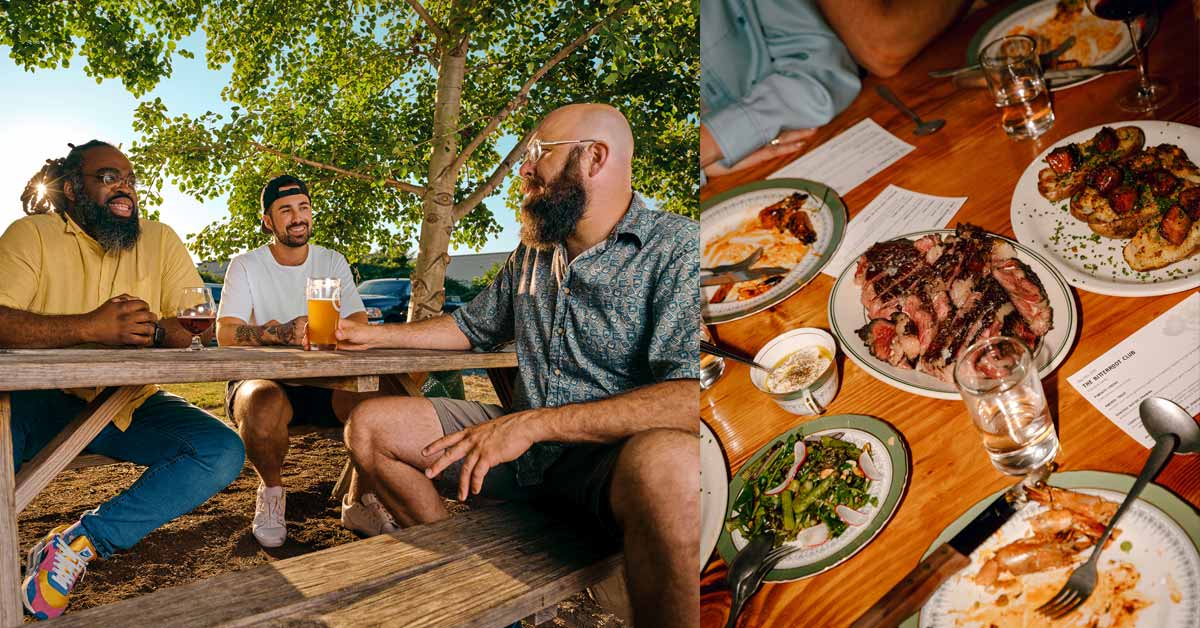
The Bitterroot Club represents the premium tier of their business model. For a prepaid reservation of $135 per person, patrons are treated to a prix fixe menu that pairs seasonal, locally sourced ingredients with specific beer releases. The experience is designed to be intimate, often held in a windowless, lodge-like backroom decorated with taxidermy and lit by candlelight. Recent pairings have included a bready Tamarack Festbier served alongside Columbia king salmon with lemon and fig, and a charcoal-grilled pork chop paired with the Bandit Run Mosaic American IPA.
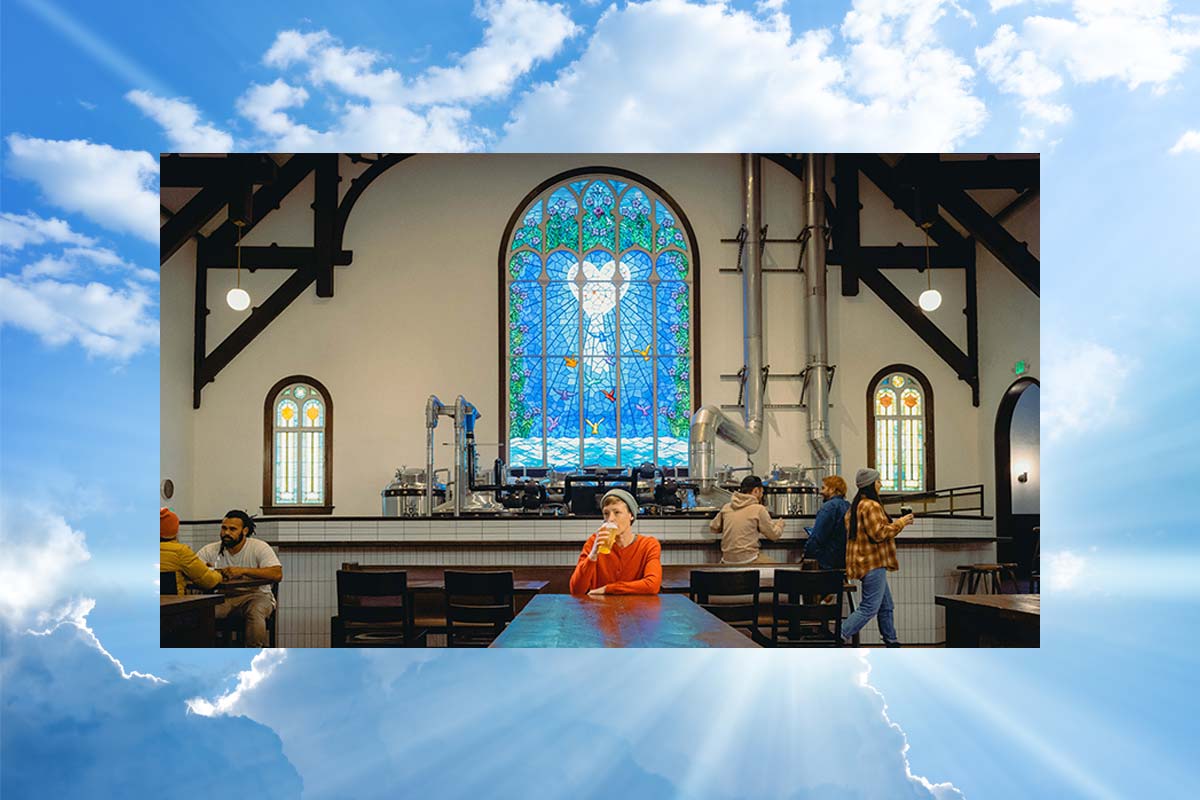
This level of integration between kitchen and kettle is a response to a more discerning consumer base. As Whitney Adams notes, the term "elevated" has become a necessary standard. In a market where beer drinkers are increasingly savvy, the traditional model of a taproom served by a rotating door of food trucks is being supplemented—or in some cases replaced—by permanent, high-quality dining programs that can justify higher price points and drive customer loyalty.
A Chronology of Beervana: From Isolation to Innovation
To understand Portland’s current market position, one must look at the historical factors that insulated the city from the dominance of national macro-breweries. Unlike many midwestern or eastern cities where "Big Beer" (brands like Miller and Budweiser) established deep-rooted distribution monopolies early in the 20th century, Portland remained geographically isolated.
The Dawn of the Brewpub (1984–1994)
The foundation of Portland’s beer culture was laid in the mid-1980s following the passage of the Oregon Brewpub Law in 1985, which allowed breweries to sell their products directly to consumers on-site. By 1994, the local alt-weekly Willamette Week first coined the term "Beervana" to describe the city’s burgeoning scene. During this era, the market was dominated by foundational labels that defined the Pacific Northwest palate: Widmer Brothers’ Hefeweizen, Deschutes’ Black Butte Porter and Mirror Pond Pale Ale, and Full Sail’s Amber Ale.
The IPA Revolution and Market Maturation (1996–2010)
In 1996, BridgePort Brewing Company introduced its India Pale Ale, a beer that utilized five local hop varieties to create a profile of citrus, pine, and floral notes. This became the template for the Northwest-style IPA, an "aggressive" hop-forward style that would eventually conquer the national market. By the early 2000s, Van Havig, now the master brewer at Gigantic Brewing, observed that Portland had become the most developed craft market in the country. In Portland, the term "craft beer" fell out of common parlance simply because independent beer was the default choice for the average resident.
The Expansion of the 2010s
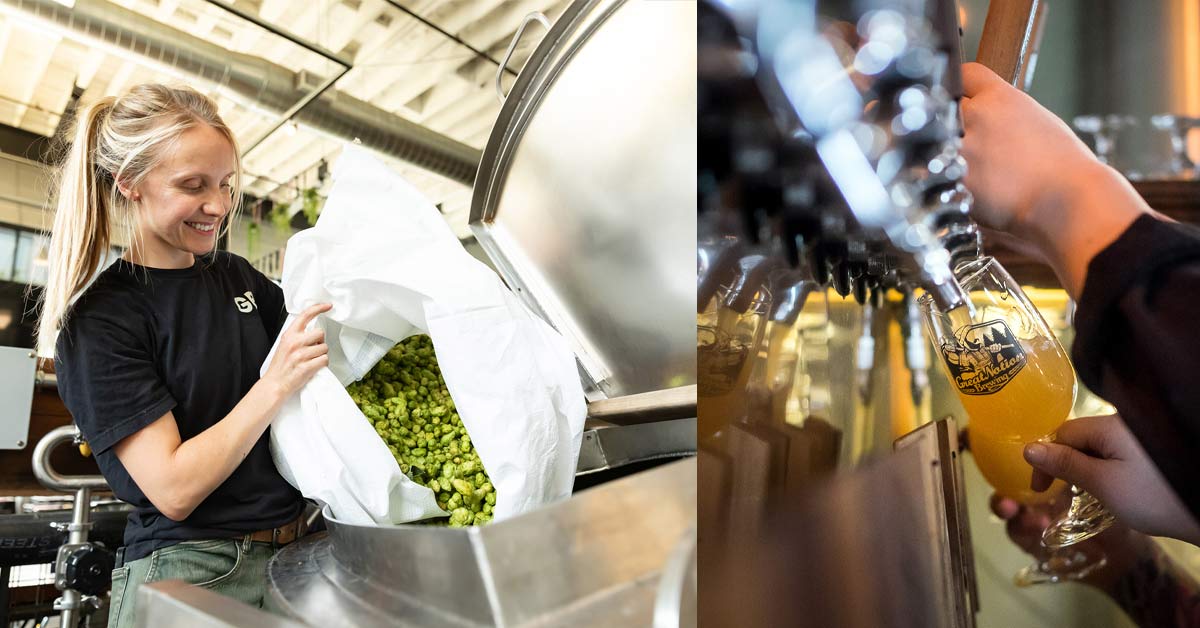
The decade between 2010 and 2020 saw a massive influx of new breweries and a diversification of styles. The "growler phenomenon" took hold, with gas stations and grocery stores installing draft towers to meet the demand for fresh, local beer. This era saw the rise of Breakside Brewing, founded in 2010 by Ben Edmunds, and Gigantic Brewing in 2012. These breweries pushed the boundaries of experimentation, introducing barrel-aging programs, kettle sours, and "wild" ingredients like Japanese black rice and plums.
Supporting Data: The Economic Weight of Oregon Beer
The resilience of Portland’s beer scene is backed by significant economic data. According to the Oregon Brewers Guild, the brewing industry contributes approximately $2.4 billion to the state’s economy annually. Oregon consistently ranks among the top states for breweries per capita, with Portland specifically boasting one of the highest concentrations of independent breweries in the world.
However, the industry is not without its hurdles. Data from the Brewers Association indicates that while overall craft beer production has stabilized or slightly declined nationally, the cost of raw materials—including malt and aluminum—has risen by double digits since 2020. Furthermore, the "draft real estate" in bars and restaurants is more competitive than ever. In Portland, this has led to a "survival of the fittest" environment where only those with high brand equity or unique service models, like Grand Fir, continue to thrive.
The city’s proximity to the Willamette Valley is a critical competitive advantage. As one of the world’s premier hop-growing regions, Portland brewers have unparalleled access to fresh ingredients. This logistical advantage allows for the production of "Fresh Hop" beers—a seasonal delicacy unique to the Northwest—which drives significant foot traffic and revenue during the autumn months.
Modern Challenges and Strategic Responses
The post-pandemic economy has forced Portland breweries to adapt to shifting consumer behaviors. While some national trends involve the installation of non-beer attractions—such as dog parks, pickleball courts, and vintage arcades—Portland’s response has been more focused on technical excellence and niche marketing.
Diversification of Styles
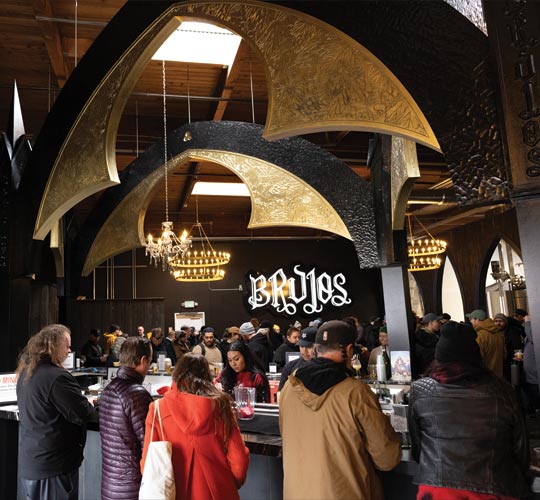
Breweries like Wayfinder have popularized the "Cold IPA," a style fermented with lager yeast to provide a crisp finish that appeals to both IPA enthusiasts and lager drinkers. Meanwhile, Brujos Brewing has carved out a space in the "heavy metal" aesthetic, focusing on high-gravity, hazy IPAs that cater to a dedicated subculture.
The Rise of Non-Alcoholic (NA) Craft
Even established giants like Deschutes Brewery have invested heavily in the NA sector. By utilizing meticulous brewing processes to create non-alcoholic versions of flagship beers like Black Butte Porter, they are capturing a growing segment of "sober-curious" consumers and those looking to reduce alcohol intake without sacrificing the flavor profile of a craft brew.
Real Estate and Urban Density
The rising cost of real estate in Portland’s core neighborhoods has led to a shift in how taprooms are designed. New entries into the market are often smaller, more efficient spaces that prioritize high-margin on-site sales over wide-scale distribution. The "family tree" of Portland brewing has also matured; instead of staying at large production facilities for decades, experienced brewers are increasingly branching out to open their own "boutique" operations, ensuring a constant influx of fresh concepts.
Broader Implications: The Future of the "Beervana" Model
The evolution of Portland’s beer scene suggests that the future of craft beer lies in localization and premiumization. The "Beervana" model proves that when craft beer becomes the cultural baseline, breweries must look toward the culinary arts, technical innovation, and community engagement to distinguish themselves.
Ben Edmunds of Breakside Brewing notes that the relationship between the brewer and the drinker in Oregon is unique. The consumer base is not just looking for a drink; they are looking for a connection to the process and the people behind it. This sentiment is echoed by Van Havig, who asserts that Portland is where "craft beer won." By integrating independent beer into the fabric of everyday life, Portland has created a sustainable ecosystem that, while subject to economic pressures, remains the gold standard for urban brewing cultures.
As the industry moves forward, the success of "elevated" brewpubs like Grand Fir Brewing will likely serve as a blueprint for other mature markets. The transition from a "beer-first" to an "experience-first" model may be the necessary evolution required to maintain the vibrancy of the craft movement in an increasingly crowded and expensive marketplace. For now, Portland remains a resilient bastion of independence, proving that even in a shifting economy, the love for a well-crafted pint—and a well-paired meal—remains a constant.