admin
admin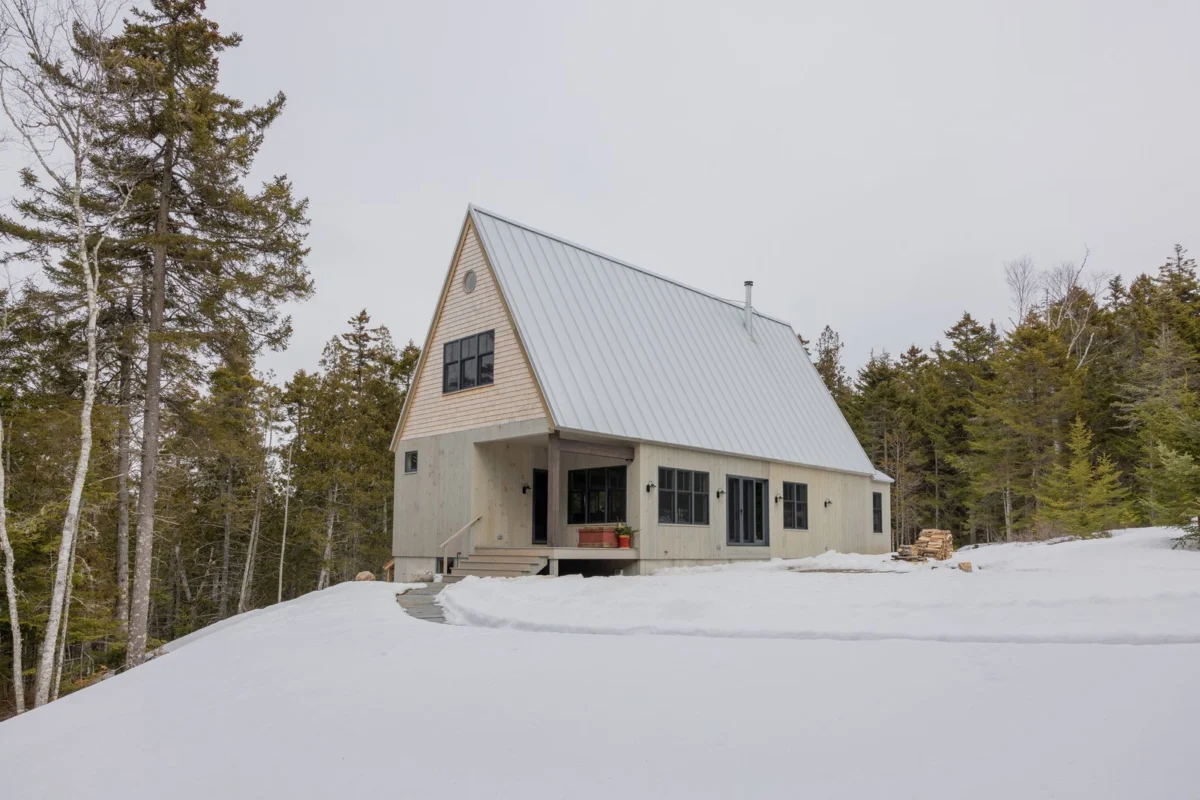
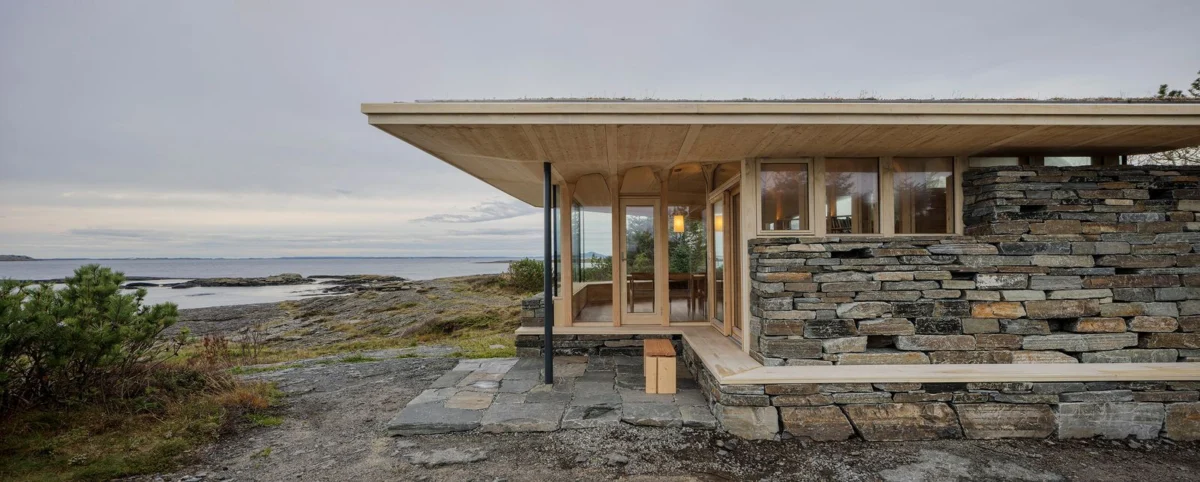
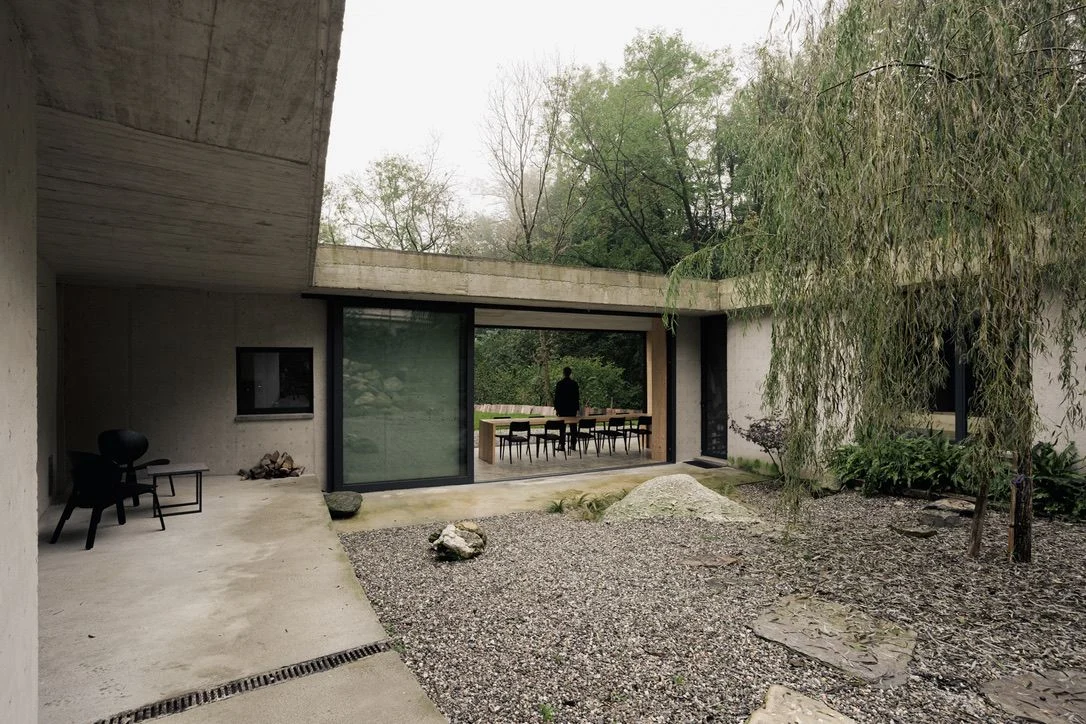
Designer Scott Stultz has embarked on perhaps the most personally significant project of his illustrious career: the ground-up design and construction of his own residence, an undertaking that represents the culmination of over three decades dedicated to environmental design and architecture. This project, distinct from the myriad custom kitchens, bespoke furniture pieces, luxury baths, and comprehensive residential interiors he has conceived for clients and as a consulting designer for various brands through his firm, Scott A. Stultz & Associates, serves as both a living laboratory and a definitive statement of his enduring design philosophy. The endeavor to craft his personal dwelling from scratch offers a unique window into the mind of a designer renowned for his meticulous attention to detail and his profound understanding of the interplay between human experience and built environments.
The Genesis of a Personal Magnum Opus
For any architect or designer, the opportunity to design one’s own home is often considered the ultimate professional and personal challenge, a chance to apply accumulated wisdom without the typical constraints of client briefs or commercial imperatives. For Scott Stultz, whose career spans more than 30 years, this project embodies a distillation of his extensive experience. Trained rigorously in environmental design and architectural principles, Stultz has built a formidable reputation for creating spaces that are not only aesthetically compelling but also deeply functional, responsive to their surroundings, and enduringly relevant. His work ethos, centered on a holistic approach to design, ensures that every element, from the largest structural component to the smallest fixture, contributes to a cohesive and harmonious whole. This personal residence is expected to encapsulate this philosophy, serving as a physical manifestation of his theoretical and practical journey.
The journey to this point has seen Stultz navigate evolving design trends, technological advancements, and shifting client expectations, all while maintaining a steadfast commitment to design excellence. His firm, Scott A. Stultz & Associates, has become synonymous with high-quality, custom residential design, characterized by an emphasis on craftsmanship, timeless aesthetics, and a deep respect for the site. The decision to undertake a project of this magnitude for himself speaks volumes about his desire to push personal boundaries and explore design concepts that might be too experimental or specific for a typical client commission, ultimately enriching his professional practice.
A Career Forged in Environmental Design and Architectural Principles
Scott Stultz’s foundational training in environmental design and architecture has profoundly shaped his approach to every project. This interdisciplinary field emphasizes the creation of spaces that are in harmony with their natural surroundings, promote human well-being, and consider ecological impacts. Unlike purely aesthetic-driven design, environmental design integrates principles of sustainability, resource efficiency, and contextual sensitivity from the outset. For Stultz, this has translated into a career marked by thoughtful site analysis, the judicious selection of materials, and the creation of spatial narratives that respond to light, views, and climate.
His work extends beyond the purely aesthetic, delving into the psychological and physiological impacts of space. This comprehensive understanding allows him to craft interiors that are not just beautiful but also comfortable, intuitive, and supportive of the inhabitants’ lifestyles. Whether designing a custom kitchen that optimizes workflow and fosters family interaction, a luxurious bath that serves as a private sanctuary, or an entire residential interior that seamlessly integrates indoor and outdoor living, Stultz’s environmental design background provides a robust framework. His consulting roles for other brands further underscore his expertise, often involving the development of product lines or design guidelines that reflect his commitment to quality, functionality, and sustainable practices. These collaborations demonstrate a broader influence within the industry, where his insights help shape not just individual homes but also the components within them.
Scott A. Stultz & Associates: A Legacy of Bespoke Design
Founded by Scott Stultz, Scott A. Stultz & Associates has cultivated a niche in the high-end residential market, renowned for its bespoke solutions and client-centric approach. The firm’s portfolio showcases a diverse array of projects, each uniquely tailored to the specific needs and aspirations of its clients, yet all bearing the hallmark of Stultz’s distinctive vision. This includes a mastery of various architectural styles, from contemporary minimalist to traditional interpretations, always executed with an unwavering commitment to detail and quality.
The firm’s design process is typically collaborative, involving extensive dialogue with clients to unearth their core desires and functional requirements. This empathetic approach ensures that the final design is a true reflection of the client’s personality and lifestyle, rather than a mere imposition of the designer’s style. Key to their success is an integrated design philosophy where interiors, furniture, and architectural elements are conceived in concert, creating a seamless and harmonious environment. This comprehensive service, encompassing everything from initial conceptual sketches to the selection of finishes and the commissioning of custom fabrications, differentiates Scott A. Stultz & Associates in a competitive market. The firm’s reputation for delivering projects that exceed expectations has solidified its standing as a leader in custom residential design.
The Unique Challenges and Freedoms of Designing One’s Own Home
Designing one’s own residence from the ground up presents a unique set of challenges and unparalleled freedoms. Unlike client projects, where the designer acts as an interpreter of another’s vision, this endeavor allows Stultz to be both client and creator. This dual role can be liberating, enabling him to experiment with novel concepts, explore unconventional material palettes, and push the boundaries of his aesthetic and functional ideals without external constraints. It provides an unadulterated platform for self-expression, where every decision reflects his personal values, aspirations, and accumulated design wisdom.
However, this freedom also brings its own complexities. The absence of a client brief means the designer must articulate their own desires with absolute clarity, a process that can be intensely introspective. Decisions that might typically be guided by a client’s specific preferences now fall solely to the designer, demanding a rigorous self-evaluation of needs, wants, and priorities. Furthermore, the emotional investment in a personal home project is often far greater than in a professional commission, adding an additional layer of pressure to achieve perfection. This project is not merely a house; it is a profound personal statement, a physical embodiment of a life’s work and philosophy. It also serves as a perpetual exhibition of his capabilities, a living portfolio for future clients to witness firsthand the depth of his talent and the integrity of his design principles.
A Chronology of Vision and Execution (Inferred Timeline)
While specific dates for Scott Stultz’s personal home project are not publicly detailed, the typical chronology of such a significant architectural undertaking can be inferred, highlighting the meticulous process involved:
- Early Conceptualization (Years Prior): Like many designers, Stultz likely harbored a long-standing dream of designing his own home. This phase would have involved a nascent vision, perhaps sketching ideas, collecting inspirations, and mentally compiling a wish list of features and spatial experiences. This period would have been characterized by ideation, fueled by his extensive professional experience and personal aesthetic evolution.
- Site Selection and Acquisition: A crucial early step would have been the identification and acquisition of a suitable plot of land. For a designer trained in environmental principles, site selection would have been paramount, considering factors such as topography, orientation for natural light and ventilation, existing vegetation, views, and integration with the surrounding landscape and community context. This choice would deeply influence the architectural language and material palette of the subsequent design.
- Intensive Design Development (Months to Years): Once the site was secured, the project would transition into an intensive design development phase. This would involve translating abstract concepts into concrete architectural plans, elevations, and sections. Schematic designs would evolve into detailed blueprints, encompassing everything from structural systems and mechanical layouts to interior finishes and bespoke furniture designs. Given Stultz’s background, this phase would likely include rigorous daylighting analysis, energy modeling, and a deep dive into material sourcing for both performance and aesthetic qualities.
- Permitting and Regulatory Approvals: A significant administrative phase, obtaining necessary permits from local authorities is a critical step before construction can commence. This often involves navigating zoning ordinances, building codes, and environmental regulations, ensuring the design adheres to all legal requirements.
- Construction and Fabrication (Months to Years): With approvals in hand, the physical construction phase begins. This involves collaborating closely with contractors, engineers, and skilled tradespeople to bring the design to life. For a designer like Stultz, who is known for his custom work, this phase would likely involve supervising the fabrication of bespoke elements, ensuring the highest standards of craftsmanship are met. Regular site visits and detailed oversight would be essential to maintain the integrity of the design vision.
- Finishing and Furnishing: As the structural work concludes, the focus shifts to interior finishes, millwork installation, fixture placement, and the meticulous furnishing of spaces. This stage is where the designed environment truly comes alive, with every textile, piece of art, and decorative object carefully curated to complete the holistic vision.
- Occupancy and Reflection: Upon completion and move-in, the home transitions from a project to a lived experience. This allows the designer to evaluate the success of their design choices in real-time, observing how light moves through the spaces, how materials age, and how the home functions in daily life. This period of reflection can be invaluable, informing future client projects and further refining the designer’s craft.
Broader Industry Context and Supporting Data
The trend of designers building their own homes speaks to a larger movement within the architecture and design industry towards greater authenticity and a deeper connection between creator and creation. Statistics show a steady demand for custom-built homes, particularly in the luxury market, where clients seek unique, personalized spaces that reflect their individual tastes and values. According to recent industry reports, the custom home building sector continues to outperform general residential construction in certain segments, indicating a sustained appetite for bespoke design.
Furthermore, the emphasis on environmental design, which Stultz embodies, aligns with growing global awareness and demand for sustainable architecture. Data from the U.S. Green Building Council and similar organizations consistently highlight the increasing adoption of green building practices, with environmentally conscious design now a significant differentiator for architects and designers. Homeowners are increasingly prioritizing energy efficiency, healthy indoor environments, and materials with low ecological footprints, making Stultz’s expertise particularly relevant and sought after. His personal home, therefore, is not just a personal triumph but also a testament to the viability and desirability of environmentally informed, high-quality design.
Inferred Reflections and Industry Perspectives
While direct statements from Scott Stultz about this specific project are reserved for publications like Dwell, one can infer the profound significance he places on this undertaking. He might articulate principles such as: "This home is a crucible for my design philosophy, a place where theoretical ideals meet the practical realities of daily living. It allows me to test ideas, refine concepts, and ultimately, to live within the very principles I advocate for my clients." He might also emphasize the rare freedom this project affords: "Without the usual client brief, I have the unique opportunity to be my own client, pushing the boundaries of what’s possible and exploring deeply personal expressions of space, light, and material."
Industry peers and design critics would likely view this project as a significant milestone. Leading architectural critics might comment, "Scott Stultz’s personal residence will undoubtedly serve as a masterclass in contextual design and refined craftsmanship, a physical manifesto of his distinguished career." Fellow designers might observe, "It’s a testament to Scott’s dedication that he would undertake such an intensive personal project after decades of high-level client work. It speaks to a passion for design that transcends commercial objectives." Clients who have worked with Scott Stultz would likely resonate with the project’s ambition, recognizing the same commitment to excellence they experienced in their own homes.
Broader Impact and Implications
The completion of Scott Stultz’s personal residence carries significant implications beyond his individual satisfaction. Professionally, it will serve as an invaluable showcase for Scott A. Stultz & Associates, offering prospective clients a tangible, lived example of the firm’s capabilities and design ethos. It moves beyond portfolio renderings to a fully immersive experience, demonstrating the enduring quality and thoughtful execution that define his work. This project can also act as a benchmark for design excellence within the industry, inspiring other professionals and contributing to the ongoing discourse on residential architecture, personal expression, and sustainable living.
On a broader cultural level, projects like Stultz’s, when featured in prominent design publications such as Dwell, play a crucial role in educating the public about the value of good design. They illustrate how thoughtful architecture can enhance quality of life, contribute to environmental stewardship, and serve as a profound form of personal expression. It reinforces the idea that a home is more than just shelter; it is a carefully curated environment that reflects identity, supports daily rituals, and fosters well-being. For Stultz, this personal home is not just the culmination of a career; it is a legacy, a physical embodiment of his unwavering commitment to creating meaningful and beautiful spaces that stand the test of time.