admin
admin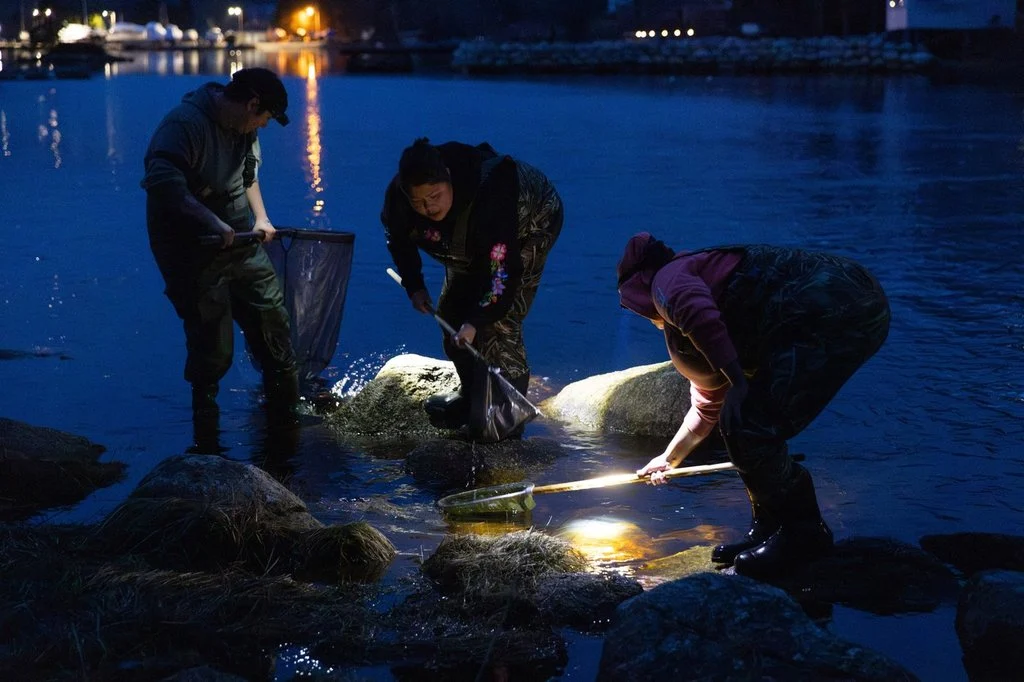
Ottawa has announced a significant 22 percent increase in the allowable catch for juvenile American eels, known as elvers, for the upcoming 2026 fishing season. The federal Department of Fisheries and Oceans (DFO) cited evidence of a healthy population and the relative tranquility of the 2025 season in Nova Scotia and New Brunswick as primary drivers for this decision. The new quota, set to open on April 1, will permit harvesters to catch up to 12,180 kilograms of elvers, up from the previous limit, marking a cautious yet optimistic step in managing one of Canada’s most valuable and historically contentious fisheries.
This increase comes after a tumultuous period for the elver fishery, which saw its 2024 season completely shut down due to escalating violence and widespread illegal fishing. Driven by soaring global prices, the fishery became a flashpoint for conflict, resulting in numerous arrests and significant safety concerns on many rivers across the Maritimes. The tiny, glass-like eels, typically less than 10 centimetres long, are highly sought after, primarily destined for aquaculture facilities in Asia, where they are raised to maturity for the food market. Prices have fluctuated wildly, reaching as high as $5,000 per kilogram a few years ago, though they stabilized around $1,500 per kilogram last year, still representing an extraordinary value for such a small aquatic creature.
A History of High Stakes and Conflict
The elver fishery, though relatively small in terms of volume, has a disproportionately high economic value and has been central to ongoing reconciliation efforts and resource access disputes in Atlantic Canada. The high demand from Asian markets, particularly China, Japan, and Korea, where eel is a culinary delicacy and aquaculture staple, has fueled intense competition. This lucrative trade transformed the traditionally low-key elver harvest into a high-stakes enterprise, attracting both legitimate fishers and organized illegal operations.
The peak of the unrest occurred in the years leading up to 2024, characterized by confrontations on the water, property damage, and threats, often involving clashes between Indigenous and non-Indigenous fishers over access rights and enforcement. These tensions are deeply rooted in the 1999 Supreme Court of Canada’s Marshall decision, which affirmed the treaty rights of Mi’kmaq and Maliseet First Nations to fish for a "moderate livelihood." However, the implementation of this right, particularly concerning commercially valuable species like elvers, has been a source of ongoing disagreement and a significant challenge for federal regulators.

The federal government’s inability to effectively manage the burgeoning black market and address the underlying access issues led to the unprecedented shutdown of the fishery in 2024. This drastic measure underscored the severity of the crisis and highlighted the urgent need for a robust regulatory framework and enhanced enforcement.
The 2025 Season: A New Regulatory Era
In response to the escalating crisis, the DFO introduced a series of significant regulatory changes in 2025. These included new possession and export regulations designed to improve traceability and control over the harvested elvers, aiming to curb illegal trade routes and ensure compliance. Crucially, Ottawa also confirmed a major redistribution of quota for 2025, allocating 50 percent of the allowable catch from non-Indigenous commercial fishers to First Nations communities entering the fishery for the first time to pursue their moderate livelihood rights.
This reallocation continued into the 2026 season, with approximately 55 percent of the increased catch now designated for 700 First Nations harvesters, while commercial fishers will be allowed to catch the remaining 45 percent. This structural change was a direct effort to address historical inequities and provide Indigenous communities with greater access to a valuable resource, in line with treaty obligations.
Jennifer Ford, the DFO’s director of resource management for the Maritimes, highlighted the positive outcomes of these changes during a virtual news conference announcing the 2026 quota increase. "In 2025, having implemented the new regulations, we did see a more orderly fishery than previous years," Ford stated. "That does give us some confidence that as we go forward, we will likely see lower levels of unauthorized harvesting than we’d seen in some previous years as well." This sentiment was echoed by some Mi’kmaq harvesters who, in interviews with The Canadian Press last May, indicated that their decision to work within Ottawa’s new regulations had contributed to a calmer atmosphere on the tidal rivers.
Scientific Basis and Conservation Context

The DFO’s decision to increase the quota is based on what it describes as scientific evidence of a healthy American Eel population. The 22 percent increase, which brings the total allowable catch to 12,180 kilograms, was partly informed by data gathered from specific monitoring efforts. One key source of this data comes from a long-term monitoring program on the East River near Chester, on Nova Scotia’s southwest shore. Additionally, federal officials utilize "electrofishing," a method that involves introducing small electric shocks into the water to temporarily stun eels for counting and assessment, providing valuable insights into population density and health across various waterways.
However, the conservation status of the American Eel (Anguilla rostrata) adds a layer of complexity to quota management. The Committee on the Status of Endangered Wildlife in Canada (COSEWIC) designated the American Eel as "Threatened" in 2012, citing concerns about habitat loss, barriers to migration (like hydroelectric dams), environmental contaminants, and, significantly, overfishing, including illegal harvests. While DFO’s management approach is intended to be consistent with COSEWIC’s assessment, allowing for a commercial fishery of a threatened species often draws scrutiny from environmental groups and conservationists who advocate for more precautionary approaches. The DFO maintains that its management plan balances conservation goals with socio-economic considerations, but the inherent tension between these objectives remains.
The American Eel undertakes an extraordinary life cycle, spawning in the Sargasso Sea and migrating as larvae (leptocephali) across the Atlantic Ocean to freshwater rivers and estuaries along the eastern coasts of North America. As they enter coastal waters, they transform into transparent elvers, then mature into yellow eels, and finally silver eels, which return to the Sargasso Sea to spawn and die. This complex migratory pattern makes them vulnerable to various pressures at different life stages, underscoring the importance of comprehensive management.
Stakeholder Perspectives: Divergent Views and Ongoing Challenges
While DFO expresses optimism, not all stakeholders share the same confidence in the current management system. Stanley King, manager of the Nova Scotia-based Atlantic Elver Fishery, a commercial enterprise, voiced significant concerns about the transparency and enforcement within the new framework. King contends that the system has been undermined by some First Nations harvesters who he alleges are unwilling to follow the established rules, thereby creating an uneven playing field.
"This raises questions about how reporting compliance, traceability and enforcement are being applied," King stated in an email, warning of potential cascading effects. "If the system lacks deterrents, it’s likely other licence-holders will also stop reporting and fishing within their assigned quotas." King further accused the Fisheries Department of failing to adequately address illegal fishing in general, an accusation that the department has consistently denied. He cited "very low response rates to real-time reports of illegal fishing activity in 2025" from commercial fishers, and stated that his organization had sent video images to Ottawa allegedly depicting illegal fishing.

Atlantic Elver Fishery was among the commercial licence-holders who saw their quota cut by half without compensation from the federal government, a point of contention that continues to fuel resentment among some non-Indigenous fishers who feel unfairly disadvantaged by the quota redistribution. The absence of a compensation mechanism for these quota losses remains a significant unresolved issue for a segment of the industry.
Enforcement and the Road Ahead
Despite the DFO’s assertion of a more orderly 2025 season, enforcement statistics reveal that challenges persist. A Fisheries Department official confirmed that 65 people were charged with offences related to elver fishing in 2025. Of these, eight individuals were convicted or ticketed, resulting in more than $23,000 in fines. These figures indicate that while major confrontations may have subsided, illegal activities, non-compliance, and the need for vigilance remain.
Noel d’Entremont, the director of conservation and protection for DFO, emphasized the ongoing commitment to enforcement during the virtual news conference. "Building on the increased compliance and order observed last year, fishery officers will continue to work with harvesters towards voluntary compliance with the Fisheries Act," d’Entremont stated. He also confirmed that more fishery officers would be deployed this year to ensure compliance, mirroring efforts from previous years. However, he also acknowledged the inherent difficulties of policing such a vast and complex resource: "Even though we’re bringing in extra fishery officers across the region, we have hundreds of rivers that we’re responsible for. We try to respond to as many complaints as we get. The unfortunate part is we cannot be everywhere at all times."
The 2026 elver season represents a critical test for DFO’s new management approach. The increased quota, while based on population health data, also necessitates robust monitoring and enforcement to prevent a resurgence of illegal activity. The delicate balance between economic opportunity, reconciliation with Indigenous communities, and the long-term conservation of a threatened species will continue to define the narrative of this unique and valuable fishery in Atlantic Canada. The success of the season will hinge not only on biological sustainability but also on the ability of all stakeholders to operate within the established rules, fostering cooperation and respect on the rivers that sustain this precious resource.