admin
admin
In December, the U.S. Department of Agriculture (USDA) unveiled a comprehensive $12 billion economic aid package for American farmers through its newly established Farmer Bridge Assistance (FBA) program. This significant federal intervention was primarily designed to mitigate the severe financial disruptions stemming from the shifting global trade policies implemented by the administration, which had imposed substantial tariffs and triggered retaliatory measures from key international markets. The vast majority of this financial relief, an estimated $11 billion, was specifically earmarked for commodity farmers, who cultivate large-scale staple crops such as corn, soybeans, wheat, and cotton, sectors historically more susceptible to the direct impacts of international trade disputes.
The Genesis of the Aid: Trade Disputes and Their Agricultural Impact
The Farmer Bridge Assistance program did not emerge in a vacuum; it was a direct response to a tumultuous period in global trade, largely initiated by the Trump administration’s aggressive tariff strategy. Beginning in early 2018, the U.S. imposed tariffs on steel and aluminum imports, subsequently expanding these measures to include a wide range of goods from China and other trading partners. This protectionist stance, aimed at rebalancing trade deficits and bolstering domestic industries, quickly escalated into a full-blown trade war. China, a critical market for American agricultural exports, retaliated with its own tariffs on U.S. farm products, including soybeans, pork, and dairy.
The economic fallout for American agriculture was immediate and profound. Farmers, particularly those in the commodity sector, saw export markets shrink, prices plummet, and an unprecedented surplus of goods accumulate. For instance, soybean exports to China, which historically accounted for a significant portion of the U.S. crop, dropped dramatically. This created immense financial strain across the heartland, leading to increased bankruptcies and widespread calls for federal intervention. The FBA program, therefore, served as a compensatory mechanism, an attempt to cushion farmers from the economic blows of policies designed elsewhere. While the initial focus of the trade disputes often highlighted major commodity exports, the ripple effects were felt across the entire agricultural landscape, albeit with varying degrees of direct impact.
A Tale of Two Farming Sectors: Commodity vs. Specialty
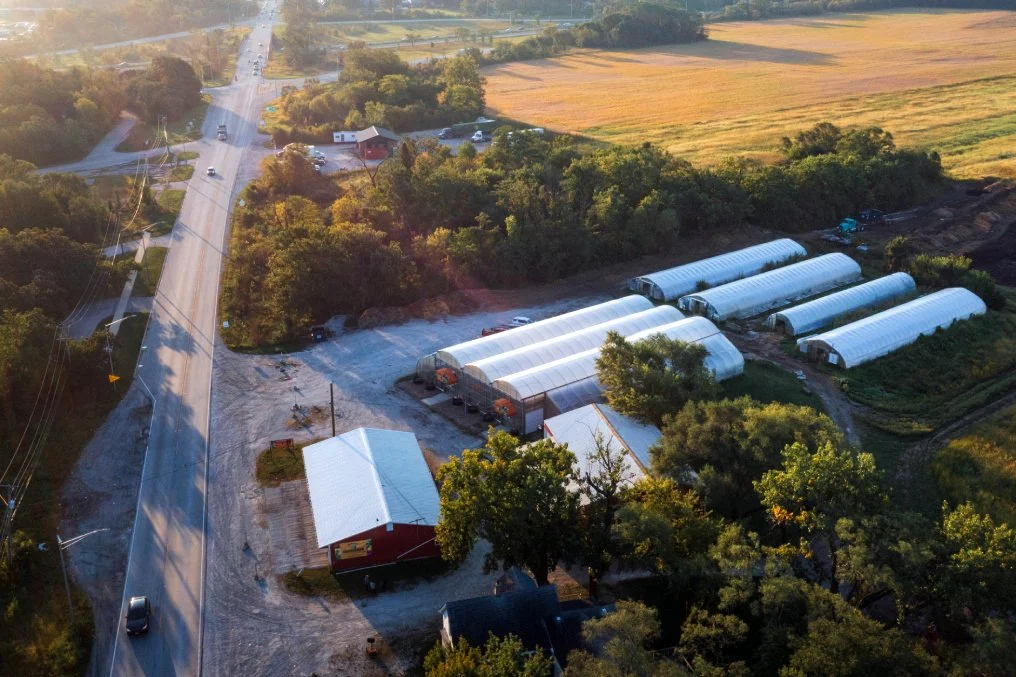
The remaining $1 billion of the FBA package was designated for a broader category of agriculture, encompassing other crops, most notably sugar and a diverse array of specialty crops, through a parallel initiative titled the Assistance for Specialty Crop Farmers (ASCF) program. Specialty crops are generally defined as fruits, vegetables, tree nuts, dried fruits, horticulture, and nursery crops. This category includes everything from apples and berries to kale and asparagus, often cultivated on smaller land parcels and characterized by diverse production methods and marketing channels.
The operational differences between commodity and specialty farms are stark and fundamental to understanding the current challenges. Commodity farms typically operate on vast acreages, often thousands of acres, focusing on monoculture (growing a single crop) with highly mechanized processes. Their output is usually sold in bulk on global markets, making them highly sensitive to international prices and trade policies. Federal agricultural programs, including crop insurance and direct payment schemes, have historically been structured to support this model, often requiring extensive acreage reporting and standardized production metrics.
Specialty crop farms, conversely, are frequently smaller in scale, often highly diversified, growing a multitude of crops on a fraction of an acre. Their sales channels are varied, ranging from direct-to-consumer sales at farmers’ markets and community-supported agriculture (CSA) programs to local restaurants, schools, and regional wholesale distributors. This diversification and localized market focus, while offering resilience against certain market fluctuations, also means their operational paradigms are vastly different from those assumed by many federal programs.
The Unfolding Timeline of the ASCF Program and Its Initial Hurdles
The timeline for specialty crop farmers to access this aid unfolded rapidly, presenting significant challenges. Farmers were officially notified on February 13 that they had a tight window, precisely one month, until March 13, to submit their 2025 acreage reports. This report was a prerequisite for applying for the ASCF aid. Now that the deadline has passed, those who successfully submitted the required documentation are expected to receive an application for the assistance.
However, a critical piece of information remained conspicuously absent throughout this initial application phase: the potential benefits or payment rates associated with the aid. Without knowing the financial implications of participation—how much aid they might receive per acre or per crop—many specialty crop farmers faced a difficult decision. This lack of transparency, coupled with the unfamiliarity of the reporting process, led a significant number of these farmers to decide against submitting an acreage report, thereby inadvertently disqualifying themselves from the very aid designed to support them.
Deputy Agriculture Secretary Stephen Vaden acknowledged the ongoing delay, stating recently that specialty-crop-specific payment rates would not be available until early April. This protracted wait for crucial information compounded the difficulties for farmers attempting to make informed decisions under pressure. The absence of clear financial incentives or even a basic framework for how the aid would be calculated created a barrier of uncertainty that many found insurmountable.
Procedural Hurdles: Acreage Reports as a Barrier to Entry
The requirement for detailed acreage reports, while standard practice for commodity farms, represented a new and often daunting bureaucratic hurdle for many specialty crop farmers. Duncan Orlander, a policy analyst at the National Sustainable Agriculture Coalition (NSAC), highlighted this disparity, noting that the process was largely unfamiliar to this segment of the agricultural community. The acreage report demands specific details: planting dates, the exact crops planted, the precise number of acres utilized for each crop, and critically, where and how the crop was sold.
For a small, diversified specialty crop operation, compiling such a detailed report can be an incredibly complex and time-consuming undertaking. These farms often grow a wide array of crops, sometimes dozens of different varieties, on small plots of land that may be fractioned into rows or even smaller beds rather than measured in whole acres. Furthermore, their diversified marketing strategies mean they sell to a variety of sources—farmers’ markets, CSAs, local grocery stores, restaurants, and direct online sales—making comprehensive sales tracking a granular and often manual process.
Sara George, a Minnesota-based farmer, exemplifies these challenges. Her farm boasts a diverse portfolio of crops, including rhubarb, asparagus, raspberries, kale, apples, and blueberries. She explained the practical impossibilities of adhering to the reporting requirements: "I’m picking raspberries nearly every day," she stated, underscoring the difficulty in pinpointing a single, definitive harvest date for a continuous harvest crop. The subsequent distribution of these crops further complicates matters. Her raspberries might be sold online one day, to schools another, wholesale to a regional distributor, or directly to consumers at a farmers’ market. Tracking the exact destination and price for every pound of every crop would require an entirely new, sophisticated record-keeping system that many small farms simply do not possess or have the capacity to implement without significant investment of time and resources.
George further elaborated on the disconnect between federal reporting requirements and the reality of diversified farming: "If you have kale, you have to do acreage reporting of your kale. I don’t plant an acre of kale, I plant two rows of kale." This statement powerfully illustrates the mismatch in scale and operational logic. Federal programs are often designed with the commodity farm in mind, where an "acre" is a meaningful unit of measurement and a single crop dominates vast tracts of land. For specialty crop farmers, who maximize production on limited space through intensive, diversified methods, these metrics are often irrelevant or exceedingly difficult to quantify.
Timing and the "Unknown Benefit" Dilemma
Adding to the procedural complexities, the March deadline for submitting acreage reports coincided with the crucial planting season for many specialty crop growers. This meant that farmers were already stretched thin, dedicating their limited time and resources to preparing fields, sowing seeds, and managing early-season crops. Navigating an unfamiliar and intricate bureaucratic process during such a critical period placed an undue burden on these operations. As Orlander noted, the timing itself was a significant disadvantage.
The lack of clarity regarding payment administration further exacerbated the problem. Without knowing how the payments would be calculated or distributed, George questioned the precedent for how specialty crop farmers would benefit based on acreage, especially given the diverse nature of their operations and sales. This "unknown benefit" dilemma created a strong disincentive for participation. Farmers, particularly those operating on tight margins, are unlikely to invest significant time and effort into a complex application process if the potential return is entirely speculative.
Lindsey Shapiro, a farmer and federal policy organizer at Pasa Sustainable Agriculture, articulated the broader sentiment among specialty crop growers: "I think by and large, specialty-crop farmers that operate on smaller scales and have very diversified operations are just kind of ignoring this because it just feels so abstract." This observation points to a deeper issue of trust and engagement between federal agricultural agencies and a significant segment of the farming community. When programs feel disconnected from their operational realities and lack transparent benefits, farmers are likely to disengage, viewing the process as an additional burden rather than a genuine opportunity for support.
Broader Implications and Policy Considerations
The challenges faced by specialty crop farmers in accessing the ASCF program highlight several critical implications for agricultural policy and the future of federal farm aid.
Firstly, it underscores a persistent equity gap in federal support. Historically, farm aid programs have disproportionately benefited large-scale commodity operations, a trend that appears to continue with the FBA’s 11:1 billion dollar split. While the economic impact of trade wars on commodity markets was undeniable, the structure of the aid program inadvertently reinforced existing disparities, making it difficult for smaller, diversified farms to benefit even from the allocated specialty crop funds.
Secondly, the procedural barriers reveal a fundamental design flaw in how federal programs are often conceived and implemented. A "one-size-fits-all" approach, based on commodity farm models, fails to adequately serve the diverse needs and operational realities of the broader agricultural sector. This not only excludes deserving farmers from aid but also creates a sense of alienation and distrust, potentially discouraging future participation in vital federal initiatives. If the USDA aims to support a resilient and diverse food system, its programs must be flexible enough to accommodate the varied scales and practices of all farmers.
Thirdly, the "unknown benefit" dilemma points to a need for greater transparency and proactive communication from federal agencies. Farmers operate businesses that require careful planning and risk assessment. Expecting them to invest time and effort into an application process without clear information about potential returns is unrealistic and places an unfair burden on them. Clear guidelines, transparent payment structures, and accessible information are paramount for successful program implementation and farmer engagement.
Finally, the disengagement of specialty crop farmers from this program could have long-term consequences. These farms are crucial for local food systems, food security, and agricultural biodiversity. If they consistently feel overlooked or unsupported by federal programs, it could lead to further consolidation in the agricultural sector, reduction in crop diversity, and a weakening of local economies.
Looking Ahead: The Path to Equitable Support
As the USDA prepares to release the specialty-crop-specific payment rates in early April, the agricultural community will be closely watching. The efficacy of the ASCF program will ultimately be judged not just by the total amount disbursed, but by how successfully it reaches the intended beneficiaries and genuinely alleviates their financial burdens.
Moving forward, there is a clear imperative for policymakers and agricultural agencies to re-evaluate program design, ensuring that future aid packages are more equitably distributed and accessible to all segments of the farming community. This would involve developing reporting mechanisms that are suitable for diversified, small-scale operations, providing ample lead time for applications, and ensuring complete transparency regarding program benefits from the outset. Engaging with farmer advocacy groups and directly consulting specialty crop farmers in the design phase of such programs could lead to more effective, inclusive, and impactful federal support that genuinely strengthens the entire agricultural landscape of the United States.