admin
admin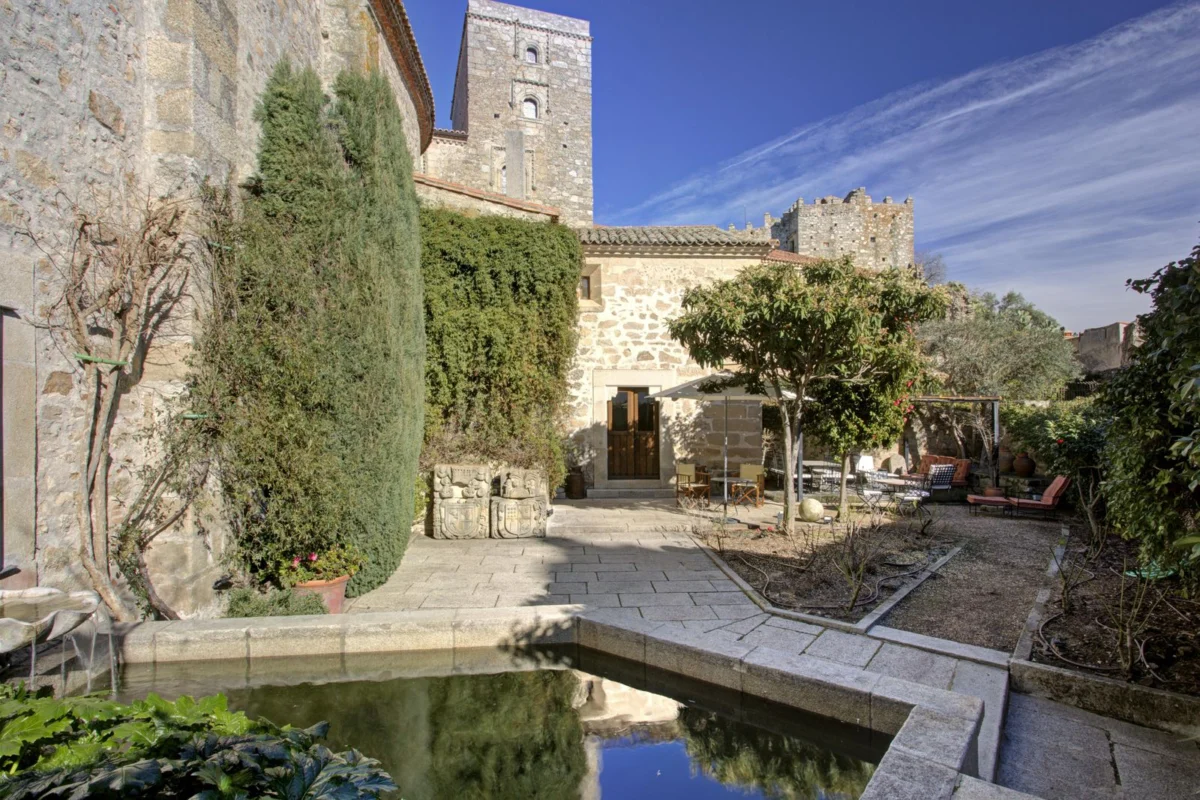
A remarkable architectural conversion in the historic town of Trujillo, Cáceres, Spain, has brought a 16th-century church back to life as an opulent modern residence, now listed for €1,500,000, approximately $1,747,000 USD. Originally founded in 1518 as the Church of San Andrés, this extraordinary property underwent a meticulous renovation in 2018 under the discerning eye of interior designer Pinto Coelho. Spanning an impressive 8,880 square feet, the sprawling estate offers seven bedrooms and six bathrooms, situated on a 0.19-acre lot. The transformation showcases a profound respect for its historical origins while integrating luxurious contemporary living spaces, presenting a unique blend of heritage and modernity to the discerning buyer.

A Glimpse into Trujillo’s Rich History
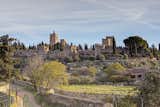
Trujillo, nestled in the Extremadura region of western Spain, is a town steeped in history, renowned for its remarkably preserved medieval and Renaissance architecture. Its cobbled streets, ancient walls, and grand plazas tell tales of centuries past, particularly the Age of Exploration, as it was the birthplace of several prominent conquistadors, including Francisco Pizarro, conqueror of the Inca Empire, and Francisco de Orellana, the first European to navigate the Amazon River. The town’s strategic location and historical significance have imbued it with a distinct cultural identity, making it a living museum that attracts history enthusiasts and tourists alike.
The Church of San Andrés, built in 1518, emerged during a pivotal era in Spanish history, just as the Renaissance was flourishing across Europe and Spain was consolidating its global power. Churches of this period were not merely places of worship but central pillars of community life, reflecting the architectural prowess and religious fervor of the time. While specific records detailing the day-to-day life within the Church of San Andrés might require deep archival research, its construction date places it firmly within the late Gothic and early Renaissance architectural transition, characterized by robust stone construction, soaring ceilings, and often, intricate decorative elements. The transition from active religious use to a private residence is a narrative shared by many historic ecclesiastical buildings across Europe, often driven by shifting demographics, declining congregations, and the immense costs associated with maintaining such grand structures in the modern era. The decision to repurpose rather than demolish allows these monumental buildings to endure, albeit with a new lease on life and purpose.
The Visionary Renovation by Pinto Coelho
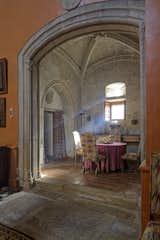
The 2018 renovation of the former Church of San Andrés was a monumental undertaking, entrusted to the acclaimed interior designer Pinto Coelho. The challenge lay in preserving the integrity and grandeur of a 500-year-old religious edifice while adapting it to the demands of contemporary luxury living. Pinto Coelho’s approach was evidently one of profound respect and careful integration, ensuring that the property "retains the strength and scale of its origin." This philosophy is evident in the choice of materials, with the renovated structure primarily composed of original stone, traditional terra-cotta tile, and warm wood accents, all harmonizing to maintain the building’s authentic character.
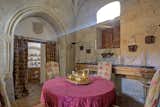
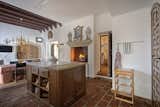
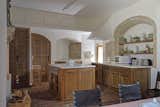
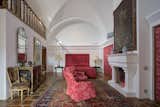
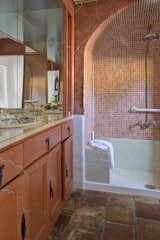
The heart of the principal residence is an "extraordinary grand living hall," a space that immediately conveys the building’s former ecclesiastical scale. This immense hall is thoughtfully warmed by dual fireplaces, a practical and aesthetic solution to domesticate such a vast volume while honoring the historical sense of gathering. The careful integration of modern comforts within the historic shell speaks to Pinto Coelho’s expertise. For instance, the main residence comprises three spacious bedrooms, each featuring an en-suite bathroom. These private quarters have been seamlessly woven into the original architecture, likely utilizing existing alcoves, high ceilings, and thick stone walls to create serene, luxurious retreats that feel both contemporary and timeless. Furthermore, the property boasts a generously proportioned kitchen, also equipped with a fireplace, suggesting a central hub for family life and entertaining, echoing the communal spirit of its past. Additional sitting areas are strategically placed throughout the main residence, offering intimate spaces for relaxation amidst the grandeur.
A Multifaceted Estate: Main Residence, Guesthouses, and Historic Features
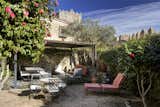
Beyond the main residence, the property offers an expansive and thoughtfully designed living environment. A magnificent garden provides a private oasis, a verdant counterpoint to the ancient stone structure. The inclusion of a belvedere, a raised architectural feature offering panoramic views, suggests an appreciation for the surrounding landscape of Trujillo and the historical vistas it commands.
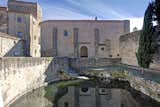
Adding to the estate’s versatility and appeal are two independent guesthouses, positioned to face a centuries-old cistern. This arrangement ensures "complete privacy" for residents and guests alike. The cistern itself is a remarkable historical feature, fed by natural springs and carved directly into the rock, serving as a tangible link to the property’s deep past and its self-sufficiency. It evokes a sense of ancient ingenuity and provides a unique aesthetic focal point for the guesthouses.
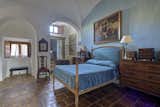
The first guesthouse is a self-contained unit, featuring its own private garden, a comfortable living room, a functional kitchen, and two en-suite bedrooms. This configuration makes it ideal for long-term guests or as a separate dwelling for family members seeking independence. The second guesthouse offers a living area with an open-plan kitchen, two additional bedrooms, and a full bathroom, providing equally comfortable, albeit slightly different, accommodations. The inclusion of a spacious garage further enhances the property’s practicality, addressing modern needs for vehicle storage within a historic setting. In total, the entire estate encompasses seven bedrooms and six bathrooms, providing ample space for a large family, extensive entertaining, or even a boutique hospitality venture. The listing also notes that many of the home’s exquisite furnishings are included, offering a turnkey solution for a buyer seeking immediate immersion in this unique lifestyle.
Market Dynamics and Investment Potential
The listing of the converted Church of San Andrés for €1.5 million places it firmly within the luxury real estate market, particularly for unique historical properties in Spain. While Extremadura may not command the same astronomical prices as coastal regions like the Costa del Sol or major cities like Madrid and Barcelona, properties of such historical magnitude and architectural distinction are rare and highly sought after. In 2023, the average price per square meter for luxury properties in Spain ranged significantly, but unique heritage assets often transcend typical market metrics, appealing to a niche demographic. A price point of €1.5 million for an 8,880 square foot property translates to approximately €169 per square foot, which, while appearing modest compared to urban luxury, reflects the specialized nature of the property and its location.
The investment potential of such a property is multifaceted. Firstly, its historical significance and architectural uniqueness provide intrinsic value that appreciates beyond standard market fluctuations. Buyers are not just acquiring a home; they are investing in a piece of Spanish heritage. Secondly, the comprehensive 2018 renovation means the property is move-in ready, minimizing immediate capital expenditure for the new owner. The inclusion of furnishings further adds to its appeal as a convenient acquisition. Thirdly, the versatile layout, with its main residence and two private guesthouses, opens up possibilities for various uses. It could serve as an exceptional private family estate, a luxurious vacation rental property, or even be adapted into a high-end boutique hotel or event venue, capitalizing on Trujillo’s growing tourism appeal and its status as a historical gem. Such adaptive reuse projects often contribute positively to local economies and heritage tourism.
The Broader Impact of Architectural Preservation
The conversion of the Church of San Andrés is part of a broader European trend of repurposing historical ecclesiastical buildings. Facing declining congregations and increasing maintenance costs, many churches across Spain, France, the UK, and other nations have been deconsecrated and sold for alternative uses. This trend presents both opportunities and challenges. The opportunity lies in preserving significant architectural heritage that might otherwise fall into disrepair or be demolished. Adaptive reuse breathes new life into these structures, ensuring their physical survival and continued relevance within the urban fabric.
However, challenges include navigating strict heritage regulations, securing appropriate planning permissions, and executing renovations that respect the original character while meeting modern building codes and living standards. The successful transformation of the Church of San Andrés by Pinto Coelho demonstrates a masterful balance, proving that with vision and careful execution, these grand old buildings can find new purposes. This project not only saves a piece of Trujillo’s history but also contributes to the town’s architectural diversity, potentially inspiring further creative preservation efforts. It highlights a sustainable approach to heritage, where past and present converge to create a truly unique future. Such projects can also subtly influence local tourism, offering unique accommodation options and drawing attention to the town’s commitment to preserving its historical fabric.
Conclusion
The converted Church of San Andrés in Trujillo stands as a testament to thoughtful architectural preservation and innovative design. From its origins as a 16th-century place of worship to its modern incarnation as a luxurious seven-bedroom estate, the property encapsulates centuries of history within its stone walls. Priced at €1.5 million, it represents a rare opportunity to acquire a piece of Spanish heritage, meticulously renovated to offer the highest standards of contemporary living. Its location in the historically rich town of Trujillo, combined with its unique features—including a grand living hall, a magnificent garden, a belvedere, two private guesthouses, and a centuries-old cistern—make it a truly exceptional offering in the global luxury real estate market. This property is more than just a home; it is a living monument, a bridge between Spain’s illustrious past and a future defined by elegant, sustainable living.