admin
admin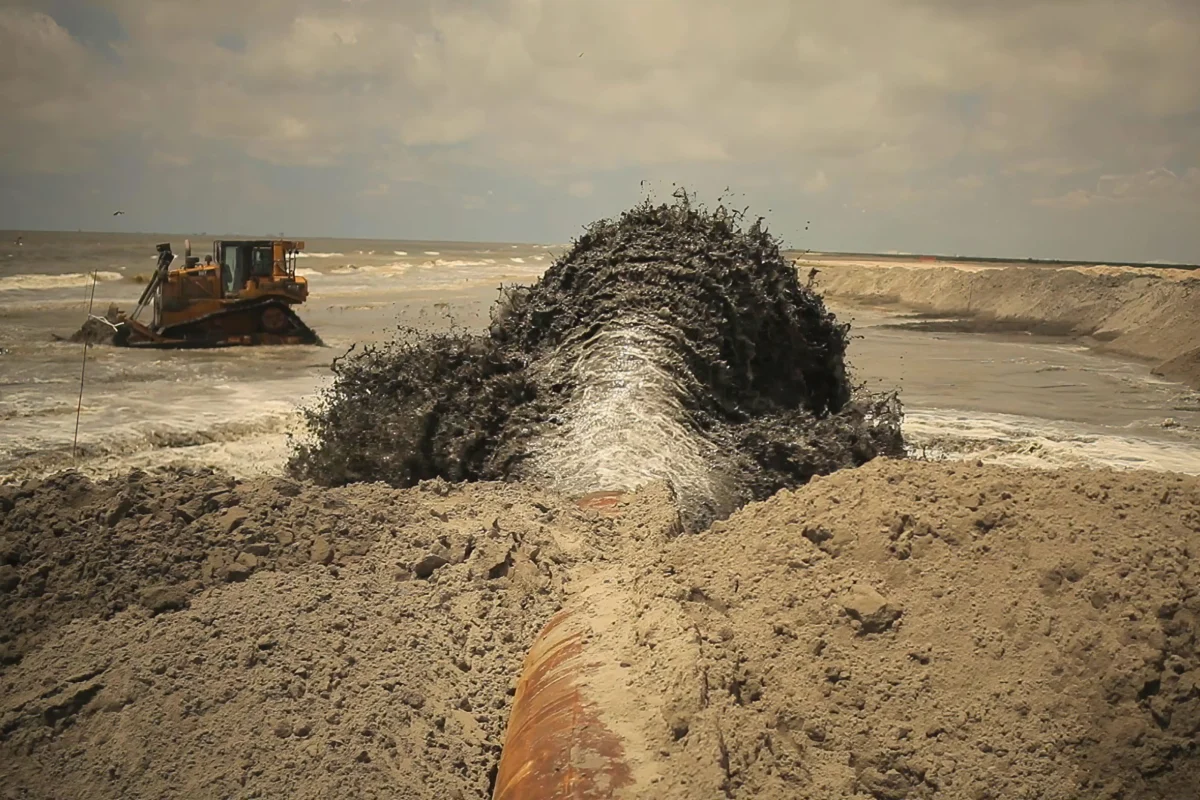
The vibrant, centuries-old culture of the Isleños, a unique community of Canary Islander descendants in Louisiana’s St. Bernard Parish, faces an existential threat as the Gulf Coast’s wetlands rapidly disappear. Shell Beach, a small fishing community situated 30 miles southeast of New Orleans, serves as a poignant microcosm of this broader crisis, where a way of life intrinsically tied to the land and its waters is steadily eroding alongside the coastline. For generations, families like that of Brad Robin have navigated these marshlands, their childhoods defined not by street bike rides but by "pirogue battles in the canals," a testament to their profound connection to the aquatic environment.

A Heritage Forged in the Marsh: The Enduring Culture of the Isleños
The story of the Isleños in Louisiana begins between 1778 and 1783, when an estimated 2,000 Canary Islanders, lured by Spanish colonial incentives, arrived in New Orleans. These immigrants were granted land, homes, and stipends by Spain, eventually settling in the coastal towns of St. Bernard Parish, including Shell Beach. Here, amidst the intricate network of bayous and marshes, they forged a distinct cultural identity, becoming known as the Isleños. Their survival and prosperity for over two centuries have been inextricably linked to the abundant seafood resources of southeast Louisiana’s wetlands – shrimp, fish, and oysters – a vocation passed down through generations, adapting to the relentless rhythm of the Gulf of Mexico’s tides. As St. Bernard Parish historian and 11th-generation Isleño William Hyland notes, "The natural environment has shaped the cultural heritage and legacy of everyone who’s here."

This deep-rooted culture is characterized by a powerful spirit of reciprocity, extending from communal fishing endeavors to the heart of their kitchens. Traditional meals, where daily catches are transformed into shared feasts, underscore this bond. Favorite dishes like Besugo al Horno (baked red snapper with potatoes), Stuffed Mirlitons (chayote squash with crabmeat), and Gambas al Ajillo (garlic shrimp) are not merely sustenance but expressions of their shared history and identity. The communal spirit thrives through institutions like the Los Isleños Heritage and Cultural Society of St. Bernard, which hosts annual events such as Santa on the Bayou, holiday bonfires, seafood fundraisers, and the renowned Los Isleños Fiesta. This two-day celebration of Louisiana’s enduring Spanish heritage features traditional dances, folk art, and a rich array of Spanish-Canarian cuisine, keeping the cultural flame alive. Brad Robin, whose father co-founded the society in 1976, fondly remembers Shell Beach as "the best place to grow up. Everyone knew their neighbors, everyone came together. If someone was down or something happened, the whole neighborhood picked them up and took care of them." Archival photographs from the 1940s, depicting Isleño families returning home with supplies, offer a glimpse into this enduring, tight-knit community life.
The Accelerating Crisis: Land Loss and Its Multifaceted Causes

However, the very landscape that cradled this culture for centuries is vanishing at an alarming rate. Louisiana’s Mississippi River Delta Basin is experiencing one of the fastest rates of land loss globally, with an area equivalent to a football field submerging every 100 minutes along the coast. Since the 1930s, Louisiana has lost approximately 2,000 square miles of land, an area roughly the size of the state of Delaware, as graphically illustrated by animated NOAA maps depicting decades of coastal retreat. This catastrophic erosion is driven by a complex interplay of natural processes and human interventions.
Rising sea levels, a direct consequence of global climate change, contribute significantly to the inundation of coastal marshes. Simultaneously, the extensive levee systems constructed along the Mississippi River, designed to prevent catastrophic flooding in urban centers, have inadvertently starved the delta of essential sediment. Historically, the river’s annual floods replenished the wetlands with fresh sediment, allowing them to naturally build and maintain elevation. With the levees confining the river, this vital sediment supply is largely shunted into the deep Gulf, bypassing the marshes entirely and disrupting millennia of deltaic land-building processes.

Further exacerbating the problem are the thousands of access canals dredged through the wetlands by oil and gas companies since the early 1900s. These industrial arteries, often left unused, now total over 10,000 miles, slicing through the delicate marsh ecosystem. As explained by Kehui (Kevin) Xu, Director of the Coastal Studies Institute at Louisiana State University, if wetlands act like a sponge, these canals are like "razors that slice through the land." They act as conduits, allowing saltwater from the Gulf to intrude deeper into freshwater and brackish habitats. This saltwater intrusion destroys vegetation that requires lower salinity, destabilizes the marsh soil, and ultimately causes the land to subside into open water. The wetlands around Shell Beach, like many other coastal areas, are heavily scarred by this dense grid of man-made canals, making them acutely vulnerable to both erosion and storm surge.
Displacement and Increased Vulnerability: The Human Cost

The relentless march of land loss has forced the Isleños and other coastal residents into a slow but steady retreat. Shell Beach, once home to 300 local families, now retains only four original families, according to Brad Robin. "The rest of us had to move to Yscloskey and other parts of St. Bernard [Parish]," he laments. This displacement not only fragments communities but also severs generations-long connections to specific fishing grounds and family homes, leading to the loss of cultural continuity and social cohesion that defined these tight-knit communities.
As natural barriers erode, communities like Shell Beach become increasingly exposed to the intensified storm surges and life-threatening floods that have become more frequent and powerful with a warming climate. Hurricane Katrina, which devastated the community in 2005, stands as a stark reminder of this vulnerability, leaving Shell Beach severely damaged and many families displaced for extended periods. Yet, the Isleños possess an inherited resilience and ancestral knowledge. William Hyland recounts how generations of his people learned to "read the birds, read the rhythm of the tide," recognizing the warning signs of impending storms. This traditional ecological knowledge proved invaluable during Katrina, as fishermen used their intuition to save their fleets. Charles Robin, a shrimp-boat captain and Brad Robin’s second cousin, encapsulates this pragmatism: "When a storm comes, we take our boats with us. I can lose my house, but I can’t lose that shrimping boat. That shrimping boat is my whole life." This statement highlights the profound economic and cultural significance of their vessels, representing not just a livelihood but a living legacy and the primary tool for their survival.

The Decline of Local Shellfish and Economic Strain
The health of St. Bernard Parish’s commercial fisheries, historically the bedrock of the region’s economy, is directly dependent on a thriving marsh ecosystem. The saltwater intrusion, a direct result of erosion and canals, has wreaked havoc on a diverse array of marine life. Species vital to the local economy and diet, including blue crabs, crawfish, brown shrimp, oysters, speckled trout, and red drum fish, are all suffering. Changes in water salinity and acidity hinder the ability of crustaceans like blue crabs and shrimp to calcify new shells after molting, leaving them vulnerable "soft" for extended periods, exposed to predators and exhaustion. Rocky Ditcharo, a local seafood wholesaler and owner of Ditcharo D Jr. Seafoods, confirms the trend: "I’ve been in the business for 41 years. In that time, we’ve definitely seen a decrease in brown shrimp populations. It’s hard to know if it’s from land loss, but brown shrimp are harder and harder to find." The sight of shrimpers weighing their diminished catches at marinas like Ditcharo’s in Buras, where similar erosion conditions prevail, paints a grim picture of the industry’s struggle.

Oysters, in particular, are exquisitely sensitive to salinity levels, requiring a delicate balance of fresh and salt water. Too little salt forces them to close their shells, cease feeding, and die within days, while excessive salinity increases their susceptibility to parasites like Perkinsus marinus and consequently raises mortality rates. Brad Robin sadly notes that Lake Borgne, once a prime oyster-producing area near Shell Beach, has seen "no oysters grown in those waters for ten years" due to the drastic changes in salinity and tides. This loss represents not only an ecological collapse but a significant economic blow to oyster fishermen.
These ecological challenges are compounded by broader economic pressures. High fuel prices, a constant burden for fishing operations, and intense competition from cheaper imported seafood further squeeze the profit margins of local fishermen. Charles Robin laments the financial decline: "I still run the boat my dad built in our backyard in 1970. But we don’t get the prices at the docks like we did back then. I made more as a deckhand back in the day than I do now as a boat captain." This stark reality underscores the precarious future of an industry that has sustained generations, threatening to extinguish a crucial part of the Isleño heritage.

The Quest for Solutions: Debating Coastal Restoration Strategies
Louisiana’s coastal crisis is not unique, though its scale is arguably unparalleled. Other coastal states face similar challenges. In North Carolina, disappearing marshlands have led to a significant decline in southern flounder, striped mullet, and weakfish. The state has responded by implementing "living shorelines," which utilize native plants, sand, and oyster reefs to create natural buffers against wave erosion. Since their introduction in 2001, these efforts have created over 6,000 feet of new shorelines, with some sites showing significant increases in fish populations compared to natural marsh control sites.

Similarly, in Washington’s Puget Sound, salmon yields have been impacted by the erosion of estuarine "nurseries" crucial for juvenile salmon transitioning from freshwater to saltwater. A long-term project at Jetty Island, initiated in 1990, has used sediment dredged from the Snohomish River to build protective berms, fostering new estuary habitats and "rest stops" for young salmon, though these structures require periodic maintenance to counteract natural erosion.
For Louisiana, the sheer magnitude of land loss demands restoration efforts on an entirely different scale. The Louisiana Coastal Protection and Restoration Authority (CPRA) estimates that 55 to 65 million cubic yards of sediment will be needed over the coming decades for statewide marsh creation, a monumental undertaking that necessitates innovative and effective strategies.

Freshwater Diversions: A Controversial Approach
CPRA has long advocated for large-scale freshwater diversions as the most efficient solution for large-scale sediment delivery. These projects aim to reintroduce Mississippi River sediment into eroding coastlines, mimicking the natural delta-building processes that created Louisiana’s coast over millennia. However, this method has sparked intense debate and opposition, particularly from the seafood industry. Fishermen like Charles Robin point out that "Brown shrimp and oysters need brackish water to survive. Too much saltwater can destroy an estuary, but so can too much freshwater." The delicate balance of salinity in estuaries is critical for these species, and a massive, uncontrolled influx of freshwater could disrupt it catastrophically, altering habitats essential for the early life stages of estuarine species.

A prime example of this contention was the proposed Mid-Barataria Sediment Diversion. This ambitious project aimed to deliver two to three million cubic yards of sediment annually from the Mississippi to the Barataria Basin in Plaquemines Parish. However, it also threatened to introduce vast amounts of freshwater into the system. Across southeast Louisiana, fishers and shrimpers vehemently opposed the project, fearing that if the freshwater destroyed shrimp and oyster habitats in Barataria Basin, impacted fishers would simply relocate their operations to other bodies of water, such as Lake Borgne in Shell Beach. This influx of displaced fishers would lead to overcapitalization and increased competition, further destabilizing an already struggling industry. In July 2025, citing escalating costs and the potential for adverse effects on fisheries, the state ultimately terminated the Mid-Barataria diversion, a significant victory for local fishing communities who felt their concerns were heard. "I want to build back the coast of Louisiana just like anyone, but not at our industry’s cost," states Brad Robin, emphasizing the need for alternative solutions that do not sacrifice one critical resource for another.
Backfilling Canals: An Underutilized Strategy

Another strategy, backfilling the old access canals, has been explored, albeit on a limited basis. With over 35,000 canals dug by oil and gas companies since the early 1900s, obstructing more than 10,000 miles of wetlands, a vast majority of these remain unused and unfilled. These straight, open channels act as highways for storm surges and saltwater intrusion, contributing significantly to land loss and habitat degradation. Successfully backfilled canals, like those in Jean Lafitte National Historical Park near New Orleans, have demonstrated the potential to restore natural water flow and revive fragmented wetlands, effectively "healing" the razor-like cuts in the marsh.
Despite their proven benefits, the CPRA’s Coastal Master Plan has not prioritized large-scale canal backfilling, favoring other restoration projects. The issue is complicated by the fact that much of the land crossed by these canals is privately owned, limiting state intervention and requiring complex negotiations. Between 1979 and 1984, Louisiana backfilled only 33 canals, with just 16 partially restored to wetlands, a mere fraction of what is needed. While some experts advocate for backfilling as essential for habitat restoration, its limited implementation remains a point of contention among conservationists and coastal communities who believe it offers a direct and targeted solution to a significant man-made problem.

Dredging: A Promising Path Forward
Dredging, in contrast to large-scale freshwater diversions, appears to be gaining traction as a more palatable and effective solution for immediate land creation. Dredge-and-fill operations involve removing sand, mud, and other solid materials from the bottoms of waterways, including the nearby seafloor, and then pumping these excavated materials through pipelines to build new land. This method rebuilds barrier islands and marsh platforms without drastically altering water salinity, thereby minimizing adverse impacts on sensitive estuarine ecosystems. An example from 2016 shows sediment dredged from the ocean being used to build new land on Elmer’s Island Wildlife Refuge, protecting inland marshes without altering salinity.

"Pumping [drier] sediment can help rebuild the barrier islands that we’ve lost," says Charles Robin. "It can build the coast while not destroying our shrimp and oyster supply with too much freshwater." LSU’s Professor Xu further emphasizes the critical role of barrier islands: "They are extremely efficient in regulating salinity," acting as crucial buffers between the open ocean and inland bays, protecting the delicate brackish zones.
Historical precedent supports the efficacy of dredging; entire neighborhoods in New Orleans, such as Lakeshore and Lake Vista, owe their existence to a 1926 dredging project that created substantial new land. More recently, CPRA successfully utilized sediment dredging and pumping for its Spanish Pass Project, adding 1,700 acres of new land to a distributary of the Mississippi River, an area once among the most eroded in the world. While conservation groups like the Delta Chapter of the Sierra Club raise concerns about potential harm to marine life, including endangered species, during dredging operations, experts like civil engineer and flood prevention expert Dennis Lambert argue that these methods, when conducted with "environmental windows" to avoid sensitive periods for aquatic organisms (e.g., during spawning or migration), offer a more