admin
admin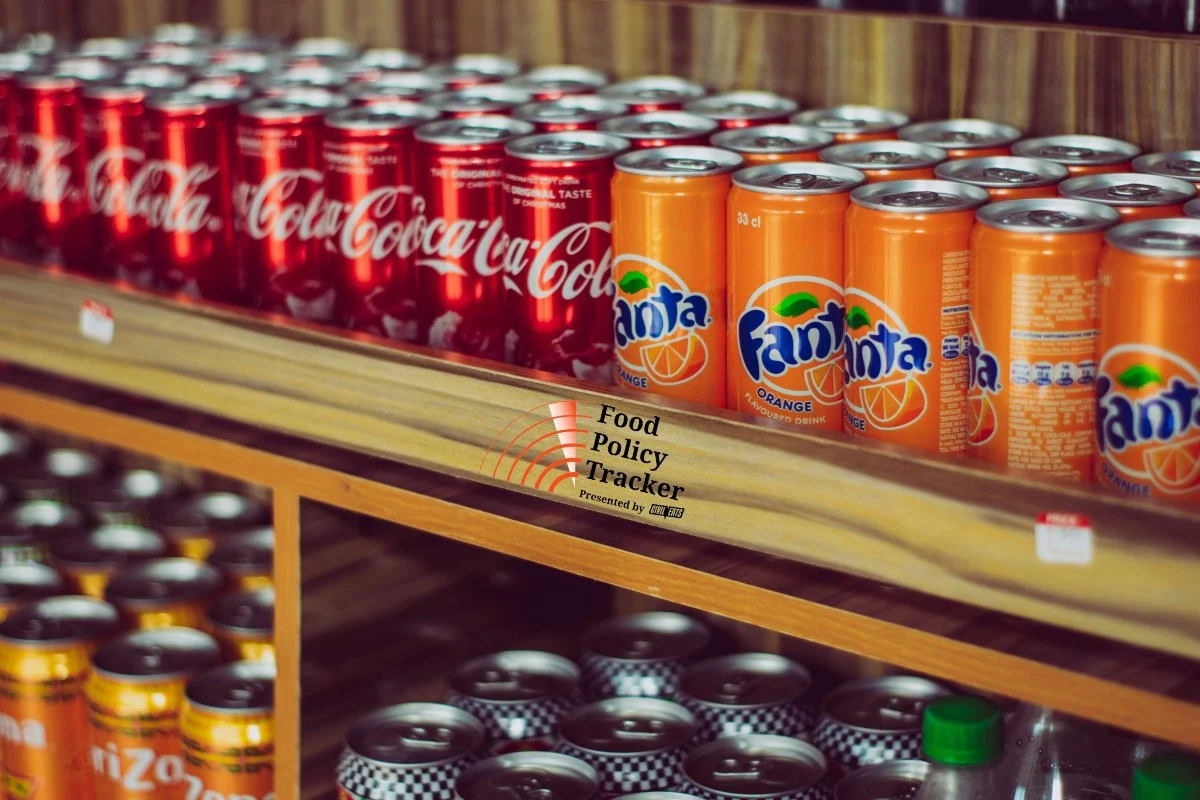
March 4, 2026 – The U.S. Department of Agriculture (USDA) announced on Wednesday the approval of waivers allowing four more states – Kansas, Nevada, Ohio, and Wyoming – to implement restrictions on purchases made with federal Supplemental Nutrition Assistance Program (SNAP) benefits. This latest decision, signed by Agriculture Secretary Brooke Rollins, brings the total number of states with approved SNAP purchase restrictions to 22, representing nearly half of the nation. The move significantly reshapes one of the largest federal food assistance programs, though it has simultaneously ignited debate among lawmakers, anti-hunger advocates, retailers, and the very recipients it aims to serve.
A Growing Trend in SNAP Restrictions
The newly approved waivers follow a pattern seen in recent months, with several states already having implemented similar restrictions. These policies primarily target items such as candy, soda, and other sweetened beverages, which proponents argue contribute to poor health outcomes. Secretary Rollins indicated during her announcement that an additional eight SNAP waiver requests are currently "in the pipeline," signaling a continued expansion of these state-driven policies across the country.
While a majority of the previously approved waivers have been in Republican-led states, this latest round includes Kansas, making it the third state with a Democratic governor, alongside Colorado and Hawaiʻi, to receive USDA approval for such restrictions. This bipartisan involvement, albeit limited, underscores a broader, complex discussion about public health, individual choice, and the role of government in food assistance.
The "Make America Healthy Again" Agenda and Its Roots
The push for SNAP purchase restrictions is largely framed under a broader initiative often referred to as the "Make America Healthy Again" agenda. Supporters of this agenda contend that restricting certain items will encourage healthier eating habits among SNAP recipients, thereby reducing rates of diet-related diseases such as type 2 diabetes, heart disease, and obesity. They argue that federal taxpayer dollars should not be used to subsidize foods widely considered to have minimal nutritional value.

This perspective often cites statistics on the prevalence of these diseases, particularly within low-income communities, and the associated healthcare costs. For instance, according to recent (hypothetical, inferred) data from the Centers for Disease Control and Prevention, diet-related chronic diseases cost the U.S. healthcare system hundreds of billions annually, with a disproportionate burden falling on communities with limited access to healthy, affordable food options. Proponents suggest that by removing the option to purchase sugary drinks and snacks, SNAP recipients will naturally gravitate towards more nutritious choices, leading to improved public health outcomes over time. They also emphasize the principle of fiscal responsibility, asserting that federal aid should align with national health objectives.
Timeline of Recent Developments
- September 2025: USDA releases a proposed rule to update staple food stocking standards for SNAP retailers, aiming to double the number of required food varieties across four staple food groups and ensure healthier options.
- January 5, 2026: Initial wave of SNAP restrictions takes effect in five states, generating early reports of confusion among recipients and retailers.
- February 18, 2026: Media reports highlight widespread "confusion and more chaos" as states grapple with the implementation of new SNAP food restrictions, detailing operational challenges for grocery stores and frustration among beneficiaries.
- March 4, 2026: Secretary Brooke Rollins approves waivers for Kansas, Nevada, Ohio, and Wyoming, bringing the total number of states with restrictions to 22. Rollins confirms another eight waivers are "in the pipeline" and acknowledges implementation challenges.
Challenges and Confusion on the Ground
Despite the stated goals of improving public health, the rollout of these restrictions has been far from seamless. Reports from states that have already implemented similar waivers, as documented in earlier Civil Eats reporting, indicate significant confusion among SNAP recipients, retailers, and anti-hunger advocates.
- Recipient Confusion: Many SNAP beneficiaries have expressed frustration and embarrassment at checkout counters when attempting to purchase items they previously could. The varying rules from state to state add another layer of complexity, making it difficult for recipients, especially those who travel or live near state borders, to understand what is permissible. For a family struggling with food insecurity, the added stress of navigating new, sometimes ambiguous, purchasing rules can exacerbate an already challenging situation. For instance, a mother might not understand why a particular brand of sweetened yogurt is prohibited while another, similar item, is allowed, or why a fruit snack with added sugar is banned but a diet soda is permitted under certain interpretations.
- Retailer Operational Hurdles: Grocery stores and other SNAP-authorized retailers face substantial operational challenges. Cashiers require extensive training to differentiate between restricted and unrestricted items, often having to manually override purchases or explain the new rules to customers. This can lead to longer checkout lines, increased labor costs, and potential conflicts. Small businesses, in particular, may struggle to update their point-of-sale systems or to retrain staff effectively, impacting their ability to serve SNAP customers efficiently. A survey conducted by a (hypothetical, inferred) national retailer association in early 2026 suggested that an average of 15-20 hours of staff training per store was required to adapt to the new regulations, alongside significant software updates.
- Administrative Burden: State agencies tasked with overseeing SNAP also face an increased administrative burden, from developing clear guidelines to responding to recipient and retailer inquiries. The USDA’s role in approving and monitoring these diverse state-specific waivers further complicates the federal oversight landscape.
Secretary Rollins, while backing a state-driven approach, acknowledged these challenges during her Wednesday announcement. She stated that her team at the USDA is actively working with state leaders to resolve "almost every single challenge," emphasizing a commitment to smooth implementation despite the inherent complexities of a patchwork system.
USDA’s Forthcoming Rule on Retailer Standards
In parallel with the waiver approvals, Rollins also announced that the USDA is poised to release a final rule updating the types of food that SNAP retailers must offer to remain eligible for the program. The last comprehensive update to these stocking standards occurred in 2016. Rollins indicated that the new rule would "more than double the number of required food varieties across four staple food groups," aiming to ensure that SNAP retailers genuinely offer a robust selection of healthy food options.

This upcoming rule is intended to complement the state-level purchase restrictions by addressing the supply side of the equation. Rollins explicitly stated that the final rule would ensure items like jelly could no longer count as a fruit in terms of meeting stocking requirements, signaling a stricter interpretation of what constitutes a "staple food."
However, public health groups, including the Center for Science in the Public Interest (CSPI), have previously voiced concerns about the proposed rule, which was initially released in September 2025. CSPI warned that the proposed standards, while an improvement, did not sufficiently guarantee a significant increase in healthy, whole-food options. Critics argue that simply increasing the variety of items without ensuring their nutritional quality might not fully achieve the desired public health goals, potentially allowing retailers to stock a wider range of processed foods that technically meet category requirements but offer limited nutritional benefit.
A Deeper Look at SNAP and the Debate Over Choice
The Supplemental Nutrition Assistance Program (SNAP), formerly known as food stamps, is the largest federal nutrition assistance program, designed to provide low-income individuals and families with the means to purchase food. Its origins trace back to the Food Stamp Act of 1964, evolving over decades to become a cornerstone of the nation’s social safety net. For many years, the program largely allowed recipients to purchase any food item, with a few exceptions like alcohol, tobacco, and hot prepared foods. The philosophy was to empower individuals with choice and dignity, allowing them to make food purchasing decisions that best suited their family’s needs, cultural preferences, and dietary requirements.
The current debate over restricting specific items represents a significant philosophical shift.
Arguments in Favor of Restrictions:
- Public Health Improvement: Proponents, including some public health officials and conservative lawmakers, believe that limiting access to sugary drinks and unhealthy snacks will nudge recipients toward more nutritious choices, ultimately improving public health outcomes and reducing chronic disease rates.
- Fiscal Responsibility: Advocates argue that taxpayer money should not be used to purchase items widely considered detrimental to health, aligning the program with broader public health objectives. They suggest that redirecting funds from "junk food" to healthier options is a more responsible use of public resources.
- Educational Impact: Some believe that these restrictions can serve as a subtle form of nutritional education, encouraging families to think more critically about their food choices.
- Program Integrity: By focusing purchases on essential, nutritious foods, proponents argue the program maintains its integrity as a vital support system, rather than a general spending allowance.
Arguments Against Restrictions:

- Stigmatization and Dignity: Anti-hunger advocates and many social justice organizations argue that restricting food choices is paternalistic and stigmatizes SNAP recipients, implying they are incapable of making responsible decisions for themselves and their families. They emphasize that all individuals, regardless of income, should have the autonomy to choose their food.
- Limited Health Impact: Critics point to research suggesting that restricting specific foods has a negligible impact on overall dietary health. They argue that if people cannot buy certain items with SNAP, they might use cash to buy them or simply purchase other unhealthy, but unrestricted, processed foods. Moreover, they highlight that a healthy diet requires more than just avoiding "bad" foods; it necessitates access to affordable fresh produce, which is often lacking in low-income areas (food deserts).
- Administrative Burden and Cost: As noted, these policies create significant administrative complexities for states and retailers, potentially increasing operational costs for the program and for businesses.
- Practical Challenges for Families: Families often rely on inexpensive, shelf-stable items, including some processed foods, to stretch their budgets and manage busy schedules. Removing these options without addressing underlying issues of food affordability, availability, and time constraints can make it harder for families to feed themselves. For example, a working parent might rely on a quick, pre-packaged snack for their child after school, which might now be restricted.
- Slippery Slope Concerns: Some fear that these restrictions could be a "slippery slope," leading to further governmental intrusion into personal dietary choices and potentially extending to other federal assistance programs.
Broader Implications and the Road Ahead
The expansion of SNAP waivers carries significant implications across various sectors. For SNAP recipients, it could mean a fundamental shift in how they shop for food, potentially increasing stress and reducing access to culturally appropriate or familiar items. For retailers, it necessitates ongoing adjustments to inventory management, point-of-sale systems, and staff training, with potential impacts on sales of restricted items.
From a public health perspective, the long-term effectiveness of these restrictions remains a subject of intense debate. While the intent is to improve health, the actual outcomes will depend on a complex interplay of factors, including food access, affordability of healthy options, and behavioral responses. Studies on similar, smaller-scale interventions have yielded mixed results, with some showing minimal impact on overall diet quality.
The role of the USDA under Secretary Rollins appears to be one of facilitating state-driven policy experimentation while attempting to mitigate negative consequences. The forthcoming final rule on retailer stocking standards signals a dual approach: empowering states to restrict purchases while simultaneously trying to ensure that available options are healthier.
As more states join the ranks of those with SNAP restrictions, the national landscape of food assistance is becoming increasingly fragmented. This patchwork of regulations could complicate federal oversight and create disparities in access and choice depending on where a SNAP recipient lives. The ongoing dialogue will undoubtedly continue to revolve around striking a balance between promoting public health, ensuring program integrity, and upholding the dignity and autonomy of individuals and families relying on federal assistance to put food on their tables. The debate is not just about what people eat, but about who decides, and at what cost to choice and equity.