admin
admin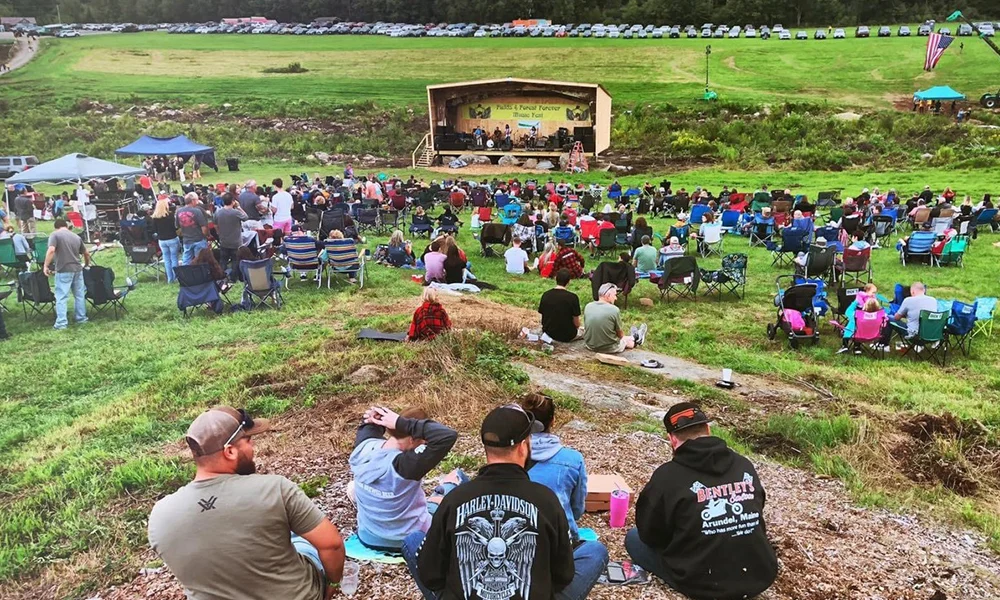
The intersection of craft brewing and live performance has evolved from a casual taproom amenity into a sophisticated business model that is reshaping the cultural fabric of American cities. Across the United States, independent breweries are increasingly moving beyond the traditional role of beverage producers to become significant stakeholders in the music industry. By investing in professional-grade sound systems, dedicated venue spaces, and high-tier talent booking, these establishments are filling a critical gap in the mid-sized venue market. This strategic shift reflects a broader trend in the hospitality sector where the "experience economy" dictates that consumer engagement must extend beyond the product itself to encompass community, atmosphere, and artistic collaboration.
The Strategic Evolution of Burial Beer Co.
In Asheville, North Carolina—a city long recognized as a hub for both craft beer and independent music—Burial Beer Co. serves as a primary example of this institutional evolution. Founded in 2013 by Doug and Jess Reiser alongside Tim Gormley, Burial was conceptualized with live performance as a core pillar of its identity. The founders’ trajectory illustrates a deliberate expansion from a local taproom to a multi-venue entertainment enterprise.
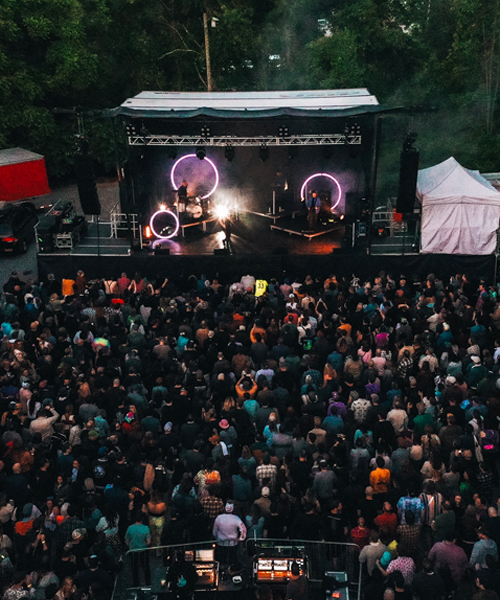
The company’s growth began in the South Slope district, where an outdoor stage initially served as the primary platform for local acts. However, the scale of their ambition became evident in 2019 with the opening of Forestry Camp. Situated on a historic property, this location provided the infrastructure for large-scale outdoor concerts with a capacity of 2,200 attendees. In 2023, the company further solidified its position in the music scene by opening Eulogy, a 400-seat dedicated concert hall located adjacent to the original brewery.
This tiered approach allows Burial to host a diverse spectrum of talent. While Eulogy focuses on underground and regional favorites such as Deep Sea Diver and This Will Destroy You, Forestry Camp has become a destination for major indie acts. The 2024 summer lineup featured prominent names including Future Islands, The Black Angels, and Washed Out. According to Doug Reiser, the goal was to ensure Asheville remained a viable stop for touring artists who might otherwise bypass the city for larger markets like Charlotte or Nashville. This initiative represents a form of cultural stewardship, providing a platform for genres ranging from bluegrass and jazz to hip-hop and heavy metal.
The Rise of the Brewery as a Cultural Third Place
The transformation of breweries into music venues aligns with the sociological concept of the "Third Place"—a social environment separate from the two usual social environments of home ("first place") and the office ("second place"). As traditional dedicated music venues face rising real estate costs and consolidation by major entertainment conglomerates, independent breweries offer a decentralized alternative for live performance.
Data from the Brewers Association indicates that as of 2023, there are over 9,700 craft breweries operating in the U.S. As the market reaches a point of high saturation, differentiation becomes essential for survival. By integrating professional live music, breweries are able to extend their operational hours, attract a broader demographic, and increase the "dwell time" of customers.
For Burial Beer, this integration is about more than just foot traffic; it is about artistic synergy. Reiser notes that collaborations with musicians often focus on the "experiential" side of the product. Unlike technical collaborations with other brewers, working with artists focuses on the emotional context of consumption—the beer as a celebration after a recording session or a ritual before taking the stage.
Innovation Through Non-Alcoholic Offerings: Three Magnets Brewing
In Olympia, Washington, Three Magnets Brewing has utilized music to pioneer a different niche: the non-alcoholic (NA) craft beer market. Olympia has a storied musical history, serving as the birthplace of the riot grrrl movement and a significant site for the development of Pacific Northwest grunge. Three Magnets co-founder Nathan Reilly has leaned into this heritage to market the brewery’s "Self Care" NA line.
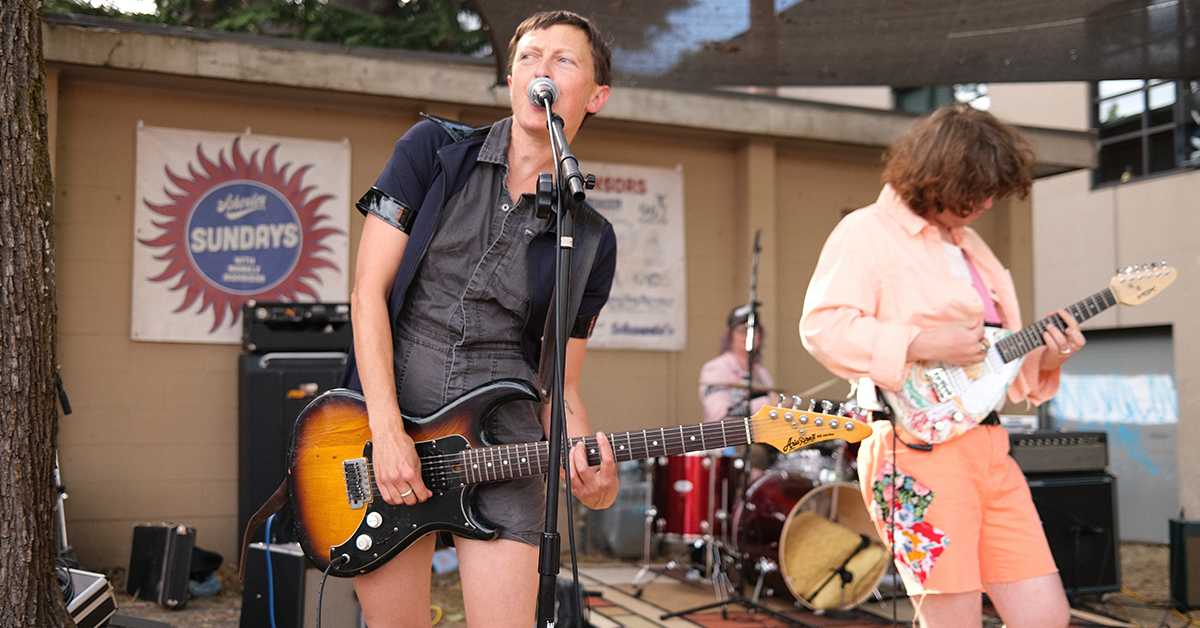
The brewery’s "Scherler Sundays" series, named after their Scherler NA lager, began in 2021 through a partnership with the local Rainy Day Records. What started as a lawn concert for folk icon Michael Hurley has grown into a summer staple featuring cult acts like Lavender Country and Swamp Dogg. To further bridge the gap between the glass and the stage, Three Magnets is set to release a "Scherler Beer" vinyl record featuring live recordings from these events.
The brewery’s commitment to the music scene is also reflected in its product packaging and charitable efforts. They recently released a 24-pack featuring the photography of Charles Peterson, whose work famously chronicled the rise of Nirvana and the Seattle scene. Additionally, they have collaborated with Ben Gibbard of Death Cab for Cutie and The Postal Service to brew NA beers benefiting SMASH Seattle, a nonprofit providing healthcare for musicians. This model demonstrates how a brewery can leverage the cultural capital of a local music scene to build a brand that resonates with a "sober curious" or health-conscious audience without sacrificing the "cool factor" associated with live rock and roll.
Agritourism and the Natural Amphitheater: Stone Cow Brewery
While urban breweries focus on club-style venues, rural breweries are leveraging land and landscape to create destination-style concert experiences. Stone Cow Brewery in Barre, Massachusetts, situated on a 1,300-acre dairy farm, represents the peak of brewery-based agritourism.
Since its inception in 2016, Stone Cow has utilized its vast property to host performances. In 2023, the owners constructed a large-scale stage within a natural amphitheater on the property, offering views of Mount Wachusett. This venue has allowed the brewery to scale its musical offerings significantly. The "Party on the Back Forty" and "Fields and Forest Forever" festivals have drawn audiences of approximately 1,000 to 2,000 people per show.
Co-owner Sean DuBois emphasizes that the brewery has become a weekend destination for residents of metropolitan Boston, located an hour away. The combination of wide-open spaces, a playground for families, and high-quality bluegrass and rock acts creates a unique competitive advantage. This model suggests that for rural breweries, music is not just entertainment but a primary driver of regional tourism.
Socio-Economic Impact and Disaster Resilience
The significance of these brewery-venues was put to a stark test in late 2024. On September 27, the remnants of Hurricane Helene caused catastrophic flooding and destruction across Western North Carolina. Asheville, home to Burial Beer, was particularly hard-hit, with the city losing potable water and experiencing significant infrastructure damage.

The disaster occurred just two weeks before Burial’s 12th annual Burnpile festival, a major beer and music event. The cancellation of the festival was a blow to the local economy, but the brewery’s role as a community hub shifted immediately to relief. Owners and staff spent the following weeks providing free meals and water to displaced residents.
The announcement that Burnpile will return on October 4, 2025—nearly a year to the day after the storm—carries immense symbolic weight for the region. Reiser indicates that the programming for the upcoming festival will likely include elements that honor the community’s resilience and the "stewards" who assisted in the recovery. This highlights a critical fact: when breweries invest in music and community infrastructure, they become more than just businesses; they become essential components of a city’s social safety net and emotional recovery.
Conclusion: The Future of the Independent Venue
The trend of breweries acting as concert venues shows no signs of slowing. As the craft beer industry matures, the focus has shifted from the novelty of the liquid to the quality of the environment in which it is served. For musicians, breweries offer a new circuit of venues that often provide better hospitality and more stable financial arrangements than traditional bars.
The success of Burial Beer Co., Three Magnets Brewing, and Stone Cow Brewery suggests that the future of independent music and independent beer are inextricably linked. By providing the "right tunes" and the "right ambiance," these breweries are ensuring their place as the modern town squares of the 21st century. The integration of science (brewing) and art (music) has created a sustainable ecosystem that supports artists, pleases consumers, and strengthens the cultural identity of the communities they serve.