admin
admin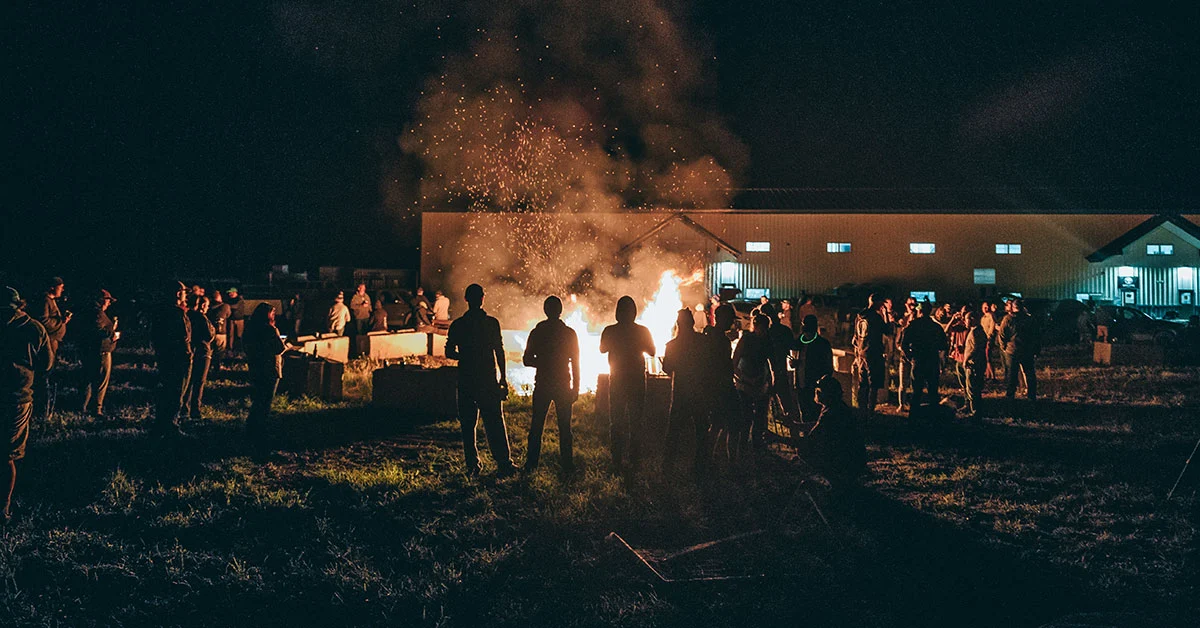
The landscape of the American craft beer industry is undergoing a significant structural shift as taproom owners move beyond the traditional "brew it and they will come" philosophy. In Mount Olive, North Carolina, a town widely recognized for its pickle production, Ryan Roberts, the owner of R&R Brewing, represents a growing cohort of entrepreneurs seeking to maximize the utility of every square foot of their property. After opening his doors in 2018, Roberts observed a recurring inefficiency: while his fenced-in yard and food truck area were designed to complement his pints, a significant portion of the local population remained outside the brewery’s interior. Facing the reality of property taxes on underutilized "dirt," Roberts sought a way to transform his land into a more valuable asset.
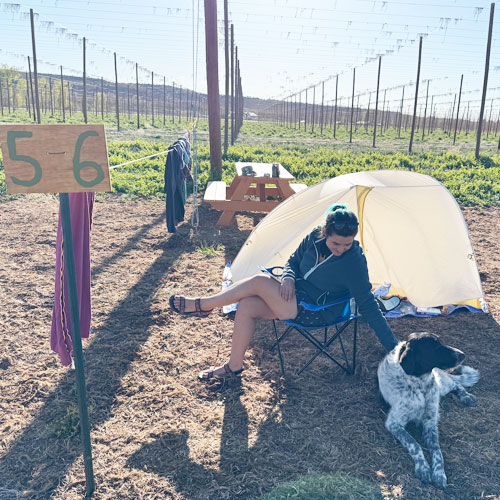
The solution arrived in the fall of 2020 through a partnership with Harvest Hosts, a membership-based program that connects self-contained RV travelers with private landowners, including farms, wineries, and breweries. By providing flat ground for overnight stays, Roberts tapped into a demographic of travelers eager to avoid the sterile environment of big-box retail parking lots. With a minimal investment of $60 for signage, R&R Brewing welcomed its first camper in December 2020. The result was an immediate increase in revenue, with visitors frequently spending upwards of $80 on beer and merchandise—a high-margin return on an otherwise dormant resource. This transition marks a broader trend in the hospitality sector where breweries are no longer just production facilities, but comprehensive travel destinations.
The Pandemic Catalyst and the Experience Economy
The surge in brewery-based camping is not an isolated phenomenon but a direct consequence of the "camping boom" that began during the COVID-19 pandemic. As international travel stalled and indoor gatherings were restricted, millions of Americans turned to the outdoors. Data from the 2023 camping report by The Dyrt, a leading camping platform, indicates that 45 percent of campers bring beer on their trips, with 37 percent specifically favoring craft beer. This overlap between outdoor enthusiasts and craft beer consumers has created a lucrative "captive audience" for breweries with available acreage.
Furthermore, the traditional camping infrastructure in the United States is currently under immense strain. National parks and state-run campgrounds have seen record-breaking attendance, making reservations increasingly difficult to secure. This scarcity has driven travelers toward private alternatives. Platforms like Hipcamp and Harvest Hosts have capitalized on this demand, allowing breweries to monetize their parking lots and back-forties. According to Kevin Long, CEO of The Dyrt, breweries offer a unique value proposition: the ability to enjoy high-quality beverages and food without the logistical concern of driving home, as their "bed" is parked just a few yards away.
Geographic Diversity and the Wild Frontier of Brewing
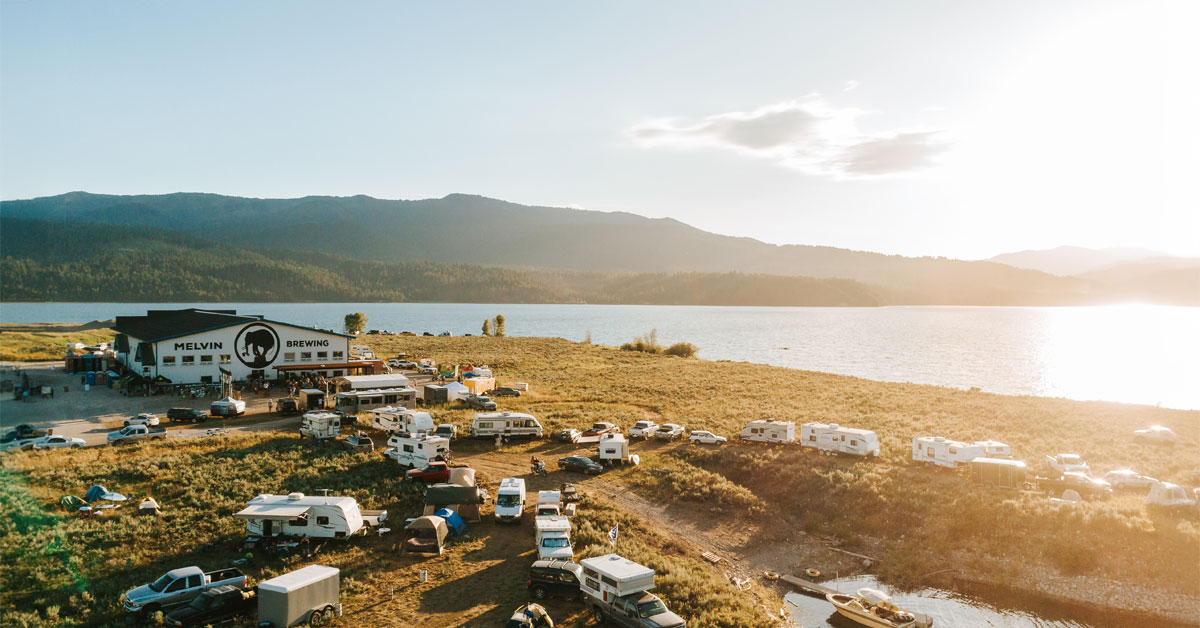
The implementation of these camping programs varies significantly based on geography and local regulations. In Alpine, Wyoming, Melvin Brewing utilizes its proximity to the Palisades Reservoir and adjacent Bureau of Land Management (BLM) property to offer a "wild" experience. Molly Reilly, Vice President of Marketing for Melvin’s parent company, Pure Madness Group, notes that the brewery provides no-frills, first-come, first-served dispersed campsites. This model appeals to a demographic seeking "dark skies" and a rugged atmosphere, where the transition from a taproom IPA to a sleeping bag is seamless.
In contrast, Golden Grove Farm & Brew in Piedmont, South Carolina, leverages its strategic location near Interstate 85. With approximately 50,000 vehicles passing the site daily, co-founder Andrew Brown has integrated camping into a larger recreational ecosystem that includes an 18-hole disc golf course on 100 acres. Golden Grove is currently expanding its infrastructure to include more powered sites, recognizing that even non-drinking campers contribute to the bottom line through merchandise sales and food purchases.
Integrating Hospitality: From Campgrounds to Taprooms
While some breweries are adding campsites to their existing footprints, other entrepreneurs are working in reverse by integrating breweries into established campgrounds. In 2023, Doug Olsen purchased Indian Lake Adventures in Huntsville, Ohio, and subsequently launched Camp Brewing within an existing building on the property. This integrated model addresses a specific consumer demand: the desire for social hubs within vacation settings.
However, the fusion of these two industries presents unique regulatory and logistical hurdles. Campgrounds and breweries operate under different licensing requirements and staffing needs. At Camp Brewing, for instance, management must navigate the complexities of "outside alcohol" policies. While campers are permitted to bring their own beverages to their specific sites, they are restricted from bringing outside drinks into the brewery’s taproom. To bridge this gap, the brewery offers to-go options such as growlers and themed pours like "Pitch a Tent Pilsner" and "Into the Woods Wheat," ensuring that the brand remains part of the camper’s experience regardless of where they are on the property.
Agricultural and Urban Adaptations
The trend is also manifesting in specialized agricultural settings. Billy Goat Hop Farm in Montrose, Colorado, recently introduced "Down at the Hopyard," a campground that allows visitors to sleep alongside the very ingredients used in their beer. This "agritourism" model serves an educational purpose, providing transparency in the supply chain. Audrey Gehlhausen, the farm’s president, emphasizes that staying at the farm helps consumers understand the labor and environment required to produce high-quality hops, creating a deeper brand loyalty.
Urban breweries, often constrained by space, are also finding ways to participate. In Colorado Springs, Mash Mechanix Brewing utilizes its paved parking lot to host Sprinter vans and smaller truck-bed campers. By reserving specific spaces for overnight stays, co-owner and head brewer Leif Anderson has turned a standard city lot into a destination with views of Pikes Peak. This urban camping model attracts tourists who might otherwise stay in hotels, broadening the brewery’s reach through word-of-mouth recommendations within the nomadic "van life" community.
Festivals and the Safety Factor
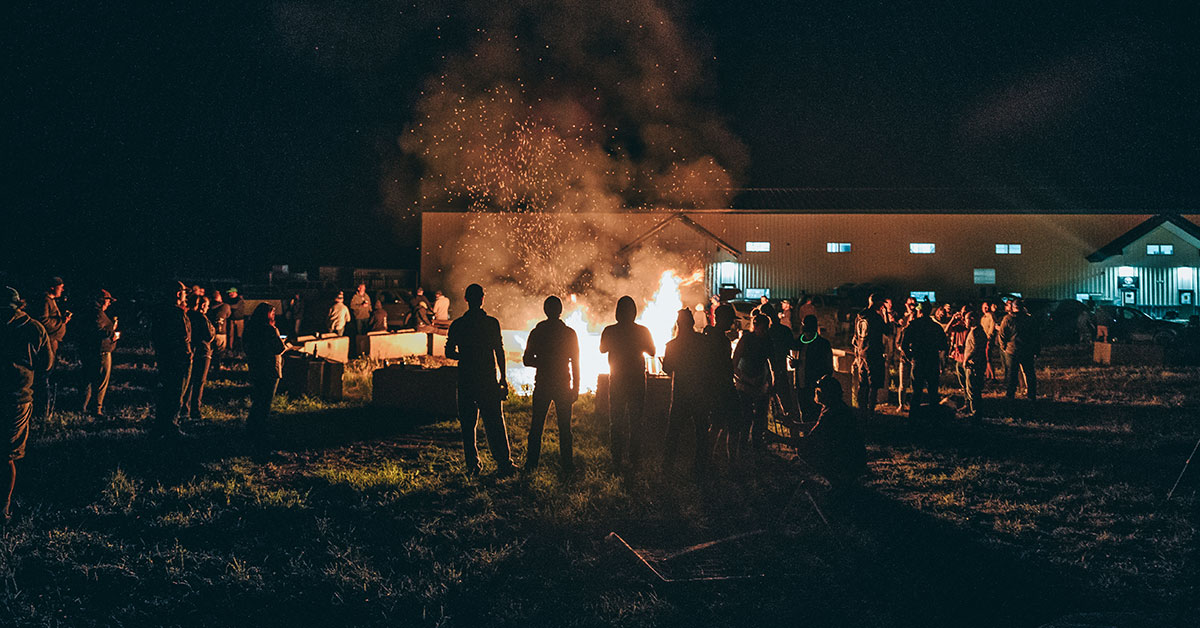
The integration of camping has also become a vital component of the beer festival circuit. Many high-profile festivals are held in rural locations where ride-sharing services are non-existent and hotel capacity is limited. By offering on-site camping, organizers can mitigate the risks associated with drinking and driving while creating an immersive, multi-day experience.
The Burning Foot Beer Festival in Muskegon, Michigan, utilizes the sandy shores of Lake Michigan to host 300 beachfront campsites. Jimmy Hegedus, the festival’s beverage director, notes that camping is a necessity in smaller towns with limited hospitality infrastructure. Similarly, Brewery Ommegang in Cooperstown, New York, has historically used its former hop farm grounds to host campers for its "Belgium Comes to Cooperstown" event. Jordan Egbert, Ommegang’s brand manager, describes these camping areas as communal hubs where "bottle shares happen and new friends are found."
However, the festival camping model is not without its risks. In a notable industry development, Brewery Ommegang recently announced the cancellation of its 2024 festival. The brewery cited lower-than-projected ticket sales and an inability to meet the high-quality standards expected by guests as the primary reasons for the decision. This serves as a cautionary tale for the industry: while the demand for "beercamping" is high, the overhead and logistical complexity of hosting large-scale overnight events require significant scale and financial stability.
The Future of Boutique Brewery Tourism
As the craft beer market matures and competition for taproom traffic intensifies, the transition toward "boutique" hospitality appears to be a viable long-term strategy. Win and Lori Mitchell of Boothbay Craft Brewery in Maine have spent two decades evolving their 10-acre property into a high-end RV park. By replacing old cabins with modern RV hook-ups and focusing on a premium culinary program—featuring local oysters and smoked brisket—they have created a destination that functions independently of the beer itself.
The success of the Boothbay model suggests that the future of brewery camping lies in the quality of the "stay" rather than just the proximity to the "pour." As Lori Mitchell notes, the best advertisement in this niche market is the endorsement of satisfied campers who share their experiences with the broader community.
Analytical Implications for the Craft Beer Industry
The move toward brewery-hosted camping represents a strategic diversification of revenue streams in an era of rising costs and shifting consumer preferences. For many small breweries, the additional income from overnight guests provides a necessary cushion against fluctuating taproom sales. Furthermore, it allows breweries to bypass the crowded distribution market by selling more product directly to the consumer at full retail price.
From a land-use perspective, this trend reflects a more sustainable approach to property management. By converting underutilized lawns and parking lots into revenue-generating assets, brewery owners can offset property taxes and improve their overall return on investment. As long as the "camping boom" continues and the demand for unique, experience-based travel remains high, the intersection of the craft beer and outdoor hospitality industries is likely to expand, redefining what it means to visit a local brewery.