admin
admin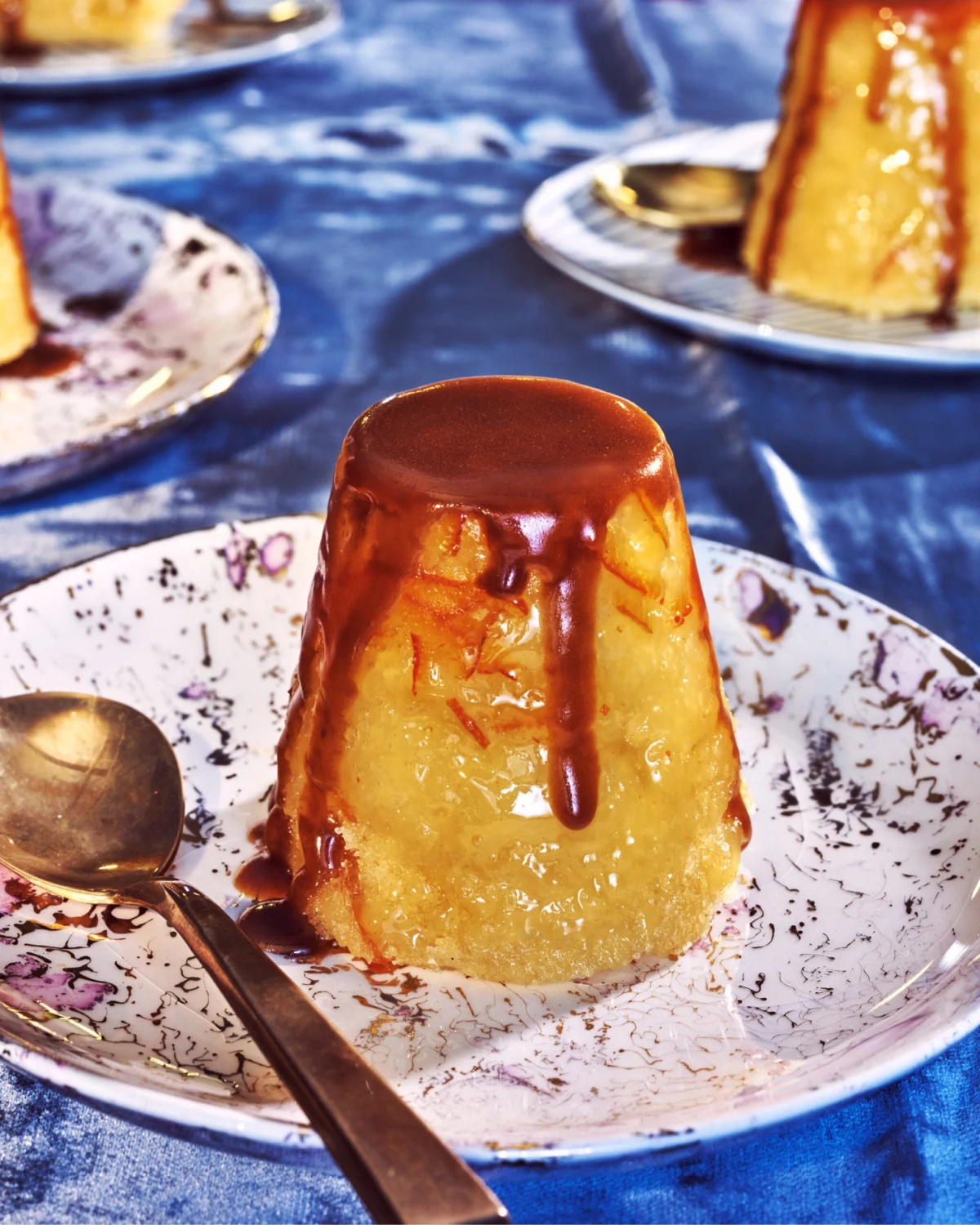
A meticulously crafted recipe for steamed marmalade puddings, complete with a luscious toffee sauce, has recently surfaced, offering home cooks a pathway to a sophisticated yet comforting dessert experience. This detailed culinary guide, broken down into six distinct steps, outlines the precise techniques required to achieve a delicate, flavorful pudding, elevated by the rich, warm embrace of a homemade toffee sauce. The instructions, likely shared through a culinary publication or platform, emphasize the importance of precise measurements, careful temperature control, and the art of gentle steaming to create a dessert that is both visually appealing and exquisitely textured.
The Art of the Steamed Pudding: A Tradition Reimagined
The preparation of steamed puddings, a venerable tradition in many culinary cultures, particularly in the United Kingdom and its former Commonwealth nations, often evokes a sense of nostalgia and hearth-and-home cooking. This particular recipe, however, elevates the humble pudding to a more refined level. By incorporating marmalade, a vibrant citrus preserve known for its bittersweet notes, and Cointreau, a classic orange liqueur, the recipe introduces layers of complex flavor that move beyond the purely sweet. The use of a stand mixer for the batter ensures a light and airy texture, a testament to modern culinary techniques applied to a traditional form.
The initial step of preparing the ramekins and the steamer is foundational to the success of any steamed dessert. Greasing the molds with butter creates a non-stick surface, ensuring the puddings release cleanly. The steamer setup, with water heated to a specific level, establishes the controlled, moist environment crucial for even cooking without drying out the delicate batter. This careful attention to detail in the initial stages sets the tone for the entire process, highlighting that even seemingly simple desserts require a methodical approach.
Layering Flavors: The Marmalade and Cointreau Infusion
The second step introduces the first layer of flavor, where half a cup of marmalade is whisked with a quarter cup of Cointreau. This potent mixture is then divided equally among the prepared molds. This infusion serves a dual purpose: it forms the base of the pudding, imbuing it with its characteristic citrusy tang and a subtle alcoholic warmth, and it also contributes to the dessert’s visual appeal as it caramelizes slightly during steaming. The choice of marmalade itself can significantly influence the final taste; a more robust, bitter-orange marmalade will yield a bolder flavor profile, while a sweeter, Seville orange variety will offer a gentler citrus note. The addition of Cointreau, with its smooth orange essence, complements the marmalade beautifully, adding a sophisticated depth that distinguishes this pudding from more rudimentary versions.
Crafting the Batter: A Symphony of Ingredients
The core of the pudding’s structure is developed in the third step, where a stand mixer becomes the primary tool. Creaming butter and caster sugar until light and fluffy is a critical technique that incorporates air into the mixture, contributing to the pudding’s ethereal texture. The slow addition of eggs, with regular scraping of the bowl and paddle, ensures a homogenous emulsion, preventing the batter from splitting. Finally, the dry ingredients – flour, baking powder, and salt – are combined with the remaining tablespoon each of marmalade and Cointreau. The instruction to beat only until just combined is paramount. Overmixing at this stage can develop the gluten in the flour excessively, resulting in a tough, dense pudding. The careful balance of wet and dry ingredients, combined with precise mixing, is what promises a tender crumb.
The choice of flour, typically all-purpose, plays a role in the final texture. Baking powder acts as the leavening agent, providing the necessary lift during steaming. The salt, though a small quantity, is crucial for enhancing the overall flavor profile, balancing the sweetness and bringing out the nuances of the citrus and liqueur. The final addition of marmalade and Cointreau to the batter ensures that the citrus and orange notes are present throughout the pudding, not just at the base.
The Gentle Art of Steaming: Patience and Precision
The fourth step focuses on the actual cooking process: steaming. Evenly dividing the batter among the molds ensures that each pudding cooks at a similar rate. Covering the tops of the molds with parchment or wax paper, secured with a rubber band, creates a protective barrier against condensation dripping into the batter, a common pitfall in steamed desserts. Transferring the covered molds to the preheated steamer and cooking for 25 to 30 minutes until "just set" is a delicate balance. Oversteaming can lead to a rubbery texture, while understeaming will result in a raw, unset center. The visual cue of "just set" implies that the puddings should be firm to the touch but still possess a slight wobble, indicating they will continue to set as they cool slightly.
The steaming process itself is a testament to slow cooking, a method that has been cherished for centuries for its ability to tenderize and meld flavors without the harshness of direct heat. This gentle cooking method is particularly well-suited for delicate batters like that of a pudding, preserving its moisture and yielding a remarkably tender result. The controlled environment of the steamer ensures that the heat is distributed evenly, promoting uniform cooking.
The Toffee Sauce: A Rich Counterpoint
While the puddings are steaming, the toffee sauce is prepared in the fifth step. This accompanying sauce provides a crucial element of richness and indulgence. The combination of cream, butter, and muscovado sugar, brought to a boil and then simmered, creates a classic toffee base. Muscovado sugar, with its higher molasses content, lends a deeper, more complex caramel flavor and a slightly darker hue to the sauce compared to granulated sugar. The instruction to cook until the sauce is "slightly thickened" indicates a balance – thick enough to coat the pudding but not so viscous that it becomes cloying. The brief simmering time suggests a delicate caramelization, preserving the fresh dairy notes of the cream and butter.
The creation of a toffee sauce is a testament to the transformative power of heat on sugar. As the sugar heats, it undergoes caramelization, a complex chemical process that breaks down sucrose into simpler sugars and creates a cascade of new flavor compounds, ranging from nutty and buttery to deeply roasted notes. The addition of cream and butter not only adds richness and a smooth texture but also halts the caramelization process at the desired point, preventing the sauce from becoming bitter.
The Grand Finale: Unmolding and Serving
The final step, step six, brings the culinary creation to its culmination. Carefully removing the puddings from the steamer and discarding the protective paper is the prelude to the reveal. Working quickly, inverting each mold onto a serving plate allows the remaining marmalade mixture to drip down, adding a final flourish of flavor and visual appeal. The instruction to serve hot, drizzled with the toffee sauce to taste, emphasizes the immediate enjoyment of this dessert. The contrast between the warm, tender pudding, the bright citrus notes, and the rich, decadent toffee sauce is the hallmark of a truly satisfying dessert.
The act of unmolding, while seemingly simple, is a moment of truth. A well-prepared pudding will release cleanly, showcasing its perfectly formed shape. The slight caramelization of the marmalade mixture at the base, often referred to as the "surprise" or "bottoming," is a delightful textural and flavor element that adds an extra layer of complexity. Serving hot ensures that the pudding’s texture is at its most tender and that the flavors are at their most vibrant, especially when paired with the still-warm toffee sauce.
Broader Implications and Culinary Trends
The detailed nature of this recipe suggests a commitment to quality and a desire to share sophisticated home-cooking techniques. In an era where convenience often reigns supreme, the resurgence of interest in traditional methods like steaming, combined with the elevation of classic flavor profiles, points to a growing appreciation for artisanal and time-honored culinary practices. The recipe’s emphasis on fresh ingredients and careful execution aligns with broader trends in food culture, which increasingly value authenticity, skill, and the sensory experience of preparing and consuming food.
The dissemination of such recipes, whether through cookbooks, online platforms, or culinary magazines, plays a vital role in preserving and evolving culinary heritage. They serve not only as instructional guides but also as cultural artifacts, reflecting changing tastes and the continuous innovation within the culinary arts. The success of this steamed marmalade pudding recipe, if widely adopted, could inspire further exploration into other traditional steamed desserts, potentially leading to new variations and reinterpretations that honor the past while embracing contemporary palates. The ability to create such an exquisite dessert from scratch, using fundamental techniques, offers a rewarding experience for any home cook looking to impress or simply to indulge in a moment of refined culinary pleasure.