admin
admin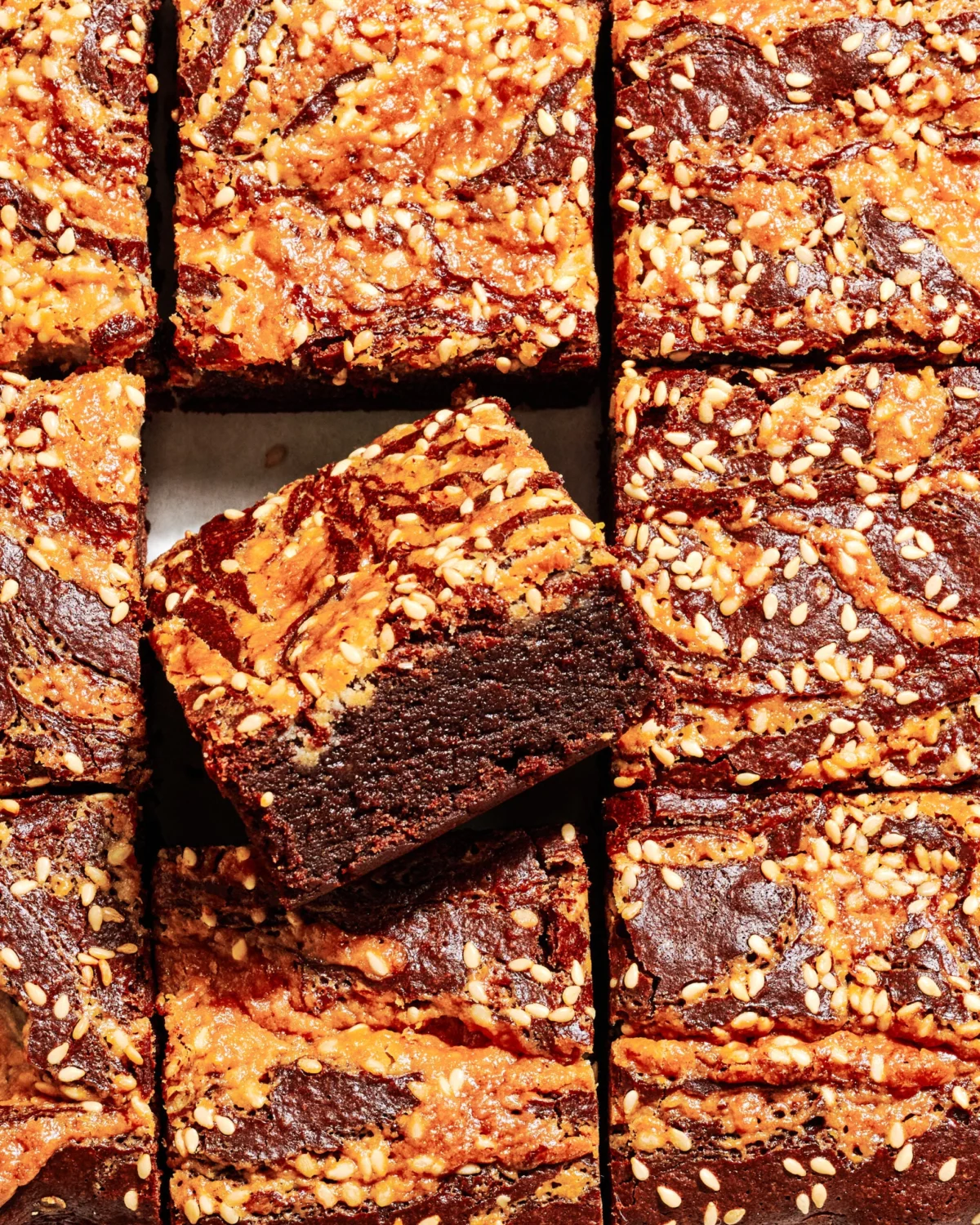
The culinary landscape is continuously evolving, with home bakers and professional chefs alike seeking innovative flavor combinations that push the boundaries of traditional desserts. In this pursuit of elevated taste experiences, a new recipe for Halva Swirl Brownies has emerged, captivating the attention of food enthusiasts and promising a sophisticated twist on a beloved classic. This innovative confection, which integrates the rich, nutty notes of halva with the deep cocoa flavors of a classic brownie, represents a significant development in contemporary dessert artistry, blending Middle Eastern inspired ingredients with the universally popular chocolate base.
The Genesis of a Culinary Fusion
The emergence of this Halva Swirl Brownie recipe is not an isolated event but rather a reflection of a broader trend in the food industry: the increasing popularity of fusion cuisine and the exploration of global flavors. Over the past decade, there has been a marked increase in the adoption of ingredients and techniques from diverse culinary traditions into mainstream Western cooking. This phenomenon is driven by several factors, including increased global travel, the accessibility of international ingredients in local markets, and the influence of social media platforms that showcase a vast array of global food trends.
Halva, a confection with ancient roots, traditionally made from tahini (sesame paste) and sugar or honey, has seen a resurgence in popularity. Its unique texture, ranging from crumbly to dense and chewy, and its complex, slightly bitter and sweet flavor profile, make it an intriguing ingredient for incorporation into familiar desserts. The pairing of tahini, a staple in many Middle Eastern and Mediterranean diets, with chocolate, a global favorite, creates a synergistic flavor profile that is both comforting and exotic.
Unpacking the Halva Swirl Brownie Recipe
The Halva Swirl Brownie recipe, as detailed, outlines a meticulous process designed to achieve a balanced and deeply flavorful dessert. The preparation can be broadly categorized into two main components: the brownie batter and the halva swirl.
Crafting the Decadent Brownie Base
The foundation of this dessert lies in a meticulously prepared brownie batter. The recipe specifies preheating the oven to 350°F (175°C) and preparing an 8-inch square pan with parchment paper, a standard practice to ensure even baking and easy removal.
The initial step in creating the brownie batter involves a bain-marie technique. Two inches of water are brought to a simmer in a medium pot. A heatproof bowl is then placed over this simmering water, containing chocolate and butter. This gentle heating method is crucial for achieving a smooth, homogenous chocolate mixture without scorching the delicate chocolate. The process takes approximately 5 to 6 minutes, during which the chocolate and butter are stirred frequently until fully melted and integrated.
Following the melting of the chocolate and butter, cocoa powder and tahini are whisked into the warm mixture. This addition enhances the chocolate depth and introduces the characteristic nutty undertones of tahini, foreshadowing the prominent role of sesame in the final product. The introduction of both sugars, followed by the gradual incorporation of eggs, one at a time, is a classic brownie technique designed to develop a thick, glossy batter. This stage is critical for achieving the desired fudgy texture and rich flavor. The recipe further calls for the addition of vanilla extract for aromatic complexity.
The dry ingredients, comprising flour, instant coffee granules, ground cardamom, and fine salt, are then folded in until just combined. The inclusion of coffee is a common but effective enhancer of chocolate flavor, deepening its intensity without imparting a coffee taste. Cardamom, a spice with warm, aromatic notes, adds a subtle layer of complexity and a touch of exoticism, aligning with the halva component. The fine salt balances the sweetness and amplifies the overall flavor profile.
The Art of the Halva Swirl
The second integral component of the recipe is the halva swirl. This element is described as a mixture of halva, milk, and tahini, stirred together until it achieves a slightly crumbly texture, likened to cottage cheese. This consistency is crucial for its ability to be swirled into the brownie batter effectively, creating distinct pockets of halva flavor and texture without fully integrating. The milk acts as a binder and helps to loosen the halva, while the additional tahini reinforces the nutty sesame notes.
Assembling and Baking the Masterpiece
The final stage involves the assembly and baking of the brownies. The prepared brownie batter is scraped into the lined pan. The halva mixture is then spooned over the top of the batter. A knife is used to gently swirl the halva mixture into the brownie batter, creating an aesthetically pleasing marbled effect. This visual element not only enhances the presentation but also ensures that pockets of halva are distributed throughout the brownie.
The brownies are then sprinkled with sesame seeds and a pinch of flaky salt. The sesame seeds offer a textural contrast and echo the tahini in the brownie and swirl, while the flaky salt provides bursts of savory flavor that cut through the sweetness. Baking for 35 to 40 minutes, or until a toothpick inserted into the center comes out clean, is the final step before the cooling process. The cooling period of approximately two hours is essential for the brownies to set properly, ensuring a clean slice and optimal texture.
Expert Perspectives and Industry Trends
The Halva Swirl Brownie recipe aligns with broader trends observed by culinary experts. Sarah Chen, a renowned pastry chef and author of "Global Dessert Innovations," notes, "The fusion of Middle Eastern flavors with Western baked goods is no longer a niche trend; it’s becoming a mainstream culinary language. Ingredients like tahini, rosewater, and pistachios are finding their way into everything from cookies to cakes, offering consumers a familiar yet exciting taste experience."
Data from market research firms also supports this observation. A recent report by Global Food Analytics indicated a 25% year-over-year increase in consumer interest in desserts featuring "global flavors" or "ethnic inspirations." This surge in demand has prompted many bakeries and dessert manufacturers to experiment with new flavor profiles. The Halva Swirl Brownie can be seen as a direct response to this consumer appetite for novel yet accessible gourmet treats.
Potential Implications and Future Developments
The popularity and accessibility of recipes like the Halva Swirl Brownie have several implications for the baking industry and consumer palates.
Firstly, it democratizes sophisticated flavor profiles. By providing clear, step-by-step instructions, home bakers can now recreate complex and nuanced desserts that were once the exclusive domain of professional kitchens. This fosters culinary exploration and experimentation within households.
Secondly, it can influence the commercial bakery sector. As home bakers master these fusion recipes, commercial bakeries are likely to face increased demand for similar offerings. This could lead to a wider variety of specialty brownies and baked goods on the market, catering to a more adventurous consumer base.
Thirdly, it contributes to the ongoing globalization of food. As more people experiment with and enjoy ingredients like halva and cardamom, there is a greater appreciation for the culinary traditions from which they originate. This can lead to increased cultural exchange and understanding through the shared experience of food.
The success of this recipe may also inspire further innovation. We could see variations emerge, incorporating different types of halva (e.g., pistachio halva, chocolate halva), or combining it with other global flavor elements like matcha, saffron, or even a hint of chili for a sweet and spicy profile. The potential for creative exploration with this dessert format is significant.
In conclusion, the Halva Swirl Brownie is more than just a recipe; it represents a culinary movement that embraces global flavors and sophisticated taste profiles. It exemplifies how traditional ingredients can be reimagined and integrated into beloved classics, offering a delightful and educational experience for bakers and eaters alike. As this trend continues to grow, we can anticipate a future filled with even more innovative and delicious dessert creations that bridge cultural divides and delight the senses. The journey of the humble brownie, now infused with the rich heritage of halva, is a testament to the dynamic and ever-evolving world of food.