admin
admin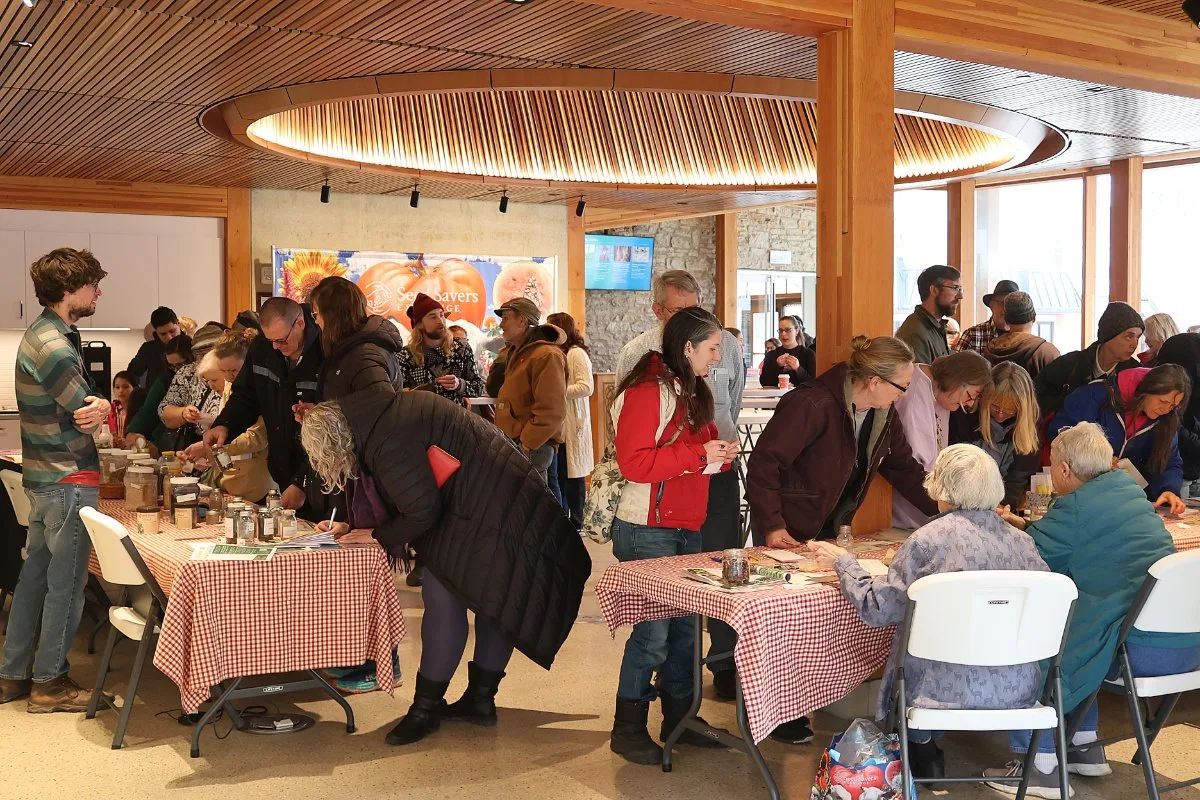
As the morning progressed, the quiet anticipation of the organizers was met with a steady influx of attendees. Farmers, eager young children, seasoned plant enthusiasts, and novice community gardeners tromped in, shaking snow from their boots, their faces alight with excitement. They fanned out across the room, not just to browse the curated collection but to contribute their own treasures: spiky marigold seeds, glossy multi-colored flint corn, flat squash seeds, and tiny round broccoli seeds, each addition enriching the collective genetic pool. The air buzzed with conversation, sharing of stories, recipes, and invaluable growing tips, underscoring the event’s dual purpose as both an exchange of biological material and a vibrant social gathering.
The Urgent Imperative: Protecting Agricultural Biodiversity
This burgeoning movement of seed and plant swaps stands as a crucial bulwark against a concerning trend in modern agriculture: the precipitous decline in seed diversity. In an era dominated by industrial farming practices, where most home gardeners and commercial farmers alike cultivate a limited palette of uniform hybrid varieties, the genetic resilience of our food systems has been significantly eroded. Historical data paints a stark picture: some estimates suggest that the United States alone experienced a staggering 93 percent loss of its seed diversity between 1903 and 1983. This alarming reduction is largely attributed to the industrial agricultural model, which prioritizes homogeneity, yield consistency, and patentability over genetic robustness and regional adaptation.
Hybrid varieties, often labeled F1 hybrids, are the first-generation cross from two distinct parent lines. While they can offer desirable traits like increased vigor or disease resistance in the initial planting, their offspring in subsequent generations do not consistently produce "true to type." This necessitates farmers and gardeners to repurchase seeds annually, creating a dependency on seed companies. In contrast, open-pollinated seeds, which are naturally pollinated by insects, birds, humans, or wind, are genetically stable. They consistently produce offspring that closely resemble the parent plant, making them ideal for seed saving and adaptation to local conditions over time. Heirloom seeds are a subset of open-pollinated varieties, distinguished by their history of being passed down through generations, often carrying with them rich cultural narratives and deep regional connections. Their preservation is not merely about genetic material but about safeguarding agricultural heritage and culinary traditions.

Pioneers in Preservation: Catalyzing the Seed Saving Movement
The Decorah event, like hundreds of others across the United States each winter and spring, is part of a larger, coordinated effort championed by organizations like Seed Savers Exchange. Founded in 1975, Seed Savers Exchange is a non-profit dedicated to preserving heirloom seeds, plants, and their associated stories, maintaining a vast collection at their Heritage Farm in Decorah. Natalie Aird and Josie Flatgard’s involvement highlights the organization’s commitment to decentralizing seed preservation, empowering individuals to become active participants rather than passive consumers. Their free events serve as conduits for sharing Seed Savers’ extensive collection and knowledge, while also providing a platform for community members to exchange their own cultivated varieties.
Another pivotal organization in this movement is Southern Exposure Seed Exchange, a worker-run cooperative committed to promoting seed saving and preserving open-pollinated varieties specifically adapted to the unique climatic challenges of the Southeast. Ira Wallace, affectionately known as "the godmother of Southern seeds" and a prominent member of Southern Exposure Seed Exchange, articulates the profound significance of these gatherings. "Seed swaps are one of the activities that pulls people back into maintaining seeds themselves and not having all the controls be by big multinational companies offering a more limited range of what type of seeds and food is available to you," Wallace states, underscoring the movement’s role in fostering food sovereignty and agricultural independence. Her perspective highlights the systemic implications of industrial seed control and the empowering alternative offered by community-led seed saving.
The stories embedded within heirloom seeds illustrate their irreplaceable value. Consider "Angelica’s Little Diablo" pepper, an open-pollinated variety with a vibrant history. Angelica and her mother brought these spicy pepper seeds to the United States in the 1970s from Oaxaca, Mexico, where their family had cultivated them for over a century. A testament to the power of sharing, Angelica later entrusted these seeds to gardener Norma Ortiz, who, in turn, donated them to the Seed Savers Exchange around 2020. Since then, "Angelica’s Little Diablo" has proliferated in home gardens across the country, a living legacy connecting past and present. Similarly, Southern Exposure’s flagship tomato, ‘Radiator Charlie’s Mortgage Lifter,’ embodies resilience and ingenuity. M.C. Byles, known as Radiator Charlie, famously bred this robust tomato variety in the 1930s and sold seedlings in the 1940s, earning enough to pay off his mortgage during a challenging economic period. These narratives transform seeds from mere biological entities into cultural artifacts, carrying generations of human experience, adaptation, and hope.
Cultivating Community: More Than Just Seeds

Beyond the vital act of genetic preservation, seed and plant swaps are powerful engines for community building and education. They are intentionally inclusive, often requiring no prior contribution from participants, making them an ideal entry point for gardening novices and budding seed savers. Aird and Flatgard emphasize the importance of having readily available, popular, and easy-to-save crops like beans, tomatoes, cucumbers, squash, and radishes for beginners. They recount a memorable instance where a young family, new to seed-saving, excitedly selected drought-tolerant cowpeas, among other varieties, to cultivate at home. This initial engagement often sparks a lifelong passion, as evidenced by the "full-circle moment" Flatgard describes: "Lo and behold, we saw them again in August when we had another swap. They had grown the cowpeas, saved the seeds, and brought them to share with other gardeners. It was a full-circle moment. This is the whole point of us sharing the seeds: So people can grow them out, enjoy them, and then bring the extras to share.” This anecdote perfectly encapsulates the self-perpetuating nature of seed saving and community sharing.
The educational component of these events is equally significant. Wallace encourages organizers to include an introductory presentation on seed saving basics, emphasizing its role in fostering personal independence and preserving family heirlooms. These sessions demystify the process, empowering individuals with the knowledge to maintain their own seed stock. The palpable enthusiasm, particularly among younger attendees, is a testament to the engaging nature of these events. "It’s so cool to see people nerd out about seeds," Aird observes, adding, "The little kiddos were so excited to be involved." This intergenerational transfer of knowledge and passion is crucial for the long-term sustainability of the seed-saving movement.
A Blueprint for Local Action: Organizing a Successful Swap
While organizations like Seed Savers Exchange and Southern Exposure Seed Exchange boast extensive experience and vast collections, they firmly believe that anyone can successfully organize a swap within their community. The process, while requiring careful planning, is fundamentally about fostering connections and mobilizing local resources.
Gathering Resources: The first step involves reaching out to local seed companies, established seed-saving groups, or gardening associations in the fall or early winter. These groups often have surplus seeds and can provide invaluable expertise, sometimes even sending a speaker to deliver a foundational presentation on seed saving techniques. To ensure an ample supply of diverse seeds and plants, organizers are encouraged to solicit donations from small seed companies or local nurseries. Community garden programs can also be excellent partners, often having excess seeds or plants to contribute. Any surplus seeds remaining after a swap, Wallace recommends, should be donated to community gardens or local sustainable agriculture nonprofits, ensuring they continue to benefit the wider community.

Finding the Site: Securing an appropriate venue is critical. While larger organizations like Seed Savers utilize spaces such as the Vesterheim Museum or their own Heritage Farm, smaller community swaps can leverage local institutions. Libraries, churches, farmers’ markets, food co-ops, master gardener groups, and community gardens are often willing to provide space and collaborate. Partnerships, such as Seed Savers Exchange’s collaboration with PBS Wisconsin for a swap in Madison, demonstrate the power of inter-organizational cooperation in reaching broader audiences. Furthermore, a wealth of resources, including comprehensive guides and books like Suzanne Ashworth’s Seed to Seed and Josie Jeffery’s Seedswap: The Gardener’s Guide to Saving and Swapping Seeds, offer detailed instructions for organizing and executing successful events.
Setting and Sharing Guidelines: Clear guidelines are paramount for a well-organized and safe swap. While the format can vary—from informal table displays to more structured exchanges where participants engage directly with their contributions—transparency about expectations is key. Seed Savers Exchange, for instance, encourages participants to bring open-pollinated seeds, locally saved seeds, excess purchased seeds, and donated surplus seeds. Conversely, they explicitly prohibit genetically engineered plants, F1 hybrids (due to their inconsistent offspring), poisonous or noxious plants (like invasive species such as kudzu or purple loosestrife), patented seeds, or unknown seeds from volunteer plants. These prohibitions are vital for maintaining the genetic integrity of the swap’s offerings and preventing the spread of undesirable or harmful species. Organizers should clearly communicate these rules through promotional materials and reiterate them upon participants’ arrival. Providing extra labeling supplies and examples of well-labeled seeds and plants is also a practical suggestion, ensuring that all contributions are properly identified. For most varieties, approximately 25 seeds per packet is a recommended quantity, with labels detailing the variety name, growing date, grower’s information, location, and any additional relevant tips.
Promoting and Hosting the Event: Timing and promotion are crucial for maximizing participation. Winter swaps are ideal for trading seeds that require an early start, such as peppers and tomatoes, allowing gardeners ample time for indoor germination. Spring swaps, conversely, are better suited for exchanging plants that can be transplanted immediately. Promoting the event at least a month in advance is advisable, leveraging community partners’ social media networks, local Facebook groups, and gardening forums. Old-fashioned flyers remain effective, posted at food co-ops, health food stores, libraries, and community bulletin boards.
On the day of the swap, thoughtful space arrangement enhances the experience. If an educational presentation is planned, dedicate a comfortable area for it, while allowing other participants to move freely among the seed and plant tables. Incorporating snacks and drinks, perhaps even a potluck-style spread, fosters a relaxed atmosphere and encourages social connection, transforming the swap into a genuine community gathering.
Broader Implications: Food Security, Climate Resilience, and Economic Empowerment

The proliferation of seed and plant swaps carries profound implications beyond the immediate exchange of genetic material. At a macro level, these events are integral to strengthening local food security. By preserving and sharing regionally adapted, open-pollinated varieties, communities build a resilient food system less reliant on a globalized supply chain vulnerable to disruptions. This localized approach enhances self-sufficiency and ensures access to diverse, often more nutritious, food options.
Furthermore, seed saving is a critical strategy for climate change adaptation. As environmental conditions shift, locally adapted heirloom seeds possess a genetic memory, honed over generations, that allows them to better withstand regional stresses like drought, pests, or disease. Maintaining a broad genetic diversity within our food crops is akin to having a diverse portfolio: it buffers against unforeseen challenges and provides the raw material for future plant breeding efforts. The loss of diversity makes our agricultural systems more fragile and susceptible to widespread crop failures.
Economically, seed saving fosters a degree of independence for gardeners and small farmers. By not having to purchase seeds annually, individuals reduce input costs, contributing to local economic vitality. This decentralized model also promotes knowledge sharing, reducing reliance on commercial agricultural advice and fostering a collective expertise within communities. Culturally, these swaps are custodians of heritage. Each heirloom seed carries a story, a flavor profile, and a history that connects people to their ancestors and to the land. Preserving these seeds is an act of cultural preservation, ensuring that the rich tapestry of human agricultural ingenuity continues to thrive.
Staying Connected: The Enduring Legacy
Organizing a single seed swap is a commendable start, but sustained effort is key to building a thriving plant community. Establishing an annual, predictable event fosters trust and encourages participants to actively save seeds throughout the year, knowing they will have a platform to share their bounty. The full-circle story of the family and their cowpeas is not an isolated incident but a recurring testament to the power of these gatherings. It illustrates how a simple exchange can ignite a passion for gardening, empower individuals to become stewards of biodiversity, and ultimately strengthen the fabric of a community, one seed at a time. The movement of seed and plant swaps is a quiet revolution, sowing the seeds of resilience, connection, and a more diverse, sustainable future for all.