admin
admin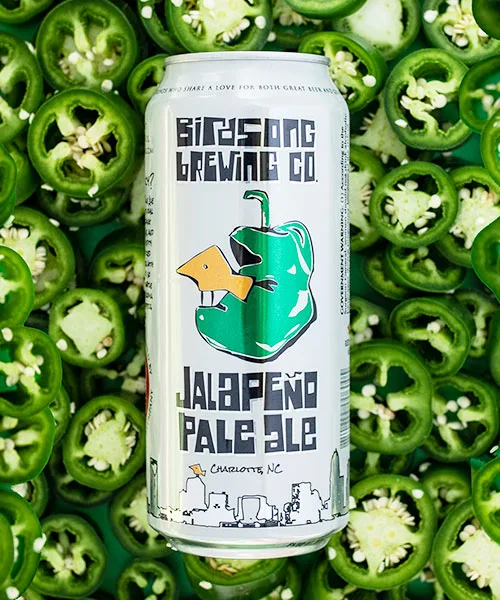
The contemporary craft beer landscape is witnessing a sophisticated shift toward sensory maximalism, characterized by the rise of chili-infused ales and lagers that challenge traditional notions of palate refreshment. While beer has historically been utilized as a cooling agent to mitigate the heat of spicy cuisines, a growing segment of American craft brewers is intentionally incorporating capsaicin-heavy ingredients to create a "bite-back" effect. This movement represents a departure from the dominance of hazy India Pale Ales (IPAs) and acidic sours, positioning spicy beers as a radical alternative that prioritizes balance, restraint, and culinary complexity. The integration of fresh chiles, habanero powders, and smoked peppers into brewing recipes is no longer viewed as a mere marketing gimmick but as a technical demonstration of a brewer’s ability to manage volatile flavor profiles.
Historical Context and the Chemistry of Spice in Brewing
The relationship between beer and spice is rooted in both chemistry and cultural tradition. Historically, "spiced beers" have existed for decades, often associated with holiday seasonal releases featuring cinnamon, nutmeg, or cloves. However, the "spicy beer" category—defined by the heat of the Capsicum genus—began gaining significant traction in the early 2010s. This coincided with the broader American "chili-head" culture and the popularity of extreme-heat challenges in mainstream media.
From a chemical perspective, the consumption of spicy beer presents a unique physiological experience. Capsaicin, the active component of chili peppers, is a hydrophobic molecule that is more soluble in fats and alcohols than in water. While the carbonation and cold temperature of a standard lager provide temporary relief to the tongue’s vanilloid receptors, the alcohol content in beer can actually act as a solvent for capsaicin, occasionally amplifying the perceived burn. Brewers of chili beer must therefore navigate a narrow corridor: utilizing the effervescence of the beer to scrub the palate while ensuring the heat enhances rather than obliterates the base malt and hop profiles.
Case Studies in Technical Execution: Grimm Artisanal Ales and Birdsong Brewing
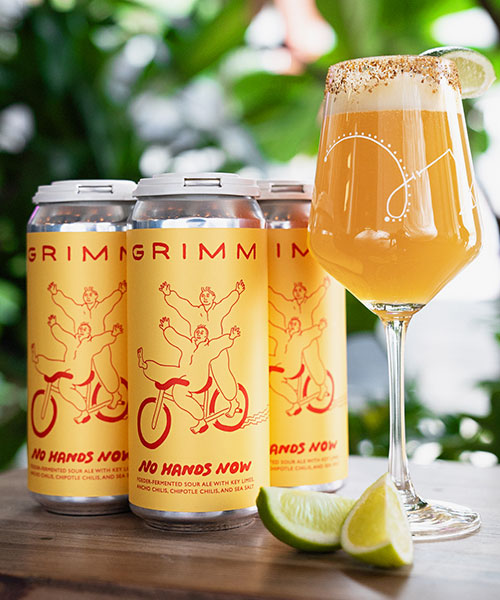
In Brooklyn, New York, Grimm Artisanal Ales has demonstrated the technical potential of the category with their "No Hands Now" release. Founded in 2013 by Lauren and Joe Grimm, the brewery initially operated as a nomadic "gypsy" brand before establishing a permanent facility. Their approach to spicy beer involves a complex fermentation process in oak foeders—large wooden vats that house resident microflora. This environment imparts a foundational tartness and complexity that serves as a backdrop for additions of chipotle chiles, lime, and sea salt.
The production of "No Hands Now" illustrates a meticulous layering of flavors. The beer undergoes a dry-hopping phase with Motueka hops, which are known for their lime-like citrus notes, reinforcing the acidity of the added lime juice. The result is a low-ABV sour ale that functions as a sophisticated interpretation of a Michelada. The inclusion of chipotle provides a smoky, cedar-like aroma that complements the woody notes of the foeder, proving that heat can be a secondary component to aromatic depth.
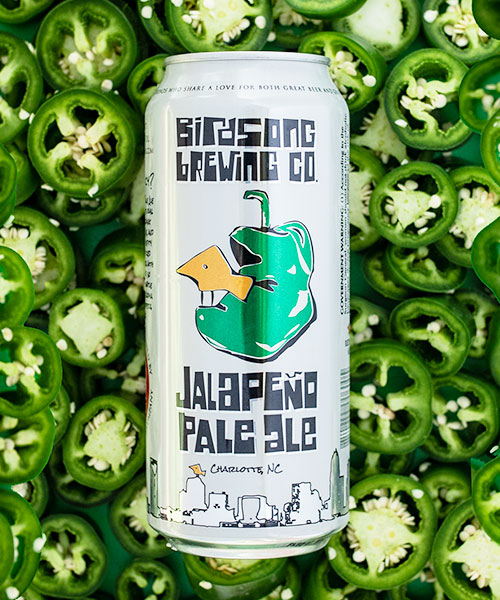
Similarly, Birdsong Brewing Co. in Charlotte, North Carolina, has scaled the production of its Jalapeño Pale Ale since its inception in 2010. Founders Tara and Chris Goulet identified that the malty backbone of an American Pale Ale (APA) provided a more stable platform for jalapeño heat than the high-bitterness profile of an IPA. The brewery’s commitment to fresh ingredients is significant; in 2024 alone, Birdsong processed 400 pounds of locally grown North Carolina jalapeños.
The technical challenge for Birdsong was not merely the volume of peppers but the "contact time"—the duration the peppers remain in the liquid. By removing the seeds of the jalapeños, the brewery manages to capture the vegetal, crisp aroma of the pepper while maintaining a mild heat level. This focus on "aroma-first" chili brewing has allowed the product to move from a taproom experiment to a flagship production-scale beer.
Regional Variations and the Influence of Agricultural Heritage
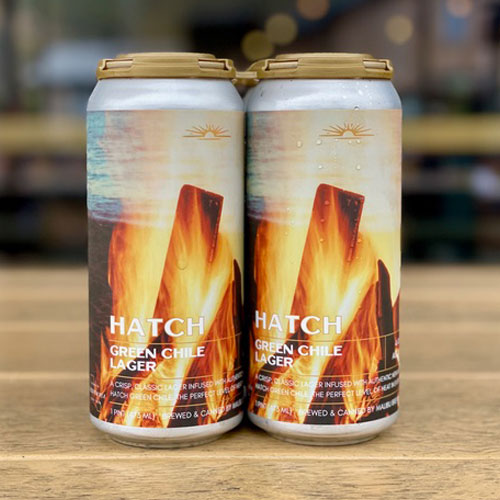
The regionality of chili beers often reflects local agricultural staples. In Malibu, California, Malibu Brewing Company has leveraged the cultural and culinary significance of the Hatch green chile, a crop native to the Mesilla Valley in New Mexico. The "Hatch Chile Lager" began as a personal project for CEO Ryan Ahrens but eventually evolved into a gold-medal winner at the Brewers Cup of California.
The brewing process for the Hatch Chile Lager utilizes a Mexican-style lager base, providing a clean, crisp canvas. The use of freshly roasted and peeled Hatch chiles introduces a savory, earthier heat compared to the bright, sharp sting of a jalapeño or the fruitiness of a habanero. This specific use of roasted peppers highlights a trend toward "culinary brewing," where the beer is designed to mimic the flavor profiles of specific regional dishes, such as Tex-Mex or New Mexican cuisine.
The Scaling of Heat: From Habaneros to Global Competitions
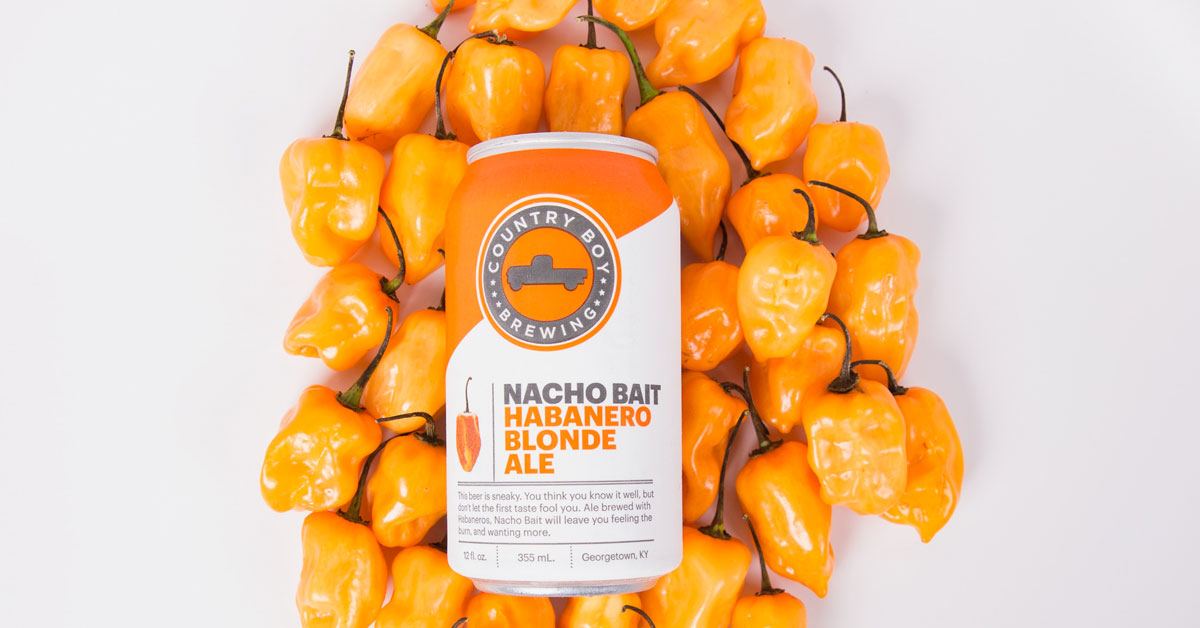
As the market for spicy beers has matured, some breweries have opted for higher-intensity peppers to cater to a niche audience of heat enthusiasts. Country Boy Brewing in Lexington, Kentucky, produces "Nacho Bait," a habanero-infused blonde ale. The brewery, which operates the largest production facility in Kentucky, uses its "Cougar Bait" blonde ale as the base.
The production of Nacho Bait involves the use of 10 pounds of habaneros per 10-barrel batch. The brewery notes a seasonal variance in heat levels; homegrown summer peppers typically possess a higher Scoville rating than store-bought winter varieties. To balance the intense serrano and habanero heat, the brewery relies on the natural fruity esters of the yeast and the stone-fruit notes of the peppers themselves, creating a "slow burn" effect that lingers on the back of the throat.
The extreme end of this spectrum is represented by "challenge beers." Establishments like Maltese Brewing Co. in Virginia and Burning Barrel Brewing Co. in California have released beers featuring the Carolina Reaper—one of the hottest peppers in the world. These products, such as the "Signal One Challenge," are often accompanied by waivers and are designed more as endurance tests than sessionable beverages. This "Hot Ones" influence on the brewing industry underscores the role of beer as a medium for extreme sensory experiences.
Corporate Integration and Market Longevity
The longevity of the spicy beer trend is perhaps best exemplified by Bell’s Brewery in Michigan. Their "Mango Habanero Oberon," a variant of their iconic wheat ale, has achieved what PR managers describe as "cult status." Despite the 2021 acquisition of Bell’s by Lion (a subsidiary of Kirin), the brewery has maintained the production of this small-batch favorite. The use of mango puree provides a floral, sweet counterpoint to habanero powder, aligning with the "sweet-heat" trend that has dominated the American snack and condiment markets for the past decade.
Data and Market Analysis: The Growth of the Chili Beer Category
According to data from the Brewers Association, the "Chili Beer" category in professional competitions has seen consistent entry numbers, distinct from the broader "Herb and Spice Beer" category. This distinction is vital for market analysis; while spiced beers (like pumpkin ales) are seasonal and often sweet, chili beers are increasingly year-round offerings that skew savory.
Market implications of this trend include:
- Culinary Partnerships: Breweries are increasingly marketing spicy beers alongside specific food pairings, such as seafood boils, Korean fried chicken, and Nashville hot chicken, expanding the beer’s utility in the gastropub sector.
- Agricultural Synergy: The demand for fresh, locally sourced peppers (as seen with Birdsong and Malibu Brewing) creates new revenue streams for local farms and emphasizes the "farm-to-glass" movement.
- Diversification of the Palate: As consumers experience "IPA fatigue," the savory and spicy profile of chili beers offers a palate-cleansing alternative that encourages repeat experimentation.
Broader Impact on the Craft Brewing Industry
The rise of spicy beer signifies a broader maturation of the craft brewing industry. It represents a shift from "brewing for bitterness" to "brewing for complexity." The success of these beers relies on the brewer’s ability to act as a chef, balancing acidity, sweetness, salt, and heat.
Furthermore, the integration of chili beers into mainstream taprooms reflects a more adventurous American palate. As international cuisines continue to influence domestic dining habits, the demand for beverages that can stand up to—and enhance—bold flavors will likely increase. Whether through the smoky restraint of a chipotle-infused sour or the aggressive heat of a habanero blonde, spicy beers have carved out a permanent, if fiery, niche in the American craft beer portfolio.
The Brewers Association continues to support these innovations through its dedication to small and independent breweries, ensuring that even as the industry faces consolidation, the "radical" and "unpredictable" nature of beers like these remains a hallmark of American craft. For the consumer, the availability of these brews means that the next "ice-cold pint" might just be the hottest thing on the menu.