admin
admin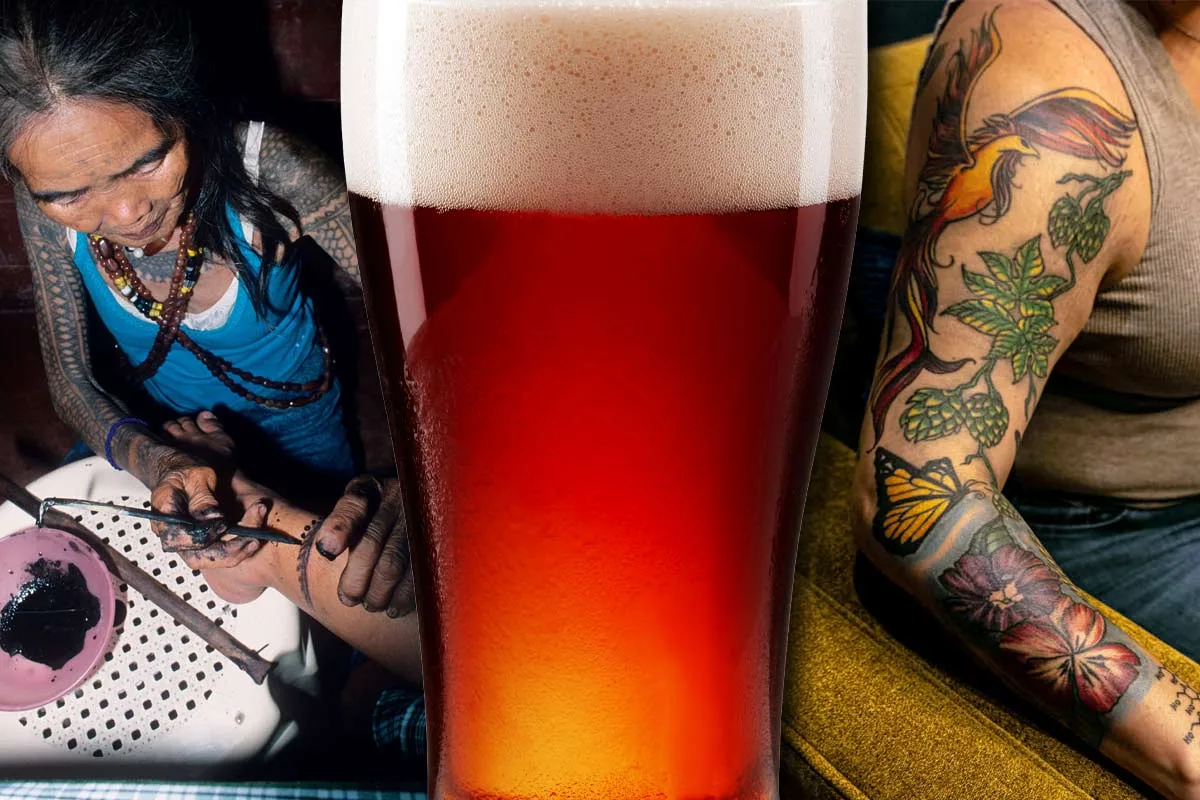
In the diverse tapestry of human heritage, two ancient practices—tattooing and fermentation—have emerged as unexpected mirrors of one another, serving as profound vehicles for cultural transformation and the preservation of ancestral identity. While seemingly disparate, these crafts share a foundational kinship rooted in the manipulation of raw materials through time, ritual, and a deep-seated relationship with the land. From the hearths of northern Japan to the highlands of the Philippines and the savannas of Guyana, the inscription of ink upon skin and the brewing of ceremonial beverages function as technologies of continuity, allowing communities to remain in active conversation with their ancestors and their environments.
The Ritual Foundation of Transformation
The intersection of tattooing and fermentation is not merely a matter of historical coincidence but is grounded in a shared grammar of transformation. Both processes involve a transition from a raw state to a refined, culturally significant form. In tattooing, the human body is transformed into a living record of genealogy and social standing. In fermentation, organic matter—be it rice, cassava, or taro—is transformed into a substance that nourishes, intoxicates, and facilitates communal bonding.
In indigenous epistemologies, these practices are often overseen by the same spiritual entities or governed by similar ethical frameworks. They represent a "becoming," where the practitioner acts as a conduit for change, utilizing embodied knowledge passed down through generations. This synergy is most visible in cultures where the domestic sphere and the spiritual realm overlap, specifically around the central hearth of the home.
The Ainu of Northern Japan: The Hearth as a Cosmological Center
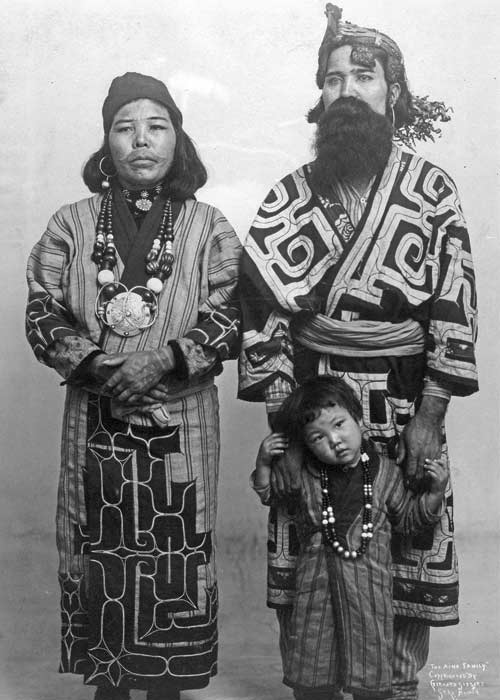
For the Ainu, the Indigenous people of Hokkaido, Sakhalin, and the Kuril Islands, the hearth serves as the physical and spiritual anchor of the community. Historical records indicate that Ainu society was traditionally organized around hunters, fishers, and foragers, with rituals centered on the domestic space. Central to this world is Kamuy Fuchi, the hearth goddess, an elder deity who dwells within the fire and oversees all activities related to the hearth, including cooking, brewing, and the tattooing of women.
The practice of Ainu tattooing, or sinuye, was almost exclusively a female domain. Tattoos were created using a makiri (tattooing knife) and a pigment derived from the soot of earthenware pots used for brewing. This direct physical link between the brewing vessel and the tattoo ink illustrates the seamless integration of these crafts. The soot, born of the fire overseen by Kamuy Fuchi, was rubbed into incisions, most notably around the lips and on the hands. These markings were believed to protect the wearer from malevolent spirits and were a prerequisite for entering the afterlife.
Parallel to this, the production of tonoto—a fermented beer made from rice and millet—was also the responsibility of Ainu women. The brewing process was treated with extreme sanctity; women offered prayers to the kamuy (divine beings) throughout the fermentation cycle. Until the beverage was ready for ceremonial presentation to the men, women remained its sole guardians. In this context, both tattooing and brewing were spiritual obligations that extended the hearth’s fire and memory into the very flesh and blood of the community.
Historical Suppression and the Path to Reclamation
The continuity of these practices faced severe disruption during the late 19th century. Following the Meiji Restoration, the Japanese government implemented the Hokkaido Former Aborigines Protection Act of 1899. This colonial policy aimed at forced assimilation, effectively banning Ainu tattooing and traditional brewing practices by stripping them of their mythological contexts. For decades, these expressions of Ainu identity were driven underground or lost to the pressures of modernization.
However, the late 20th and early 21st centuries have seen a resurgence in Ainu cultural pride. Following the 2008 and 2019 legislative recognitions of the Ainu as an Indigenous people of Japan, there has been a concerted effort to revive the knowledge of tonoto production and the artistry of traditional markings. This revival serves as a form of "cultural fermentation," where old knowledge is being reintroduced to create a renewed sense of contemporary Ainu identity.
The Kalinga of the Philippines: Chemistry and Bravery
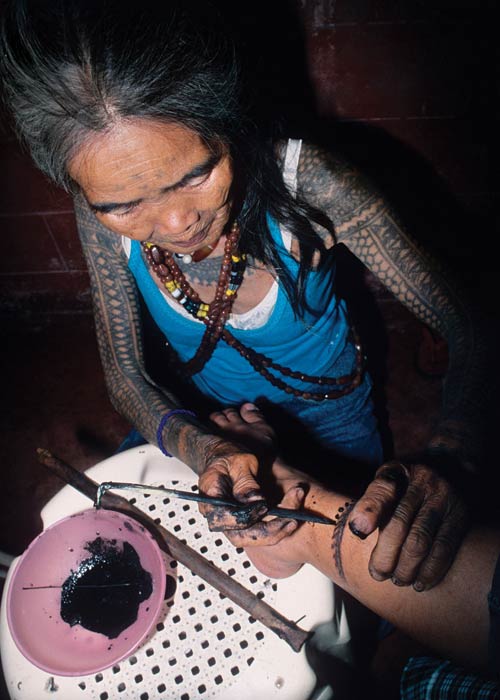
In the rugged Cordillera mountain region of Luzon, the Kalinga people have maintained a different but equally compelling intersection of ink and drink. The Kalinga are renowned for batok, a hand-tapped tattooing practice that marks social transitions and acts of valor. The mambatok (traditional tattooist) uses a rhythmic tapping method to drive ink into the skin using a thorn attached to a bamboo stick.
Supporting data from anthropological studies, including the work of Dr. Lars Krutak, reveals that traditional Kalinga ink was often composed of soot mixed with water or plant-based liquids. In several regions, sugarcane juice served as the carrier. When mixed with soot and left to rest, the sugarcane juice would undergo a natural fermentation process, turning into a mild alcohol. While the fermentation was a byproduct of the ink-making process, it altered the chemical environment of the pigment, potentially affecting its viscosity and application.
For the Kalinga, these tattoos were markers of identity: bravery for men who defended their villages and beauty for women. Today, the practice gained global recognition through Apo Whang-od Oggay, who at over 100 years old is the world’s oldest practicing mambatok. The resurgence of interest in batok has coincided with a renewed appreciation for traditional fermented beverages like tapuy (rice wine) and tuba (palm wine). In Kalinga culture, the ceremony of tattooing and the sharing of fermented drinks occupy the same social spaces, reinforcing communal belonging through shared endurance and celebration.
The Makushi of Guyana: Tattoos as Brewing Charms
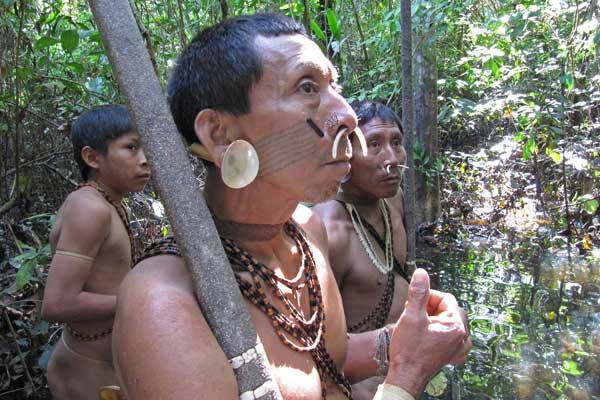
In the Guiana Shield region of South America, the Makushi people demonstrate a functional, almost symbiotic relationship between tattooing and fermentation. Their staple crop, cassava, is the foundation for parakari, an intricate beer produced through a dual fermentation process involving both mold and yeast.
The Makushi utilized kansku markings—tattoos specifically designed as cooking and brewing charms. These tattoos were not merely decorative; they were believed to be active participants in the brewing process. Patterns depicting bees or scorpions were tattooed onto a woman’s arms or jaw to impart "sweetness" or a "sting" (known as yekî) to the fermented beverage. In the Makushi language, yekî has a dual meaning, referring both to the potency of the drink and the state of intoxication.
According to ethnographic research, a woman’s ability to produce high-quality parakari was traditionally linked to her tattoos. It was believed that a woman could only properly pass a drink to a man if her arms bore the necessary markings, ensuring the beverage had been prepared under the correct spiritual and bodily conditions. This represents a literal embodiment of craft, where the success of a chemical transformation (fermentation) is tied to a physical transformation (tattooing).
Indigenous Epistemologies: The Hawaiian Framework of Kinship
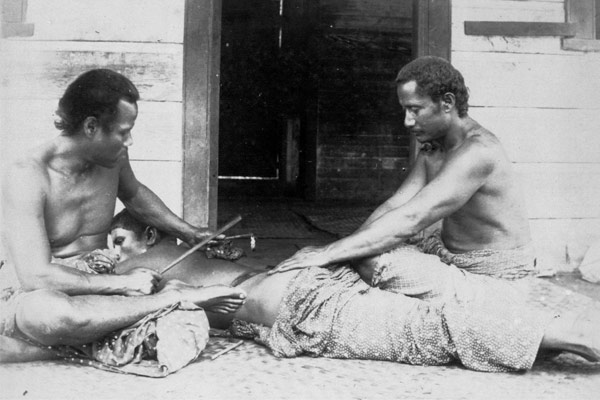
The conceptual link between body markings and fermented food is perhaps most clearly articulated through Hawaiian epistemology. In Hawaii, kākau (hand-tapped tattooing) and the fermentation of poi (from the taro plant, or kalo) are both acts of genealogy.
Dr. Lindsay Malu Kido, a scholar of Indigenous body sovereignty, notes that in Hawaiian cosmology, kalo is considered Hāloa, the elder sibling of the Hawaiian people. Therefore, the cultivation and fermentation of poi is an act of kinship and care for an ancestor. Similarly, kākau is a physical expression of one’s lineage. By inscribing ancestral patterns onto the skin, the individual becomes a living record of their family history.
From a journalistic and analytical perspective, the revival of these practices in Hawaii represents a significant movement toward decolonization. Reclaiming the body through kākau and reclaiming the traditional diet through poi allows Indigenous communities to assert authority over their own physical and cultural narratives, rejecting outside moral frameworks that once sought to suppress them.
Contemporary Echoes in the Craft Industry
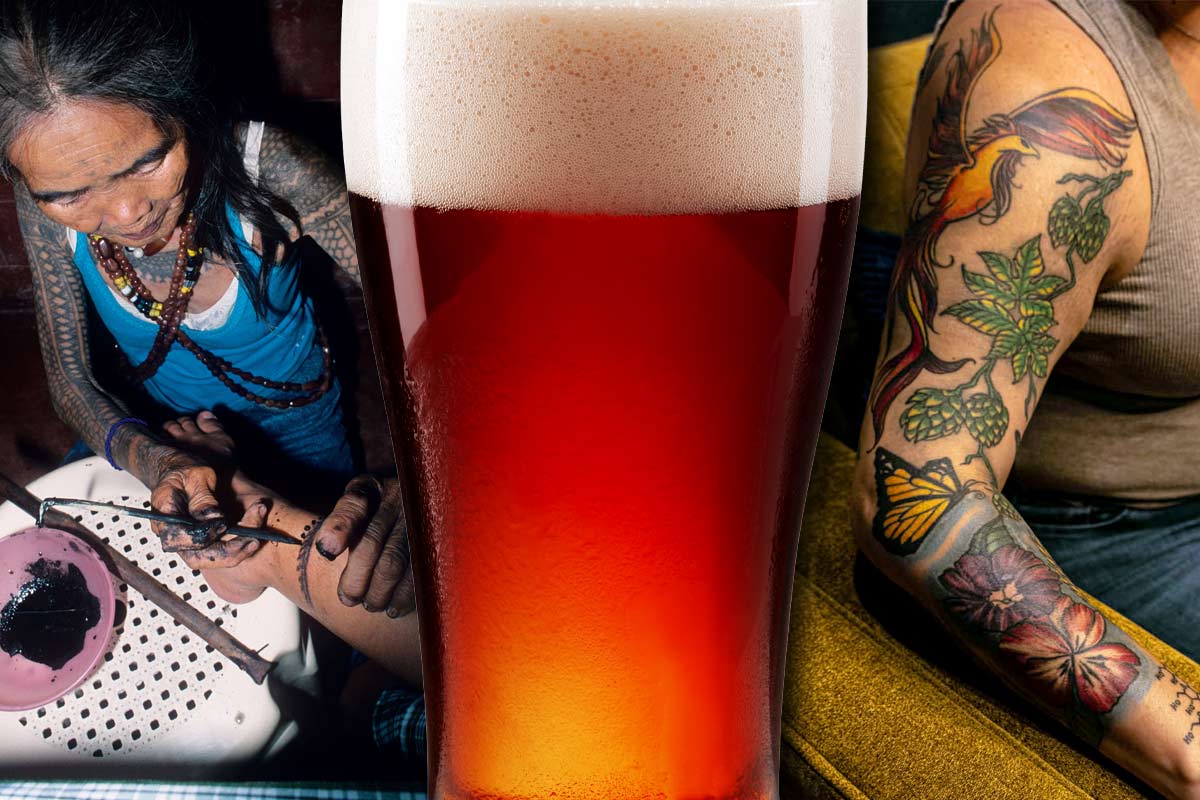
The historical and indigenous logic of "ink and drink" finds a modern, secular echo in the contemporary craft brewing industry. Today, brewers frequently use tattoos to signal their dedication to the craft, often adorning themselves with images of hop bines, yeast cells, and chemical formulas.
While these modern tattoos lack the specific ancestral protocols of the Ainu or Makushi, they function as contemporary markers of identity and personal transformation. For many in the industry, tattooing serves as a way to navigate professional and personal milestones.
- Sandra Murphy, owner of Murphy’s Law Brewery in Texas, utilized a tattoo sleeve featuring ale yeast cell walls and hop vines to commemorate her journey into brewing following a personal tragedy.
- Rachael Engel, a brewer at Sound2Summit Brewery, describes her tattoos as an expression of her identity and her journey as a transgender woman in the craft beer world.
These testimonials suggest that even in a modern, industrial context, the act of marking the body remains deeply intertwined with the act of creating fermented products. Both serve as outlets for self-expression and as means of processing change.
Broader Impact and Implications
The intersection of tattooing and fermentation offers a unique lens through which to view human history and sociology. As global interest in "slow crafts" and ancestral knowledge grows, these practices provide a roadmap for sustainable cultural engagement.
- Identity and Resistance: For many Indigenous groups, the revival of tattooing and brewing is a potent tool for resisting cultural erasure. It re-establishes a connection to the land and to ancestors that was severed by colonial history.
- Scientific Curiosity: The chemical overlaps—such as the use of fermented carriers for ink or the use of brewing byproducts for pigment—highlight an ancient understanding of chemistry and biology that predates modern laboratory science.
- Community Cohesion: Both practices are inherently social. They require a "practitioner" and a "recipient" or a "community of consumers," fostering bonds through shared rituals of pain, patience, and nourishment.
Conclusion: Traces of Origin and Future
Ink marks the body, creating a permanent record of a moment in time, a lineage, or a belief. Fermentation marks the food, turning simple starches into complex, living substances that sustain and connect people. Across the globe, these two practices continue to inhabit the same ritual and relational domains.
The shared grammar of transformation visible on the skin and shared in the glass reveals a fundamental human desire to shape the world and ourselves. Whether through the soot of an Ainu hearth or the hop-scented air of a modern brewery, the practices of tattooing and fermentation remain vital expressions of who we are, where we have been, and who we are becoming. They are not merely crafts; they are the enduring traces of our collective human story, written in ink and preserved in drink.