admin
admin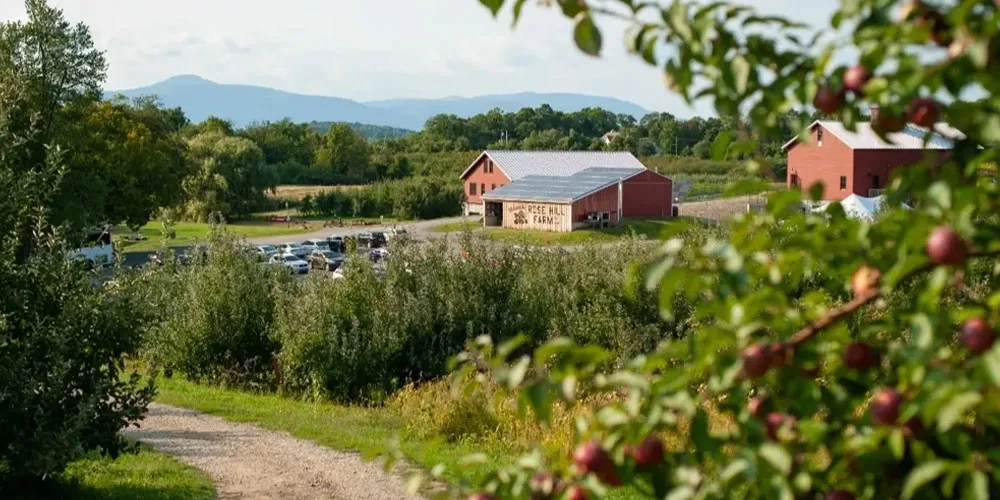
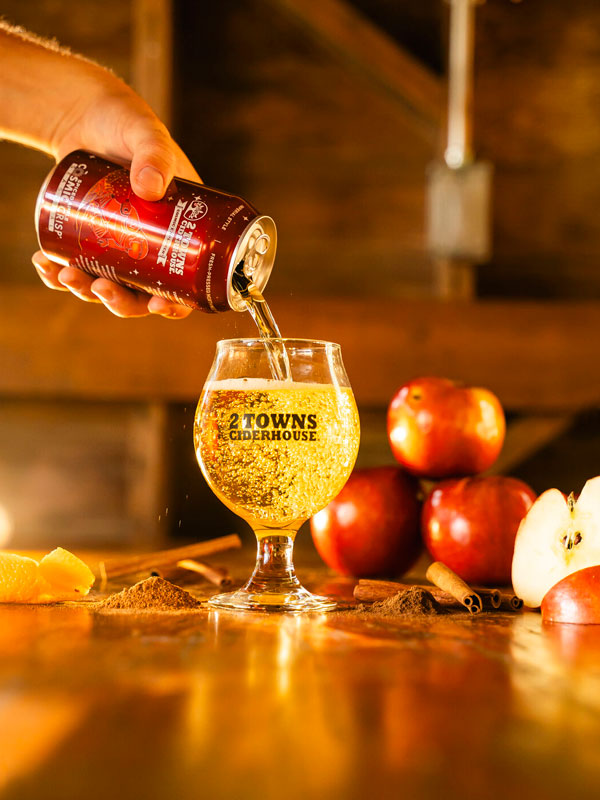
The American cider scene was nascent at the turn of the 21st century, with only a few dozen cideries primarily concentrated in the Pacific Northwest and Northeast, but today, more than a thousand cideries thrive across the nation, signaling a profound shift in the domestic beverage landscape. This transformation represents one of the most significant pivots in American agricultural and alcohol history, moving from a niche, localized craft to a multi-billion dollar category that challenges the dominance of craft beer and artisanal wine. The rapid expansion of the industry is not merely a matter of volume; it reflects a deep-seated evolution in viticulture, fermentation science, and consumer sophistication.
The Economic Trajectory and the "Angry Orchard" Effect
The contemporary cider revolution is often traced back to a pivotal window between 2011 and 2017. During this six-year period, the industry experienced a staggering 500% increase in sales. This explosive growth was catalyzed by significant capital infusions from major national beer brands. Most notably, the Boston Beer Company’s launch of Angry Orchard provided the "gateway" product necessary to reintroduce the American palate to fermented pomme fruit.
While mass-market brands established the floor for the category, regional powerhouses such as Stem Ciders in Colorado, Schilling Cider in Washington, and Blake’s Hard Cider in Michigan have since expanded their national footprints. These entities have bridged the gap between industrial-scale production and the "orchard-to-glass" ethos of smaller growers. Data from industry analysts suggest that while the initial "gold rush" of the mid-2010s has stabilized, the premium and craft segments of the cider market continue to outperform traditional malt beverages in specific demographics, particularly among consumers seeking gluten-free alternatives and transparent ingredient sourcing.
A Chronology of the American Apple
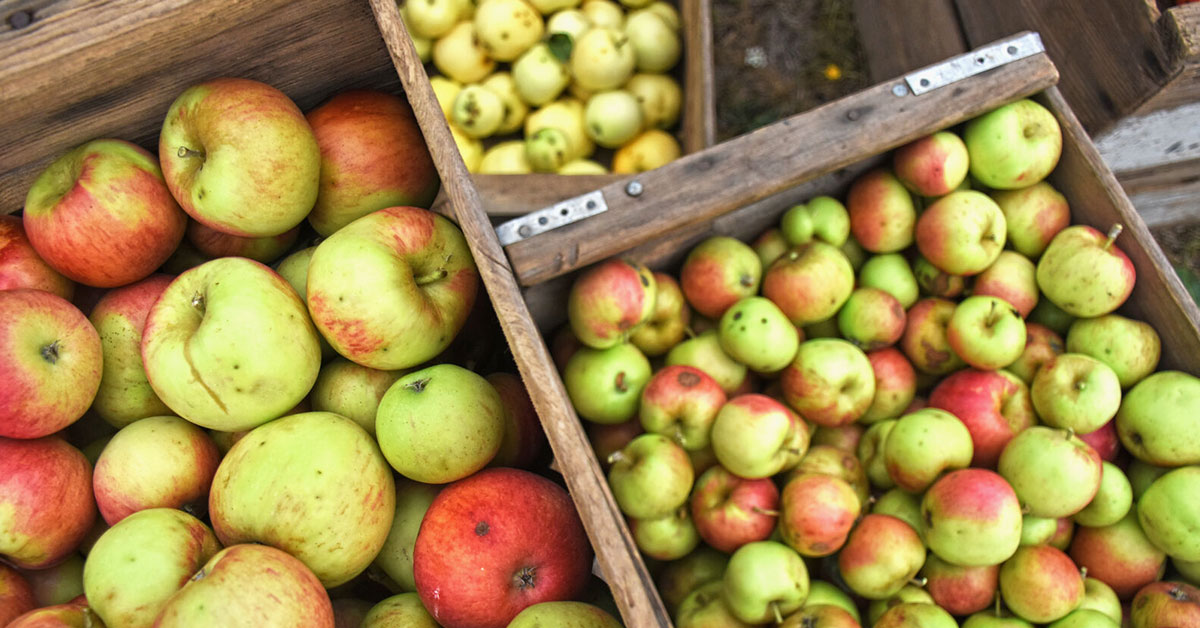
To understand the current state of cider, one must look at the long-term chronology of the American apple. For the last 200 years, North American apple cultivation was almost exclusively focused on "eating apples" or dessert fruit. This was a departure from European traditions in England, France, and Spain, where tannic, bitter apples—unpalatable for raw consumption but ideal for fermentation—remained the standard.
The first generation of modern American cidermakers in the 1980s and 1990s, including pioneers like Farnum Hill in New Hampshire, Red Barn in Washington, and Foggy Ridge in Virginia, sought to rectify this. They looked toward the great cider regions of Herefordshire and Normandy, importing European varieties to create a "fine cider" movement. This era mirrored the mid-century California wine revolution, where producers shunned local hybrids in favor of noble European grapes like Cabernet Sauvignon and Chardonnay.
However, the 2020s have ushered in a new era: the search for a uniquely North American terroir. Cidermakers are increasingly turning to indigenous seedlings and forgotten "homestead" varieties. For instance, the Winter Jon apple, once a staple of the Appalachian Mountains in northern Georgia, is seeing a resurgence due to its late harvest and resilience in a warming climate. Similarly, the "Nailbiter" variety, recently discovered as a wild seedling in Vermont, exemplifies the industry’s shift toward fruits that have naturally adapted to the North American environment without human intervention.
Scientific Advancements and the Cosmic Crisp Revolution
The intersection of academia and industry has become a primary driver of cider quality. Washington State remains the heartland of American apple production, accounting for approximately 60% of the nation’s total crop. In 2019, Washington State University released the Cosmic Crisp, a variety that has fundamentally altered the "modern cider" style.
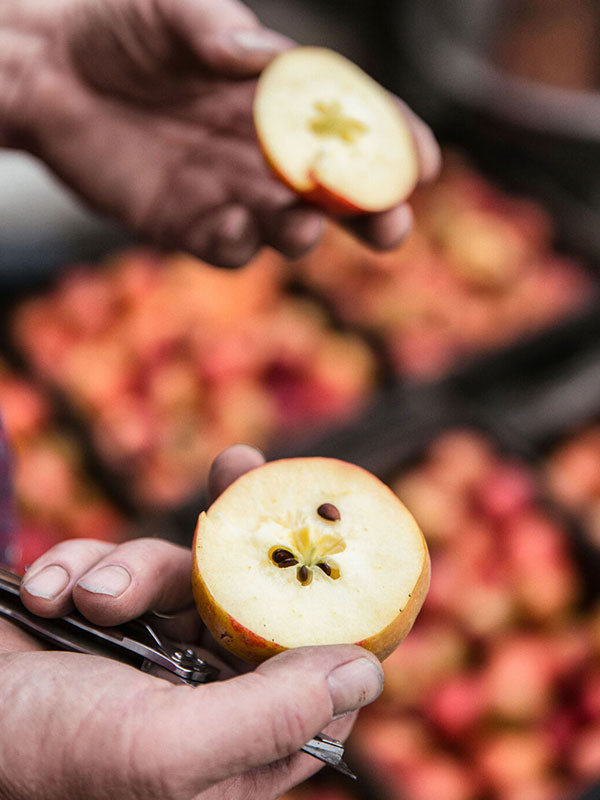
Dave Takush, co-owner and head cidermaker of 2 Towns Ciderhouse—which was named the inaugural Cidermaker of the Year at the 2024 Great American Beer Festival—notes that the Cosmic Crisp offers a unique profile of gooseberry and Sauvignon Blanc-like notes. When the variety was first released, it represented just 1% of Washington’s crop; today, it accounts for nearly 10%. This high-sugar, high-acid apple provides a robust backbone for "imperial" ciders, which have become a high-growth sub-sector of the market.
Beyond Washington, Michigan State University has led the charge in red-fleshed apple genetics. These varieties, which offer striking pigments and unique astringency, are being optimized for fermentation through rigorous research. Supporting these efforts is the Cider Institute of North America (CINA), which has formalized the education of cidermakers, bringing a level of technical rigor to the cellar that was previously reserved for enologists and master brewers.
Innovation in the Cellar: Breaking the Rules of Fermentation
Modern cidermakers are increasingly viewing their product as a canvas for experimentation, often disregarding the traditional boundaries that separate cider from wine and beer. This "awkward sibling" status has granted producers the creative freedom to adopt techniques such as:
- Maceration and Skin Contact: Borrowing from the "orange wine" movement to extract tannins and color.
- Pétillant Naturel (Pét-Nat): Producing naturally sparkling ciders through ancient bottling methods.
- Malolactic Fermentation: Softening harsh malic acids into creamy lactic acids to create a rounder mouthfeel.
- Bâtonnage: The practice of stirring lees (spent yeast) to add complexity and body, often used with varieties like the Newtown Pippin to mimic the profile of a barrel-aged Chardonnay.
At Rose Hill Farm in New York’s Hudson Valley, established in 1798, cidermaker Matthew Sanford exemplifies this boundary-pushing approach. Sanford’s philosophy—“If it has sugar, ferment it”—has led to the rise of co-fermented beverages. These include "Quincy" (apple and quince) and "Jerkum" (a traditional plum-based ferment).
One of the most notable crossovers is the "Graf," a hybrid of cider and malt. Collaborations between Rose Hill and Hudson Valley breweries like Plan Bee have produced bottle-conditioned Grafs that exhibit the brioche and baked apple notes of aged Champagne. These products represent a far cry from the "alco-pop" reputation that dogged the industry in the early 2000s.
The Rise of Regional Terroir and Sustainable Practices
As climate change impacts traditional agriculture, the cider industry is proving remarkably adaptable. In California, wineries facing smoke-tainted grape harvests due to wildfires have increasingly integrated cider into their portfolios. Natural wine producers like Ashanta Wines and Horse & Plow in Sonoma County are now applying their fermentation expertise to heritage apples like the Gravenstein.
This shift is not merely opportunistic; it is a strategic response to environmental pressures. Apples are often more resilient than grapes in certain microclimates, and the use of "culled" fruit—apples that are aesthetically imperfect for grocery store shelves but nutritionally perfect for juice—provides a sustainable secondary market for farmers. This "upcycling" of undervalued crops is a cornerstone of the modern cider economy.
Broader Impact and the Future of the Industry
The trajectory of American cider mirrors the maturation of the craft beer movement. Just as craft brewers educated the public on the difference between a pilsner and an IPA, cidermakers are now teaching consumers to distinguish between a "patio pounder" made from Fuji apples and a "scrumpy" made from tannic Ellis Bitter or Porter’s Perfection apples.
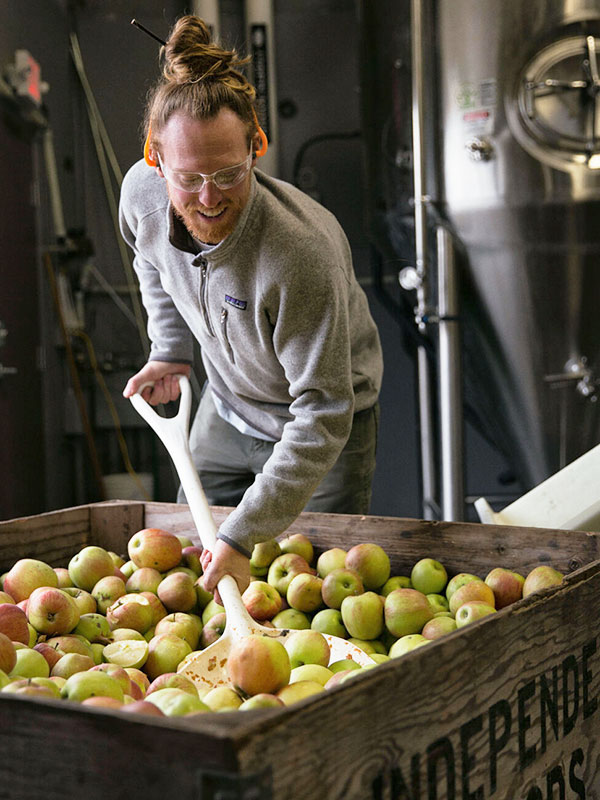
The future of the category looks toward deeper integration with local food sheds. The industry is moving away from a monolithic "apple flavor" toward a nuanced appreciation of variety, vintage, and geography. As the Great American Beer Festival’s inclusion of a Cidermaker of the Year award suggests, the "shared innovation" between beer and cider is at an all-time high. Many professional cidermakers began their careers in brewing, bringing with them a culture of collaboration and technical transparency.
While the road to building a permanent "cider culture" in the United States remains long, the data and the quality of the output suggest a permanent shift in consumer behavior. The American cider industry has successfully moved past its nascent stage and is now a sophisticated, multi-faceted sector that stands as a testament to American agricultural ingenuity and the enduring appeal of the orchard. Through the pollination of ideas from the wine, spirits, and beer worlds, cider has finally found its own voice, ensuring that the future of the category is as bright and complex as the fruit from which it is born.