admin
admin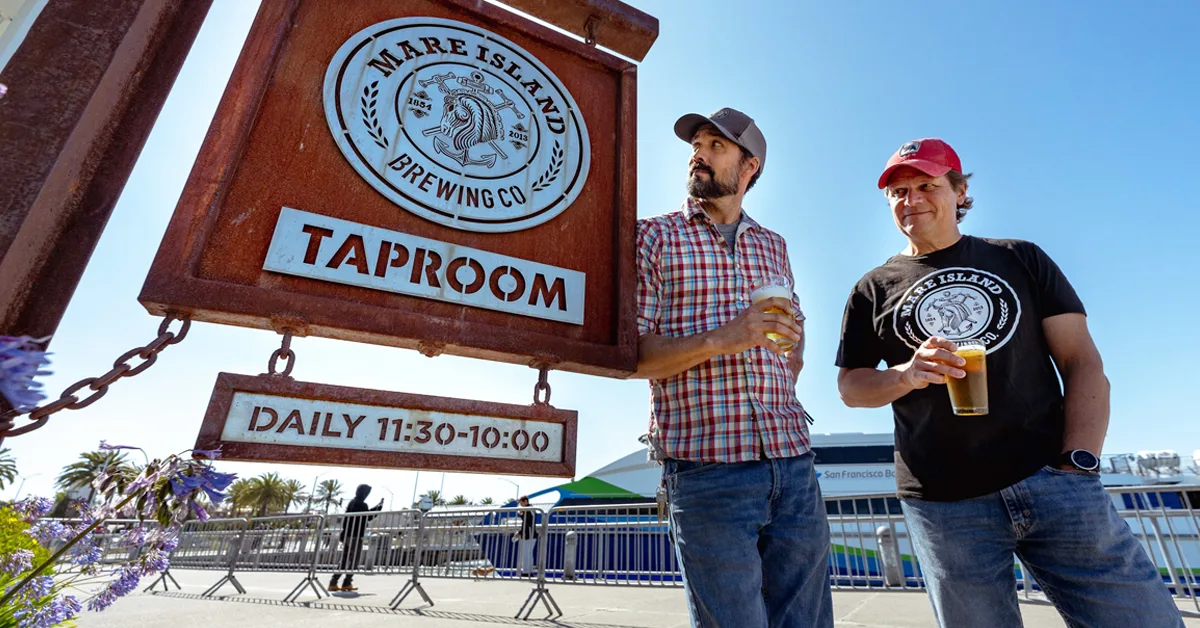
In the rolling hills of California’s premier viticultural areas, a long-standing industry proverb suggests that it takes a significant amount of beer to produce a high-quality vintage. While often dismissed as a lighthearted joke among cellar hands, the intersection of the wine and craft beer industries has evolved into a sophisticated professional crossover. As California maintains its status as the leading producer of both wine and craft beer in the United States, a growing cohort of artisans is blurring the lines between these two distinct yet fundamentally related disciplines. From the Central Coast to the northern reaches of Napa and Sonoma, winemakers are increasingly applying their expertise in fermentation, terroir, and palate development to the world of brewing, creating a unique hybrid culture that defines the modern California beverage landscape.
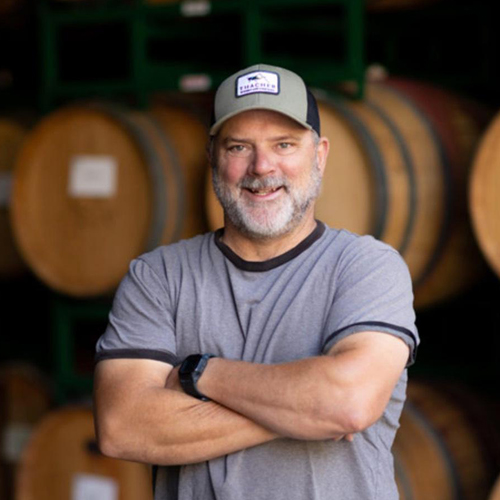
The phenomenon is driven by both sensory necessity and professional curiosity. Winemakers, who spend their days navigating the high acidity, complex tannins, and intense sugar profiles of fermenting grapes, often find that their palates require a "reset." Sherman Thacher, the founder of Thacher Winery in Paso Robles, notes that beer serves as the ultimate palate cleanser due to its carbonation, lower acidity, and refreshing temperature. Thacher’s perspective is informed by a rare dual-career trajectory; before establishing himself as a prominent winemaker on California’s Central Coast, he served as a brewmaster at Los Gatos Brewing Company from 1992 to 2006. His fourteen-year tenure focusing on German-style lagers and ales provided a technical foundation that seamlessly transitioned into the cellar.
The Technical Synergy of Fermentation
At its core, the production of both wine and beer relies on the mastery of fermentation—the biological process by which yeast converts sugars into alcohol and carbon dioxide. While the raw materials differ—malted grains versus crushed grapes—the fundamental principles of hygiene, temperature control, and yeast management are nearly identical. Thacher emphasizes that the rigorous attention to detail required in a brewery is a significant asset in a winery. While wine is arguably more resilient due to its lower pH and higher alcohol content, the disciplined habits of a brewer—specifically regarding sanitation and anaerobic (oxygen-free) environments—can elevate the quality of a wine program.
This technical overlap is most evident in the academic pathways chosen by modern producers. The University of California, Davis (UC Davis), widely regarded as one of the world’s premier institutions for viticulture and enology, also hosts a prestigious Master Brewers Program. This educational hub has become a breeding ground for "fermentation polymaths" who study the chemistry of alcohol across various mediums. Remy Martin, co-founder of Fogbelt Brewing in Sonoma County, is a graduate of the UC Davis program. Despite being the son of the late Dennis Martin, a legendary winemaker who spent three decades at Fetzer Vineyards, the younger Martin found himself drawn to the creative flexibility of brewing. His journey reflects a broader trend: a new generation of beverage professionals who view the "grape vs. grain" divide as an artificial barrier.
Case Study: Mare Island Brewing Co. and the Napa Influence
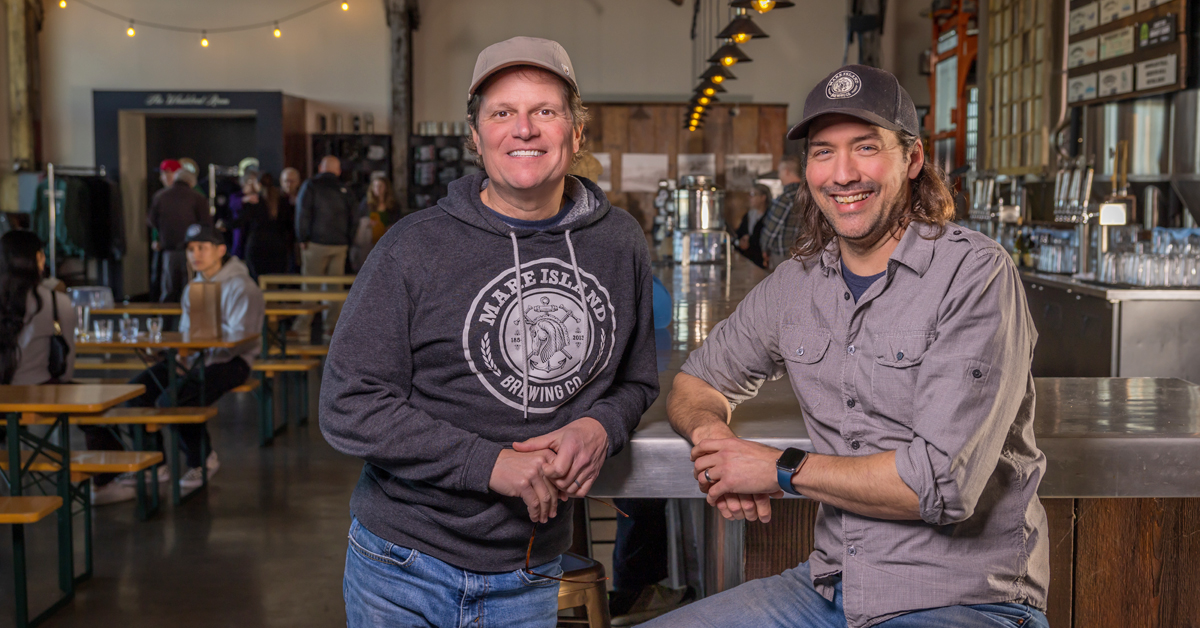
The convergence of these industries is perhaps best personified by Kent Fortner and Ryan Gibbons, the co-founders of Mare Island Brewing Co. The duo’s origin story begins not in a brewhouse, but on a "crush pad" in Napa Valley, where they met while working the grape harvest. Their transition to beer was not an abandonment of wine, but an expansion of their fermentation portfolio. In 2013, they brewed their flagship Saginaw Golden Ale, a name that pays homage to the USS Saginaw, the first ship built at the historic Mare Island Naval Shipyard.
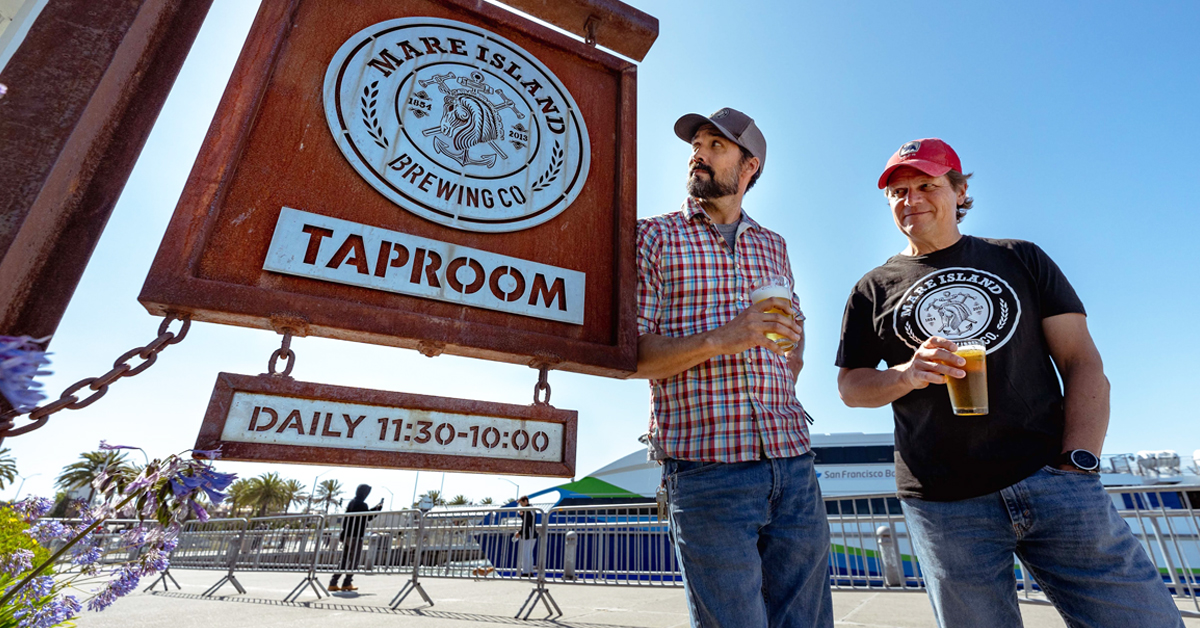
Established in 1854 as the first U.S. naval installation on the West Coast, Mare Island provides a rich historical backdrop for the brewery. The shipyard was decommissioned in 1996, leaving behind a legacy of industrial craftsmanship that Fortner and Gibbons have sought to preserve through their brand. Since opening their Ferry Taproom in Vallejo in 2014, they have expanded to the Coal Shed Brewery and the First Street Taproom in Benicia.
Despite the success of the brewery, Fortner remains deeply embedded in the wine world. For over two decades, he has operated Road 31 Wine Co., producing a singular Napa Valley (Carneros) Pinot Noir sold primarily through a private mailing list. This dual existence allows for a cross-pollination of business models. Mare Island’s taprooms frequently pour Road 31 wines and collaborate with other local producers like Fifth Hill in Sonoma. This integrated approach reflects a shift in consumer behavior, where visitors to California’s "Wine Country" are increasingly seeking high-quality craft beer as part of their tasting itinerary.
Operational Contrasts: Vintage Variation vs. Consistency
While the technical skills are transferable, the operational philosophies of winemaking and brewing offer stark contrasts. Remy Martin of Fogbelt Brewing points out that the concept of "vintage" is central to wine but often antithetical to beer. In winemaking, the variation of the crop year is celebrated; the weather patterns of a specific season are etched into the final product, making each year unique. Conversely, the craft beer consumer typically demands consistency. A flagship IPA or pilsner is expected to taste the same in July as it does in December, requiring brewers to manage raw materials—hops and malts—from different harvests to maintain a stable flavor profile.
Furthermore, the "slow time" inherent in the agricultural cycle of wine does not exist in the brewing world. Winemaking is defined by the frantic intensity of the autumn harvest, followed by months of quiet aging. Brewing is a perpetual cycle. "Brewers are constantly producing beer, so there is not really a ‘slow’ time of year for us," Martin explains. This year-round production schedule provides a steady cash flow that many seasonal wineries find enviable, contributing to the economic logic of winemakers opening "side-hustle" breweries.
Branding and the "Wine Lens" in Craft Beer
The influence of winemaking on the beer industry extends beyond the liquid in the glass; it is fundamentally reshaping how beer is marketed. Traditionally, the craft beer market has been characterized by colorful, irreverent, and sometimes "cheeky" label designs. However, producers coming from a wine background, like Ryan Gibbons, are introducing a different aesthetic.
Gibbons notes that Mare Island Brewing Co. intentionally utilizes a "winemaking lens" for their branding, focusing on class, elegance, and historical storytelling. This approach mirrors the premium positioning of Napa Valley wines, targeting a demographic that appreciates the craft but seeks a more sophisticated presentation. By moving away from "crass" or hyper-vibrant marketing, these crossover breweries are carving out a niche that appeals to wine collectors and beer enthusiasts alike.
Economic Impact and Regional Significance
The intersection of these industries is a significant driver of California’s economy. According to data from the California Craft Brewers Association and the Wine Institute, the two sectors contribute billions of dollars annually to the state’s GDP. California is home to over 4,000 wineries and more than 1,100 craft breweries. In regions like Sonoma and Paso Robles, the industries are the primary engines of tourism.
The rise of the "winemaker-brewer" has led to a more robust tourism infrastructure. It is now common for visitors to spend a morning at a vineyard and an afternoon at a nearby taproom. This synergy helps stabilize local economies by diversifying the attractions available to travelers. Moreover, the shared labor pool—individuals skilled in cellar work, laboratory analysis, and hospitality—ensures that these regions remain competitive in the global beverage market.
Broader Implications: The Future of Fermentation
As the lines between winemakers and brewers continue to blur, the industry is seeing an increase in experimental products. Barrel-aged beers, which utilize retired wine casks to impart flavors of oak and residual grapes, have become a staple of the craft beer scene. Conversely, some winemakers are experimenting with "piquette"—a low-alcohol beverage made from leftover grape pomace—which shares many characteristics with the refreshing, sessionable nature of light ales.
The philosophy of Sherman Thacher, Kent Fortner, and Remy Martin suggests that the future of the California beverage industry lies in a holistic appreciation of fermentation. Whether the end product is a high-end Pinot Noir or a crisp German-style lager, the goal remains the same: the creation of a balanced, high-quality beverage that reflects the craftsmanship of the producer.
Ultimately, the crossover between grapes and grains is more than a trend; it is a reflection of a mature industry where the pursuit of excellence transcends the specific medium. As Gibbons aptly summarizes, the desire for a refreshing beer at the end of a long day in the vineyard is a universal sentiment among those who work with the land. In the Golden State, the "beer for winemakers" has become a respected category of its own, proving that the two industries are not competitors, but rather two sides of the same artisanal coin. As long as the grapes grow and the grain is harvested, the flow of both wine and beer will continue to define the cultural and economic identity of California.