admin
admin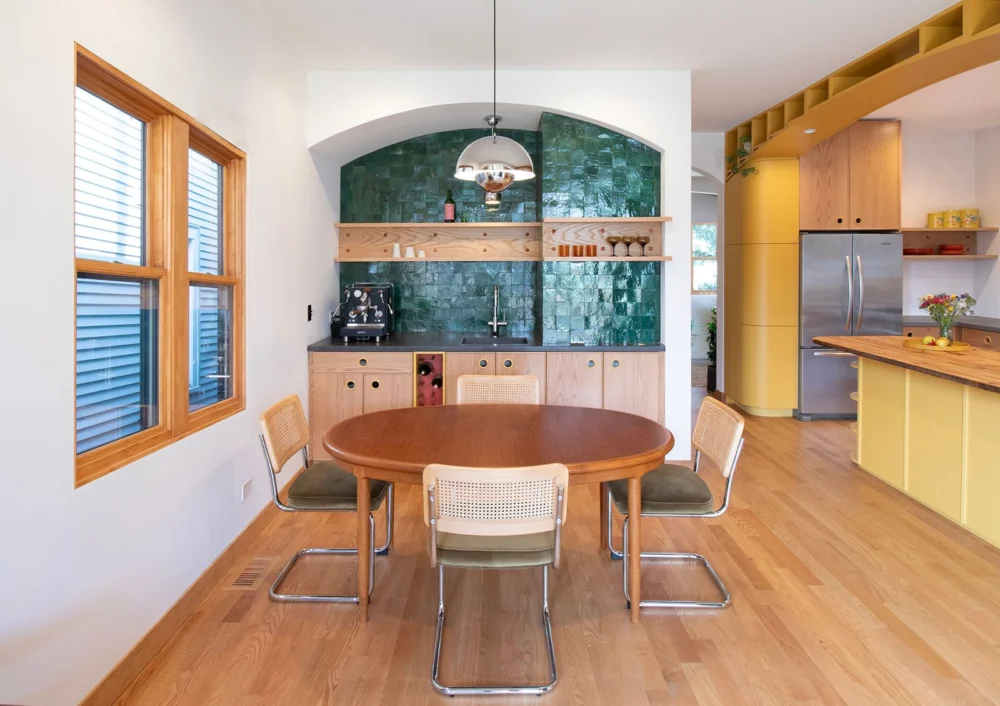
When Kris Rey and Kev Cahill started meeting with architects in 2021 for their house remodel, they had lived in their Chicago bungalow for several years and had a good grasp of its pain points. Their journey to reimagine their historic residence in the heart of Chicago reflects a broader trend among homeowners seeking to balance architectural heritage with the evolving demands of contemporary family living. The initial consultations marked the beginning of an ambitious project aimed at transforming a charming, yet functionally constrained, dwelling into a vibrant, multi-generational home.
The Enduring Charm of the Chicago Bungalow
The Chicago bungalow, an architectural icon synonymous with the city’s residential landscape, emerged in the early 20th century as an answer to the burgeoning housing needs of the working and middle classes. Characterized by their sturdy brick construction, low-pitched roofs with wide eaves, and a distinctive front sunroom, these homes offered an affordable yet robust option for families. Built predominantly between 1910 and 1940, it is estimated that over 80,000 bungalows dot Chicago’s neighborhoods, representing roughly one-third of the city’s single-family housing stock. Their appeal lay not only in their solid construction and relative affordability but also in their promotion of homeownership and community stability, allowing many to achieve the American dream in an era of rapid urban expansion.
However, homes built for a different century inevitably present challenges for modern inhabitants. While their structural integrity often remains impressive, their internal layouts reflect the social norms and technological limitations of their time. Smaller, compartmentalized rooms were typical, kitchens were designed purely for utility rather than as social hubs, and basements were often rudimentary, serving primarily as storage or utility spaces, or, as in the Rey-Cahill’s case, occasionally converted into niche recreational areas. Living in their bungalow for "several years" had given Kris and Kev ample time to appreciate its historical character and the community it afforded, but also to confront its inherent limitations in serving a rapidly expanding family.
The Catalysts for Change: Addressing Functional Deficiencies
The decision to embark on a major renovation was not spontaneous but rather a culmination of daily frustrations and a clear vision for their family’s future. By 2021, the limitations of their existing layout had become undeniable, particularly with the imminent arrival of a new baby.
From Cramped Quarters to Open Concepts:
The main floor of the Rey-Cahill bungalow epitomized the common challenge of older homes: it was "cramped with small rooms." This typically translates to a series of segregated spaces – a small living room, a separate dining room, and an enclosed kitchen – that hinder natural light flow and modern open-concept living. For a family with children, this fragmented layout often means limited communal space, difficult supervision, and a sense of confinement. Architects specializing in bungalow renovations frequently encounter this issue, often proposing strategic wall removals or reconfigurations to create more expansive, interconnected living areas. The goal is to improve circulation, enhance natural light penetration, and foster a more inclusive environment where family members can interact freely, whether cooking, dining, or relaxing. This approach respects the home’s original footprint while drastically improving its livability for contemporary lifestyles.
The Second Floor: A Growing Family’s Dilemma:
Perhaps the most pressing need for the Rey-Cahill family was on the second floor. It housed "only two bedrooms – one for them, and one shared by their two children." With a baby on the way, this configuration would mean three children sharing a single bedroom, a scenario that, while sometimes necessary, presents significant challenges for privacy, study, and individual space as children grow. Modern family dynamics often necessitate a minimum of one bedroom per child, or at least dedicated spaces for older siblings. The prospect of accommodating a third child within the existing two-bedroom layout underscored the urgent need for expansion. Solutions often involve converting underutilized attic space into additional bedrooms, adding dormers to create more headroom and floor area, or, in more ambitious projects, expanding the home’s footprint vertically. For the Rey-Cahills, ensuring each child had their own space, or at least a more accommodating shared arrangement, was paramount to fostering a harmonious home environment.
Reimagining the Subterranean Space: From Tiki Bar to Family Hub:
The basement presented a unique challenge and opportunity. Described as a "Tiki bar leftover from the 1960s," it was a quirky relic of a bygone era. Post-World War II, the rise of suburban living and increased leisure time led to the popularization of the "rec room" or "rumpus room," often themed for entertainment. The Tiki bar, with its exotic aesthetic, represented a specific mid-century trend in home entertainment. Kris and Kev admitted it was "admittedly fun for karaoke parties," suggesting it had served its purpose as an adult-centric escape.
However, its limitations for a growing family were stark: "it wasn’t working for the whole family." The most poignant statement came from Kris: "Our daughter was too afraid to go down there." This single sentence encapsulates the disconnect between the space’s existing function and the family’s needs. A child’s fear could stem from various factors: dim lighting, cluttered decor, an adult-oriented atmosphere, or simply the perception of it being a ‘spooky’ or unsafe area. For the Rey-Cahills, the basement needed to evolve from a specialized adult entertainment zone into a versatile, inviting, and safe space for all family members. The vision for a modern basement typically includes a play area, a family room, potentially a guest bedroom, and often a home office or laundry room, all designed to be bright, accessible, and functional. Transforming this specific 1960s relic required a complete overhaul, shedding its themed past for a future of multi-purpose utility.
Navigating the Renovation Landscape: Trends and Data
The Rey-Cahill’s decision to renovate aligns with broader trends in the housing market, particularly evident in post-pandemic years. Data from the National Association of Home Builders (NAHB) consistently shows that kitchen and bathroom remodels remain popular, but there’s a growing emphasis on creating more functional living spaces, home offices, and additions for growing families. In 2022, the U.S. home improvement market was valued at over $500 billion, with homeowners investing significantly in adapting their existing properties rather than relocating, often due to high housing costs and competitive markets.
In Chicago, specifically, bungalow owners are frequently undertaking similar transformations. A survey conducted by a local architectural firm specializing in historic homes revealed that approximately 60% of bungalow renovations in the past five years included some form of space expansion, with attic and basement conversions being the most common. The average cost for a major bungalow renovation in Chicago, encompassing structural changes, additions, and comprehensive interior updates, can range from $200,000 to over $500,000, depending on the scope and finishes. This significant investment underscores the homeowners’ commitment to their property and their desire to create a long-term family home.
Architects working on these projects often emphasize the "adaptive reuse" philosophy – preserving the exterior character of the bungalow, which contributes to the neighborhood’s aesthetic, while completely modernizing the interior for contemporary living. This often involves careful planning to integrate new structures (like dormers or rear additions) seamlessly with the existing architecture, ensuring that the renovation enhances rather than detracts from the home’s historic charm. Energy efficiency upgrades, such as improved insulation, new windows, and modern HVAC systems, are also common additions, reducing utility costs and improving comfort.
Envisioning the Future: A Home Reimagined
The initial meetings with architects in 2021 were crucial for articulating the Rey-Cahill family’s vision and for the architects to propose feasible solutions. While specific details of the proposed designs are not yet public, the general approach for such a project would likely involve several key interventions:
- Main Floor: Demolishing non-load-bearing walls to create an open-plan kitchen, dining, and living area. This would improve natural light, flow, and allow for better family interaction. A new, larger kitchen would become the heart of the home, equipped with modern appliances and ample counter space.
- Second Floor: Exploring options for expanding the second floor to accommodate three children, plus the parents, comfortably. This might involve a rear addition, a shed dormer across the back of the house, or a full attic conversion if the existing roof pitch allows. The goal would be to create a dedicated bedroom for each child or at least a more spacious and private shared environment, along with potentially a larger family bathroom.
- Basement: A complete gut renovation of the 1960s Tiki bar. This would involve removing all thematic elements, addressing any dampness issues common in older basements, and installing proper lighting, flooring, and finishes. The space would likely be compartmentalized into a versatile family room, a dedicated play area for the children, and potentially a guest bedroom or home office. Crucially, the design would focus on making the space bright, welcoming, and safe, eliminating any elements that might make a child feel "afraid."
Official Responses and Stakeholder Perspectives (Inferred)
While no official statements from the Rey-Cahill family or their architects are available beyond the initial context, one can infer the perspectives of various stakeholders in such a renovation:
- The Architects: An architect undertaking this project would likely express enthusiasm for the challenge of transforming a classic Chicago bungalow. They would emphasize the balance between preserving the home’s historical integrity and achieving a functional, modern interior. "Our aim is always to respect the original footprint and character of these beloved bungalows," one might imagine an architect stating, "while simultaneously crafting spaces that meet the dynamic needs of 21st-century families. The Rey-Cahill project is a prime example of how thoughtful design can breathe new life into an historic structure, ensuring it serves its purpose for generations to come."
- The Rey-Cahill Family: Kris and Kev would likely articulate their desire for a home that fosters togetherness, provides individual sanctuary, and grows with their family. Kris might reflect on the transition from the "fun" but ultimately unsuitable Tiki bar, expressing relief that their daughter will soon have a welcoming space. Kev might emphasize the practicalities of additional bedrooms and more functional common areas. "This isn’t just about adding square footage; it’s about creating a home where every family member feels comfortable, safe, and has space to thrive," they might convey. "We want our children to grow up in a home that feels like it was designed just for them, while still cherishing the history embedded in these walls."
- Community and Preservation Groups: Local historical societies or neighborhood associations might express a cautious optimism, advocating for renovations that maintain the aesthetic continuity of the bungalow districts. They would likely support projects that enhance livability while adhering to certain design guidelines that respect the architectural language of the area. This project could be seen as a positive example of how private homeowners are investing in the long-term vitality of these historic neighborhoods.
Broader Impact and Implications
The Rey-Cahill family’s renovation project, while personal, carries broader implications for urban development, architectural preservation, and family living in established cities like Chicago.
- The "Bungalow Renaissance": This project contributes to what many are calling a "Bungalow Renaissance." As new construction becomes increasingly expensive and land scarce in urban centers, homeowners are recognizing the inherent value and potential of existing, well-built homes. Renovating a bungalow allows families to stay in established neighborhoods with good schools and amenities, avoiding the disruption of moving. It also represents a sustainable approach to housing, leveraging existing structures rather than demolishing and rebuilding.
- Economic Impact: Major renovation projects stimulate local economies, providing work for architects, contractors, tradespeople (electricians, plumbers, carpenters), and suppliers of building materials and finishes. This creates jobs and keeps capital circulating within the community.
- Architectural Preservation vs. Modernization: The Rey-Cahill project serves as a microcosm of the ongoing debate between strict architectural preservation and adaptive modernization. Their approach, likely focusing on internal reconfiguration and respectful additions, exemplifies a pragmatic middle ground that allows historic homes to remain relevant and functional for contemporary needs without sacrificing their iconic exterior character. This balance is crucial for the long-term survival of architectural heritage in dynamic urban environments.
- Future-Proofing Homes: By addressing current pain points and anticipating future family needs (more bedrooms, versatile common spaces), the Rey-Cahills are effectively "future-proofing" their home. This strategic investment not only enhances their quality of life but also significantly increases the property’s long-term value and marketability, should they ever decide to sell.
- Quality of Life: Ultimately, the most significant implication is the profound impact on the family’s quality of life. A well-designed home that meets the needs of its inhabitants can reduce stress, foster stronger family bonds, and provide a sanctuary in a busy world. For the Rey-Cahills, transforming a cramped, outdated, and partially intimidating space into a bright, functional, and welcoming home will undoubtedly contribute to their overall well-being and happiness for years to come.
The Rey-Cahill’s journey from identifying the "pain points" of their Chicago bungalow to embarking on a comprehensive remodel is a testament to the enduring appeal of these historic homes and the ingenuity required to adapt them for modern family life. Their story is a powerful illustration of how thoughtful design and strategic investment can bridge the gap between architectural legacy and contemporary living, creating spaces that are both deeply rooted in history and perfectly attuned to the rhythms of a growing family.