admin
admin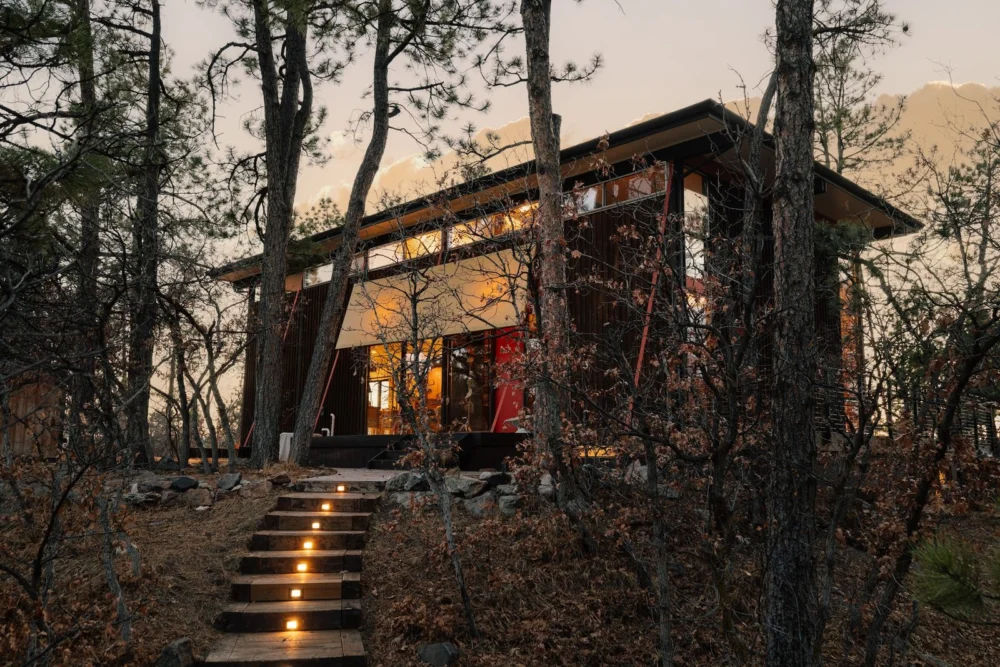
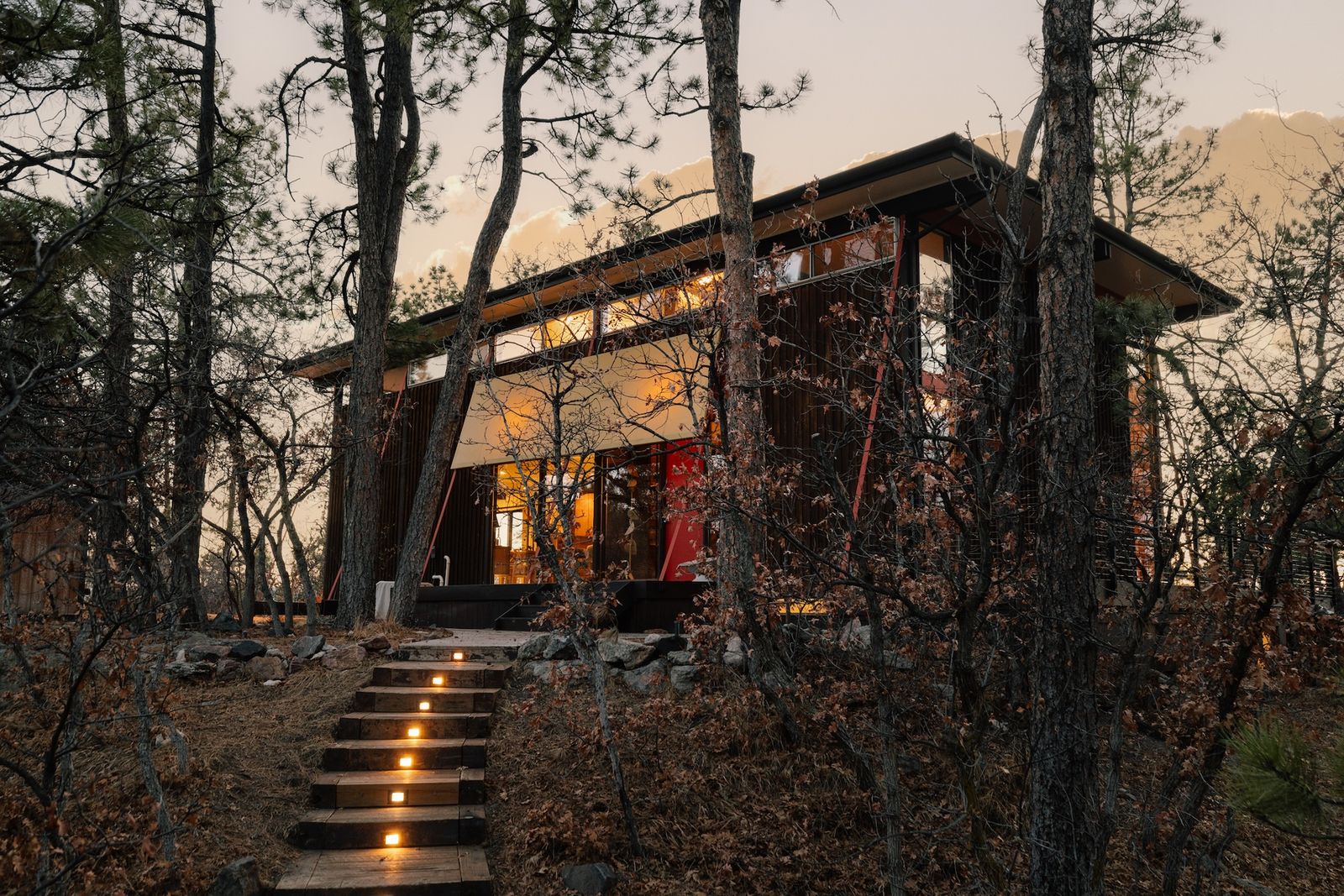
The architecturally significant Jerry Ditto House, a meticulously preserved Mid-Century Modern masterpiece designed by acclaimed architect James T. Ream, has been listed for sale at $1,099,000. Located at 5185 N Lariat Drive in Castle Rock, Colorado, this rare property offers 2,962 square feet of living space, featuring two bedrooms and three bathrooms, all set on a sprawling 2.33-acre private estate with breathtaking panoramic mountain views. Built in 1964, the residence stands as a testament to original integrity and an exceptional architectural pedigree, a characteristic increasingly valued in today’s dynamic real estate market. The home’s connection to Jerry Ditto, a noted real estate broker and architecture writer celebrated for his championship of iconic Eichler homes, further elevates its historical and cultural importance, positioning it as a unique opportunity for discerning buyers and preservationists alike.
Architectural Vision: The Enduring Legacy of James T. Ream
The design of 5185 N Lariat Drive is a definitive expression of James T. Ream’s architectural prowess and his profound contribution to the Mid-Century Modern (MCM) movement in Colorado. Born in 1929, James T. Ream was a significant and influential figure in Denver’s architectural scene throughout the mid-20th century. He was widely recognized for his innovative approach to both residential and commercial design, consistently delivering structures that were ahead of their time yet deeply rooted in functional elegance. Ream’s body of work, which includes numerous custom homes and commercial buildings across the region, consistently emphasized a harmonious relationship between built environments and their natural surroundings, a hallmark of the MCM aesthetic. His designs typically featured clean lines, expansive open floor plans, a thoughtful integration of extensive natural materials, and large expanses of glass designed to blur the traditional boundaries between indoor and outdoor living spaces. These foundational elements are not merely present but are vividly articulated and remarkably well-preserved within the Jerry Ditto House, where the structure appears to integrate seamlessly and organically with the rugged beauty of the Colorado landscape.
The real estate agent’s emphasis on the property’s "exceptional architectural pedigree" and "original integrity" resonates deeply with architectural historians, enthusiasts, and savvy collectors. This level of preservation is particularly crucial, as many period homes have unfortunately undergone unsympathetic renovations or significant alterations over the decades, diminishing their historical and design value. Ream’s thoughtful consideration of site-specific conditions and the regional climate is brilliantly evident in subtle yet impactful details. For instance, the exterior features flat steel straps, primarily serving as robust wind bracing—an essential structural element in a mountain environment. However, Ream ingeniously designed these straps to also function as runners for retractable shades, providing both crucial structural stability and adaptive light control, allowing residents to manage sunlight and privacy with ease. The home’s exterior itself, clad in stained board-and-batten cedar, further underscores Ream’s commitment to natural, sustainable materials and a rustic-modern sensibility that perfectly complements its Rocky Mountain setting. This approach not only ensured the home’s durability against Colorado’s varied weather patterns but also maintained a warm, inviting, and authentic aesthetic that speaks to its locale.
The Eichler Connection: Jerry Ditto’s Visionary Patronage and Mid-Century Modern Advocacy
The home’s original owner, Jerry Ditto, was far more than a conventional real estate broker; he was a passionate architecture writer, a discerning tastemaker, and an ardent champion of Eichler homes. Joseph Eichler, a pioneering post-war real estate developer, played an instrumental role in democratizing modern architecture, making it accessible to a broader audience across California from the 1950s through the 1970s. Eichler’s design philosophy was revolutionary, centering on principles of affordability, livability, and an intrinsic connection to nature. This was achieved through innovative features such as open-air atriums, dramatic floor-to-ceiling glass walls, and fluid, open-plan living spaces that prioritized natural light and air circulation. Ditto’s vigorous advocacy for these homes, which offered a refreshing and bold contrast to the more traditional suburban housing styles prevalent at the time, firmly established him as an influential voice and a leading authority in the discourse surrounding modern residential design.
That Jerry Ditto, a connoisseur of modern architecture, specifically commissioned James T. Ream to design his personal residence in Colorado speaks volumes about his discerning taste and his deep appreciation for high-quality, regionally sensitive modern architecture. While the Ditto House is not, strictly speaking, an Eichler home, it shares numerous philosophical and aesthetic commonalities with Eichler’s celebrated work. It embodies the core tenets of Mid-Century Modernism that Ditto so admired: a strong, deliberate connection to the outdoors, an unwavering emphasis on natural light flooding interior spaces, a design that is both functional and elegantly minimalist, and an honest, unpretentious use of natural materials. The agent’s description of the spacious dining area, which also serves as a flexible den, featuring "additional built-ins and warmth from the combination of cedar, walnut, and glass," vividly echoes the rich material palette and integrated design solutions frequently found in Eichler and other contemporary modern homes of that period. The Jerry Ditto House therefore represents a significant artifact in the broader narrative of American modernism, particularly in its demonstration of how these progressive design principles transcended California’s immediate influence and found expression in diverse geographical contexts. It stands as a testament to a broader movement of architects and patrons committed to these forward-thinking design ideals.
A Journey Through Design: Interior and Exterior Features Unveiled
The approach to 5185 N Lariat Drive is an integral part of its architectural experience. One is greeted by a unique and thoughtfully integrated architectural detail: a bridge adjacent to the garage that "mirrors the same architectural details as the home." This deliberate and cohesive design choice immediately establishes a tone of unified aesthetics and purposeful entry, gently guiding residents and guests into the private sanctuary of the property. This initial impression reinforces the concept of the home as a holistic design statement, where even transitional elements are carefully considered and contribute to the overall architectural narrative.
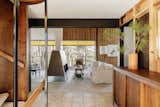
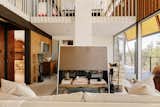
Upon stepping inside, the interior spaces unfold with an immediate sense of spaciousness and material richness, characteristic of the MCM era’s appreciation for natural textures and open volumes. The main living areas are defined by a sophisticated and harmonious interplay of natural materials. The aforementioned dining area, or flexible den, serves as a prime example, showcasing the warm, inviting hues and tactile textures of cedar and walnut, all exquisitely complemented by expansive glass panels. These elements work in concert to create an inherently inviting atmosphere while simultaneously drawing the eye to the stunning surrounding natural beauty of Castle Rock. Throughout the home, meticulously crafted built-in elements provide both aesthetic appeal and practical functionality, a hallmark of efficient and intelligent Mid-Century Modern design that prioritizes seamless living.
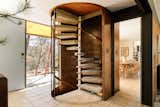
A striking walnut-paneled spiral staircase serves as a central and captivating design feature, gracefully connecting the lower-level common areas to the private bedrooms situated above. This architectural element is not merely a means of vertical circulation but functions as a sculptural piece, adding significant visual interest, a sense of dynamic flow, and an artistic flourish to the interior. The original kitchen, a true rarity in homes of this vintage, remains remarkably intact. Its custom cabinets feature distinctive leather pulls, a subtle yet luxurious detail that speaks volumes about the bespoke quality and the meticulous attention to craftsmanship prevalent in James T. Ream’s work and Jerry Ditto’s original discerning vision. This exceptional preservation offers a unique and invaluable glimpse into the domestic design sensibilities and material choices of the era.
The primary suite is thoughtfully conceived as a private, serene retreat. It features a versatile loft area, complete with strategically placed doors that can be opened or closed to define the space according to the owner’s preference, offering unparalleled flexibility for uses such as a private study, a cozy reading nook, or an expanded sleeping area. The suite also boasts two distinct closet areas, providing ample and organized storage, and direct access to a private upper deck. This deck is undoubtedly a crowning jewel of the property, offering "panoramic mountain views" that provide a spectacular, ever-changing backdrop for relaxation, contemplation, and enjoyment of Colorado’s natural splendor.

The lower level of the residence, thoughtfully designed with a walk-out basement, significantly expands the home’s functional footprint and versatility. It includes a large, flexible living space that can effortlessly adapt to a myriad of needs, ranging from a media room or entertainment area to a dedicated guest suite, and is complemented by a conveniently located half bath. Adding significantly to the property’s unique appeal and functionality is a separate artist studio, meticulously equipped with radiant heat. This dedicated space offers an "ideal space for creative work, a workshop, or additional flex use," perfectly catering to various hobbies, professional pursuits, or simply providing an additional private sanctuary on the expansive and private grounds.
Castle Rock: A Coveted Colorado Setting and Its Market Dynamics
The location of 5185 N Lariat Drive in Castle Rock, Colorado, profoundly enhances its intrinsic appeal and market value. Castle Rock, strategically situated in the dynamic corridor between the metropolitan hubs of Denver and Colorado Springs, has undergone a remarkable transformation from a quiet ranching town into a vibrant, highly sought-after community. It is renowned for its picturesque landscapes, abundant outdoor recreational opportunities, and a strong, family-friendly sense of community, offering a compelling blend of natural beauty and desirable suburban convenience. The property’s generous 2.33 acres provide a substantial degree of privacy and seclusion, a luxury that is becoming increasingly rare and valuable in rapidly developing areas of the Front Range.

The "mountain views" prominently highlighted by the agent are a key and highly coveted amenity, offering daily inspiration, a profound connection to Colorado’s iconic natural environment, and a sense of expansive serenity. Properties boasting such expansive views and substantial acreage command a significant premium in the competitive Colorado market, reflecting a strong and growing desire among buyers for both aesthetic beauty and personal space. The area’s robust real estate market, driven by its exceptional quality of life, highly-rated schools, and convenient access to both sophisticated metropolitan amenities and unparalleled outdoor adventures, ensures that architecturally significant homes like the Jerry Ditto House not only retain their value but are also poised for appreciation, consistently attracting considerable interest from a wide range of discerning buyers. The property is ideally positioned for those seeking a tranquil, scenic lifestyle without sacrificing essential accessibility to major urban centers.
The Enduring Appeal of Mid-Century Modernism and Future Implications
The listing of the Jerry Ditto House comes at a time of sustained and rapidly growing interest in Mid-Century Modern architecture. These homes are universally celebrated for their timeless design, exceptional functionality, and inherent connection to nature—qualities that resonate deeply with contemporary buyers who prioritize authenticity, thoughtful design, and a meaningful departure from mass-produced housing. The "original integrity" of this particular property makes it especially desirable and rare, as it offers a genuine, unadulterated experience of the era’s pioneering design principles, meticulously preserved and free from intrusive or unsympathetic alterations.
Architecturally significant homes, particularly those meticulously designed by notable figures like James T. Ream, often transcend typical real estate market fluctuations, consistently proving to be appreciating assets. Their inherent rarity, coupled with their significant historical and cultural value, contributes substantially to their long-term investment potential. The market for MCM homes in Colorado, though perhaps more niche than in architectural hotbeds like California, is robust and discerning, actively attracting buyers who prioritize design heritage, quality craftsmanship, and a unique lifestyle. The $1,099,000 asking price reflects not only the prime location, the expansive acreage, and the breathtaking views but also the intrinsic value of owning a tangible piece of architectural history that has been so carefully maintained.
For potential buyers, the implications extend far beyond mere property ownership; acquiring the Jerry Ditto House means becoming a steward of a significant cultural artifact. The ideal purchaser would undoubtedly be someone with a profound appreciation for Mid-Century Modern design, a genuine commitment to preserving its original character, and a deep desire for a lifestyle that embraces both unparalleled privacy and panoramic natural beauty. The flexible interior spaces, including the distinct artist studio, also make it particularly attractive to creative professionals, artisans, or individuals seeking dedicated, inspiring spaces for hobbies, professional pursuits, or simply an additional private sanctuary.

The listing of this remarkable residence further underscores the vital importance of documenting and protecting Colorado’s rich architectural heritage. As urban and suburban development continues apace, well-preserved examples of mid-century design become increasingly valuable, serving as crucial benchmarks for quality, innovation, and aesthetic excellence from a pivotal period in American architectural history. The Jerry Ditto House is far more than just a residence; it is a tangible link to the sophisticated design philosophies of James T. Ream and the influential advocacy of Jerry Ditto, offering a unique opportunity to live within a piece of carefully curated history in one of Colorado’s most beautiful and sought-after settings. Its sale will undoubtedly draw considerable attention from architectural circles nationwide, solidifying its place as a notable and significant offering in the realm of distinctive American homes.