admin
admin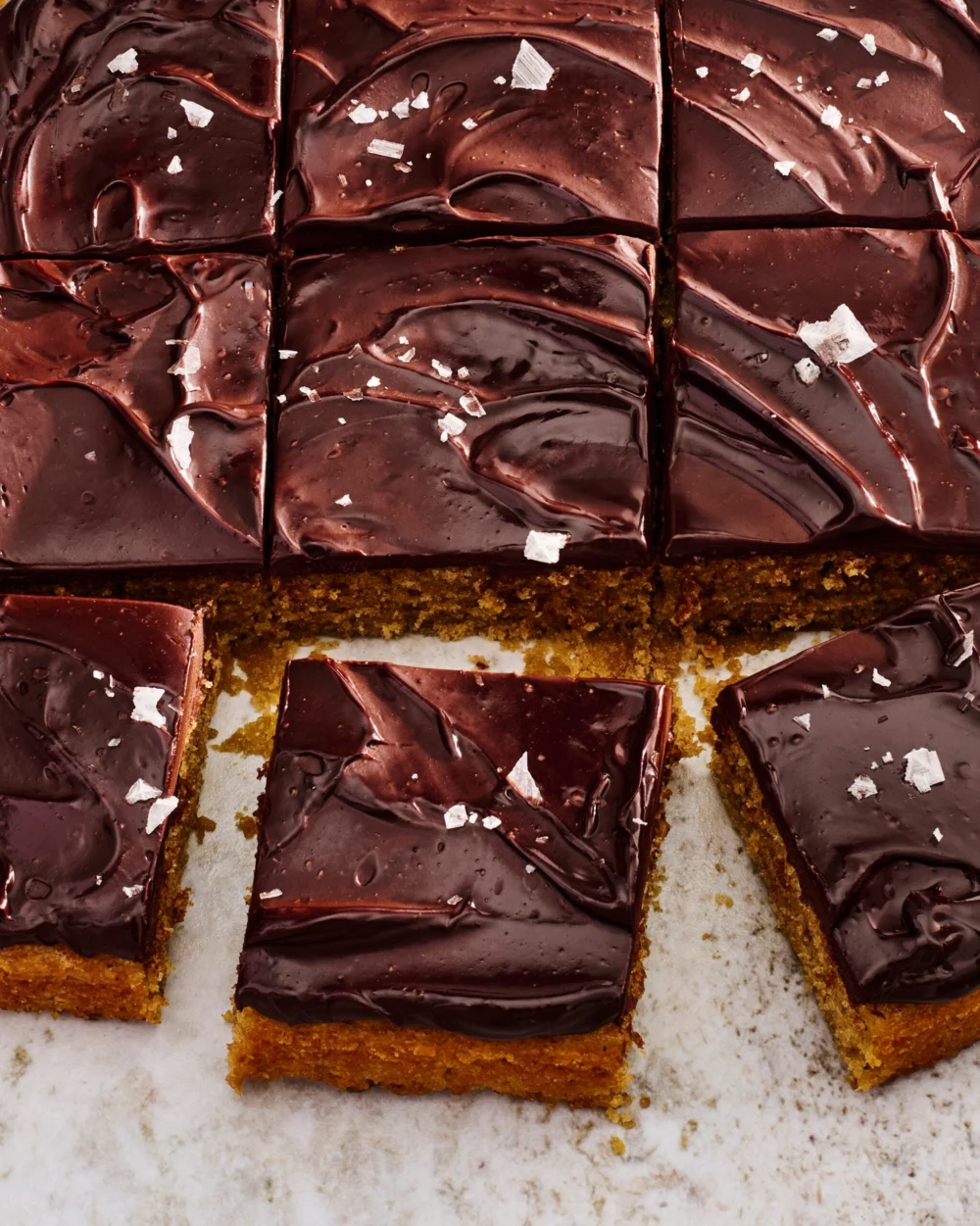
The culinary world is constantly evolving, with chefs and home bakers alike pushing the boundaries of flavor and texture. In a recent development that has sparked considerable interest within gastronomic circles, a novel cake recipe has emerged, showcasing an audacious combination of ingredients that challenges conventional dessert expectations. This innovative creation, which prominently features a blend of cardamom, espresso, and a surprising inclusion of Marmite, offers a complex flavor profile that has been met with both intrigue and anticipation. The recipe, meticulously detailed through a series of five clear steps, guides the baker through the creation of a moist, aromatic cake crowned with a rich, glossy ganache. This development is not merely about a single recipe; it represents a broader trend towards ingredient exploration and a willingness to embrace unexpected pairings in the pursuit of unique taste experiences.
The Genesis of an Unconventional Confection
The precise origin story of this particular recipe is not publicly documented, which is not uncommon in the dynamic landscape of food innovation. However, its emergence can be understood within the context of a growing movement towards "umami-forward" desserts and the increasing popularity of incorporating savory elements into sweet dishes. For years, chefs have experimented with ingredients like soy sauce, miso, and even bacon in desserts, aiming to add depth and complexity beyond mere sweetness. Marmite, a by-product of the brewing industry with a distinctive, intensely savory, and umami-rich flavor, has historically been relegated to toast and savory applications. Its inclusion in a cake ganache represents a significant departure, suggesting a deliberate effort to introduce a profound savory counterpoint to the sweetness of the chocolate and the aromatic warmth of the cardamom.
The recipe itself is structured in a manner that suggests a thoughtful approach to balancing these disparate flavors. The cake batter begins with a foundation of flour, sugar, baking powder, and fine salt, standard elements for a cake. The infusion of cardamom, however, immediately signals an aromatic departure from a typical vanilla or chocolate cake. Cardamom, with its warm, slightly citrusy, and pungent notes, has a long history in both sweet and savory dishes across various cultures, particularly in South Asian and Middle Eastern cuisines. Its inclusion here suggests a desire to build a sophisticated aromatic base.
The liquid component of the batter further diversifies the flavor profile. Coconut milk, warmed and infused with espresso powder, introduces a subtle coffee note and a creamy richness. The warmth of the coconut milk is crucial for dissolving the espresso powder, ensuring an even distribution of its flavor. Espresso, with its inherent bitterness and roasted notes, acts as a natural complement to both chocolate and cardamom, and its integration into the wet ingredients hints at a carefully considered flavor architecture.
The moistness and texture of the cake are further enhanced by the combination of oil, orange zest, vanilla, and vinegar. The oil contributes to a tender crumb, while the orange zest offers a bright, citrusy lift that will cut through the richness of the ganache. Vanilla, a classic baking staple, provides a familiar comforting note, and the vinegar, a common addition to cakes, reacts with leavening agents to contribute to a lighter, more tender crumb. The instruction to avoid overmixing is a standard but critical piece of advice, ensuring the development of gluten is minimized, thereby preventing a tough cake.
A Step-by-Step Symphony of Flavors
The execution of this recipe unfolds in a series of precise steps, each contributing to the final complex product.
Step 1: Preparation and Preheating
The initial step emphasizes meticulous preparation, a hallmark of successful baking. Preheating the oven to 350°F (175°C) ensures an even baking temperature. The use of an 8-inch square cake pan, greased and lined with parchment paper, guarantees easy removal of the cake and prevents sticking, a crucial detail for cakes with potentially delicate textures. Spraying the parchment paper itself adds an extra layer of insurance against adherence.
Step 2: Crafting the Cake Batter
This is where the unique flavor profile begins to take shape. The dry ingredients—flour, sugar, baking powder, fine salt, and cardamom—are whisked together to ensure uniform distribution. Simultaneously, the coconut milk is gently warmed, about 30 seconds on high power in a microwave, just enough to facilitate the dissolution of the espresso powder. This warming step is critical for achieving a smooth, evenly flavored liquid. In a separate bowl, the oil, orange zest, vanilla extract, and vinegar are combined. The orange zest, being a volatile oil, is best added at this stage to preserve its aromatic qualities. The wet ingredients are then incorporated into the dry, with a strong caution against overmixing. The batter is then spread evenly in the prepared pan and tapped lightly to release any trapped air bubbles, which can lead to an uneven texture.
Step 3: Baking and Cooling the Cake
The baking process, lasting 30-35 minutes, is monitored by the toothpick test, a reliable indicator of doneness. A few crumbs clinging to the toothpick suggest the cake is perfectly baked, moist but not undercooked. The initial cooling period in the pan, 10 minutes on a wire rack, allows the cake to stabilize before being turned out. This prevents breakage and ensures a clean release. Complete cooling, approximately 45 minutes, is essential before frosting to prevent the ganache from melting.
Step 4: The Umami Infusion: Crafting the Ganache
This step is arguably the most revolutionary, introducing the Marmite. Coconut milk is heated until hot, about 1 minute in the microwave. This heat is crucial for melting the chocolate chips completely. The chocolate chips are stirred in until a smooth, glossy mixture is achieved. Then, the Marmite is introduced. The instruction to whisk until glossy is key; this indicates that the Marmite has been fully incorporated, its savory notes now harmonizing with the chocolate. The resulting ganache, approximately ¾ cup, is then set aside to cool for 5 minutes, allowing it to thicken slightly before application.
Step 5: Assembly and Presentation
The cooled cake is inverted onto a serving plate, presenting a clean, even surface for the ganache. Approximately ½ cup of the ganache is spread evenly over the top using an offset spatula. The ganache is then allowed to set for about 30 minutes, ensuring it firms up to a desirable consistency. The final flourish, a garnish of flaky salt, is optional but highly recommended. This salt will not only enhance the overall flavor but also provide a textural contrast to the smooth ganache and cake.
Supporting Data and Culinary Trends
The inclusion of Marmite in a dessert ganache aligns with a broader trend in the food industry. Data from market research firms indicate a growing consumer interest in "adventurous eating" and a willingness to explore novel flavor combinations. For instance, a 2022 report by Mintel highlighted that a significant percentage of consumers are actively seeking out new and exotic flavors in their food purchases. This Marmite cake can be seen as a direct response to this evolving palate.
Furthermore, the concept of "umami bombs" in sweet applications is gaining traction. Umami, the fifth basic taste, is often described as savory or meaty. It can add a depth and complexity to dishes that goes beyond the traditional sweet, sour, salty, and bitter. Chocolate itself contains naturally occurring umami compounds, and the addition of Marmite, which is exceptionally rich in glutamate, a key compound responsible for umami, amplifies this effect significantly. This strategic use of umami can transform a standard dessert into a more sophisticated and engaging culinary experience.
The use of cardamom and espresso also speaks to a sophisticated flavor layering. Cardamom is a spice that has seen a resurgence in Western baking, moving beyond its traditional contexts to appear in everything from cookies to coffee drinks. Espresso, a staple in many modern cafés, offers a robust bitterness that can balance sweetness and add an adult edge to desserts. The combination of these three distinct flavor profiles – the warm spice of cardamom, the roasted bitterness of espresso, and the profound savory depth of Marmite – creates a complex and multi-layered taste experience that is far from the one-dimensional sweetness of many conventional cakes.
Expert and Industry Reactions (Inferred)
While specific quotes from the recipe’s creator are unavailable, one can infer potential reactions from culinary professionals and enthusiasts. Pastry chefs and food bloggers who champion experimental baking are likely to view this recipe as a bold and innovative step. They would appreciate the technical skill required to balance such potent flavors. The inclusion of Marmite would be seen as a deliberate act of pushing boundaries, inviting consumers to reconsider their preconceived notions about ingredient pairings.
Conversely, some more traditional palates might approach this recipe with skepticism. The strong, polarizing flavor of Marmite is not universally loved, and its application in a dessert could be met with hesitation. However, the carefully constructed recipe, with its balancing elements of chocolate, citrus, and aromatic spices, suggests that the intent is not to create an overwhelmingly savory cake, but rather to introduce a nuanced complexity. The success of such a recipe often hinges on the quality of the ingredients and the precision of the execution, which the detailed instructions seem to address.
Broader Impact and Implications
This Marmite-infused cake, though a single recipe, carries broader implications for the future of dessert creation. It underscores a growing willingness among home bakers and professional chefs to experiment with ingredients that were once considered strictly off-limits for sweet applications. This experimentation is not just about novelty; it’s about exploring the full spectrum of taste and texture to create more engaging and memorable culinary experiences.
The trend towards savory elements in desserts can lead to several positive outcomes. Firstly, it can make desserts more appealing to a wider audience, including those who might find traditional desserts too cloying. Secondly, it encourages a more mindful approach to eating, where the complexity of flavors is appreciated rather than simply the sweetness. Thirdly, it fosters a culture of culinary curiosity and innovation, pushing the boundaries of what is considered possible in the kitchen.
Furthermore, the recipe’s success, if widely adopted and appreciated, could pave the way for other unconventional ingredients to find their place in desserts. This could include fermented products, aged cheeses, or even certain types of vinegars, all of which can offer unique flavor profiles and textures when used thoughtfully. The careful calibration of sweetness, acidity, bitterness, and umami is the key to unlocking these new flavor frontiers.
The detailed instructions provided for this Marmite cake serve as a valuable guide for those eager to explore this new culinary territory. It demonstrates that with careful planning and execution, even the most unexpected ingredients can be harmonized to create something truly remarkable. As the culinary landscape continues to evolve, recipes like this one will undoubtedly inspire further exploration, proving that the most exciting flavors often lie just beyond our conventional expectations. The future of dessert may very well be a delightful interplay of sweet, savory, and everything in between.