admin
admin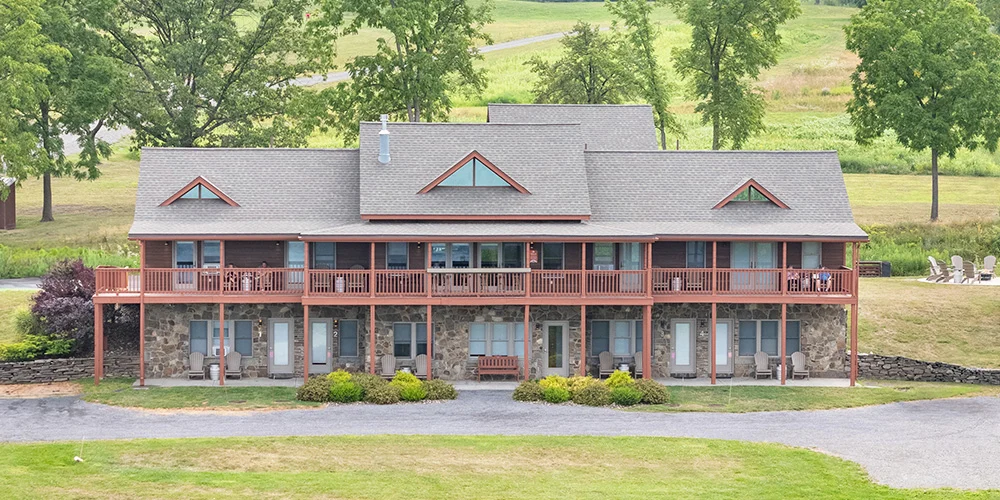
Across the United States, the craft brewing industry is undergoing a significant structural evolution, moving beyond the traditional taproom model to embrace a comprehensive hospitality strategy known as the "beercation." This trend sees independent brewers transforming historic landmarks, rustic barns, and modern bungalows into boutique accommodations that serve as physical extensions of their brand ethos. By integrating overnight stays with the brewing process, these establishments are capturing a growing segment of the travel market that prioritizes experiential consumption over passive tourism. From the rugged cliffs of the Columbia River Gorge to the rolling hills of the Finger Lakes, the convergence of craft beer and specialized lodging is creating a new frontier in the American hospitality sector.
The Strategic Shift Toward Immersive Beer Tourism
The emergence of brewery-owned lodging is not merely a coincidental development but a calculated response to a maturing craft beer market. According to data from the Brewers Association, the United States is home to more than 9,500 breweries, a density that has forced producers to seek innovative ways to differentiate their brands. Industry analysts suggest that as the market nears saturation, the ability to provide a "full-fledged getaway" becomes a powerful tool for customer retention and brand storytelling.
For many brewers, lodging serves as a secondary revenue stream that mitigates the volatility of wholesale distribution. However, the primary value lies in the "immersive emotional connection" established when a consumer spends 24 to 48 hours within a brand’s ecosystem. This transition from a "pint-centric" model to a "destination-centric" model allows breweries to showcase their values through interior design, curated hospitality, and direct interaction with the production team, effectively turning a simple beverage into a lived experience.
Cabin Culture and the Pacific Northwest Model
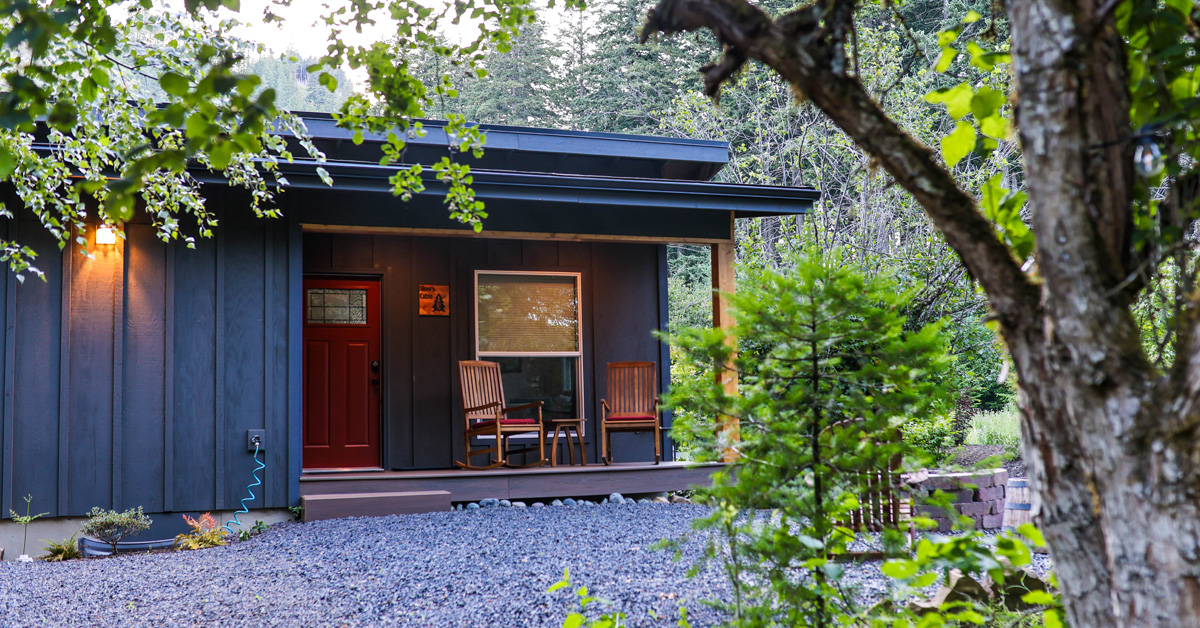
In Carson, Washington, the Backwoods Brewing Company exemplifies the "cabin-core" approach to beer tourism. Located within the Columbia River Gorge National Scenic Area, the brewery has leveraged its proximity to outdoor recreation to build a lodging extension known as Backwoods Cabins. The project, led by CEO Steve Waters and the Waters family, was born from a realization that taproom visitors were often traveling significant distances—one hour from Portland and three from Seattle—and seeking reasons to extend their stay.
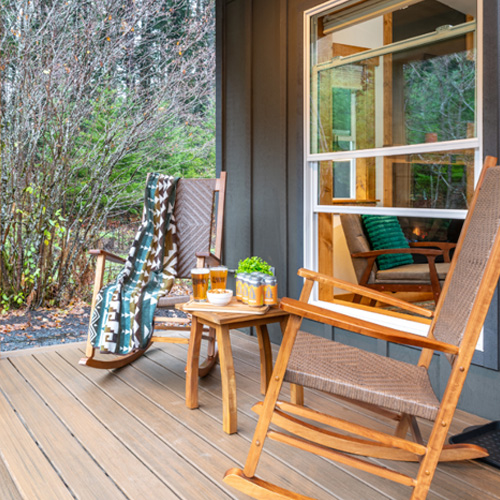
The development consists of eight luxury-leaning cabins, each meticulously themed to reflect the regional geography, such as the "Hiker’s," "Kayaker’s," and "Stargazer’s" units. Architecturally, the cabins balance rustic aesthetics with modern amenities, featuring gas fireplaces, leather upholstery, and kitchenettes. To ensure the brand remains central to the stay, the brewery offers "beer-to-room" add-ons and stocks bathrooms with hops-scented amenities. This integration of the product into the physical environment serves to reinforce the brewery’s identity as a steward of the Pacific Northwest lifestyle.
From a business perspective, the Backwoods model highlights the synergy between localized tourism and craft production. By providing a "basecamp" for explorers, the brewery ensures a captive audience for its flagship offerings, such as the Party Acres Hazy IPA and the Ridge Run Oatmeal Stout.
Historical Preservation and the European Tradition in Vermont
While some breweries build from the ground up, others utilize deep historical roots to anchor their hospitality offerings. The von Trapp Family Lodge in Stowe, Vermont, represents a unique intersection of musical history, Austrian heritage, and modern brewing science. Founded by the family immortalized in The Sound of Music, the 2,600-acre estate added von Trapp Brewing to its portfolio to fulfill Johannes von Trapp’s vision of producing traditional European-style lagers on American soil.
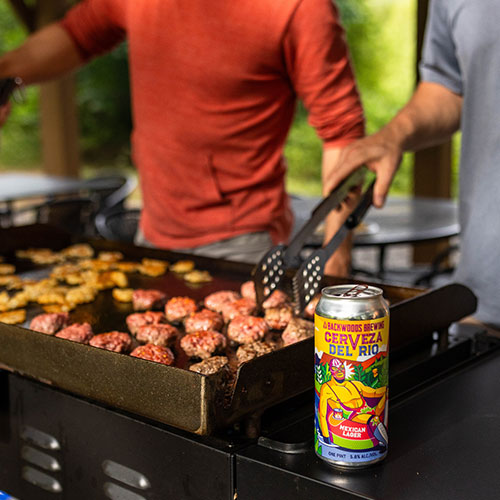
The brewery is integrated into the resort’s infrastructure, utilizing natural spring water sourced directly from the property. The "Bierhall" serves as a culinary hub, pairing Austrian-inspired fare like schnitzel and bratwurst with award-winning Helles and Kölsch-style ales. Emily Provost, the brewery’s marketing manager, notes that the lodging allows guests to "live, eat, and drink like a von Trapp," suggesting that the beer is an inseparable component of the land’s history.
This model demonstrates the power of "heritage brewing," where the product’s authenticity is validated by the physical environment in which it is consumed. The ability to offer guided brewery tastings alongside snowshoe tours led by family members creates a level of brand depth that traditional retail cannot replicate.
Adaptive Reuse and the Modernization of the Finger Lakes
In the Finger Lakes region of New York, Grist Iron Brewing has pioneered a different chronological approach. Unlike many competitors who add lodging years after establishing a brewery, Grist Iron’s founders selected their Watkins Glen site specifically because it already contained existing rooms. This "lodging-first" strategy allowed the brewery to launch as a complete destination from day one.
The Lodge at Grist Iron features a "rustic-modern" aesthetic characterized by brewing-themed murals and upscale amenities. A notable feature of the guest experience is the inclusion of built-in shower ledges designed specifically for "shower beers," a move that social media and marketing coordinator Emily Knowlden describes as a "perfectly on-brand touch."
The expansion of the property to include "Beer Mountain"—a disc golf course and dog park featuring an on-site "Woof Top" bar—further blurs the lines between a manufacturing facility and a full-scale resort. This diversification suggests that the future of brewery lodging may involve expansive outdoor "playgrounds" that cater to families and pet owners, broadening the demographic reach of the craft beer brand.
A Chronology of Brewery Hospitality in America
The evolution of the brewery-hotel hybrid can be traced through several key phases of the American craft beer movement:
- The Brewpub Era (1980s–1990s): Early pioneers like McMenamins in Oregon and Washington began the trend of adaptive reuse, transforming derelict schools, churches, and poor farms into eclectic hospitality hubs. Their model proved that historic preservation and craft beer were mutually beneficial.
- The Destination Brewery (2000s–2010s): Large-scale producers began building "cathedrals of beer" with expansive kitchens and tour facilities, though overnight lodging remained a rarity.
- The Boutique Era (2020–Present): Smaller, independent breweries began opening highly curated, brand-specific accommodations. This phase is defined by "hyper-branding," as seen in Fargo’s Brewhalla Crash Pad, where Drekker Brewing themes individual rooms after specific beer labels, such as the "Mind Bullets" suite.
Economic Implications and Market Analysis
The integration of lodging into the brewery business model represents a significant capital investment, but one that offers high rewards in terms of consumer data and lifetime value. When a guest stays at a brewery hotel, the company gains unprecedented insight into consumer behavior, from dining preferences to peak consumption times.
Furthermore, these establishments contribute to the economic stabilization of rural and historic districts. The Commerce Street Brewery Hotel in Mineral Point, Wisconsin, for example, provides essential tourism infrastructure to a historic district, drawing visitors who might otherwise bypass the small town. Similarly, the Calistoga Inn & Napa Valley Brewing Co. serves as a bridge between the traditional wine tourism of Northern California and the rising interest in craft ales, proving that beer can compete on equal footing with the wine industry in terms of luxury and hospitality.
Future Outlook and Industry Trajectory
As the "beercation" trend continues to gain momentum, industry experts anticipate a shift toward even more specialized niches. We may see the rise of "wellness-centric" brewery stays that pair low-alcohol craft options with yoga retreats, or "tech-forward" stays that use augmented reality to guide guests through the brewing process from their hotel rooms.
The success of these destinations underscores a fundamental truth in the modern economy: consumers are no longer just buying a product; they are buying an identity. By providing a place to sleep, eat, and explore, brewers are ensuring that their "story" is told not just through a glass, but through an entire environment. For the American craft brewer, the pint glass is no longer the final destination—it is merely the welcome drink to a much larger experience.