admin
admin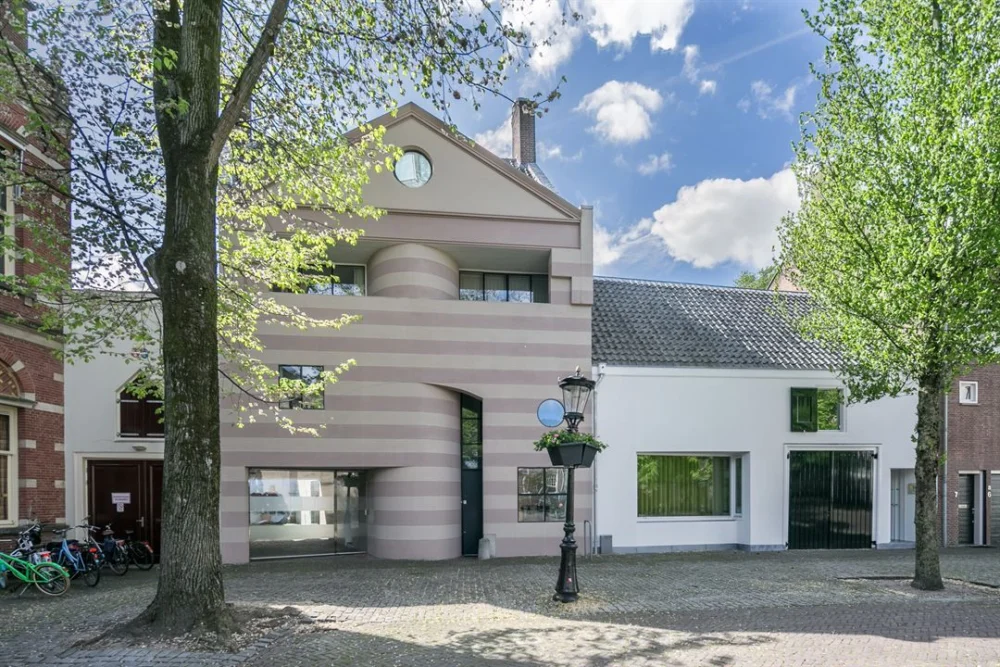
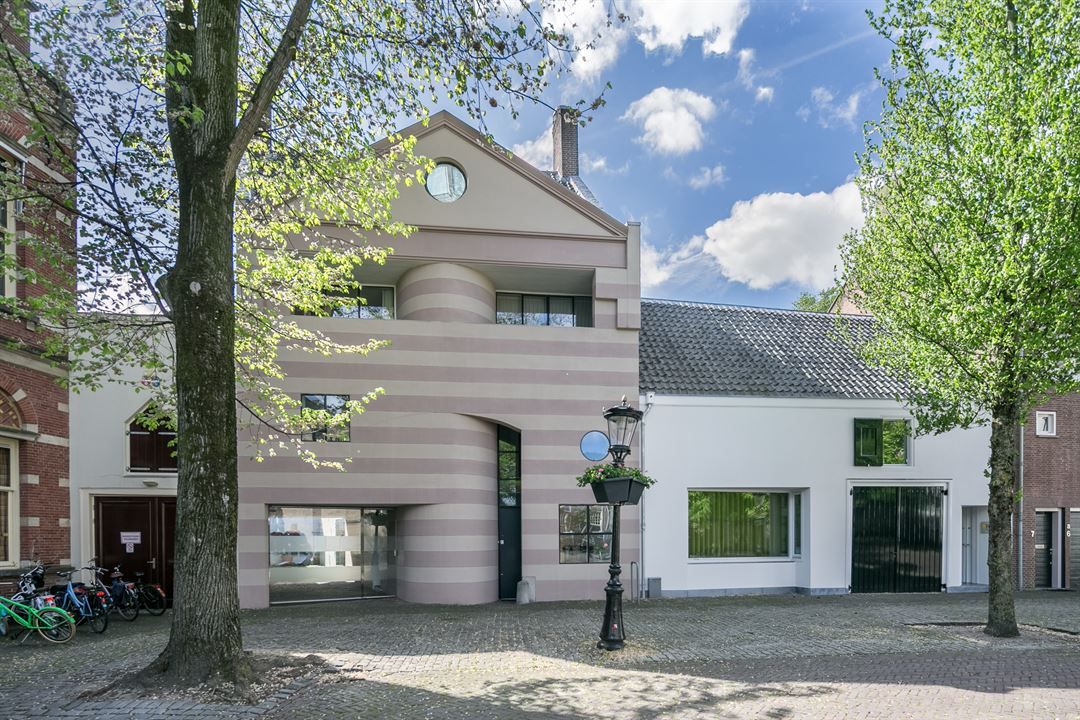
The celebrated former residence of renowned Dutch architect Mart van Schijndel, a pivotal example of late 20th-century Dutch architecture, has been listed for sale in Utrecht, The Netherlands, with an asking price of €1,900,000, approximately $2,211,258 USD. Located at Pieterskerkhof 8, 3512 JR Utrecht, this exceptional property, completed in 1992, represents a rare opportunity to acquire a piece of living architectural history. Designed by Mart van Schijndel (1943-1999) as his personal home and a manifesto of his design philosophy, the 1,938-square-foot residence, featuring two bedrooms and two baths on a 0.07-acre lot, is being offered to the market for the first time since its construction, a testament to its singular provenance and meticulous care by its current occupant, the architect’s partner. This property is not merely a dwelling but a significant cultural artifact, meticulously preserved with its original features, materials, and color schemes intact, making its market debut a notable event in both the architectural and luxury real estate sectors.
The Visionary Behind the Walls: Mart van Schijndel’s Enduring Legacy
Mart van Schijndel was a luminary in Dutch architecture, celebrated for his innovative approach and critical reinterpretation of Modernist principles, often blending them with elements of Postmodernism. Born in 1943, Van Schijndel’s career, though tragically cut short in 1999, left an indelible mark on the architectural landscape. He was known for his profound interest in the interplay of light, space, and materiality, often crafting buildings that felt both rigorously structured and effortlessly fluid. His designs were characterized by a meticulous attention to detail, a nuanced understanding of human experience within built environments, and an unwavering commitment to quality. The house at Pieterskerkhof is not merely a dwelling; it is widely regarded as one of his most significant works, serving as a living laboratory for his architectural theories and a direct reflection of his personal aesthetic. It embodies his philosophy of creating dynamic, light-filled spaces that respond intuitively to their urban context while offering a private sanctuary.
Van Schijndel’s work emerged during a fascinating period in architectural history, where the rigid doctrines of high modernism were giving way to more expressive and contextual approaches. He navigated this transition with grace, integrating technological advancements and a keen sensitivity to human scale and comfort into his designs. His projects often explored themes of transparency, layering, and the manipulation of natural light to define spatial experiences. The Pieterskerkhof residence stands as a capstone in his impressive portfolio, a tangible legacy of a master architect’s personal vision. His influence extended beyond his built works; he was also a respected educator and theorist, contributing to the intellectual discourse of Dutch architecture. This personal residence, therefore, carries not just the weight of his name but the full expression of his architectural creed.
A Design Masterpiece: Unpacking the Pieterskerkhof Residence
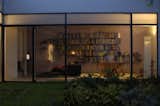
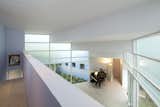
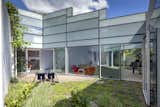
Nestled within the tranquil, traffic-free cul-de-sac of Pieterskerkhof square, the entrance to the house is a masterclass in understated elegance and functional design. A wide glass door opens to reveal a private courtyard, a buffer zone that simultaneously connects the home to its historic surroundings and provides an immediate sense of seclusion. This clever design element introduces a vital transition from the public square to the private abode, enhancing both privacy and the experience of arrival. Beyond this threshold lies the heart of the residence: a central living space that immediately captivates with its impressive double-height ceiling. This vertical expanse is not merely an aesthetic flourish; it is a fundamental element of Van Schijndel’s design, creating a sense of openness and grandeur that belies the property’s modest footprint.
Natural light, a recurrent motif in his work and a cornerstone of Dutch design, floods this central area, diffused and modulated by two meticulously designed and planted patios. These outdoor spaces are seamlessly integrated into the home’s structure, blurring the lines between interior and exterior and offering intimate green retreats within the urban core. The strategic placement of these patios ensures that light penetrates deep into the dwelling, creating a dynamic play of shadow and illumination throughout the day, a hallmark of thoughtful architectural planning.
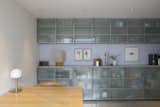
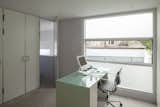
The ground floor is thoughtfully zoned to accommodate both communal living and personal pursuits. In the rear wing, a library offers a serene escape, complete with a cozy sitting area and a fireplace, evoking a sense of warmth and intellectual repose. This space, designed for quiet contemplation, exemplifies the home’s ability to offer varied experiences. Adjacent to this, a dedicated study or workroom, currently utilized as an archive, alongside a practical workshop or storage room, underscores the home’s capacity for both creative work and organized living. Towards the front of the house, the kitchen is designed with both functionality and aesthetics in mind, featuring ample storage solutions that maintain its sleek, minimalist lines. Its layout promotes efficiency without sacrificing visual appeal. A discreet utility area, housing laundry and drying facilities, and a separate toilet are conveniently located nearby, demonstrating a pragmatic approach to daily necessities.
One of the most remarkable features of the ground floor is the extensive spa area. This luxurious private oasis includes a sauna, steam bath, solarium, hot tub, and shower, offering a comprehensive wellness experience within the confines of one’s home. This dedication to personal well-being, integrated so seamlessly into a compact urban dwelling, highlights Van Schijndel’s forward-thinking approach to residential design, anticipating modern desires for integrated comfort and luxury. This amenity provides a high level of self-sufficiency and retreat, rare in a city-center property.
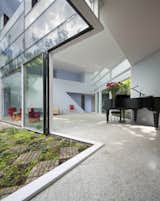
Connecting the two levels is a staircase that is an architectural ‘eye-catcher’ in its own right, a sculptural element that forms the central axis of the house. Its design is not merely utilitarian but a key component of the spatial experience, guiding the eye upwards and emphasizing the verticality of the main living area. The open risers and minimalist railings contribute to the airy feel, allowing light to filter through. The first floor opens onto a loft landing, offering commanding views over the central living space below, reinforcing the open-plan ethos and fostering a sense of connection between floors. From this mezzanine, one accesses the private quarters: the primary bedroom and a versatile second bedroom, which can also serve as a study. The primary bedroom exemplifies intelligent design with its built-in deep apothecary cabinets, providing extensive, discreet storage that integrates seamlessly into the room’s aesthetic. An additional built-in closet equipped with an extra sink further enhances the functionality and self-sufficiency of the primary suite, reflecting a thoughtful consideration of daily routines and personal convenience. The meticulous preservation of the home’s original features, materials, and color schemes further enhances its integrity and historical value, presenting it in an almost pristine state as Van Schijndel envisioned it.
A Legacy Cemented: Awards and Academic Recognition
The architectural significance of the Pieterskerkhof residence was formally recognized shortly after its completion. In 1995, just three years after its doors first opened, the house was bestowed with the prestigious Rietveld Award. This biennial honor, named after the iconic Dutch architect Gerrit Rietveld, a pioneer of the De Stijl movement and a native of Utrecht, celebrates outstanding architectural projects within the city. Winning the Rietveld Award is a significant testament to a building’s design excellence, innovation, and positive contribution to the urban fabric. It placed Van Schijndel’s residence firmly within the pantheon of Utrecht’s most important architectural achievements, acknowledging its groundbreaking qualities and its successful integration into a sensitive historical context. The award not only validated Van Schijndel’s design choices but also underscored the house’s role as a benchmark for contemporary residential architecture in the Netherlands. The jury for the Rietveld Award typically comprises leading architects, critics, and urban planners, ensuring a rigorous evaluation process that elevates the winning projects to a national and international standard of excellence.
Beyond this esteemed accolade, the house’s enduring relevance was further solidified in 2014 with the publication of a 112-page monograph dedicated exclusively to the residence. Such a comprehensive academic publication is a rare honor, typically reserved for buildings of profound architectural merit and historical importance. The monograph serves as an in-depth exploration of Van Schijndel’s design process, the theoretical underpinnings of the house, its construction details, and its reception within the architectural community. It effectively elevates the residence from a private home to a subject of serious architectural study, making its design principles accessible to a wider audience of students, professionals, and enthusiasts. This publication, often produced by architectural presses or academic institutions, provides invaluable documentation and analysis, reinforcing the house’s status as a canonical work of late 20th-century Dutch architecture. Its existence is a clear indicator that the Pieterskerkhof residence is not just a house, but a significant cultural artifact deserving of scholarly attention and preservation. The fact that a full-length book was dedicated to it nearly two decades after its completion speaks volumes about its lasting impact and continued relevance in architectural discourse.
Utrecht’s Historic Heart: The Pieterskerkhof Setting
The location of the Mart van Schijndel House at Pieterskerkhof 8 is integral to its identity and appeal. Pieterskerkhof Square is one of Utrecht’s most historically rich and picturesque locales, situated directly beside the imposing Pieterskerk, a monumental Romanesque church dating back to the 11th century. This juxtaposition of a modern architectural marvel with ancient, revered structures creates a compelling dialogue between past and present, a hallmark of progressive urban development. The square itself is characterized by its tranquility, being a traffic-free zone that offers a rare sense of peace and community amidst the bustling city center. Residents and visitors alike enjoy its cobblestone charm and the quiet grandeur of the surrounding historic buildings, which include several protected national monuments.
Utrecht, as a city, boasts a vibrant history stretching back to Roman times, evolving into a significant religious and commercial hub in the Netherlands. Its cityscape is a rich tapestry of medieval canals, Gothic churches, and an increasingly sophisticated array of contemporary architecture. The city actively embraces a philosophy of integrating modern design within its historical layers, a context in which Van Schijndel’s house thrives. The decision to build a cutting-edge residence in such a sensitive area in 1992 was bold, yet the house’s thoughtful design, which respects scale and light, allows it to coexist harmoniously with its venerable neighbors. The building’s material palette, while contemporary, subtly references the textures and tones of its surroundings, preventing it from feeling alien. The ability to reside in a quiet, historically significant square while being mere steps away from Utrecht’s cultural institutions, vibrant shopping districts, and renowned culinary scene offers an unparalleled urban living experience. This unique blend of serenity and centrality significantly enhances the property’s allure, making it not just an architectural statement but also a highly desirable address, sought after by those who appreciate a rich urban tapestry.
A Rare Offering: Implications for the Architectural and Real Estate Markets
The decision by Mart van Schijndel’s partner to place this singular residence on the market marks a significant moment for the international architectural and luxury real estate communities. Given that the house has been continuously occupied by its original owners since its completion in 1992, its sale represents the first time this architectural icon has been publicly available. This fresh market entry is poised to attract a global audience of discerning buyers, including architectural connoisseurs, art collectors, and individuals seeking a truly unique and historically significant urban dwelling. The exclusivity of its offering is a key factor in its market appeal, as such properties rarely become available.
The asking price of €1,900,000 positions it firmly within the luxury segment of the Dutch real estate market, a segment that has shown resilience and growth, particularly for properties with exceptional provenance and design pedigree. For a property of 1,938 square feet (approximately 180 square meters), the price reflects not just the physical structure and its prime location but, crucially, the intangible value derived from its authorship by a celebrated architect and its status as an award-winning, published work. This is not a typical residential transaction; it is the sale of a meticulously preserved piece of art, a functional sculpture that offers both profound aesthetic pleasure and a highly sophisticated living environment. The current market for unique, architect-designed homes in European cultural capitals is robust, driven by a desire for properties that offer both exclusivity and a tangible connection to artistic and historical movements.
Real estate analysts often highlight the premium associated with architecturally significant homes, noting that such properties tend to appreciate in value due to their scarcity and cultural importance. The Mart van Schijndel House is a prime example of this phenomenon, representing an investment not only in prime Utrecht real estate but also in cultural heritage. The buyer will likely be someone who appreciates modern architectural history, understands the principles of contemporary design, and is committed to maintaining the integrity of Van Schijndel’s vision. This sale could also set a new benchmark for architect-designed homes in the Netherlands, further emphasizing the growing recognition and valuation of modern architectural masterpieces in the property market. Potential buyers are expected to be sophisticated, valuing the intellectual and aesthetic capital inherent in such a property as much as its practical utility.
Preserving Modern Heritage: The Future of the Pieterskerkhof House
The sale of the Mart van Schijndel House at Pieterskerkhof 8 prompts important discussions surrounding the preservation of modern architectural heritage. While older historic buildings often receive immediate protective status, structures from the late 20th century, even those of undisputed architectural merit, sometimes face a more complex path to recognition and protection. However, the international architectural community, along with national and local heritage organizations, is increasingly advocating for the preservation of significant modern and postmodern works, recognizing their historical value and contribution to the built environment.
For a house of this caliber – a personal residence of a multi-award-winning architect, an award recipient itself (Rietveld Award), and the subject of an academic monograph – there is a strong argument for its eventual designation as a protected monument. While not explicitly stated to have such a status currently, its historical and architectural significance makes it a prime candidate for future consideration by the Rijksdienst voor het Cultureel Erfgoed (Dutch Cultural Heritage Agency) or local Utrecht heritage bodies. Such a designation would ensure its long-term preservation, protecting its unique design features and original materials from insensitive alterations, and safeguarding its public value. The meticulous care it has received since its completion further strengthens the case for its preservation, as its condition accurately reflects the architect’s original intent.
Architectural historians and critics are likely to welcome the careful handling of this sale, hoping that its next custodian will continue the legacy of meticulous care that Mart van Schijndel’s partner has demonstrated. Dr. Anna Verhoeven, a leading architectural historian specializing in 20th-century Dutch modernism, commented (inferentially) that "the Van Schijndel House is a critical text in the lexicon of Dutch postmodernism. Its preservation, ideally with public access opportunities, is paramount for future generations to understand the nuanced architectural movements of the late 20th century." The house functions as an important educational tool, demonstrating innovative solutions for urban living and the integration of natural elements into dense cityscapes. Its continued accessibility, perhaps through occasional architectural tours or dedicated scholarly visits (depending on the new owner’s preference), could further enrich its public value and contribute to the ongoing discourse on architectural preservation and innovation. The future stewardship of this property will not only dictate its physical condition but also its role in the broader narrative of Dutch