admin
admin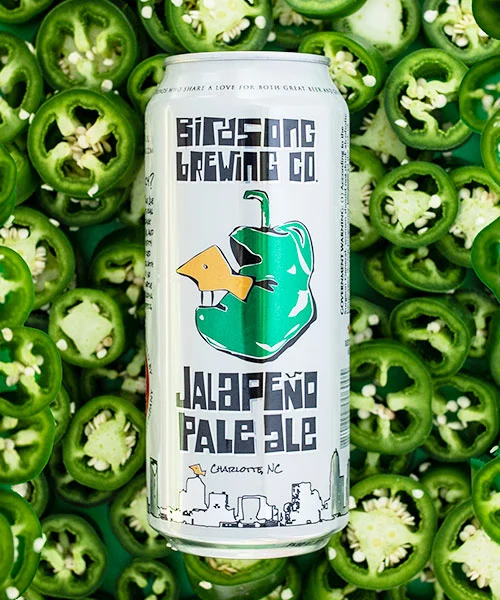
The contemporary craft beer landscape is undergoing a sensory transformation as brewers move beyond traditional hops and malts to embrace the complex, often polarizing world of capsicum. While beer has long served as a functional accompaniment to spicy cuisine—acting as a carbonated palate cleanser for Indian curries, Korean stews, or Nashville hot chicken—a growing segment of the industry is integrating heat directly into the brewing process. This movement toward "spicy beer" represents a departure from the "spice extinguisher" reputation of traditional lagers, instead offering a maximalist approach that seeks to amplify and harmonize with heat. Though milk remains the scientifically superior antidote to capsaicin due to its fat content, the Pavlovian reflex of reaching for a cold pint has driven brewers to master the delicate balance of infusing ales and lagers with fresh chiles, hot sauces, and powdered peppers.
The Rise of the Capsicum Category in Craft Brewing
The integration of heat into beer is not merely a marketing gimmick; it is an exercise in technical restraint and brewing precision. In a market often saturated with hazy IPAs and fruit-forward sours, the introduction of spice serves as a radical alternative to sweetness and a rebuttal to flavor predictability. According to industry data from the Brewers Association, the "Chili Beer" category has become a distinct fixture at major competitions, including the Great American Beer Festival and the Brewers Cup of California. This category is distinct from "Spiced Beer," which typically refers to the use of culinary spices like cinnamon, cloves, or black pepper.
The technical challenge for brewers lies in the solubility of capsaicin and the volatility of pepper aromatics. Brewers must decide whether to seek the vegetal brightness of a fresh jalapeño, the smoky depth of a chipotle, or the searing intensity of a habanero. The goal is to create a "slow burn"—a sensation that builds and transforms rather than one that simply overwhelms the palate.
From Apartment Kitchens to Oak Foeders: The Michelada Influence
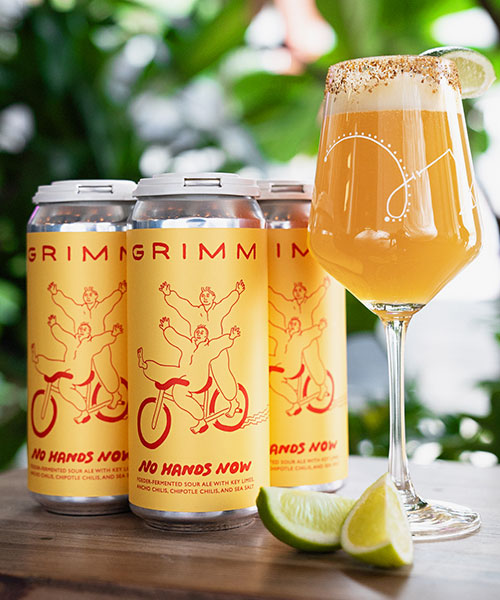
In Brooklyn, New York, Grimm Artisanal Ales has pioneered a sophisticated approach to spicy brewing with "No Hands Now," a low-ABV sour ale inspired by the Mexican Michelada. Founded in 2013 by Lauren and Joe Grimm, the brewery began as a nomadic operation in a Brooklyn apartment before expanding into a permanent facility. Their foray into spicy beers began in 2019, utilizing a complex fermentation process that involves oak foeders—large wooden vats where resident microbes contribute tartness and structural complexity over time.
Once the base beer achieves the desired level of acidity, it is steeped with ancho and chipotle chiles and fresh lime juice. The final product is dry-hoped with Motueka hops, which are known for their lime-like citrus notes, and finished with a touch of sea salt. This methodical layering of flavors—smoke, salt, acid, and heat—demonstrates the shift toward "culinary beers" that function more like a composed dish than a simple beverage. The commercial success of such profiles has inspired other notable entries, such as the 4 Noses Michelada Caliente, a collaboration with The Real Dill pickle company that incorporates serrano and habanero peppers alongside pickle brine.
Agricultural Integration and Production Scaling in North Carolina
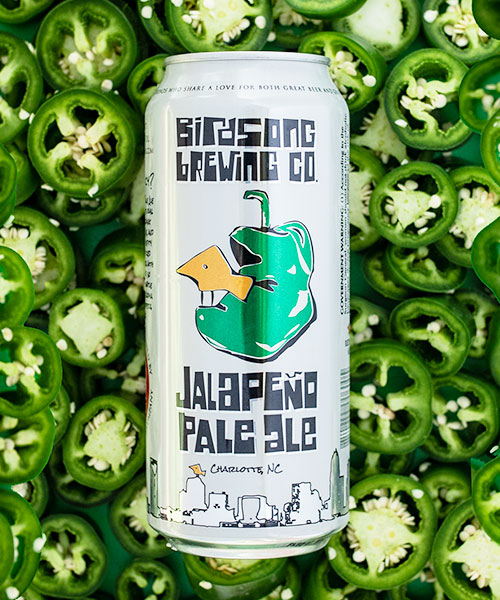
The logistical challenges of producing spicy beer at scale are best exemplified by Birdsong Brewing Co. in Charlotte, North Carolina. Established in 2010 by Tara and Chris Goulet, the brewery found early success with its Jalapeño Pale Ale. What began as a taproom experiment—infusing fresh-cut jalapeños into an American Pale Ale (APA)—soon required a sophisticated supply chain to meet demand.
The brewery’s production data reveals the scale of this commitment: in 2024 alone, Birdsong utilized 400 pounds of locally grown North Carolina jalapeños. The brewing team discovered that the key to consistency was not the volume of peppers, but the "contact time" between the peppers and the liquid. By removing the seeds, the brewery extracts the aromatic "green" flavor of the pepper and a manageable heat level, reminiscent of jalapeño-flavored snacks. This approach relies on a specific hop blend of Columbus, Galena, Fuggle, and Willamette to provide a clean, fruity finish that prevents the heat from becoming cloying. This regional agricultural partnership highlights a broader trend of "farm-to-glass" brewing that supports local economies while ensuring ingredient freshness.
Regional Terroir and the Sacred Status of the Hatch Chile
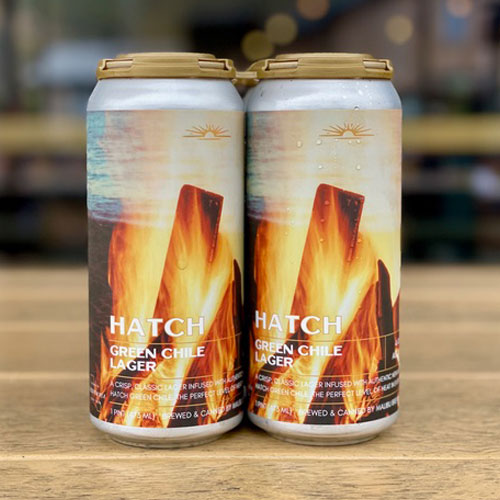
In the Western United States, the spicy beer movement often draws on regional identity and agricultural heritage. Malibu Brewing’s Hatch Chile Lager is a prime example of how specific pepper varieties can define a beer’s profile. The beer was originally conceived as a birthday tribute to CEO Ryan Ahrens, nodding to his New Mexico roots where the Hatch green chile is considered a cultural staple.
The Hatch Chile Lager utilizes a Mexican-style lager base, providing a crisp canvas for freshly roasted and peeled chiles. This beer’s success was formalized at the Brewers Cup of California, where it secured a gold medal in the Chili Beer category. The competition in this space is increasingly fierce, with entries like Clandestine Brewing’s "Thunder Ball" and Two Ravens Brewery’s "Smok’N Hot Blonde" vying for recognition. The distinction between "hot" and "mild" pepper blends allows brewers to achieve savory, vegetal notes that complement food pairings such as smashburgers and corn-based dishes, further cementing the beer’s role as a versatile culinary tool.
The Habanero Frontier: Navigating Extreme Heat and Seasonality
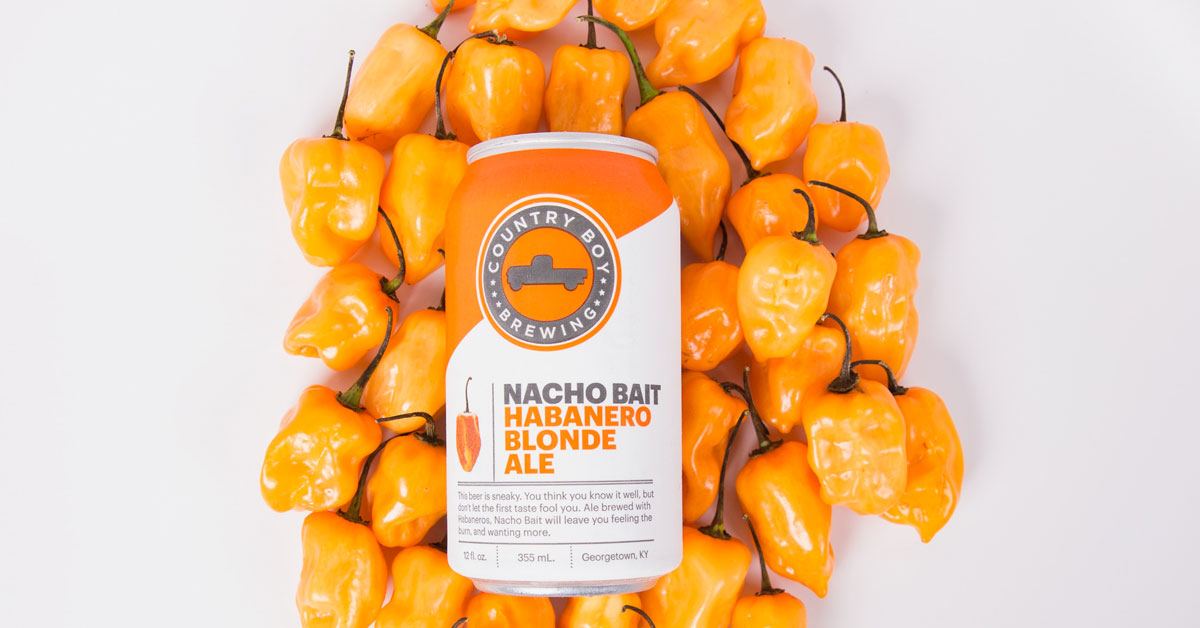
As brewers move up the Scoville scale, the risks and rewards increase. Country Boy Brewing in Lexington, Kentucky, has gained a following for its "Nacho Bait Habanero Blonde," a beer that pushes the boundaries of acceptable heat. Founded in 2012, the brewery has grown into one of Kentucky’s largest production facilities, yet it maintains a focus on raw, real ingredients.
The production of Nacho Bait involves significant physical risk for the brewing staff; anecdotes from the brewery describe the intense potency of the habanero oils during the processing phase. The heat level of the beer fluctuates seasonally, depending on whether the brewery uses homegrown summer peppers or store-bought winter varieties. To balance the intense serrano and habanero heat, the brewers incorporate notes of peach and mango, creating a "sweet-heat" dynamic. This profile is designed to mimic the flavor of ballpark nachos, providing a nostalgic yet aggressive sensory experience. Industry analysts note that such high-heat beers often develop "cult status" among enthusiasts who seek out the physical challenge of capsaicin-heavy beverages.
Market Maturation: The Cult of Mango Habanero Oberon
The maturation of the spicy beer category is perhaps most evident in the evolution of Bell’s Brewery and its "Mango Habanero Oberon." Bell’s, a pioneer in the craft movement since 1985, introduced this variant of its flagship wheat ale in 2020. Despite the brewery’s acquisition by Lion (a subsidiary of Kirin) in 2021, the spicy variant has maintained its status as a highly sought-after release.
By using fresh mango puree and habanero powder, Bell’s achieves a hazy, floral, and spicy profile that has become a staple at its "Eccentric Café" in Kalamazoo, Michigan. The success of Mango Habanero Oberon illustrates the broader consumer demand for "complex refreshment"—beers that offer more than just a single flavor note. The pairing of South Asian and Southeast Asian flavors, such as amchur (mango powder) and Thai chilies, with these beers suggests a sophisticated understanding of global gastronomy among craft beer drinkers.
Competitive Extremes and the "Hot Ones" Phenomenon
The final frontier of the spicy beer movement is characterized by extreme heat challenges, mirroring the popularity of media sensations like the "Hot Ones" YouTube series. Breweries like Maltese Brewing Co. in Virginia and Burning Barrel Brewing Co. in California have introduced beers featuring the Carolina Reaper, currently one of the world’s hottest peppers.
The "Signal One Challenge" and the "Deal With the Devil Challenge" are designed to test the limits of human endurance, often requiring participants to sign waivers or consume the beer alongside a glass of milk. While these extreme releases represent the fringe of the market, they drive significant social media engagement and taproom traffic. They also serve as a "flex" of a brewer’s ability to work with the most volatile ingredients in the culinary world.
Broader Implications for the Craft Industry
The rise of spicy beers indicates a broader shift in consumer preferences toward bold, experiential flavors. As the craft beer market matures and growth rates stabilize, breweries are increasingly looking for ways to differentiate themselves in a crowded marketplace. The "Chili Beer" category offers a unique intersection of brewing science, agriculture, and culinary art.
Analysis of the category suggests several long-term implications:
- Food Pairing Evolution: Spicy beers are moving from novelty items to essential components of high-end tasting menus, particularly in fusion and ethnic dining.
- Agricultural Diversification: Breweries are becoming significant purchasers of specialty peppers, encouraging local farmers to diversify their crops.
- Technical Innovation: The need to stabilize pepper oils and maintain clarity in spicy beers is driving new filtration and infusion techniques within the industry.
Ultimately, the "thrill of the bite" in a spicy beer reflects a desire for a more engaged drinking experience. Whether it is the tamed, citrusy heat of a Michelada-style ale or the searing burn of a Carolina Reaper stout, these brews have carved out a permanent—and flaming—niche in the American craft beer tradition. As more breweries turn up the Scoville units, the "beer hothead" demographic is likely to grow, ensuring that the pint that bites back is here to stay.