admin
admin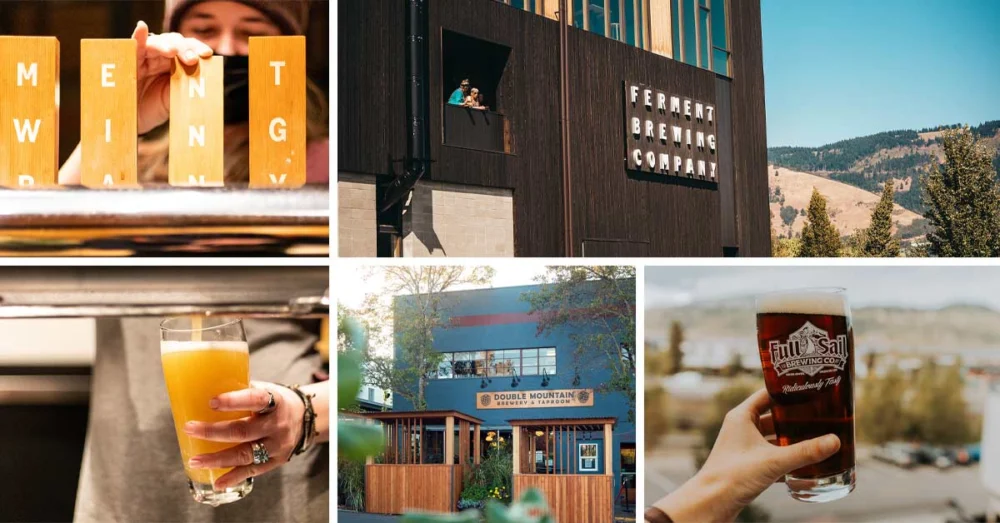
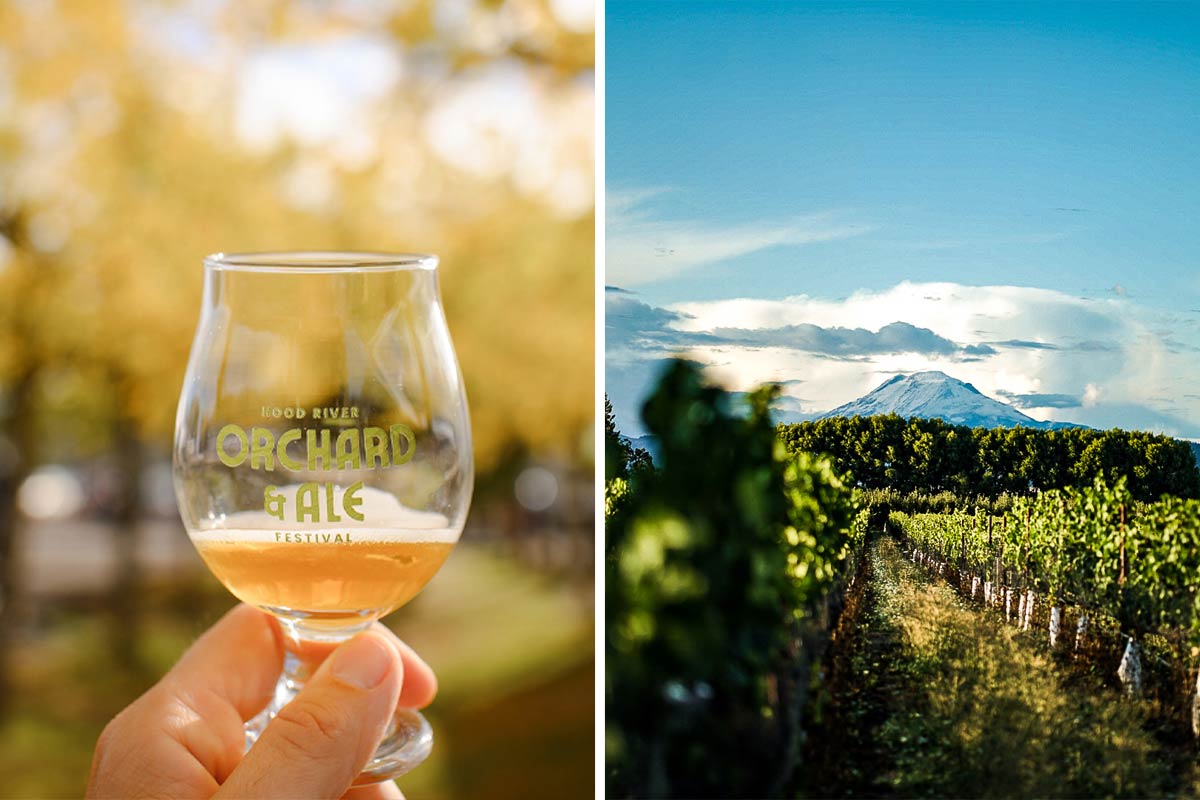
The inaugural Hood River Orchard and Ale Festival recently debuted on the waterfront of the Columbia River, marking a significant milestone in the evolution of Oregon’s craft beverage sector. Situated in the heart of the Columbia River Gorge National Scenic Area, the event served as a showcase for the region’s unique intersection of agriculture, geology, and brewing expertise. While the festival celebrated the harvest season, it also highlighted the logistical and environmental realities of the Gorge, where steady gusts from the "wind tunnel" effect—a result of the atmospheric pressure gradient between the Pacific Coast and the arid eastern deserts—influenced the event’s atmosphere and necessitated durable infrastructure for attendees.
The Columbia River Gorge, an 85-mile-long canyon carved by ancient floods, provides more than a scenic backdrop for the festival; it acts as the primary driver of the local brewing industry’s success. The festival’s location on the Hood River waterfront allowed participants to observe the direct link between the environment and the product. According to industry analysts, the region’s brewing prowess is predicated on three primary factors: the purity of the Hood River watershed, the proximity to the Willamette Valley hop fields, and a historical legacy of craft innovation that dates back nearly four decades.
Geological Foundations: The Role of the Cascade Watershed
The technical quality of the beer produced in Hood River is often attributed to the local water source. Unlike many metropolitan breweries that rely on processed municipal water, Hood River establishments draw from the Hood River watershed. This water originates as snowmelt from the 14,000-foot peaks of the Cascade Mountains. As the water travels toward the valley, it undergoes a natural filtration process through layers of volcanic basalt rock.
This geological filtration yields water that is notably soft and rich in essential minerals, providing an ideal chemical base for a wide variety of beer styles. For brewers specializing in delicate lagers, such as those found at pFriem Family Brewers and Working Hands Fermentation, this water profile allows for a clean, crisp finish without the need for extensive chemical adjustments. The "softness" of the water enhances the expression of malt and hops, a factor that has helped Hood River breweries consistently secure national accolades at events like the Great American Beer Festival.
Agricultural Synergy: From the Willamette Valley to the Fruit Loop
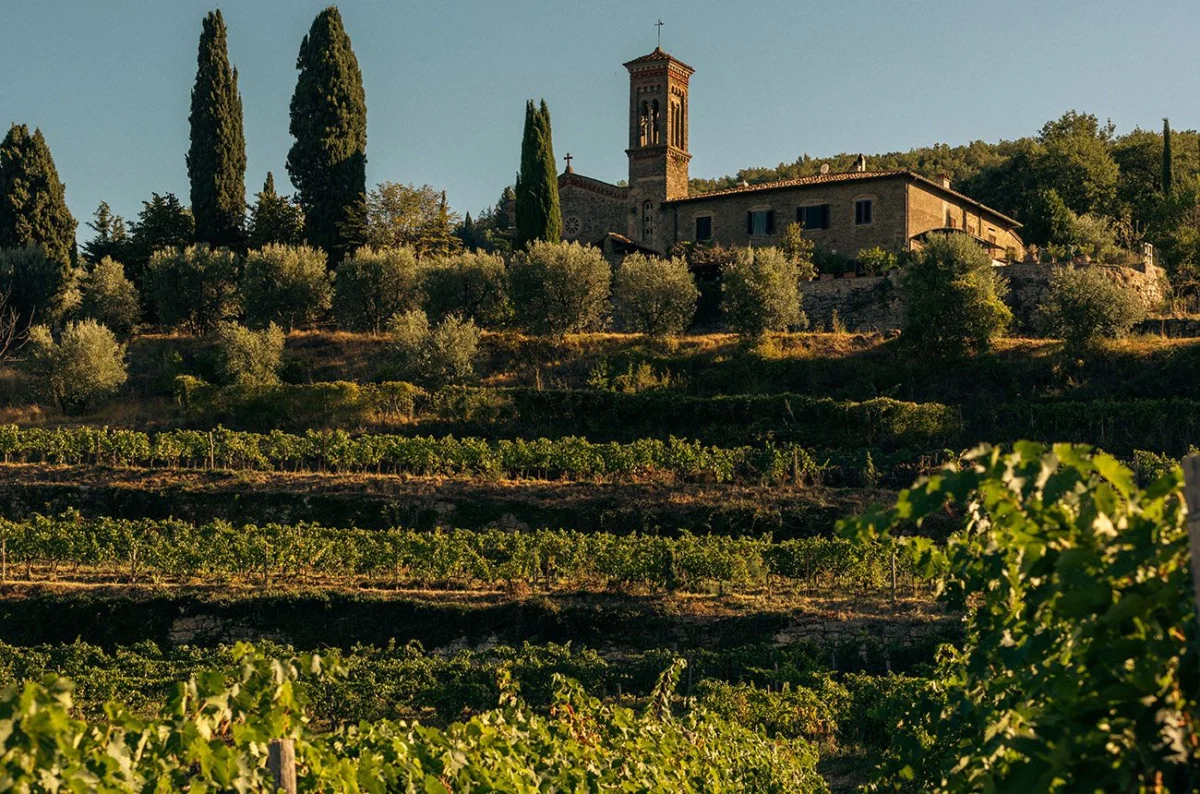
The Hood River Orchard and Ale Festival specifically emphasizes the "Orchard" component of the region’s identity. Hood River County is the world’s leading producer of Anjou pears and a major hub for apple and cherry cultivation. This agricultural abundance has fostered a symbiotic relationship between local farmers and brewers. Many regional breweries utilize locally grown fruit to create "terroir-driven" beers. Ferment Brewing Company, for instance, utilizes farmhouse techniques to incorporate Oregon strawberries into their "Lost in Fragaria" sour ale, effectively capturing the seasonal flavors of the valley.
Furthermore, Hood River’s proximity to the Willamette Valley—one of the most productive hop-growing regions in the world—provides local brewers with access to fresh-picked hops. Oregon currently ranks as the second-largest hop-producing state in the United States, accounting for approximately 15% of the national yield. During the autumn harvest, the "fresh hop" season allows Hood River breweries to transport hops from the field to the kettle within hours, a logistical advantage that is central to the identity of the Pacific Northwest craft beer movement.
Historical Evolution of the Hood River Brewing Scene
The development of Hood River as a global brewing destination followed a distinct chronological trajectory. The industry’s roots were planted in 1987 with the establishment of Full Sail Brewing Co. Founded in a former fruit cannery, Full Sail was a pioneer in the "bottled craft beer" movement, proving that a small-town brewery could achieve regional and national distribution. This early success laid the groundwork for the town’s economic transition from a primarily timber- and fruit-based economy to a tourism and fermentation powerhouse.
The second wave of expansion occurred in the mid-2000s and early 2010s. Double Mountain Brewery opened its doors in 2007, focusing on unfiltered beers and a robust culinary program that helped cement the "brewpub" as a community staple. In 2012, pFriem Family Brewers entered the market, introducing a European-inspired portfolio that merged Belgian-style ales with Pacific Northwest hop forwardness. The arrival of pFriem signaled a shift toward high-end, riverside tasting rooms that catered to both locals and the growing influx of outdoor enthusiasts.
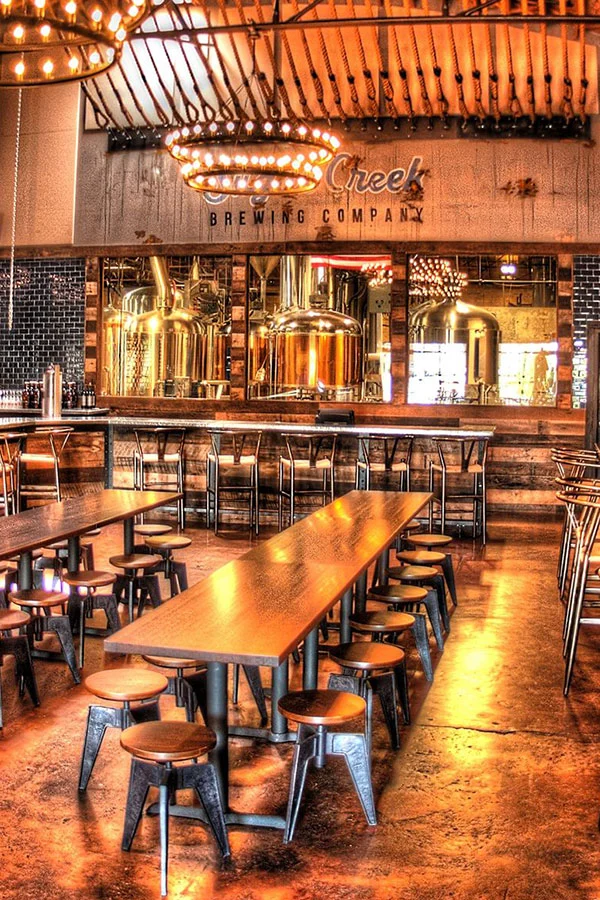
The most recent phase of growth, spanning 2023 to 2025, has seen the introduction of specialized and boutique operations. Hood River Brewing Company (2023) and Kings & Daughters Brewery (2025) represent the "Third Wave" of local brewing, focusing on niche styles and curated hospitality experiences. The opening of "The Walled Garden" by Kings & Daughters exemplifies a trend toward elegant, pub-centric spaces that prioritize atmosphere as much as the technical specifications of the liquid.
Economic Impact and Industry Data
With a population of approximately 8,000 residents, Hood River boasts one of the highest densities of breweries per capita in the United States. This concentration has significant economic implications. According to the Oregon Brewers Guild, the craft beer industry contributes more than $8.2 billion to the state’s economy annually and supports over 50,000 jobs. In Hood River, the brewing sector is a primary driver of the hospitality industry, attracting tourists who contribute to the "Fruit Loop" economy—a 35-mile scenic loop of orchards, wineries, and breweries.
Data from the festival suggests that beer tourism in the Gorge is evolving. While traditional IPAs remain dominant, there is a growing consumer interest in "bottom-fermented" styles such as Schwarzbier and Czech-style lagers. Working Hands Fermentation has capitalized on this trend, specializing in lagers that require longer fermentation times and more precise temperature control. This diversification of styles is seen by economists as a strategy to maintain market relevance as consumer preferences shift toward lower-alcohol and highly technical beer styles.
Environmental and Logistical Challenges
The inaugural festival also served as a case study in the environmental challenges of the Columbia River Gorge. The area is globally recognized as a premier destination for windsurfing and kiteboarding due to the reliable, high-velocity winds. However, these same conditions present unique challenges for outdoor events. During the festival, organizers and attendees had to contend with gusts capable of displacing temporary structures and lightweight materials.
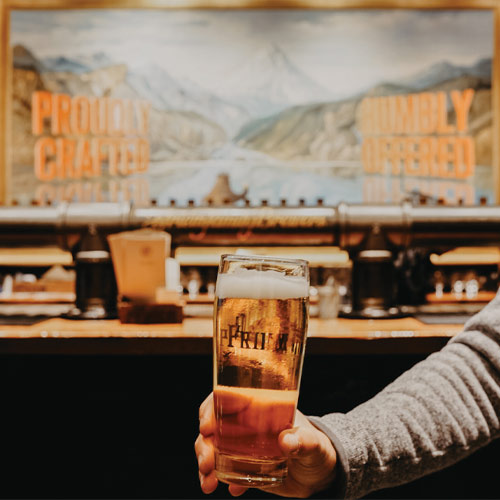
The decision by many attendees to opt for weighted glassware over plastic tasting cups was not merely an aesthetic choice but a practical response to the Gorge’s climate. This highlights a broader trend in the industry toward sustainability and durability. Several Hood River breweries have implemented "green" initiatives, such as Full Sail’s industry-leading water conservation practices and Double Mountain’s refillable bottle program, which aims to reduce the carbon footprint associated with single-use packaging.
Future Implications for the Region
The success of the Hood River Orchard and Ale Festival points toward a future where "fermentation tourism" becomes even more integrated with the region’s agricultural identity. As the industry matures, analysts expect to see increased collaboration between breweries and the local orchard industry, potentially leading to a rise in hybrid beverages that blur the lines between beer, cider, and wine.
Furthermore, the expansion of the brewing scene into the "upper hill" and downtown corridors of Hood River suggests that the town’s infrastructure is adapting to accommodate a year-round influx of visitors. The entry of Kings & Daughters and the continued growth of Working Hands Fermentation indicate that there is still room for growth in a market that many previously considered saturated.
The Columbia River Gorge remains a unique laboratory for the craft beer industry. By leveraging its specific geography—from the volcanic filtration of its water to the wind-swept banks of its river—Hood River has created a resilient economic ecosystem. The Orchard and Ale Festival is likely to become a permanent fixture on the regional calendar, serving as an annual benchmark for the health and creativity of Oregon’s brewing community. As the industry moves toward 2030, the focus will likely remain on maintaining the delicate balance between high-volume production and the artisanal quality that first put this small Oregon town on the global map.