admin
admin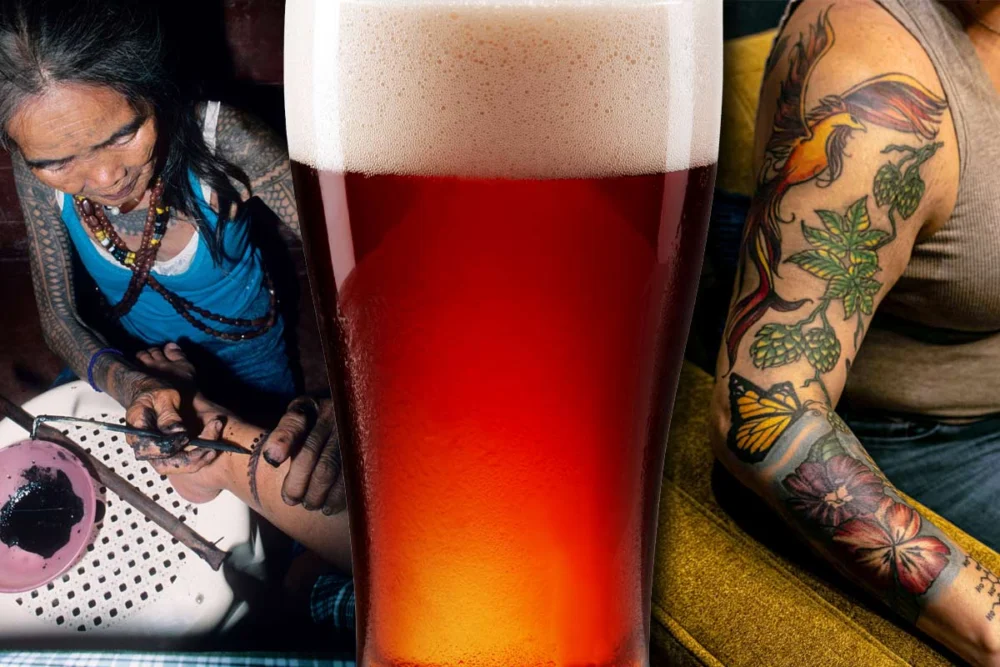
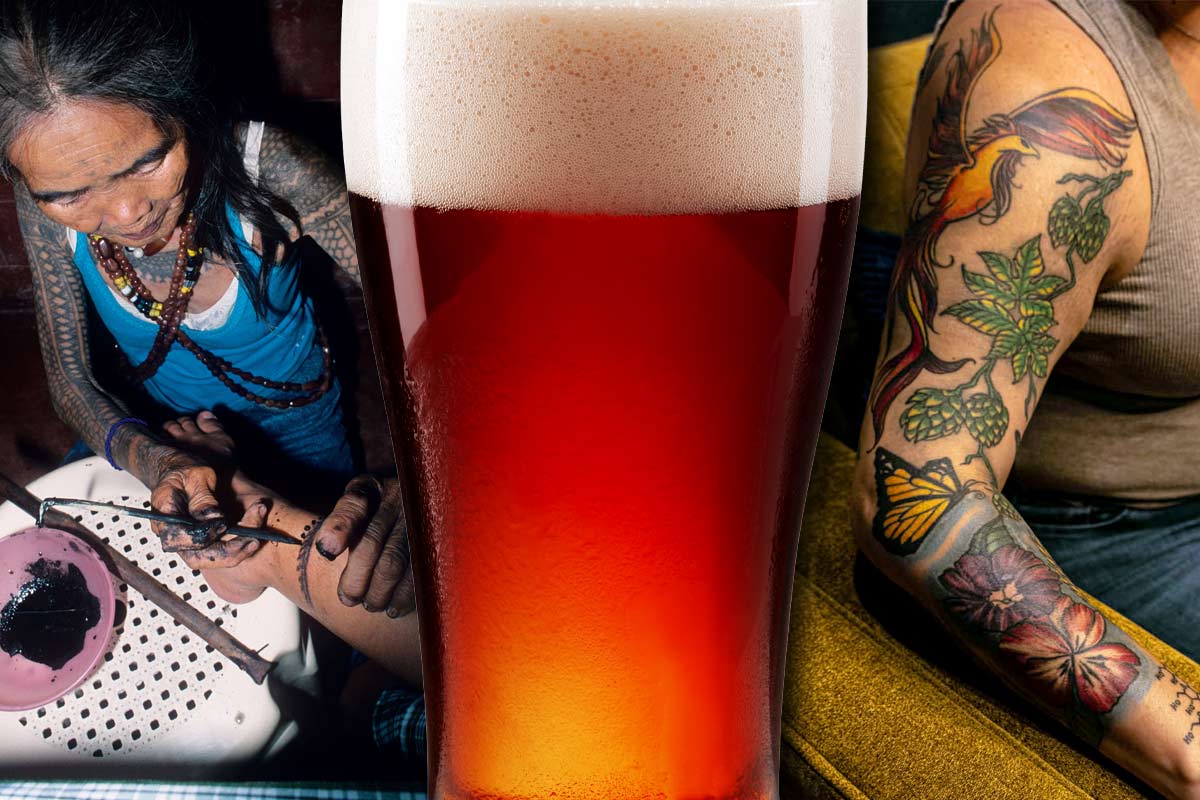
The intersection of tattooing and fermentation represents a profound, though often overlooked, synergy of human craftsmanship that spans continents and millennia. While superficially distinct—one involving the permanent marking of the dermis and the other the biological transformation of organic matter—both practices serve as vital technologies of continuity, community, and spiritual expression. Across indigenous cultures from the subarctic forests of Japan to the tropical savannas of Guyana, these two "crafts of transformation" are frequently anchored in the same ritual spaces, often centering on the domestic hearth and the hands of women. In the modern era, this kinship has evolved, finding new expression in the global craft brewing industry, where practitioners utilize both ink and fermentation to navigate personal identity and professional belonging.
The Ritual Foundation of Ink and Drink
At the core of these practices is the concept of transformation: the turning of raw materials—soot, sugar, grain, and skin—into something imbued with social and spiritual value. In many indigenous epistemologies, neither tattooing nor brewing is a purely secular or mechanical act. Instead, they are relational processes that require specific spiritual conditions to succeed.
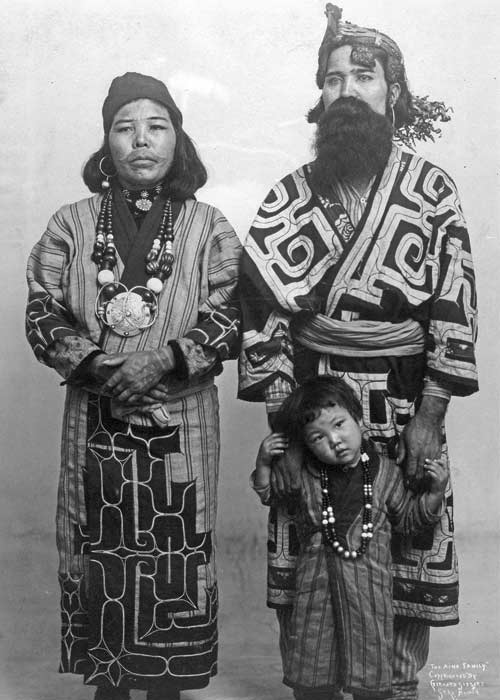
Historically, the hearth served as the nexus for these activities. As the primary site of fire and food preparation, the hearth functioned as a laboratory for both chemical and metaphysical change. This is most vividly seen in the traditions of the Ainu of northern Japan and the Russian Far East. For the Ainu, the hearth was the domain of Kamuy Fuchi, a powerful female deity who protected the home and oversaw all domestic rituals.
Ainu women traditionally practiced tattooing by collecting soot from the underside of cooking pots and rubbing it into incisions made with a makiri (knife). These tattoos, particularly those around the lips and hands, were not merely decorative; they were essential for a woman’s entry into the afterlife and served as protection against malevolent spirits. Simultaneously, these women were the sole producers of tonoto, a fermented rice-and-millet beverage essential for communal ceremonies. The use of hearth soot for ink and the hearth’s fire for brewing created a closed loop of spiritual authority, binding the physical body to the divine through the medium of the household fire.
Chronology of Suppression and Survival
The history of these practices is also a history of resistance against colonial erasure. During the late 19th and early 20th centuries, many indigenous tattooing and brewing traditions faced systemic suppression as colonial powers sought to "modernize" indigenous populations.
- Late 1800s: In Japan, the Meiji government enacted the Hokkaido Former Aborigines Protection Act (1899), which banned Ainu tattooing and restricted traditional land use, effectively criminalizing the cultural pillars of Ainu identity.
- Early 1900s: In the Philippines, American colonial administrators and Christian missionaries discouraged batok (hand-tapped tattooing), associating it with "primitive" headhunting practices.
- Mid-20th Century: Missionary influence in the Guiana Shield led to a decline in Makushi kansku markings, which were dismissed as superstitions.
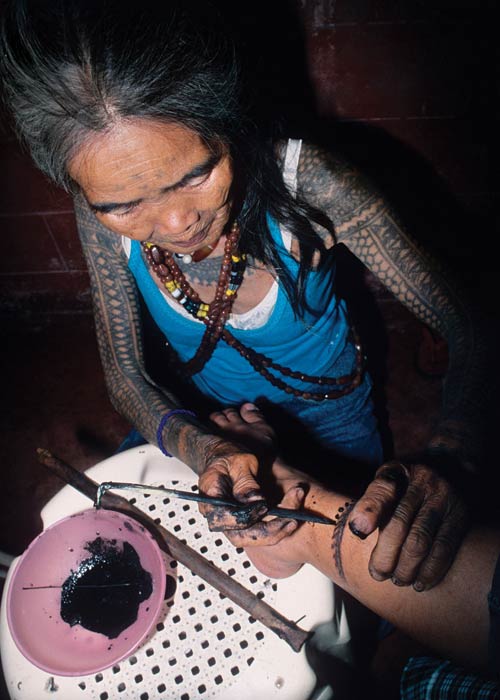
- 21st Century: A global resurgence of indigenous sovereignty has led to a "tattoo renaissance." Artists like Apo Whang-od Oggay in the Philippines (now 108 years old) and Ainu activists in Japan are reclaiming these practices as tools of decolonization.
This timeline illustrates that the survival of tattooing and fermentation is not a matter of static "tradition" but of active, resilient preservation. In many cases, the revival of one craft has sparked interest in the other, as both are recognized as essential components of a holistic cultural heritage.
The Chemistry of Connection: Ink and Alcohol
Technical analysis of traditional inks reveals a direct biochemical link to fermentation. In the Kalinga region of the Philippines, the mambatok (tattoo artist) historically used a mixture of soot and water, but in some instances, sugarcane juice served as the carrier. Sugarcane juice, rich in natural sugars and wild yeasts, begins to ferment almost immediately upon extraction.
While the primary function of the sugarcane juice was to provide a viscous medium for the pigment, the resulting fermentation altered the ink’s chemical properties. Although the biological process of tattooing—where macrophages in the skin "trap" the pigment—remains the same regardless of the carrier, the ritual preparation of the ink as a fermented substance mirrors the preparation of tapuy (rice wine) or tubâ (palm wine) used in the same ceremonies. This shared "grammar of transformation" ensures that the ink itself is a living substance, much like the beverages shared during the tattooing rite.
Case Study: The Makushi and the Power of the "Sting"
In the Guiana Shield of South America, the Makushi people provide perhaps the most direct evidence of tattoos acting as functional "charms" for fermentation. For the Makushi, the staple crop is cassava, which is processed into parakari, a complex beer involving dual fermentation with molds and yeasts.
The production of parakari is a high-stakes social endeavor. A "sour" or "weak" batch of beer can lead to social embarrassment or a perceived lack of spiritual favor. To ensure the quality of the brew, Makushi women historically received kansku tattoos. These markings, often depicting the patterns of stinging insects like bees or scorpions, were believed to imbue the brewer with the ability to give the beer a proper "sting" (yekî).
In the Makushi language, the term yekî is polysemous, referring both to the physical sting of an insect and the intoxicating potency of alcohol. Anthropologist Dr. Lars Krutak notes that these tattoos were essential for a woman’s social standing; a woman could not formally serve a drink to a man unless her arms were properly marked. Here, the tattoo is not just a symbol of the craft—it is an active participant in the chemical success of the fermentation process.

Contemporary Implications in the Craft Brewing Industry
The relationship between ink and drink has migrated from indigenous ritual to the modern industrial landscape. Today, the global craft beer market—valued at approximately $117 billion in 2023—is populated by professionals who frequently use tattooing to signal their dedication to the "alchemy" of brewing.
For modern brewers, tattoos often serve as a "living record" of their professional journey and personal identity. This is particularly evident in the stories of women and LGBTQ+ individuals within the industry, for whom both brewing and tattooing are acts of reclaiming space.
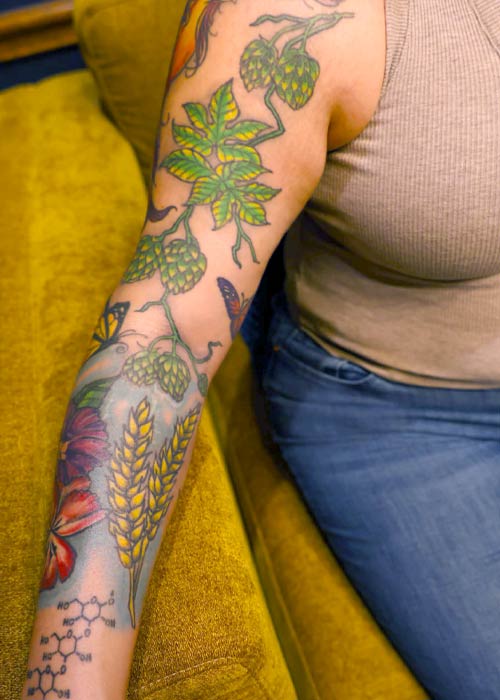
- Personal Resilience: Sandra Murphy, owner of Murphy’s Law Brewery, utilizes a comprehensive tattoo sleeve to document her journey through grief and professional growth. Her ink incorporates the chemical formula for ale yeast cell walls alongside botanical symbols of her daughter’s memory. For Murphy, the act of brewing and the act of tattooing both served as mechanisms for survival and self-actualization.
- Identity and Visibility: Rachael Engel, a brewer at Sound2Summit Brewery, notes that her "hop sleeve" was a vital part of her transition and her emergence as a transgender woman in the craft beer world. For Engel, the tattoo represents a synthesis of her professional skill and her authentic self, mirroring the way ancient tattoos signaled a person’s true role within their community.
Data and Trends: The Resurgence of Embodied Craft
Market data suggests that the "tattooed brewer" is more than a stereotype; it is a reflection of a broader cultural shift toward "artisanal" and "authentic" identities. According to a 2023 Pew Research Center study, 32% of American adults have at least one tattoo, with that number rising to 46% among those aged 30-49—the primary demographic for craft beer consumption and production.
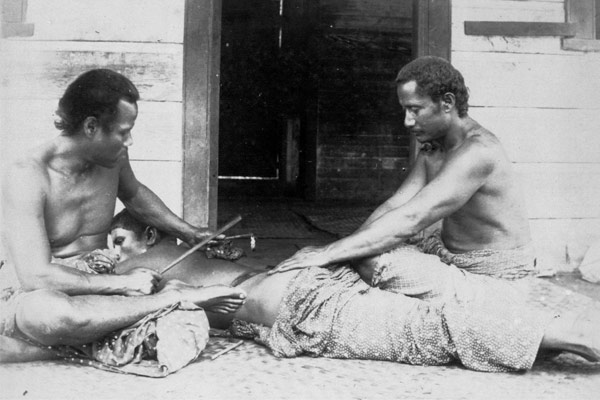
This statistical overlap points to a "new ritualism" where consumers and producers alike seek out products and practices that feel "grounded" and "handmade." The revival of indigenous tattooing methods, such as the Hawaiian kākau or the Kalinga batok, parallels the rise of "spontaneous fermentation" and "wild ales" in the brewing world. Both movements reject the standardized, sterilized outputs of mass industry in favor of processes that are unpredictable, time-intensive, and deeply connected to a specific geography or lineage.
Conclusion: Technologies of Continuity
Tattooing and fermentation are far more than mere hobbies or aesthetic choices; they are fundamental human technologies for managing change. In indigenous contexts, they provide a bridge to the ancestors and the land. In modern contexts, they provide a sense of agency and identity in an increasingly digital and disconnected world.
Dr. Lindsay Malu Kido, a scholar of indigenous body sovereignty, suggests that reviving these practices is an act of "reclaiming the body as a site of authority." Whether it is the Ainu woman scraping soot from her hearth or the modern brewer inking a yeast strain onto her forearm, the impulse remains the same: to mark the self with the knowledge of how we transform the world around us.
As these ancient practices continue to evolve, they remind us that the most enduring human records are not written on paper or stored in clouds, but are carried in the gut and on the skin. Fermentation marks the food we consume to survive, and tattoos mark the bodies we inhabit to be seen. Together, they form a continuous narrative of human resilience, creativity, and the eternal search for meaning in the material world.