admin
admin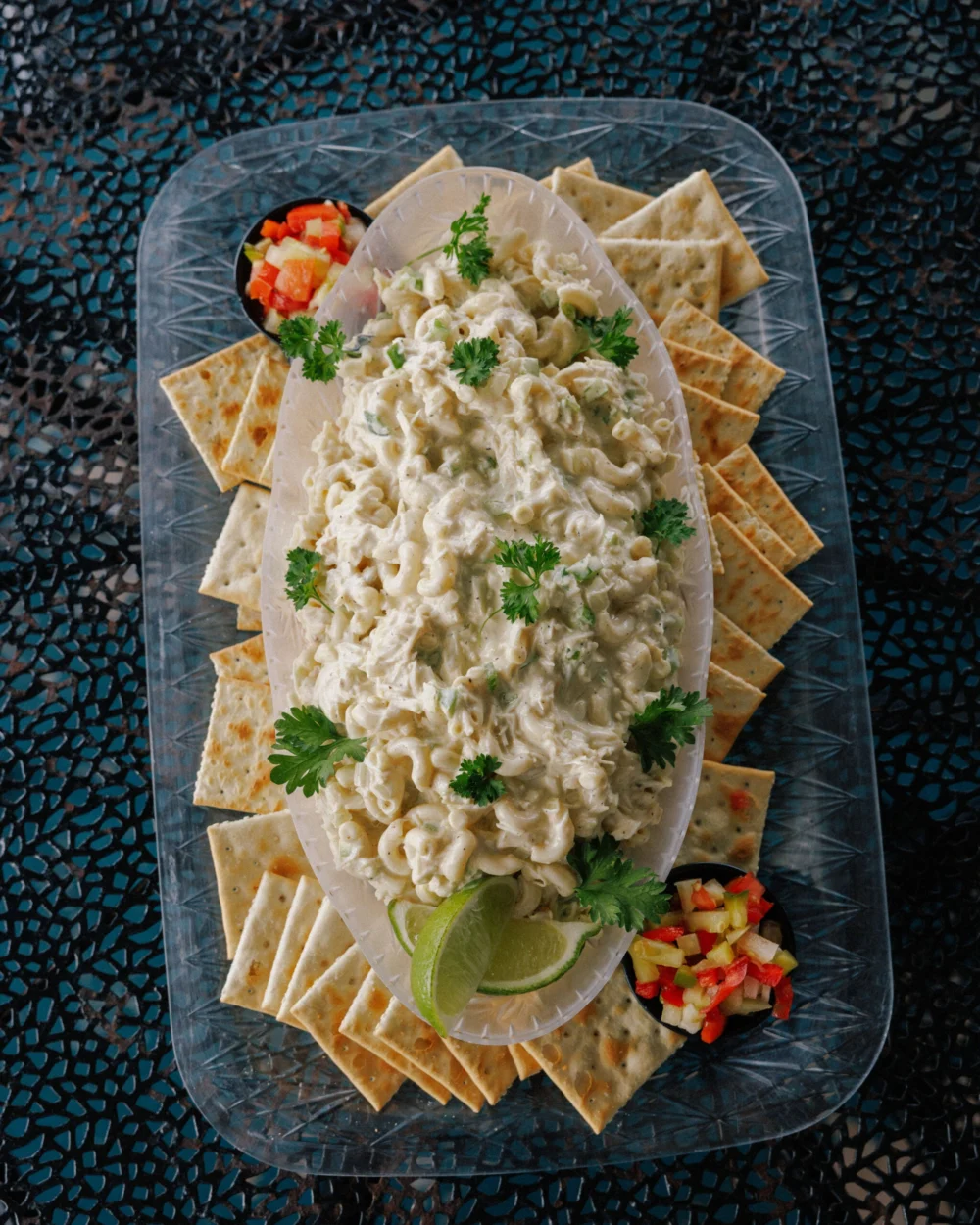
A vibrant and lightly creamy Floridian pasta dish, the Stone Crab Macaroni Salad, is emerging as a quintessential potluck staple, offering a taste of the Sunshine State’s culinary heritage. This recipe, attributed to Holly Dudley, cofounder of the Florida Stone Crab Association, is designed for scalability, easily accommodating gatherings ranging from intimate family picnics to large community events by simply doubling or tripling the quantities. Its appeal lies in the delicate sweetness of stone crab, artfully complemented by the distinctive savory profile of Everglades Seasoning. This iconic Florida blend, first introduced in 1944, is celebrated for its harmonious balance of salt, garlic, onion, and a nuanced array of spices, providing a gentle warmth that enhances a wide spectrum of dishes, from grilled vegetables to more adventurous fare like alligator.
The enduring popularity of this macaroni salad speaks to a deeper connection with Florida’s rich gastronomic landscape, particularly its celebrated seafood. Stone crab, a delicacy harvested primarily from the waters off Southwest Florida, is renowned for its sweet, succulent meat, often compared to that of lobster. The stone crab season, a tightly regulated period that typically runs from October 15th to May 1st, underscores the importance of sustainability and responsible harvesting practices in preserving this valuable resource. The limited availability and the unique method of harvesting (claws are harvested and the crab is released to regenerate, a practice known as "clipping") contribute to its premium status and appeal. This macaroni salad, therefore, is not merely a recipe; it’s a celebration of a regional culinary treasure and a testament to the ingenuity of Floridian cooks in transforming premium ingredients into accessible, crowd-pleasing dishes.
The Genesis of a Floridian Favorite
The genesis of this particular Stone Crab Macaroni Salad recipe is intertwined with the history and ethos of the Florida Stone Crab Association. Established to advocate for and promote the state’s vital stone crab industry, the association often serves as a hub for culinary innovation and tradition. Holly Dudley, a key figure in the association’s founding, brought to the table not only her expertise in the stone crab market but also a deep understanding of how to showcase its unique flavor. Her recipe, honed over years of community gatherings and association events, represents a fusion of classic American comfort food – macaroni salad – with the distinctively Floridian element of fresh stone crab.
The inclusion of Everglades Seasoning is another critical component that anchors this dish in Florida’s culinary identity. Created in 1944 by a Floridian entrepreneur seeking a versatile seasoning blend, Everglades Seasoning quickly gained a devoted following. Its broad application, from enhancing the flavor of everyday meals to becoming a secret ingredient in regional specialties, has cemented its status as a pantry staple across the state. The seasoning’s ability to impart a subtle heat and a complex savory depth without overpowering other ingredients makes it an ideal partner for the delicate sweetness of stone crab. This thoughtful pairing ensures that the star ingredient, the stone crab, remains the focal point, while the supporting players elevate its natural flavors.
A Recipe Rooted in Tradition and Versatility
The preparation of the Stone Crab Macaroni Salad is straightforward, emphasizing fresh ingredients and a balanced flavor profile. The recipe begins with the meticulous cooking of macaroni, typically elbow macaroni, to a precise "just past al dente" texture. This ensures that the pasta retains a pleasant chewiness even after being chilled and mixed with other ingredients, preventing it from becoming mushy. The crucial step of rinsing the cooked macaroni under cold water halts the cooking process and helps to separate the pasta, preventing it from clumping.
The heart of the salad lies in the careful amalgamation of its components. Freshly cooked or picked stone crab meat is gently folded into the cooled macaroni. The creamy base is typically a mayonnaise, chosen for its smooth texture and ability to bind the ingredients. The aforementioned Everglades Seasoning provides the signature savory and slightly spicy notes. A touch of Dijon mustard adds a piquant counterpoint, while a dash of Worcestershire sauce contributes umami depth. Finely diced bell pepper and onion introduce a welcome crunch and fresh, aromatic qualities. The final seasoning adjustments often involve a dash of hot sauce for an extra kick, alongside salt and black pepper to enhance the overall taste. The critical chilling period of approximately two hours allows the flavors to meld and deepen, transforming the assembled ingredients into a cohesive and harmonious dish.
The Stone Crab Industry: A Pillar of Florida’s Coastal Economy
The prominence of stone crab in this recipe underscores the significant economic and cultural importance of the stone crab fishery to Florida. This industry is not only a source of premium seafood but also a vital employer for coastal communities, particularly in Southwest Florida, which accounts for the majority of the state’s stone crab harvest. The fishery operates under strict regulations designed to ensure its long-term viability. These regulations include defined harvest seasons, size limits for claws, and the mandatory release of undersized crabs or those not bearing egg masses. This sustainable harvesting model, where claws are harvested and the crab is returned to the water to regenerate its claws, is a cornerstone of the fishery’s conservation efforts.
Data from the Florida Fish and Wildlife Conservation Commission (FWC) consistently highlights the economic contribution of the stone crab industry. For instance, in recent years, the dockside value of the stone crab harvest has typically ranged in the tens of millions of dollars annually, supporting a complex supply chain that includes fishermen, processors, distributors, and restaurants. The demand for stone crab, both domestically and internationally, remains robust, driven by its reputation for exceptional flavor and quality. Recipes like Holly Dudley’s macaroni salad play a role in fostering this demand by showcasing the versatility of the ingredient beyond its traditional preparations, such as simply cracked and served with butter and lemon.
Culinary Heritage and Community Gathering
The Stone Crab Macaroni Salad embodies the spirit of Floridian hospitality and the tradition of communal dining. Potlucks, picnics, and backyard barbecues are integral to the social fabric of many communities, and dishes that can be prepared in advance and served at room temperature are highly prized. This macaroni salad fits that bill perfectly. Its ability to be scaled up for large crowds makes it a practical and popular choice for events hosted by organizations like the Florida Stone Crab Association or for any large family or community gathering.
The association’s role in promoting such recipes also serves a dual purpose: it educates the public about the quality of Florida stone crab and encourages its consumption, thereby supporting the local industry. By sharing recipes that highlight the natural sweetness of the crab, Dudley and the association contribute to a broader appreciation of Florida’s unique culinary heritage. The simple act of serving this salad with saltines, as suggested in the recipe, harks back to a classic, unfussy approach to enjoying seafood, reinforcing its accessibility and its place as a beloved comfort food.
Broader Implications and Future Trends
The continued popularity of dishes like the Stone Crab Macaroni Salad suggests a growing interest in regional American cuisines and a desire to connect with the origins of food. As consumers become more conscious of where their food comes from and how it is produced, recipes that feature sustainably sourced, local ingredients are likely to gain further traction. The stone crab industry, with its established sustainable practices, is well-positioned to benefit from this trend.
Furthermore, the adaptability of this recipe indicates its potential for further culinary exploration. While the classic rendition is undoubtedly appealing, variations could emerge that incorporate other Florida-centric ingredients, such as key lime zest for added tang, or a blend of regional herbs and spices. The incorporation of such elements would further cement the dish’s identity as a true taste of Florida.
The economic impact of such recipes extends beyond the immediate sale of ingredients. They contribute to the cultural capital of a region, drawing attention to its unique products and culinary traditions. This, in turn, can bolster tourism and support the livelihoods of those involved in the food industry, from fishermen to chefs. The Stone Crab Macaroni Salad, therefore, stands as more than just a recipe; it is a delicious ambassador for Florida’s vibrant coastal culture and a testament to the enduring appeal of fresh, high-quality seafood. Its presence on picnic tables and at community events signifies a celebration of local bounty and a shared appreciation for the flavors that define the Sunshine State. The recipe’s inherent scalability and crowd-pleasing nature ensure its continued relevance as a cherished part of Florida’s culinary landscape for generations to come.