admin
admin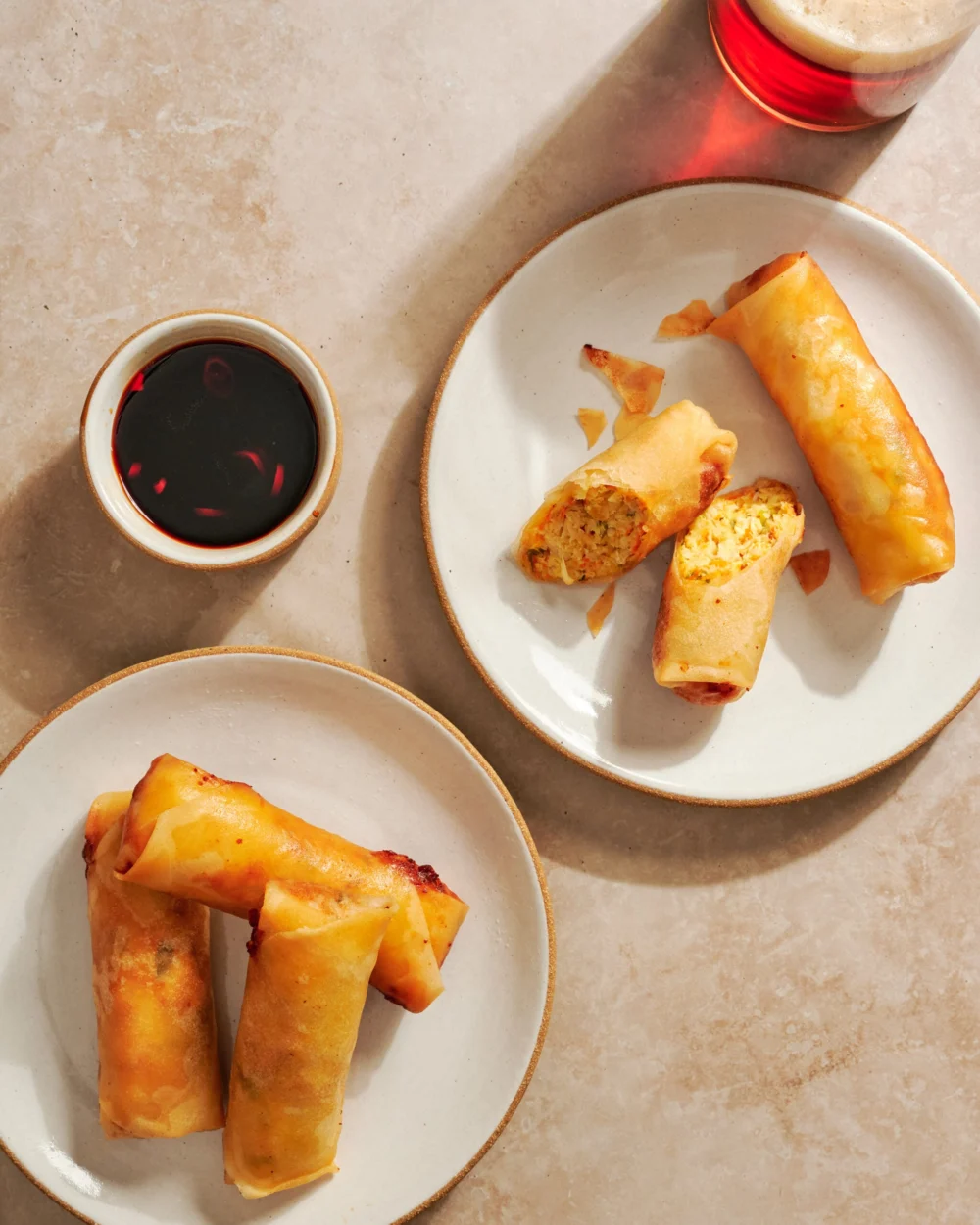
The journey to mastering the art of Lumpia, particularly the rich and savory Crab and Corn variation, is a testament to the joy of home cooking and the exploration of global flavors. This detailed guide breaks down the process into five manageable steps, transforming humble ingredients into crispy, golden delights that are perfect for any occasion. From the precise ratio of dipping sauce components to the nuanced technique of folding spring roll wrappers, each stage is crucial for achieving lumpia perfection. The process begins with the creation of a vibrant dipping sauce, a critical counterpoint to the richness of the fried rolls, followed by the meticulous preparation of the filling, ensuring a harmonious blend of crab, corn, and aromatics. The subsequent wrapping technique demands precision, culminating in the crucial deep-frying stage where temperature control dictates the final texture and appearance. Finally, the culmination of this culinary endeavor is the act of serving these delectable treats hot, accompanied by their specially crafted dipping sauce, offering a satisfying conclusion to a rewarding cooking experience.
The Art of the Dipping Sauce: A Symphony of Flavors
The foundation of any great lumpia experience lies in its accompanying sauce, and for this Crab and Corn variation, a simple yet potent blend is key. The recipe calls for a harmonious marriage of soy sauce, vinegar, and chile. This trinity of ingredients provides a crucial balance of salty, acidic, and spicy notes, designed to cut through the richness of the fried lumpia and elevate each bite. The soy sauce, typically a low-sodium variety to allow for better control over saltiness, forms the savory base. Its umami-rich character is essential for depth. The vinegar, often rice vinegar or a mild white vinegar, introduces a bright tanginess that refreshes the palate. Its acidity is vital for counteracting the fattiness of the fried pastry and the inherent sweetness of the crab and corn. Finally, the chile component, which can range from finely minced fresh chiles for a vibrant heat to a pinch of red pepper flakes for consistent warmth, adds a stimulating kick. The specific type and quantity of chile will dictate the heat level, allowing for personalization based on individual preference. This seemingly simple mixture, when expertly balanced, transforms from mere condiment to an integral flavor component, enhancing the overall sensory experience of the lumpia. The precise measurements are paramount; a slight imbalance can either overpower the delicate flavors of the lumpia or render the sauce too timid. The instruction to "set aside" signifies the sauce’s readiness to await its starring role, a testament to its self-contained perfection.
Crafting the Luscious Lumpia Filling: A Symphony of Textures and Tastes
The heart of the lumpia lies within its filling, and for this recipe, the combination of crab and corn offers a delightful interplay of sweet, savory, and tender elements. The process begins with the creation of a frothy base by whisking together lemon juice, mayonnaise, mustard, liquid aminos, and two of the eggs. This mixture serves as a binder and a flavor enhancer, with the lemon juice providing a zesty brightness, the mayonnaise lending a creamy richness, the mustard offering a subtle pungency, and the liquid aminos contributing a savory depth akin to soy sauce but with a slightly different flavor profile. The frothy texture achieved through whisking is important, as it incorporates air, contributing to a lighter filling.
Simultaneously, the crab and cornstarch are tossed together in a separate bowl. The cornstarch acts as a crucial emulsifier and thickener, ensuring that the crab meat, which can be naturally moist, binds effectively with the other filling ingredients. This step prevents the filling from becoming watery during the cooking process. The crab meat itself, whether fresh or high-quality canned, should be handled gently to preserve its delicate texture.
The next step involves the artful folding of the crab and cornstarch mixture into the egg base. This is where the magic truly begins. Using a silicone spatula, a tool that is gentle on delicate ingredients, the crab mixture is carefully folded in. This method ensures that the crab meat is evenly distributed without being overmixed, which could lead to a mushy texture. Following this, the carrots, scallions, garlic, and panko are incorporated. The carrots, finely diced or grated, add a touch of sweetness and a pleasing crunch. Scallions (green onions) contribute a mild oniony bite and a vibrant green color. Garlic, minced, provides its indispensable aromatic punch, a cornerstone of many savory dishes. Finally, the panko breadcrumbs are added. Panko, known for its airy, flaky texture, is superior to regular breadcrumbs for lumpia as it creates an exceptionally crisp exterior when fried. The combination of these ingredients results in a filling that is both flavorful and texturally complex, offering a delightful contrast to the crispy wrapper.
The crucial instruction to "set aside for 30 minutes" is not merely a pause but a vital resting period. During this time, the flavors meld and deepen, and the cornstarch has ample opportunity to hydrate and bind the ingredients, creating a cohesive filling that will hold its shape during the frying process. This resting phase is often overlooked but is instrumental in achieving superior lumpia.
The Delicate Art of Wrapper Encapsulation: Precision and Practice
The transformation of the prepared filling into individual lumpia rolls is a meticulous process that requires patience and a gentle touch. The core of this step involves the spring roll wrappers, thin sheets of dough that become wonderfully crisp when fried. The recipe specifies using one wrapper at a time, with one edge facing the preparer. This orientation is crucial for achieving the characteristic cylindrical shape.
The egg wash, made by beating the remaining egg, serves as the adhesive. Using a finger, a light and even coating of egg wash is applied to all edges of the wrapper. This ensures that each seam is securely sealed, preventing the filling from escaping during the frying process. Precision is key here; too much egg wash can make the wrapper soggy, while too little will result in a poor seal.
Next, approximately three tablespoons of the prepared filling are spooned into the center of the wrapper. The amount of filling is critical; overfilling will make the wrapper difficult to close and can lead to breakage. The filling is then shaped into a horizontal log, a step that dictates the final form of the lumpia. Leaving about 1.5 inches of space on each side is a strategic instruction. This empty space is essential for the folding process, allowing for neat tucks and a secure seal.
The rolling technique is where practice truly makes perfect. The edge closest to the preparer is rolled tightly over the filling, creating the initial core of the cylinder. This tight roll is vital for a compact lumpia that fries evenly. Subsequently, the left and right sides are folded inward, creating neat triangular flaps. These flaps are then tucked in securely. The final step in the rolling process is to roll tightly upward, completing the cylinder and forming a neat package. The seam, now at the top, is then sealed with a final application of egg wash, ensuring an airtight closure. This methodical process is repeated for all remaining wrappers and filling, a testament to the dedication required to produce a batch of homemade lumpia. The uniformity in size and shape achieved through this careful wrapping is not only aesthetically pleasing but also contributes to even cooking.
The Golden Transformation: Mastering the Art of Deep-Frying
The culmination of the lumpia-making process is the deep-frying stage, where raw ingredients are transformed into golden, crispy perfection. This step demands careful attention to temperature and timing to achieve the desired texture and color. A large, heavy-bottomed pot, fitted with a deep-fry thermometer, is essential. The heavy bottom distributes heat evenly, preventing hot spots that can lead to uneven frying. The deep-fry thermometer is non-negotiable; maintaining the correct oil temperature is paramount for successful lumpia.
The recipe specifies pouring three inches of oil into the pot. This depth ensures that the lumpia are fully submerged, allowing for even cooking and browning on all sides. The oil is heated over medium-high heat. The target temperature is 325°F (163°C). This slightly lower frying temperature compared to some other fried items is crucial for lumpia. It allows the wrapper to cook through and become golden brown without the filling becoming overcooked or the wrapper burning.
Once the oil reaches the precise temperature, half of the prepared lumpia are carefully added. It is important not to overcrowd the pot. Overcrowding lowers the oil temperature significantly, leading to greasy, soggy lumpia rather than crisp ones. The lumpia are fried, turning halfway through the cooking process. This turning ensures that both sides achieve an even golden-brown hue. The total cooking time is approximately 5-7 minutes. The visual cues are as important as the timer: the lumpia should be floating and visibly golden brown. The recipe notes that cooking time will be slightly longer if frying from frozen, a practical consideration for those who prepare lumpia in advance and freeze them.
After frying, the lumpia are carefully removed from the oil and transferred to a paper towel-lined plate. This step is vital for absorbing excess oil, further contributing to their crispness and preventing them from becoming greasy. The oil is then brought back up to the target temperature of 325°F before the remaining lumpia are fried. This consistent temperature maintenance is key to achieving a uniformly golden batch. This methodical approach, combining precise temperature control with careful batch frying, ensures that each lumpia emerges from the oil a perfect, crispy delight.
The Grand Finale: Presentation and Enjoyment
The final act in the lumpia creation is the presentation and enjoyment of these culinary creations. The instruction to "Serve hot with dipping sauce on the side" encapsulates the ultimate goal of this detailed process. The crispiness of freshly fried lumpia is at its peak immediately after cooking. Serving them hot ensures that the textural contrast between the brittle wrapper and the savory filling is most pronounced.
The accompanying dipping sauce, prepared in the initial step, plays a vital role in this final stage. Its presence on the side allows diners to customize their experience, dipping each lumpia to their preferred level of sauciness. The balance of salty, sour, and spicy notes in the sauce is designed to complement, not overpower, the flavors of the crab and corn filling. The visual appeal of the golden-brown lumpia, arranged attractively, further enhances the dining experience. This simple yet elegant serving suggestion underscores the belief that great food is not just about taste but also about the overall sensory pleasure. The shared experience of dipping and savoring these homemade delights is the ultimate reward for the effort invested in their creation.