admin
admin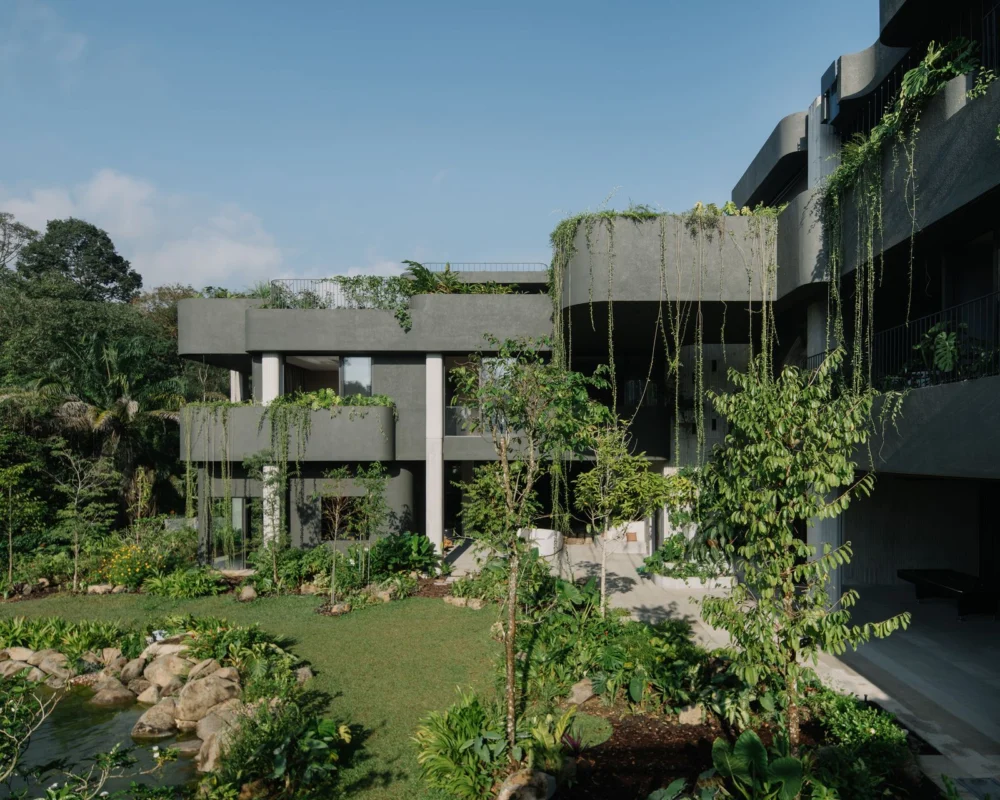
"Living here feels like being in a nature sanctuary," states the owner of a groundbreaking sculptural concrete residence in Singapore, a dwelling remarkably open to the tropical climate and the myriad creatures that visit from the neighboring forest reserve. This bold architectural statement by Yew Architects directly challenges conventional wisdom regarding comfort in Singapore’s often formidable tropical environment, demonstrating that thoughtful design, rather than hermetically sealed, air-conditioned spaces, can provide unparalleled comfort and connection to nature.
Singapore’s Climate Challenge and Conventional Responses
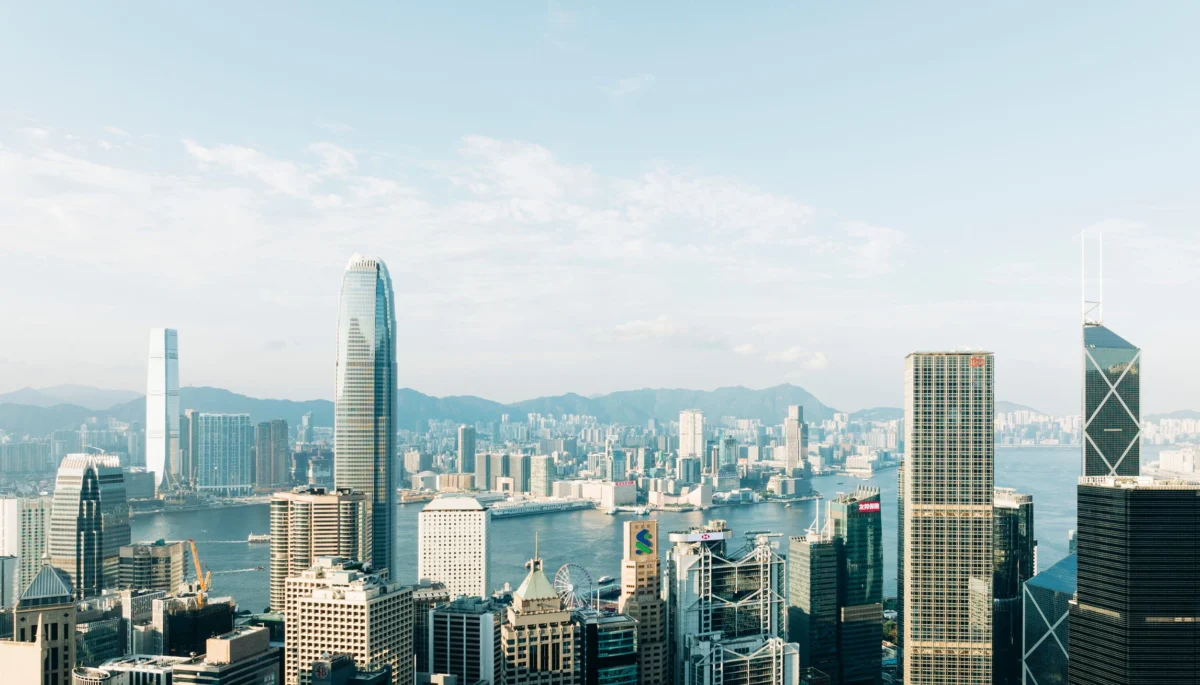
Singapore, an island nation situated just one degree north of the equator, experiences a perennially hot and humid climate. Average daily temperatures hover around 27-30 degrees Celsius, with relative humidity frequently exceeding 80%. This combination, often exacerbated by intense solar glare, presents significant challenges for residential architecture. For decades, the predominant solution has been to construct heavily insulated, air-conditioned ‘boxes’ – an approach that, while providing immediate thermal relief, comes at a substantial cost. The reliance on air conditioning contributes significantly to household energy consumption and, consequently, to the nation’s carbon footprint. Data from the Singapore National Environment Agency (NEA) consistently shows that air conditioning accounts for a large proportion of residential electricity use, often upwards of 50-60% in many households. This trend not only strains the national energy grid but also contributes to the urban heat island effect, creating a self-perpetuating cycle of increasing temperatures and greater demand for artificial cooling.
The Genesis of an Alternative Vision: Yew Architects’ Philosophy
Against this backdrop of conventional climate control, Yew Architects embarked on a project that sought to re-evaluate the fundamental principles of tropical living. Their design philosophy is rooted in a deep understanding of bioclimate design – an approach that leverages natural elements and architectural strategies to achieve thermal comfort with minimal mechanical intervention. The firm’s principals, recognized for their innovative and sustainable approaches, envisioned a residence that would embrace Singapore’s climate rather than constantly battle it. The genesis of this specific project was a collaborative process, beginning approximately three to four years ago, between the architects and a client who shared a profound appreciation for nature and a desire for a living space that fostered this connection. The initial design brief, while emphasizing comfort, also prioritized a seamless integration with the lush surroundings, particularly the adjacent forest reserve. This commitment to ecological harmony became a defining characteristic of the entire project timeline, influencing every design decision from site orientation to material selection.
Sculptural Concrete: Form Meets Function
The choice of sculptural concrete as the primary material for the residence is central to its unique character and performance. Far from being a brutalist imposition, the concrete here is meticulously crafted, forming elegant, flowing lines and robust planes that define the building’s striking aesthetic. This material serves multiple functions:
- Thermal Mass: Concrete’s high thermal mass allows it to absorb heat during the day and slowly release it at night, moderating internal temperature fluctuations. While this can be a double-edged sword in hot climates if not properly managed, Yew Architects strategically employed it in conjunction with other passive cooling techniques.
- Durability and Low Maintenance: In Singapore’s humid climate, materials are susceptible to degradation. Concrete offers exceptional durability, resisting moisture, pests, and rot, thereby reducing the long-term maintenance burden for the homeowner.
- Aesthetic Versatility: The ‘sculptural’ aspect speaks to the architects’ ability to manipulate concrete into complex forms, creating dramatic overhangs, deep recesses, and cantilevered sections that are both visually captivating and functionally essential for shading.
- Sustainability (Contextual): While concrete production has a high carbon footprint, its longevity and inherent properties can contribute to a more sustainable building lifecycle when designed for passive performance, reducing operational energy needs significantly over decades. The architects likely specified mixes with recycled content or low-carbon cement alternatives where feasible, aligning with global trends in sustainable construction.
Mastering Passive Design: Shade, Cross-Ventilation, and Beyond
The true genius of Yew Architects’ design lies in its sophisticated application of passive architectural strategies, transforming what could be an oppressive climate into an asset:
- Strategic Shading: Deep eaves, cantilevered slabs, and vertical fins, all integral to the sculptural concrete form, meticulously shield the interior spaces from direct solar radiation throughout the day. The building’s orientation was carefully considered to minimize exposure to the harsh east and west sun, while maximizing opportunities for indirect light and views. The strategic placement of these shading elements creates a dynamic interplay of light and shadow, constantly shifting with the sun’s path and enhancing the aesthetic experience.
- Optimized Cross-Ventilation: The residence is designed with an abundance of large, strategically placed openings – windows, doors, and permeable screens – that facilitate uninterrupted airflow. These openings are positioned to harness prevailing winds, creating natural ventilation pathways that draw cooler air through the house and expel warmer air. The layout encourages a ‘stack effect,’ where hot air naturally rises and exits through high-level vents, drawing cooler air in from lower openings. This constant movement of air is crucial for dissipating heat and reducing humidity, making indoor spaces feel significantly cooler and fresher.
- Openness to the Elements: Unlike conventional homes, this residence consciously embraces its tropical setting. Large sliding glass panels can be fully retracted, blurring the lines between indoor and outdoor spaces. This openness allows the sights, sounds, and scents of the adjacent forest reserve to permeate the living environment, fulfilling the owner’s desire for a "nature sanctuary." The design meticulously balances this openness with protection from heavy rains, ensuring comfort even during monsoon seasons.
- Biophilic Integration: The architectural language extends into the landscape, with lush planting integrated directly into the building’s fabric. Courtyards, green roofs (if present, which is common in such designs), and vertical gardens not only enhance biodiversity but also contribute to evaporative cooling, further moderating ambient temperatures around the house. The proximity to the forest reserve is not just a view but an active interface, with design elements encouraging interaction with local flora and fauna, from birds to butterflies.
The Owner’s Experience: A Sanctuary, Not Just a House
The owner’s enthusiastic description of the residence as a "nature sanctuary" underscores the profound impact of Yew Architects’ design. Living in such a space transcends mere shelter; it becomes an immersive experience. The absence of constant artificial cooling means the occupants are more attuned to the natural rhythms of the day and season. The sounds of tropical rain, the rustling of leaves, and the calls of exotic birds become part of the domestic soundscape. The sensory connection to the outdoors is a deliberate counterpoint to the increasingly insulated urban existence. The homeowner likely appreciates the tangible benefits of reduced energy bills, but more importantly, the intangible benefits of enhanced well-being, reduced stress, and a daily communion with nature. This sentiment aligns with growing global interest in biophilic design, which posits that humans have an innate need to connect with nature, and that incorporating natural elements into built environments can improve physical and mental health.
Broader Implications and Industry Recognition
This project by Yew Architects stands as a significant case study, offering valuable insights for the future of tropical architecture.
- Sustainable Urban Living: In a rapidly urbanizing world, where cities contribute substantially to climate change, projects like this demonstrate viable pathways towards more sustainable modes of living. By reducing reliance on energy-intensive cooling systems, the residence sets a precedent for lower-carbon lifestyles.
- Redefining Luxury: It challenges the notion that luxury in tropical climates equates to vast, energy-hungry, air-conditioned spaces. Instead, it proposes a new form of luxury rooted in intelligent design, natural comfort, and a deep connection to the environment. This redefinition aligns with a growing demographic of discerning homeowners who prioritize sustainability and authentic experiences over ostentatious consumption.
- Influence on Architectural Practice: The success of this residence is likely to inspire other architects and developers in Singapore and other tropical regions to explore similar passive design strategies. It provides tangible proof that comfort and aesthetic appeal can be achieved without compromising environmental responsibility. Industry analysts and architectural critics have increasingly highlighted such projects as leading examples of contextually sensitive and environmentally conscious design.
- Contribution to Singapore’s Green Building Goals: Singapore has ambitious goals for green building, encapsulated in initiatives like the Building and Construction Authority (BCA) Green Mark scheme. While specific certification for this private residence is not stated, its principles align perfectly with the highest tiers of green building standards, emphasizing energy efficiency, water conservation, and occupant well-being. Such projects contribute to the broader national narrative of transforming Singapore into a "City in a Garden," where built environments coexist harmoniously with nature.
The timeline of architectural development in Singapore, from early colonial bungalows designed for natural ventilation to the post-war proliferation of high-rise, air-conditioned blocks, now appears to be entering a new phase. This phase, championed by firms like Yew Architects, seeks to revisit and refine traditional tropical architectural wisdom through the lens of modern technology and materials. The sculptural concrete residence is not merely an isolated design triumph but a beacon for a more environmentally conscious and human-centric approach to building in the tropics. It encapsulates a future where residential comfort is achieved not through brute force mechanical systems, but through an elegant dialogue between architecture, climate, and the natural world, proving that true sanctuary can indeed be found within the embrace of nature, even in a bustling modern metropolis.