admin
admin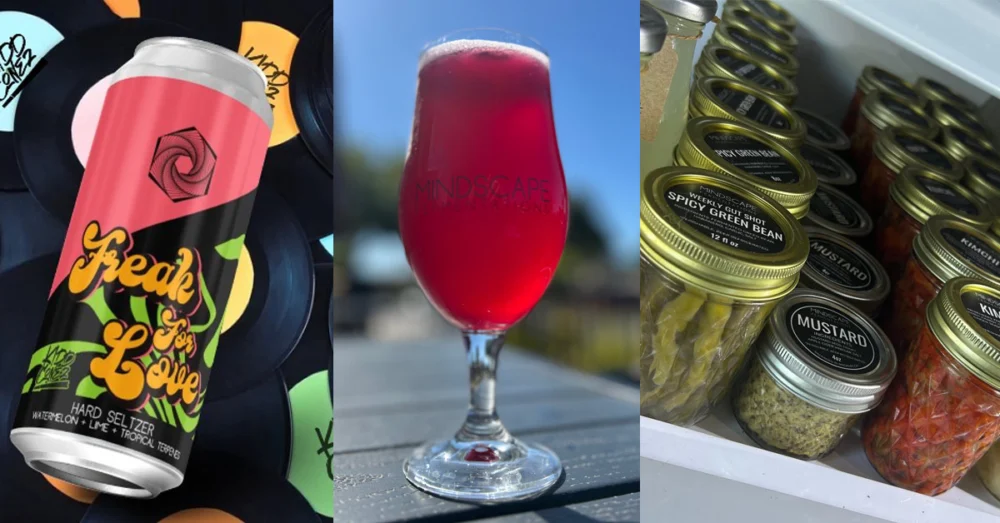
The traditional image of the brewery as a sterile industrial production facility has undergone a radical transformation over the last decade. No longer confined to the outskirts of town or hidden behind corrugated metal walls, the modern brewery has evolved into a multifaceted social anchor—a "third place" where production, education, and community converge. This shift is not merely a stylistic choice but a strategic response to a volatile economic climate characterized by rising raw material costs, shifting consumer demographics, and a saturated craft beverage market. As brewers face the dual pressures of maintaining profitability and standing out in a crowded field, many are redefining the very concept of what a brewery can be, moving toward collaborative models and diversifying into the broader science of fermentation.
The Economic Context of the Craft Beverage Shift
The global craft beer industry is currently navigating a period of significant recalibration. Following a decade of explosive growth, the market has reached a state of maturity that demands innovation beyond the liquid in the glass. According to data from the Brewers Association, while the number of operating craft breweries in the United States hit an all-time high of over 9,500 in 2023, production growth has largely plateaued, with a reported 1% decline in total output. Concurrently, the cost of aluminum, CO2, and malted barley has fluctuated wildly due to geopolitical instability and supply chain disruptions.
In Europe, the situation is similarly complex. In regions like Alsace and Brussels, where brewing traditions are centuries old, the cost of urban real estate and energy has made the "lone wolf" brewery model increasingly precarious. These economic realities have forced a transition from the traditional brewpub toward more integrated, community-focused, or shared-resource models. This evolution is marked by three distinct trends: the integration into "third places," the rise of the brewing collective, and the expansion into diverse fermentation categories.
Integration into the Tiers-Lieu: The French Model of Social Brewing
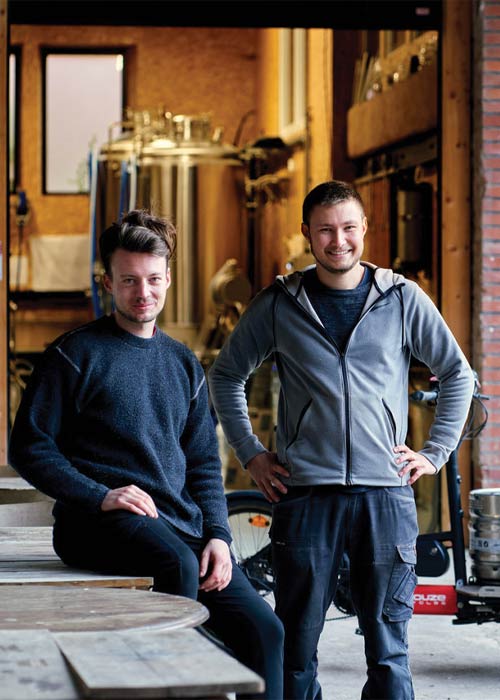
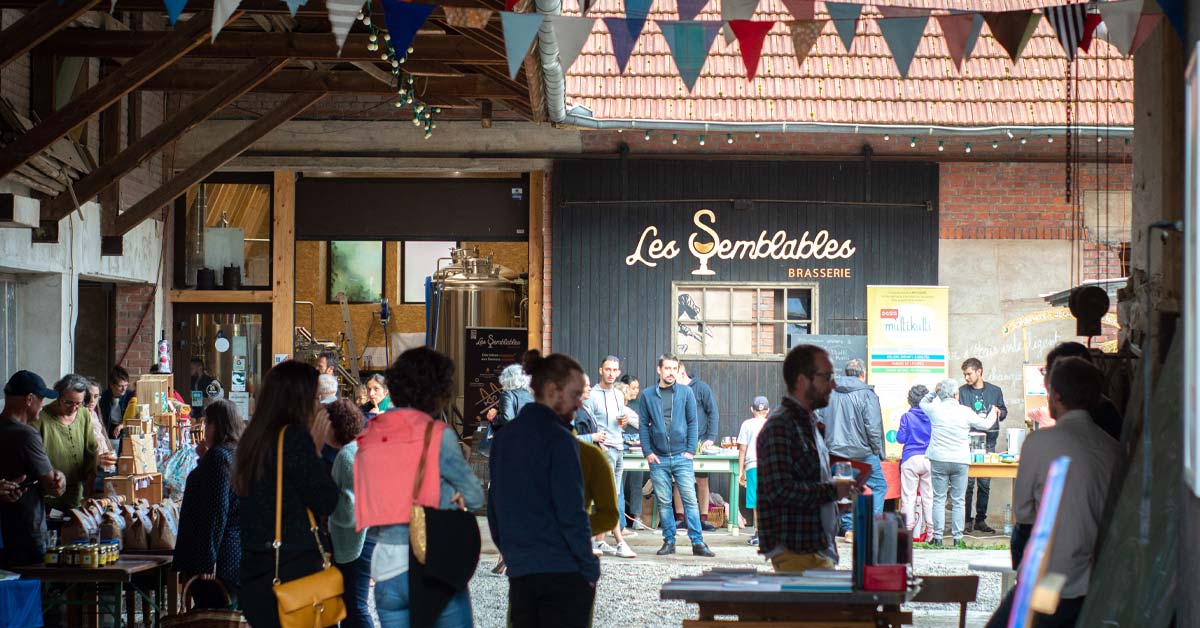
In France, the concept of the tiers-lieu, or "third place," has become a vital lifeline for new artisanal ventures. This model refers to social spaces that are neither the home (the first place) nor the workplace (the second place), but rather communal hubs often centered on sustainability, culture, or education. For Eliott Pernelle and Etienne Voinson, the founders of Brasserie Les Semblables, the decision to settle in such a space was a deliberate move to avoid the isolation of industrial zones.
Located in the Alsatian village of Mietesheim, Brasserie Les Semblables operates within Oasis Multikulti, a tiers-lieu situated on a refurbished historic farm. The space is managed by volunteers and hosts a variety of activities, from community gardens and farmer’s markets to artisanal workshops in pottery and knitting. By installing their brewing equipment in the farm’s former stables, Pernelle and Voinson bypassed the traditional hurdles of establishing a brand from scratch in a vacuum.
The implications of this model are twofold. First, it provides the brewery with an immediate, built-in audience of local residents and visitors who are already engaged with the venue’s other offerings. Second, it fosters a symbiotic relationship where the brewery contributes to the venue’s viability through volunteer work and social media management. This "stronger together" approach allows small-scale producers to mitigate the risks of high overhead while embedding themselves deeply into the local social fabric.
The Rise of the Brewing Collective: Lessons from Brussels and Bavaria
While the French model focuses on social integration, a growing movement in Belgium emphasizes operational efficiency through shared infrastructure. This movement draws inspiration from the Zoiglbier tradition of Upper Palatinate, Germany. Recognised by UNESCO as part of Germany’s "intangible cultural heritage," Zoigl brewing involves a communal brewhouse owned by a town or a collective of citizens. Non-professional brewers share the equipment, a practice that has survived for over five centuries in towns like Windischeschenbach and Neuhaus.
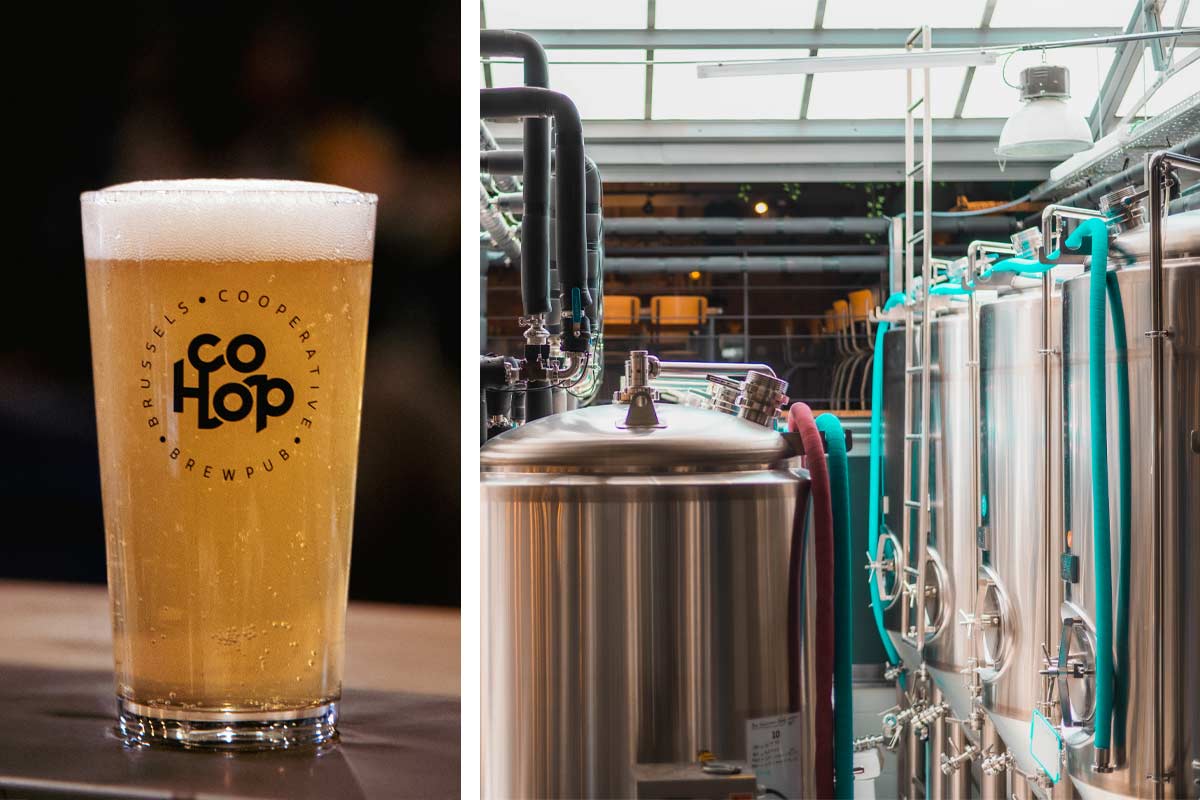
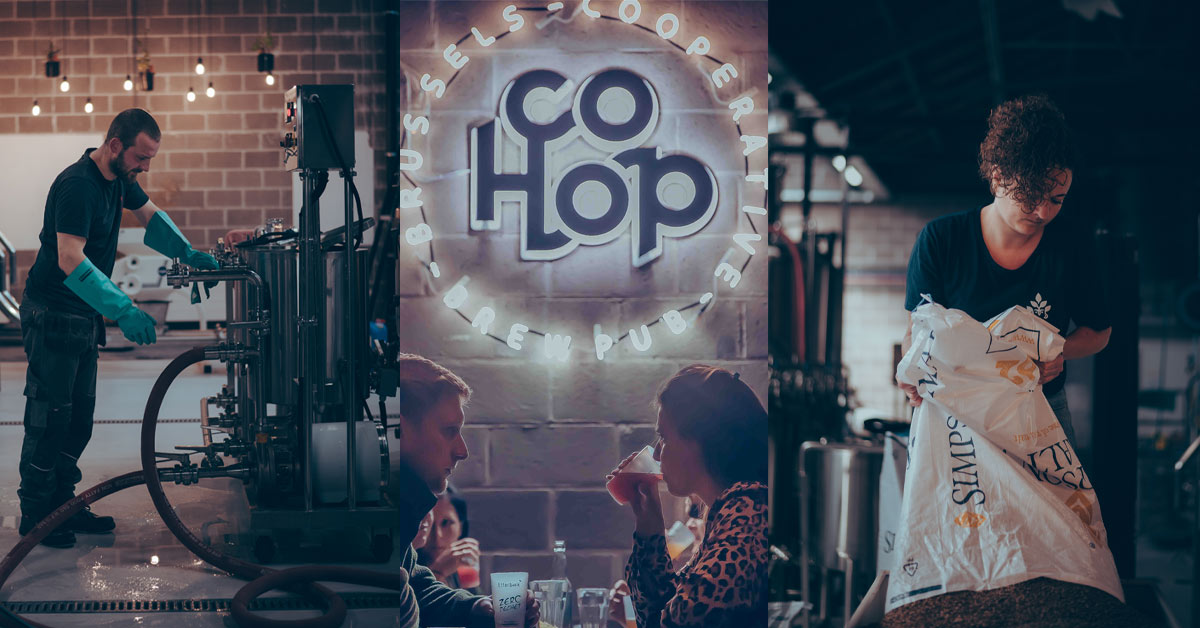
In 2021, this ancient concept was modernized in Brussels with the launch of CoHop. Founded by Thomas Detourbe of Brasserie Witloof and joined by other microbreweries including La Bagarre, Janine, 1Bière 2Tartines, and eventually La Flaque, CoHop operates as a "brewery of breweries." The collective model addresses the primary barrier to entry for modern brewers: the exorbitant cost of specialized stainless steel equipment and long-term commercial leases.
Operational Synergy and Sustainability
The CoHop model functions through a sophisticated system of shared responsibility:
- Resource Management: Each participating brewery manages a specific department, such as raw material procurement, equipment maintenance, or scheduling.
- Shared Infrastructure: By utilizing a single high-quality brewhouse for five different brands, the collective significantly reduces its environmental footprint and energy consumption.
- Diversified Revenue: The onsite taproom serves products from all member breweries, while the inclusion of an onsite bakery (Janine) allows for a circular economy where bread waste can potentially be used in brewing, and spent grain can be used in baking.
Rémi Pequin, coordinator for CoHop, notes that this arrangement allows each brand to maintain its unique identity and creative control while benefiting from the economies of scale typically reserved for much larger operations. In an era where "contract brewing" (hiring a third party to make your beer) is often seen as lacking soul, the collective model offers a middle ground where brewers remain hands-on without the crushing weight of individual debt.
Expanding the Fermentation Horizon: Beyond Malt and Hops
As the definition of the physical brewery changes, so too does the definition of its products. A new wave of "fermentories" or "fermentariums" is emerging, moving away from a beer-centric identity to embrace the broader world of biological transformation. This trend is particularly prevalent in the United States and parts of Western Europe, where consumers are increasingly seeking alternatives to high-alcohol beverages.
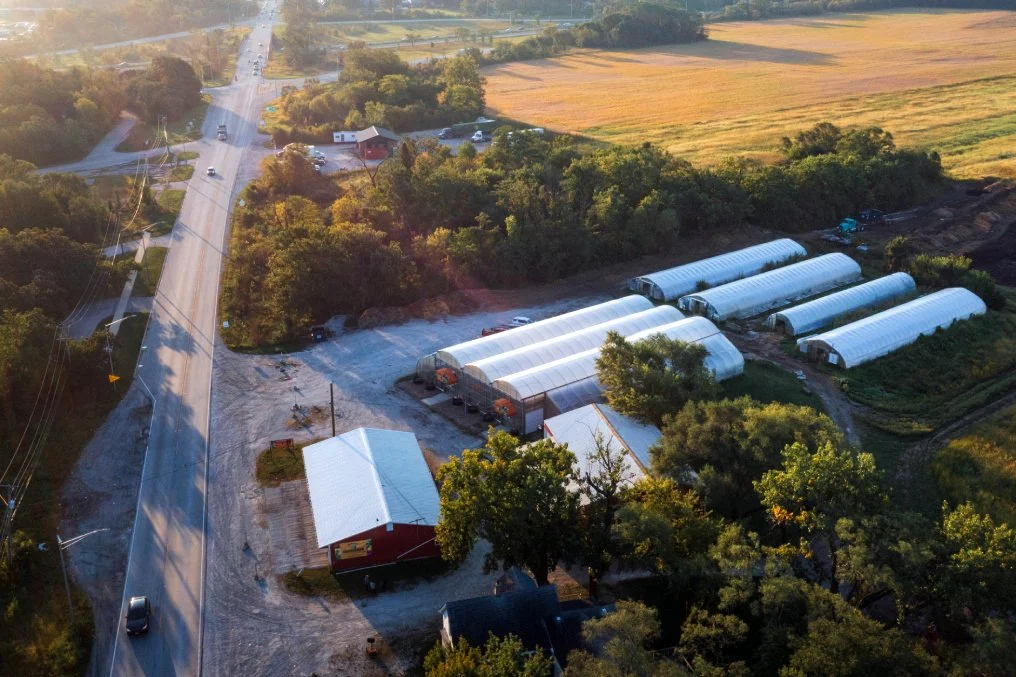
Establishments like Fermentery Form in Philadelphia and Mindscape Fermentations in Rocklin, California, are leading this charge. By utilizing winemaking techniques, such as the Solera system, or branching into kombucha, cider, and fermented foods, these businesses are hedging their bets against a fluctuating beer market.
Demographic Shifts and Wellness Trends
The move toward a broader fermentation portfolio is closely linked to changing consumer demographics. Market research indicates that Gen Z and younger Millennials are consuming less alcohol than previous generations, often cited as the "sober-curious" movement. By offering hard kombuchas, low-ABV "apple ales," and probiotic fermented snacks, these modern fermentories are attracting a more diverse clientele.
Lauren Houston and Lauren Price, co-founders of Mindscape Fermentations, observed that their focus on the "fermentarium" concept has resulted in a customer base that is significantly more gender-diverse than the traditional craft beer taproom. Their approach emphasizes education, helping customers understand the health benefits and flavor profiles of various fermented mediums. This educational component serves as a powerful marketing tool, transforming the brewery from a simple bar into a center for culinary and biological exploration.
A Timeline of Brewery Evolution
To understand the current state of the industry, it is helpful to view these changes within a historical context:
- The Industrial Era (1850s–1970s): Focus on mass production, consistency, and regional consolidation. Breweries were closed-door factories.
- The Microbrewery Revolution (1980s–1990s): The return of small-batch brewing. Focus on flavor and the "craft" aspect, though production remained the primary goal.
- The Taproom Boom (2000s–2015): Breweries became destinations. The "brewery as a bar" model took hold, emphasizing the experience of drinking at the source.
- The Diversification Era (2016–Present): The rise of the "third place," shared cooperatives, and the transition into holistic fermentation centers.
Strategic Implications for the Future
The shift toward collaborative and diversified models represents a necessary maturation of the craft beverage sector. For the industry to remain resilient, the "stand-alone" brewery may need to become the exception rather than the rule. The integration of breweries into community centers like Oasis Multikulti or the sharing of stainless steel at CoHop suggests a future where social and economic sustainability are inextricably linked.
Furthermore, the expansion into "alternative fermentations" provides a safety net. As Lauren Price of Mindscape Fermentations suggests, if beer consumption continues to see marginal declines, a business rooted in the broader science of fermentation can pivot to kombucha, seltzer, or fermented foods without losing its core identity.
In conclusion, the modern brewery is no longer just a place where beer is made; it is a laboratory for social innovation and biological creativity. By redefining their parameters, brewers are not only surviving a difficult economic climate but are also ensuring that the brewery remains a vital, inclusive, and evolving anchor of the local community. The success of these projects in France, Belgium, and the United States serves as a blueprint for the next generation of beverage producers who understand that in the modern market, the spirit of the collective is often more potent than the strength of the individual.