admin
admin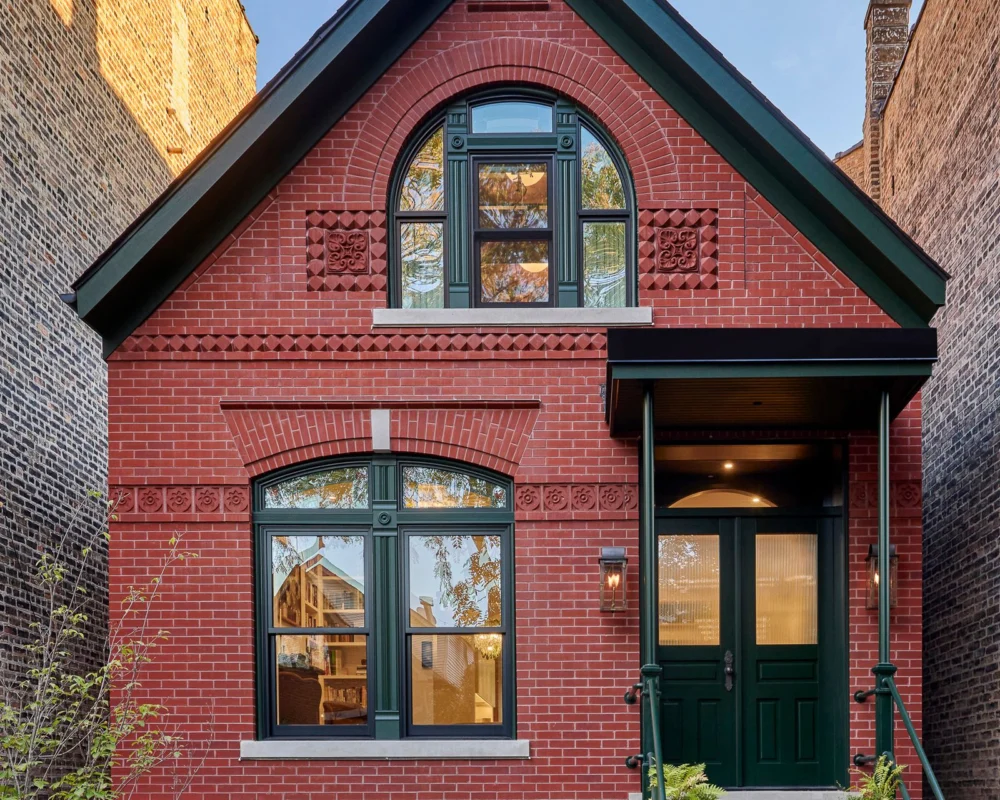
The narrative of Ukrainian Village is deeply rooted in the broader history of Eastern European immigration to the United States during the late 19th and early 20th centuries. Facing economic hardship, political oppression, and religious persecution in their homelands, often under the Austro-Hungarian and Russian Empires, millions sought new opportunities in America. Chicago, with its burgeoning industrial economy—particularly in meatpacking, steel, and manufacturing—emerged as a primary destination. The city’s promise of employment drew a diverse influx of immigrants, including a substantial number of Ukrainians who began arriving in significant numbers starting in the 1880s.
The Genesis of an Ethnic Enclave
Initially settling in various parts of Chicago, Ukrainian immigrants gradually coalesced around specific areas, drawn by affordable housing and the establishment of community institutions. The area now known as Ukrainian Village, located on the city’s near west side, became one such hub. Its geographic location, accessible to industrial jobs and relatively undeveloped at the time, made it an attractive site for establishing a new life. Unlike many other immigrant groups who often found themselves in overcrowded tenements, Ukrainians in this area often managed to purchase lots and construct their own homes, laying the foundation for the distinct architectural character that defines the neighborhood today.
The early years saw the rapid development of essential community infrastructure. Churches, serving as both spiritual centers and social anchors, were among the first institutions established. St. Nicholas Ukrainian Catholic Cathedral, consecrated in 1915, and Sts. Volodymyr and Olha Ukrainian Catholic Church, founded in 1918, stand as magnificent examples of Byzantine-Ukrainian architecture, symbols of faith and enduring cultural identity. These churches were not merely places of worship but served as focal points for social gatherings, educational initiatives, and political organizing, solidifying the community’s bonds. Alongside religious institutions, Ukrainian-language schools, credit unions, community halls, and businesses, ranging from bakeries to pharmacies, blossomed, creating a self-sufficient and vibrant cultural ecosystem within the urban fabric of Chicago.
Architectural Echoes of a Bygone Era
The architectural landscape of Ukrainian Village is largely defined by the residential structures erected during this initial period of settlement. The late 19th century was a time of rapid expansion for Chicago, and the housing stock reflected the prevailing styles and construction methods. The iconic brick townhouses, often two or three stories tall, showcase a blend of late Victorian, Queen Anne, and Romanesque Revival influences, adapted for urban living. These homes were typically built with robust masonry construction, featuring decorative brickwork, intricate cornices, bay windows, and carved stone lintels. Many were designed as multi-unit dwellings, allowing families to live together or rent out portions for additional income, a common practice among immigrant communities.
These residences were not grand mansions but solid, well-built homes designed for working and middle-class families, providing stability and a sense of permanence. Their uniform setback and consistent material palette contribute to the cohesive streetscapes that characterize the district. This architectural consistency is a key element that would later contribute to its landmark status, illustrating a distinct period of Chicago’s urban development and the particular socio-economic conditions of its residents.
The Urban Catalyst: Connecting the Village to the City’s Pulse
The growth of Ukrainian Village, like many other Chicago neighborhoods, was profoundly influenced by the city’s ambitious public transit projects. The year 1895 marked a pivotal moment with the construction of an elevated train line through the area. Specifically, the Metropolitan West Side Elevated Railroad, which would eventually become part of the Chicago ‘L’ system, provided an unprecedented level of connectivity. This infrastructural development drastically reduced commute times to the city’s central business district and industrial zones, making the neighborhood an even more attractive residential option for working-class families.
The elevated train transformed the area from a relatively isolated settlement into a well-integrated part of the burgeoning metropolis. It facilitated easier access to jobs, markets, and other urban amenities, simultaneously increasing property values and stimulating further development within the immediate vicinity of the stations. Businesses thrived near ‘L’ stops, and residential construction accelerated, solidifying the neighborhood’s density and character. This period of rapid transit expansion across Chicago in the late 19th and early 20th centuries was instrumental in shaping the city’s radial growth pattern and the distinct identities of its various communities, with Ukrainian Village being a prime example of transit-oriented development.
Landmarking and Preservation: Safeguarding a Legacy
By the mid-20th century, many of Chicago’s historic neighborhoods faced challenges of urban decay, population shifts, and the pressures of modernization. However, Ukrainian Village’s strong community identity and well-preserved architectural fabric positioned it for a different fate. The increasing awareness of the importance of historic preservation in American cities led to movements to protect culturally significant areas. For Ukrainian Village, this culminated in its designation as a Chicago Landmark District in 1983.
The landmark designation was a testament to the neighborhood’s historical significance, architectural integrity, and cultural distinctiveness. It recognized the area not just for individual buildings, but for its cohesive streetscapes, its role in the story of Ukrainian immigration to Chicago, and its enduring cultural institutions. The landmark status provides a layer of protection, requiring review and approval from the Commission on Chicago Landmarks for exterior alterations, new construction, and demolition within the district. This ensures that any changes respect the historic character and architectural integrity that defines the neighborhood. According to the City of Chicago’s Department of Planning and Development, landmark districts are vital for maintaining the city’s diverse heritage and promoting economic stability through heritage tourism and property value appreciation.
The Economics and Aesthetics of Restoration
Historic preservation in Ukrainian Village is a multifaceted endeavor, balancing the desire to maintain authenticity with the demands of modern living. The "new life" that many homes are finding often involves extensive restoration projects. These can range from meticulous façade repair, using historically accurate materials and techniques, to complete interior renovations that update infrastructure while preserving original architectural details like woodwork, plaster moldings, and stained glass.
Such projects are often complex and costly. Homeowners and developers must navigate stringent landmark guidelines, which can dictate everything from window replacement materials to paint colors. However, the investment is often justified by the unique character, historical value, and often appreciating property values associated with living in a landmark district. Studies by organizations like the National Trust for Historic Preservation consistently show that properties in historic districts tend to retain or increase their value at a higher rate than those outside such districts, even during economic downturns. This economic incentive, coupled with a deep appreciation for history and architecture, drives many preservation efforts. Architects specializing in historic restoration, often working in collaboration with preservation consultants and city agencies, play a crucial role in ensuring that renovations are both respectful of the past and sustainable for the future.
Modern Resurgence: Architectural Stewardship in the 21st Century
In the 21st century, Ukrainian Village has experienced a significant resurgence of interest, attracting new residents drawn to its charm, community feel, and proximity to downtown Chicago. This renewed interest has fueled a wave of preservation and revitalization projects. Homeowners, often professionals with an appreciation for historic architecture, are investing substantially in their properties. This typically involves updating antiquated plumbing and electrical systems, enhancing energy efficiency through sensitive upgrades, and restoring original features that may have been altered or neglected over decades.
The challenge lies in striking a delicate balance: integrating modern amenities and sustainable practices without compromising the historic fabric. For instance, installing new, energy-efficient windows often requires custom fabrication to match the original fenestration patterns and materials. Similarly, adding contemporary extensions or modifying interior layouts demands careful consideration of how these changes interact with the existing structure and the district’s overall aesthetic. Architectural firms like those frequently featured in design publications emphasize contextual design, where new interventions are distinct but harmonious, contributing to the ongoing narrative of the building and the neighborhood.
Voices from the Village: Perspectives on Preservation
The commitment to preservation in Ukrainian Village is not just institutional; it is deeply personal for many residents. "Living in Ukrainian Village is like living in a museum, but one where you’re actively part of its story," remarks Maria Petrova, a third-generation resident whose family home dates back to 1905. "My grandparents built this house, and maintaining it feels like an honor. It’s challenging, yes, finding the right craftsmen who understand historic techniques, but seeing the original brickwork restored or the interior woodwork brought back to life is incredibly rewarding."
Developers and architects involved in the district echo this sentiment, albeit from a different perspective. "Working in a landmarked district like Ukrainian Village requires a different mindset," explains David Chen, a principal at a Chicago-based architectural firm known for its preservation work. "It’s less about building new from scratch and more about intelligent adaptation and meticulous restoration. The guidelines are strict, but they force you to be more creative and thoughtful, resulting in better, more enduring architecture." City officials, too, emphasize the broader benefits. "Ukrainian Village stands as a beacon of successful urban preservation," states a representative from the Landmarks Division. "It demonstrates how safeguarding our past can invigorate communities, attract investment, and ensure that future generations can connect with the rich tapestry of Chicago’s history."
Navigating Gentrification and Identity
While historic preservation brings numerous benefits, it also presents complex challenges, particularly concerning affordability and demographic shifts. The increased desirability and property values in Ukrainian Village have inevitably led to concerns about gentrification. As the neighborhood attracts a more affluent demographic, the cost of living rises, potentially displacing long-term residents and traditional businesses that have served the community for decades. This delicate balance between revitalization and the retention of cultural identity is a recurring theme in many urban historic districts.
Community leaders and local organizations are actively engaged in discussions and initiatives aimed at mitigating these impacts. Efforts include supporting affordable housing initiatives within or near the district, fostering local businesses, and ensuring that new residents understand and respect the cultural heritage of the area. Festivals, cultural events, and the continued vibrancy of Ukrainian institutions play a crucial role in maintaining the neighborhood’s distinct identity amidst evolving demographics. The Ukrainian National Museum and the Ukrainian Institute of Modern Art, for instance, serve as vital cultural repositories and educational centers, ensuring that the stories and traditions of the community continue to be celebrated and passed down.
Broader Implications: A Model for Urban Heritage
The story of Chicago’s Ukrainian Village serves as a powerful case study for urban heritage preservation globally. It illustrates how the preservation of architectural and cultural assets can contribute to urban revitalization, economic stability, and a strong sense of community. The district’s success demonstrates that historic areas are not static relics but dynamic environments that can adapt and thrive, provided there is a concerted effort from residents, city officials, preservationists, and developers.
The lessons learned from Ukrainian Village extend beyond its specific boundaries. It highlights the importance of early community building by immigrant groups, the transformative power of urban infrastructure, and the enduring value of landmark designation in protecting unique urban environments. As cities worldwide grapple with rapid development and the loss of historic character, Ukrainian Village offers a compelling model for how to integrate the past into a vibrant future, ensuring that the architectural echoes of bygone eras continue to resonate in contemporary urban life.
In conclusion, Chicago’s Ukrainian Village is more than just a collection of old buildings; it is a living chronicle of immigration, community resilience, and the enduring power of cultural identity. From its humble beginnings as an immigrant enclave spurred by industrial growth and elevated transit, to its current status as a landmarked district, its brick townhouses continue to tell a story. Through dedicated historic preservation, these homes are not merely being maintained; they are being given new life, allowing future generations to connect with a rich past while forging a vibrant present, ensuring that the legacy of Chicago’s Ukrainian pioneers continues to inspire and inform the city’s ongoing evolution.