admin
admin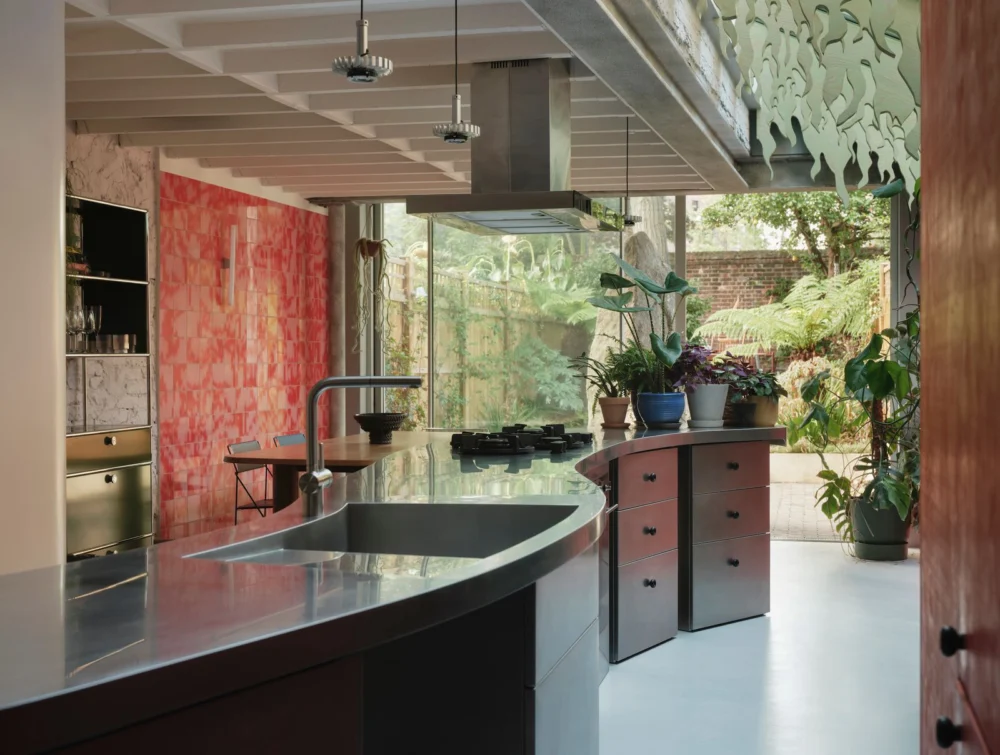
In a remarkable convergence of architectural innovation and profound personal vision, a recently completed residential project in London, aptly named "Druid Grove," has redefined the parameters of urban dwelling. This extraordinary home, conceived by CAN Architects, weaves together an eclectic tapestry of natural and monumental elements, both fabricated and real, creating material-rich spaces that are simultaneously a stage set and a sanctuary. The project, located in a vibrant London borough, stands as a testament to how an unconventional client brief, unburdened by architectural precedents, can yield a truly unique and deeply personal living environment. Hardman Engineers provided the structural expertise, ensuring the ambitious design could be realized, while Felix Speller masterfully captured its essence through his photography.
The Genesis of an Extraordinary Vision
The journey to Druid Grove began not with architectural blueprints, but with a series of evocative images shared by the client: hyperreal natural scenes, stark modern steel structures, and lush, dripping floral arrangements. This non-traditional brief presented CAN Architects with a unique challenge and opportunity: to translate abstract, sensory inspirations into a cohesive, functional, and visually compelling home. The overarching priority was to forge a dynamic and open environment, meticulously designed to maximize natural light, while integrating an experimental yet harmonious mix of materials. The name "Druid Grove" itself encapsulates the core ethos of the project, evoking mystical and grounding qualities, suggesting a dwelling deeply connected to nature and imbued with a sense of ancient wisdom, yet firmly rooted in contemporary design. This approach deviates significantly from typical residential briefs, which often focus on spatial requirements, material preferences, or stylistic adherence, pushing the boundaries of client-architect collaboration into a more interpretative and artistic realm.
Structural Reimagination and Spatial Transformation
The architectural intervention primarily focused on the ground floor, where significant structural alterations were undertaken to unlock its full potential. A key element of this transformation involved the addition of a rear extension, a common strategy in London’s dense urban fabric to expand living areas and enhance connectivity with outdoor spaces. More critically, the removal of a central structural wall on the ground floor was a pivotal move, drastically reorganizing the interior layout. This daring structural modification, expertly engineered by Hardman Engineers, liberated the floor plan, allowing for a fluid and expansive living experience.
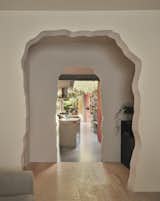
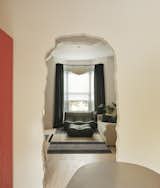
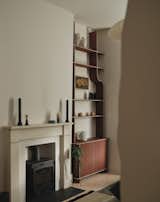
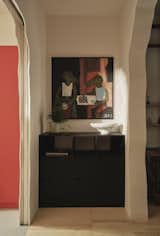
The formerly dark and underutilized dining area at the heart of the home was reimagined as a central antechamber, transforming a functional but neglected space into a key introductory zone. This antechamber now features an integrated bar, establishing it as a welcoming and social hub. Flanking this central space are a pair of strikingly designed "cave-like openings," which ingeniously conceal sliding pocket doors. These architectural gestures not only add an element of intrigue and sculptural quality but also serve to frame the subsequent spaces, setting the tone for the tactile and visually distinct kitchen and dining area. The front living room, in contrast to the rich textures elsewhere, is painted entirely in a creamy white. This choice serves a dual purpose: it maintains visual continuity with the light-maximizing strategy and emphasizes the architectural drama of the "cave-like openings," drawing the eye through the successive spaces. The flooring throughout these areas consists of Douglas fir plywood panels, which have been oiled to enhance and highlight their natural texture and grain, contributing to the grounding, organic feel envisioned in the initial brief.
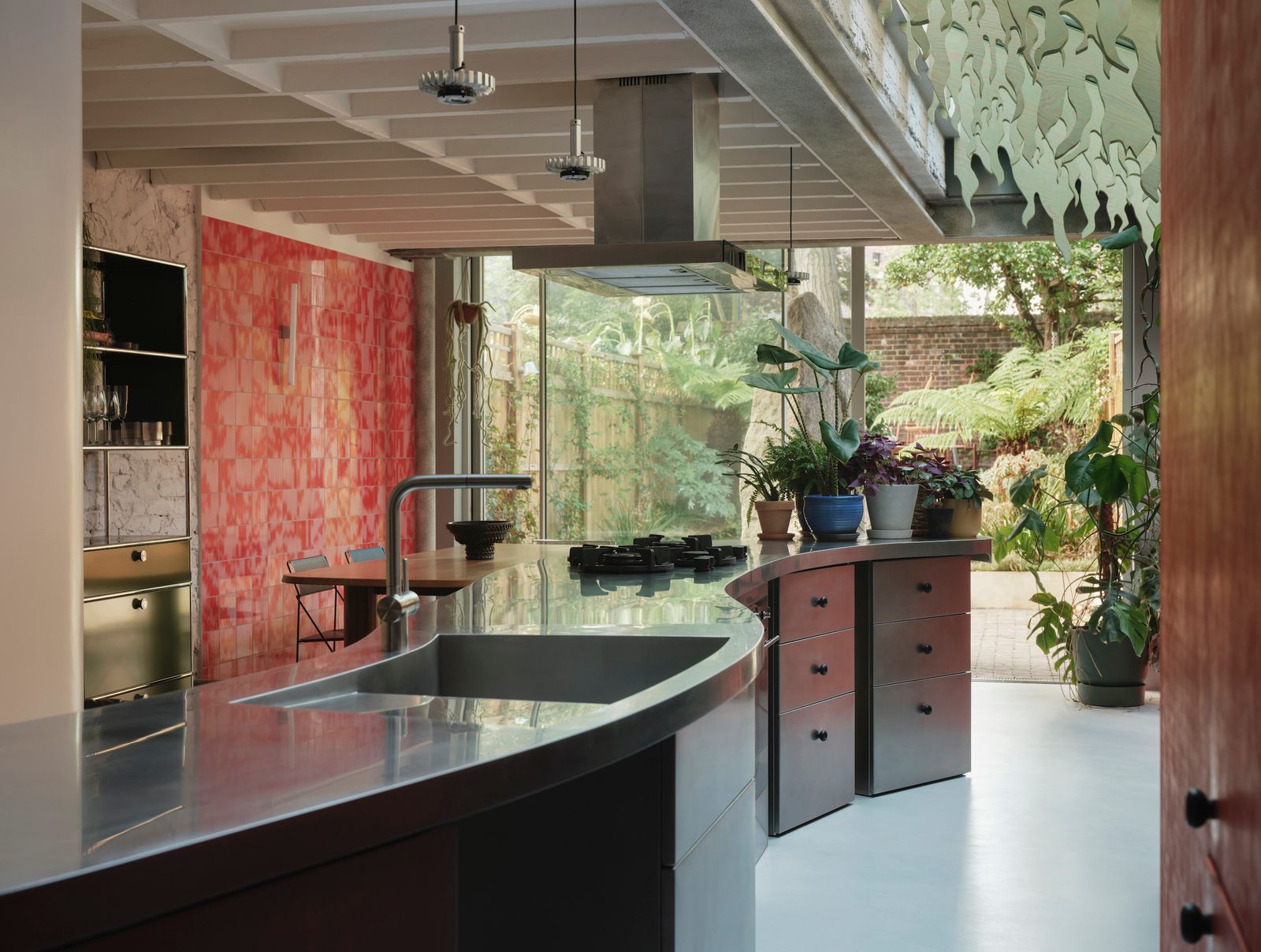
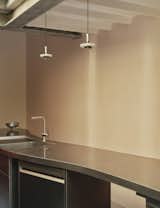
The kitchen, once a confined and dark outrigger, underwent a radical metamorphosis. It was transformed into an open, highly customized space, distinguished by a meandering stainless-steel kitchen island. This bold, industrial element stands in deliberate contrast to the natural wood flooring and the rough cast texture defining the kitchen and dining area walls, embodying the client’s original inspiration for a blend of modern steel structures and natural forms. The choice of stainless steel for a central island is not merely aesthetic; it offers exceptional durability, hygiene, and a reflective quality that helps bounce light through the room, aligning with the project’s goal of maximizing natural illumination.
A Tapestry of Textures and Tones
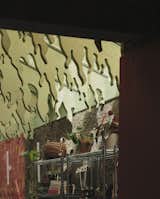
The material and color palette of Druid Grove is a deliberate orchestration designed to evoke a sensory journey, fulfilling the client’s desire for an experimental yet cohesive mix. Adding to the feeling of exaggerated natural forms, overhead timber trusses are conceptualized as "growing tendrils," stained a subtle pale green. These intricate patterns, designed collaboratively by CAN Architects and the client, were first printed and traced, then meticulously hand-cut on-site by the contractor. This artisanal approach highlights a commitment to craftsmanship and bespoke detailing, elevating functional structural elements into sculptural art pieces that mimic organic growth. The pale green stain further reinforces the biophilic design principles at play, subtly bringing the outdoors in.
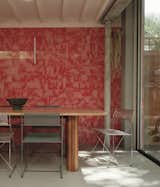
Against the backdrop of the rough cast texture that defines the kitchen walls, a striking elevation of custom glazed Palet tiles in varying pink and orange tones commands attention. These tiles introduce a vibrant, yet earthy, color scheme that reflects the "dripping floral arrangements" from the client’s brief, injecting warmth and a playful sophistication into the space. A high-gloss pale pinky-cream paint further contributes to the luminous quality of the room, reflecting and diffusing light to create an airy and inviting atmosphere. This careful selection of colors and textures creates a dynamic interplay, where rustic elements meet polished surfaces, and natural forms are interpreted through contemporary materials, avoiding any singular aesthetic and instead crafting a unique, layered experience.
The Ancient Sentinel: A Menhir in a London Garden
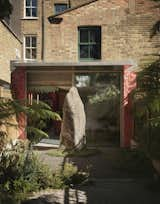
Perhaps the most striking and symbolically charged element of Druid Grove resides in its garden: a single standing stone, or ‘menhir’. This monumental rock serves as a physical and symbolic anchor for the ground floor extension, offering not only privacy from neighboring views but also a deep connection to the earth’s ancient past. The procurement and installation of this menhir were an undertaking of significant logistical complexity and precision. Chosen by the client and architect from a stone farm in Cornwall, a region renowned for its rich geological heritage and ancient megalithic sites, the stone’s journey to London was an event in itself. Its safe, albeit "nail-bitingly," craning over the house and into its final position underscores the project’s commitment to realizing its boldest visions.
The menhir carries a profound history, having been last moved by a glacier approximately 15,000 years ago. Its presence in a modern London garden adds an extraordinary layer of temporal depth and elemental power to the home. In ancient cultures, menhirs were often used for spiritual, ceremonial, or territorial purposes, embodying a sense of permanence and connection to the land. Within Druid Grove, this ancient rock contributes to a "cave-like sense of protection and enclosure," reinforcing the home’s grounding qualities. Its raw, unyielding natural form stands in stark, yet harmonious, contrast to the sleek, "spacey steel canopy" of the patio, encapsulating the project’s core theme of weaving together disparate elements into a unified whole. The stone’s undeniable presence sets a powerful tone for the entire home’s relationship with nature: elemental, experimental, and profoundly personal. This bold statement serves as a focal point, inviting contemplation and reinforcing the mystical qualities suggested by the home’s name.
Craftsmanship and Collaborative Innovation
The successful realization of Druid Grove is a testament to exceptional craftsmanship and a highly collaborative process. The intricate design of the overhead timber trusses, envisioned as "growing tendrils," exemplifies this partnership. The initial design, a joint effort between CAN Architects and the client, underwent a meticulous process of printing and tracing before being hand-cut on-site by the contractor. This bespoke approach, eschewing prefabricated solutions, ensured that the final execution perfectly matched the conceptual vision, embedding a unique artistic fingerprint into the home’s structure. Such dedication to detail, requiring skilled artisans and close coordination, is often a hallmark of high-end, custom residential projects in London, where discerning clients seek to differentiate their properties through unparalleled design and construction quality.
Implications for Contemporary Urban Design
Druid Grove’s innovative approach offers significant implications for contemporary urban design and the future of residential architecture. In a city like London, where space is at a premium and historical contexts often dictate design constraints, Druid Grove demonstrates a radical departure from conventional solutions. It champions a design philosophy where the client’s personal narrative and abstract inspirations are not just accommodated but become the driving force behind the architectural expression. This focus on deep personalization and experiential design is a growing trend, as homeowners increasingly seek spaces that reflect their unique identities rather than conforming to prevailing styles.
Furthermore, the project’s masterful integration of diverse materials—from natural Douglas fir and ancient stone to modern stainless steel and bespoke glazed tiles—showcases a sophisticated understanding of texture, light, and sensory engagement. This maximalist approach to materiality, carefully balanced by strategic use of neutral tones, creates a rich, layered environment without feeling cluttered. Druid Grove can be seen as a leading example of biophilic design principles, not merely through the inclusion of plants, but through its fundamental connection to natural forms, materials, and light, even within a dense urban setting. Its success may inspire other architects and clients to explore similarly bold, conceptually driven projects that challenge traditional boundaries and embrace a more holistic, personalized approach to home design. This project underscores a broader shift in luxury residential markets towards unique, story-driven homes that offer both aesthetic pleasure and profound personal resonance.
Project Realization and Key Contributors
The Druid Grove project represents a significant undertaking, likely spanning a comprehensive timeline from initial conceptualization in late 2024 or early 2025, through detailed design and planning stages, to construction and completion by early 2026. Such a complex renovation in London would typically involve navigating stringent planning regulations, coordinating multiple specialist contractors, and managing the logistics of material sourcing and installation, particularly for unique elements like the Cornish menhir. The expertise of CAN Architects in translating an abstract vision into a tangible reality, coupled with the structural acumen of Hardman Engineers, was crucial. Felix Speller’s role as photographer is equally vital, capturing the nuanced interplay of light, texture, and form that defines Druid Grove, allowing its story to be shared with a wider audience. The project’s completion and subsequent feature highlight its status as a benchmark for architectural creativity and client-architect collaboration in the competitive London design landscape.
Conclusion: A Sanctuary for the Modern Age
Druid Grove stands as a compelling example of how architecture can transcend mere functionality to become an immersive, narrative experience. It is a home that defies easy categorization, successfully blending ancient echoes with modern sensibilities, and raw nature with refined fabrication. By embracing an unconventional client brief and executing it with meticulous attention to detail and structural ingenuity, CAN Architects have delivered a residence that is both a "stage set" for daily life and a deeply personal "sanctuary." This London home is not just a place to live; it is a profound statement about the power of design to create spaces that resonate on a primal, emotional, and intellectual level, setting a new standard for personalized and conceptually rich urban dwellings.