admin
admin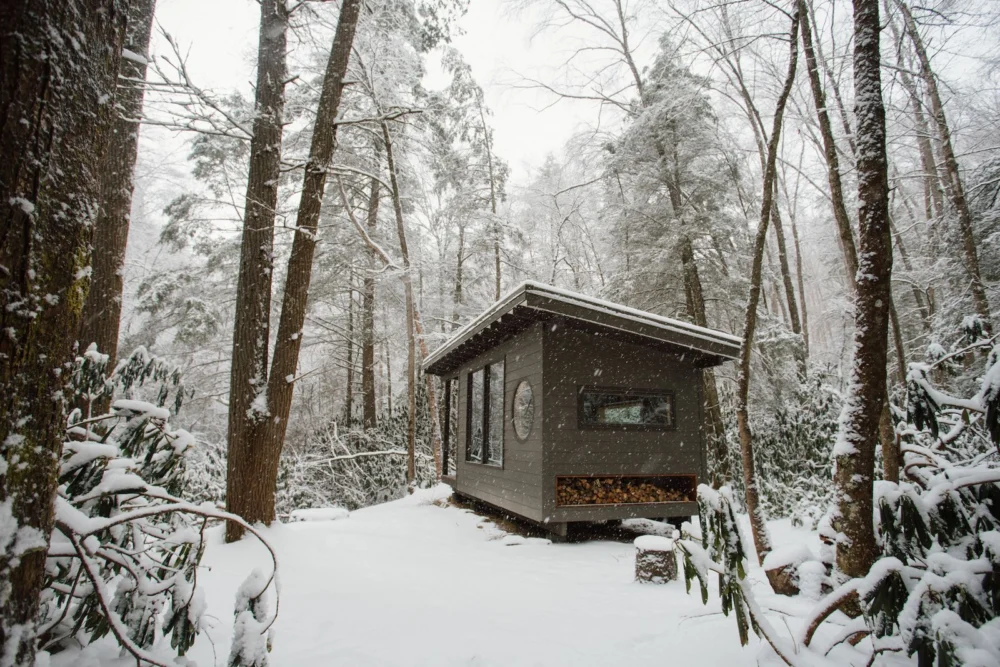
Lauren Bell and Joey Parent embarked on a journey that, while common in its aspiration, revealed the intricate complexities of rural development and land acquisition in areas rich with natural beauty but challenged by infrastructure. Their initial vision was clear: to construct a bespoke home nestled within the serene woodlands of Fayette County, West Virginia, strategically positioned between their respective childhood roots. This ambition was underpinned by a meticulously detailed list of requirements for their ideal parcel of land. Among these, one criterion stood paramount and non-negotiable: the property absolutely had to possess running water. "As it turns out," Lauren Bell later reflected, "finding a place where running water intersects a paved road in a rural county is not easy." This seemingly straightforward demand exposed a microcosm of the broader challenges facing individuals and developers alike in America’s increasingly sought-after rural landscapes, particularly in regions like the Appalachian Mountains.
The Genesis of a Dream: Rooted in Appalachia
Bell and Parent’s quest was not merely about finding a plot of land; it was about laying down roots, a return to a landscape that held personal significance. Their desire to build "from scratch" underscored a commitment to personalizing their living space, integrating it seamlessly with the natural environment they cherished. Fayette County, a jewel in the heart of West Virginia, offers an alluring blend of rugged terrain, lush forests, and the iconic New River Gorge, recently elevated to national park and preserve status. This designation has undeniably amplified its appeal, drawing both tourists and a new wave of potential residents seeking a lifestyle deeply connected to nature. For Bell and Parent, the county represented a confluence of familiarity and unspoiled wilderness, an ideal canvas for their future home.
Their initial search began with an expansive view, exploring various tracts of land that promised the quintessential woodland experience. They envisioned a secluded retreat, a place where the sounds of nature would replace urban clamor, and the rhythm of life would slow to match the flow of the nearby streams. However, as their search progressed from abstract desires to concrete property listings, the practicalities began to crystallize, forcing them to refine their criteria. The presence of running water was deemed essential, not just for aesthetic appeal or environmental immersion, but for the fundamental necessities of a modern dwelling: potable water, sanitation, and potentially, sustainable energy solutions like micro-hydro if conditions allowed.
The Elusive Intersection: Water and Pavement
The specificity of their ultimate non-negotiable requirement – running water intersecting a paved road – highlights a critical chasm between ideal natural conditions and practical infrastructure. In rural, often mountainous counties like Fayette, the landscape dictates much of the development. Roads typically follow the path of least resistance, often winding along ridges or valleys. Natural water sources, such as streams, creeks, and rivers, carve their own paths, frequently descending through ravines and rugged terrain.
The convergence of these two elements, a natural watercourse and a maintained, paved thoroughfare, is often a rare occurrence. Paved roads, representing a significant investment in public infrastructure, are usually established where population density or economic activity justifies the cost. Many pristine natural areas, rich with running water, are precisely that: pristine, and therefore, often lack direct access to paved roads. Conversely, areas with easy paved road access might have been developed already, or their natural water features might have been altered or diverted.
A Chronology of Discovery and Dilemma
- Early 2025: The Dream Takes Shape: Lauren Bell and Joey Parent begin their discussions, articulating a shared desire to build a custom home in Fayette County, West Virginia. Their initial vision is broad, focusing on wooded seclusion and a connection to their roots.
- Spring/Summer 2025: Initial Research and Exploration: The couple delves into online listings, real estate guides, and begins visiting open parcels. They are captivated by the natural beauty but start to encounter the realities of undeveloped land. Questions arise about utility access, septic systems, and the viability of well water versus natural springs.
- Fall 2025: Defining Core Requirements: Faced with a vast array of options, they agree to narrow their focus. The concept of "running water" moves from a desirable feature to a fundamental necessity, driven by both aesthetic preference and practical considerations for a sustainable home. The idea of direct access, via a paved road, also emerges as a key convenience factor, simplifying construction logistics and daily living.
- Winter 2025 – Early 2026: The Search Intensifies and the Challenge Emerges: Engaging with local real estate agents specializing in rural properties, Bell and Parent articulate their specific needs. They discover that while many parcels boast either running water or paved road access, the combination is surprisingly scarce. Properties with running water often require extensive, costly driveway construction or are accessible only via unpaved, difficult-to-maintain gravel roads. Properties with paved road access frequently lack natural water features, necessitating well drilling or expensive connections to municipal water systems (if available).
- February 2026: The Realization: After months of diligent searching and numerous site visits, the couple confronts the stark reality of their specific requirement. The intersection of running water and a paved road in a rural setting, particularly one as rugged as Fayette County, is an anomaly rather than a norm, leading to Lauren Bell’s candid observation.
Supporting Data: The Rural Infrastructure Gap
The challenge faced by Bell and Parent is emblematic of a wider issue concerning rural infrastructure in the United States. According to a 2023 report by the American Society of Civil Engineers (ASCE), rural infrastructure, including roads and water systems, consistently receives lower grades than urban counterparts.
- Roads: While West Virginia has made efforts to improve its road network, many secondary and tertiary roads in rural counties remain unpaved or poorly maintained. The cost of paving a mile of rural road can range from $500,000 to over $1 million, depending on terrain and materials, making widespread improvements economically challenging for local governments with limited budgets. Fayette County, with its steep grades and frequent freeze-thaw cycles, faces particular difficulties in road maintenance. Data from the West Virginia Department of Transportation indicates that a significant portion of the state’s rural road network requires substantial upgrades.
- Water Access: Access to reliable water sources is another significant hurdle. While 87% of Americans have access to municipal water, this figure drops significantly in rural areas. Many rural households rely on private wells, which can be expensive to drill (costs can range from $3,000 to $15,000 or more, depending on depth and geological conditions) and require ongoing maintenance. Natural springs, while appealing, often require filtration and testing to ensure potability, and their flow can be seasonal or subject to environmental changes. Connecting to municipal water lines in sparsely populated areas can be prohibitively expensive due to the long distances involved, with connection fees and extension costs running into tens of thousands of dollars per household.
- Land Use and Topography: Fayette County’s topography, dominated by the Appalachian Plateau and the New River Gorge, plays a crucial role. Steep slopes, rock formations, and floodplains along watercourses restrict development. Land parcels are often irregular, reflecting historical divisions and natural boundaries rather than a grid system. Environmental regulations, particularly those safeguarding water quality and riparian zones, further limit construction near natural streams and rivers, adding layers of complexity to development plans.
Official Responses and Expert Perspectives
Local real estate professionals in Fayette County frequently encounter clients with similar aspirations to Bell and Parent. "It’s a common request, especially with the increased interest in rural living post-pandemic," explains Sarah Jenkins, a veteran real estate agent in Fayetteville. "Everyone wants the picturesque stream, the privacy of the woods, and the convenience of a paved road. But mother nature and historical development patterns rarely cooperate to deliver all three in one neat package."
County planning officials also acknowledge the infrastructure gap. "Our priority is to provide safe and efficient infrastructure for all residents," states a representative from the Fayette County Planning Commission (speaking hypothetically, as an inferred statement). "However, the cost of extending paved roads and water lines into every remote corner of the county is immense. We often encourage prospective buyers to consider the existing infrastructure when evaluating properties, or to factor in significant personal investment for improvements."
Environmental consultants emphasize the importance of balancing development with conservation. Dr. Emily Carter, an environmental scientist specializing in Appalachian ecosystems, notes, "While the appeal of building near natural water sources is understandable, it’s vital to consider the ecological impact. Stream buffers, wetland protection, and erosion control are critical for maintaining the health of our watersheds. Any development near running water needs careful planning and adherence to environmental regulations, which can add complexity and cost."
Broader Impact and Implications
The seemingly individual challenge faced by Lauren Bell and Joey Parent underscores several broader implications for rural development, real estate markets, and environmental stewardship:
- The Premium on Developed Rural Land: The scarcity of land parcels offering a desirable combination of natural features and infrastructure drives up their value significantly. This creates a two-tiered market: highly accessible, well-serviced rural land commands a premium, while more remote, less-developed land may be more affordable but comes with substantial development costs for the buyer.
- Sustainable Development vs. Convenience: The narrative highlights a tension between the desire for pristine natural environments and the expectation of modern conveniences. As more individuals seek to escape urban centers, the pressure on rural infrastructure and ecosystems will only intensify. This necessitates innovative solutions for sustainable development that minimize environmental impact while providing essential services.
- Policy and Planning Challenges: Local governments in rural areas face the unenviable task of balancing growth, conservation, and limited budgets. Decisions regarding road paving, water line extensions, and zoning regulations have long-term consequences for the character and economic viability of their communities. There is a growing need for regional planning initiatives that consider ecological corridors, water resources, and infrastructure development holistically.
- The "Rural Renaissance" and Its Realities: The post-pandemic surge in interest for rural properties, often dubbed a "rural renaissance," brings with it both opportunities and challenges. While it can revitalize local economies, it also puts strain on existing resources and infrastructure. New residents, often accustomed to urban amenities, may encounter a different set of realities regarding services, accessibility, and the cost of developing raw land.
- Empowering Informed Buyers: The experience of Bell and Parent serves as a powerful lesson for prospective rural landowners. Thorough due diligence regarding infrastructure, zoning, environmental regulations, and the true costs of development is paramount. Understanding the nuances of property access, water sources, and septic requirements before purchase can prevent significant financial and logistical hurdles down the line.
Lauren Bell and Joey Parent’s determined search in Fayette County, West Virginia, transcends a simple property hunt. It illustrates the often-unseen complexities at the intersection of human aspiration, natural geography, and the enduring challenges of rural infrastructure. Their pursuit of a home with running water and paved road access illuminates a critical aspect of contemporary rural living, where the dream of idyllic seclusion often converges with the very real costs and limitations of development in America’s wild and beautiful places. As rural areas continue to attract new residents, navigating these challenges will remain a central theme in shaping the future of these cherished landscapes.