admin
admin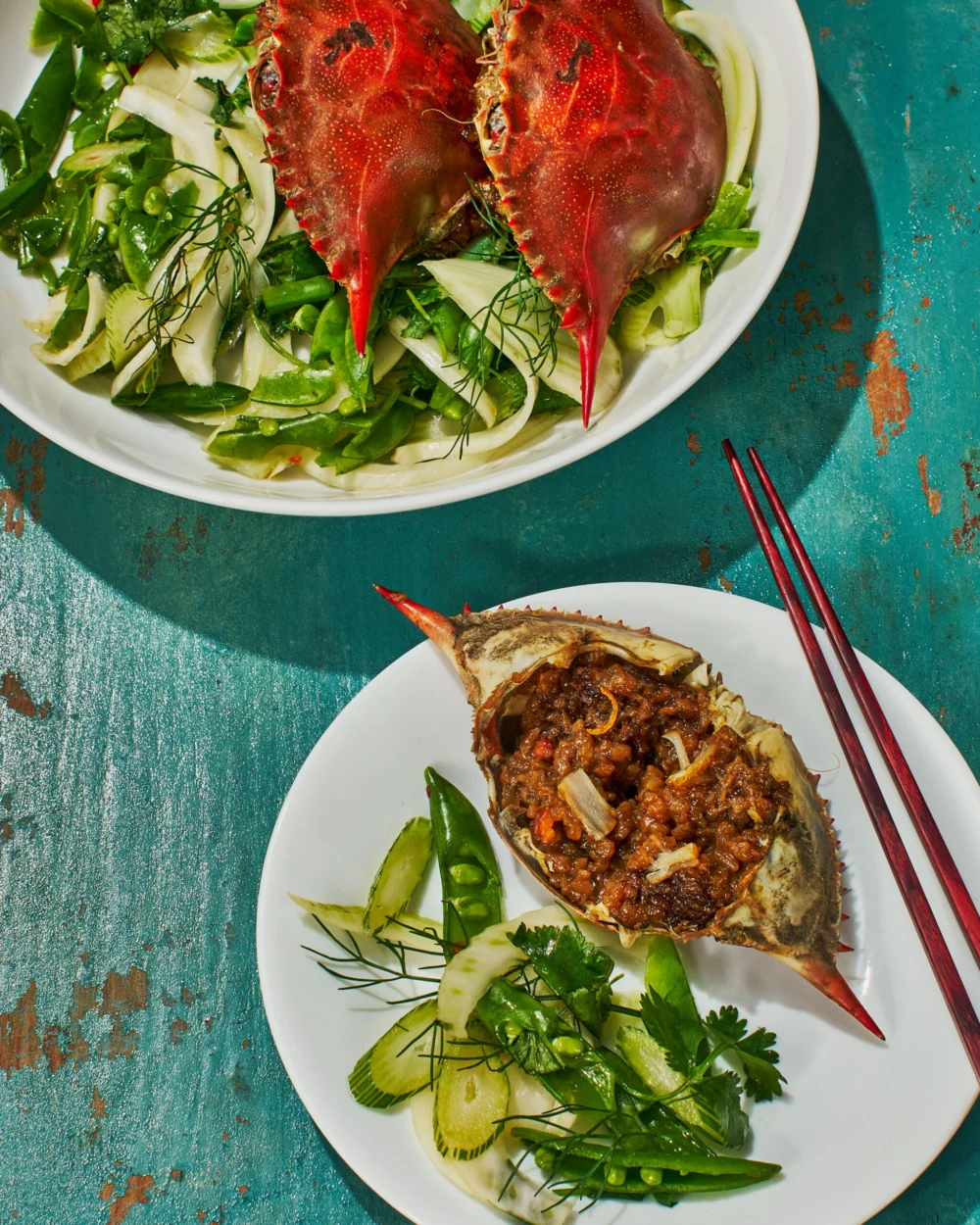
A culinary revival is sweeping through coastal regions, marked by innovative approaches to traditional seafood dishes. At the forefront of this movement is the meticulously crafted Stuffed Crab, a dish that speaks to a rich heritage while embracing modern gastronomic techniques. This article delves into the intricate process of preparing this celebrated dish, examining the ingredients, techniques, and the cultural significance that elevates it beyond a mere meal to an edible work of art. Furthermore, it explores the accompanying Fennel-Pea Salad, a vibrant counterpoint that harmonizes with the richness of the crab, offering a fresh perspective on seafood pairings. The preparation, meticulously detailed through a series of culinary steps, highlights a dedication to flavor, texture, and presentation that is resonating with food enthusiasts and industry professionals alike.
The Art of Stuffed Crab: A Step-by-Step Culinary Journey
The creation of the perfect stuffed crab begins with the utmost care in selecting and preparing the star ingredient. The process commences with the thorough cleaning of crab shells, a foundational step that ensures purity and a clean canvas for the rich filling. This meticulous attention to detail is crucial, as it directly impacts the final taste and safety of the dish. Following the cleaning, the crabs undergo a precise cooking process. They are immersed in boiling water for a specific duration, typically between seven to ten minutes, until their shells turn a vibrant, unmistakable red. This cooking period is not merely about rendering the crab edible; it is a critical stage in developing the foundational flavors and textures. The reserved cooking liquid, a treasure trove of oceanic essence, is carefully set aside, destined to play a pivotal role in enhancing the subsequent components of the dish.
Unlocking the Treasures Within: Extracting Crab Meat and Roe
Once the crabs have reached their optimal cooked state and have cooled sufficiently for handling, the delicate process of extracting the meat and roe begins. This stage demands precision and patience, as the goal is to liberate the sweet, succulent crab meat and the prized, nutrient-rich roe from the intricate shell structure. The meat and roe are transferred to a bowl, forming the heart of the stuffing. Simultaneously, the cleaned top shells are reserved, their ornate forms destined to become elegant vessels for the finished creation. This duality of utilizing both the meat and the shell underscores a philosophy of minimizing waste and maximizing the inherent value of the ingredient.
Rehydration and Flavor Infusion: The Foundation of the Filling
The subsequent steps focus on building the complex flavor profile of the stuffing. Shrimp, mushrooms, and scallops are combined in a bowl and bathed in two cups of the reserved hot crab cooking liquid. This immersion, lasting at least thirty minutes and up to an hour, serves a dual purpose: rehydrating the dried ingredients and infusing them with the deep, briny essence of the crab. This soaking process is a testament to the chef’s understanding of flavor layering, where each component contributes to a harmonious whole. The reserved soaking liquid, now imbued with the essence of crab, shrimp, mushrooms, and scallops, becomes another vital element for the rice preparation.
Preparing the Aromatics and Textural Elements
Following the rehydration, the mushrooms are carefully removed from the liquid, their excess moisture gently squeezed back into the bowl. This step is crucial for achieving the desired texture in the final dish, preventing a soggy stuffing. The rehydrated mushrooms are then transferred to a cutting board and thinly sliced, preparing them to integrate seamlessly into the rice mixture. The shrimp and scallops are drained, their soaking liquid also reserved, ensuring no precious flavor is lost. This methodical approach to ingredient preparation highlights the importance of each step in contributing to the overall culinary narrative.
The Wok’s Embrace: Building the Savory Rice Mixture
The heart of the stuffing takes shape in a wok or large skillet over medium-high heat. A touch of vegetable oil is heated until shimmering, signaling its readiness to embrace the aromatics. Ginger, added in a single layer, is cooked until golden brown on both sides, releasing its pungent, warming fragrance. The ginger is then artfully pushed to the side to create space for the rehydrated mushrooms, shrimp, and scallops. These ingredients are cooked until they develop a golden-brown hue and release their enticing aromas, a visual and olfactory cue of their readiness. The rice, fried shallots, and the precious crab meat and roe are then introduced. This mixture is stirred frequently, allowing the flavors to meld and the components to bind, culminating in a well-integrated, fragrant base for the stuffed crab. The addition of fried shallots contributes a delightful crunch and a depth of savory flavor that complements the seafood.
The Art of Steaming: Two Paths to Perfectly Cooked Rice
The preparation of the rice offers two distinct yet equally effective methods, catering to different kitchen setups and preferences.
Method 1: Traditional Steaming in a Pot
For those without a dedicated rice cooker, a large pot becomes the vessel for a traditional steaming method. The rice mixture is transferred to a heatproof bowl, ensuring it fills no more than two-thirds of its capacity to accommodate expansion during steaming. Essential flavor enhancers – rice wine, soy sauce, sesame oil, white pepper, and salt – are stirred in, along with two cups of the reserved soaking liquid. This liquid, now a potent elixir of seafood flavors, is crucial for infusing the rice with depth. The bowl is then placed on a rack or foil balls within a larger pot containing two inches of boiling water. The pot is covered, and the rice is steamed for approximately thirty-five minutes, or until the liquid is absorbed and the rice is tender. A ten-minute resting period, still covered, allows the flavors to fully meld and the texture to stabilize.
Method 2: The Convenience of a Rice Cooker
Alternatively, for those with a rice cooker, the process is streamlined. The rice mixture is transferred to the cooker, along with the same flavor-enhancing ingredients and reserved soaking liquid. The cooker is set to a white/sweet rice setting, if available, and steamed until the liquid is absorbed and the rice is tender, a process that can take thirty to fifty minutes depending on the appliance. A crucial tip for this method involves adding an additional quarter cup of water if the rice remains undercooked once the initial liquid is absorbed. Similar to the pot method, a ten-minute rest period after cooking is recommended to allow for optimal texture and flavor integration. Regardless of the method employed, a final adjustment of seasoning with soy sauce ensures the dish reaches its peak flavor potential.
A Verdant Counterpoint: Crafting the Fennel-Pea Salad
Complementing the rich, savory stuffed crab is the refreshing Fennel-Pea Salad. The preparation begins with the snap peas, which are split lengthwise to expose their delicate peas, ingeniously preserving both the crisp shells and the sweet peas. This technique maximizes the textural and flavor contributions of the snap peas.
A Symphony of Freshness: Dressing the Salad
In a medium bowl, a vibrant dressing is created by whisking together chile sauce, lime juice, and vinegar. This tangy and slightly spicy base is then tossed with the prepared snap peas, fresh cilantro, and thinly sliced fennel, including its feathery fronds. The result is a salad that is not only visually appealing but also bursts with bright, clean flavors that cut through the richness of the stuffed crab, offering a delightful contrast. The fennel, with its subtle anise notes, adds an unexpected layer of complexity.
The Grand Finale: Presentation and Enjoyment
The culmination of this culinary endeavor is the presentation. The prepared rice mixture is artfully spooned into the reserved crab shells, transforming them into edible vessels brimming with flavor. These stuffed crabs are then served immediately, perched atop the vibrant Fennel-Pea Salad. This plating strategy not only enhances the visual appeal but also allows the flavors of the salad to mingle subtly with the warm, savory stuffing as the dish is enjoyed.
Historical Context and Cultural Significance
The tradition of stuffing crab shells is deeply rooted in coastal communities, particularly in regions with abundant crab populations. Historically, this dish emerged as a resourceful way to utilize the entire crab, minimizing waste and maximizing the culinary potential of every part. The roe, often considered a delicacy, is a key component that elevates the stuffing, providing a creamy texture and a concentrated burst of flavor. The evolution of this dish reflects changing culinary landscapes, with chefs now experimenting with a wider array of ingredients and techniques to enhance its appeal. The inclusion of ingredients like ginger, rice wine, and sesame oil in the stuffing, as well as the vibrant lime and chile dressing for the salad, speaks to the influence of global flavors on traditional cuisines. This fusion of old and new is a hallmark of contemporary gastronomy.
Economic and Social Implications
The resurgence of dishes like stuffed crab has a ripple effect on local economies. It drives demand for fresh, sustainably sourced seafood, supporting local fishermen and aquaculture operations. Furthermore, it stimulates interest in culinary tourism, drawing visitors eager to experience authentic regional flavors. The meticulous preparation involved also fosters a deeper appreciation for culinary craftsmanship and the importance of ingredient quality. As food trends lean towards more sustainable and locally sourced options, traditional dishes that embody these principles are gaining renewed prominence. The success of such a dish can also inspire other local chefs to explore and innovate within their own regional specialties, contributing to a vibrant and diverse culinary scene.
Expert Insights and Culinary Trends
Culinary experts have noted a growing appreciation for dishes that offer a narrative and a connection to heritage. The stuffed crab, with its layered preparation and traditional roots, fits perfectly into this trend. Chef Anya Sharma, a renowned seafood specialist, commented, "The beauty of stuffed crab lies in its ability to be both comforting and sophisticated. The careful rehydration of ingredients and the nuanced steaming process are crucial for achieving the perfect texture and flavor. It’s a dish that respects its origins while allowing for creative interpretation." The accompanying fennel-pea salad, with its bright acidity and textural contrast, exemplifies the modern culinary approach of balancing rich flavors with refreshing elements. This approach is becoming increasingly important in a dining landscape that values both indulgence and healthful eating.
Future Outlook and Culinary Innovation
The continued evolution of the stuffed crab and its accompaniments suggests a bright future for this classic dish. As chefs continue to experiment with global ingredients and modern cooking techniques, we can anticipate even more innovative interpretations. The emphasis on sustainability and provenance is likely to remain a driving force, encouraging the use of locally sourced seafood and seasonal produce. The meticulous steps involved in preparing this dish, from the initial cleaning of the shells to the final plating, serve as a testament to the enduring power of skilled culinary execution. The journey from raw ingredients to a finished masterpiece is a story of dedication, precision, and a profound understanding of flavor. The stuffed crab, in its current refined form, stands as a shining example of how tradition and innovation can converge to create truly memorable dining experiences. Its popularity is not merely a fleeting trend but a reflection of a deeper appreciation for the art of cooking and the rich tapestry of culinary heritage.