admin
admin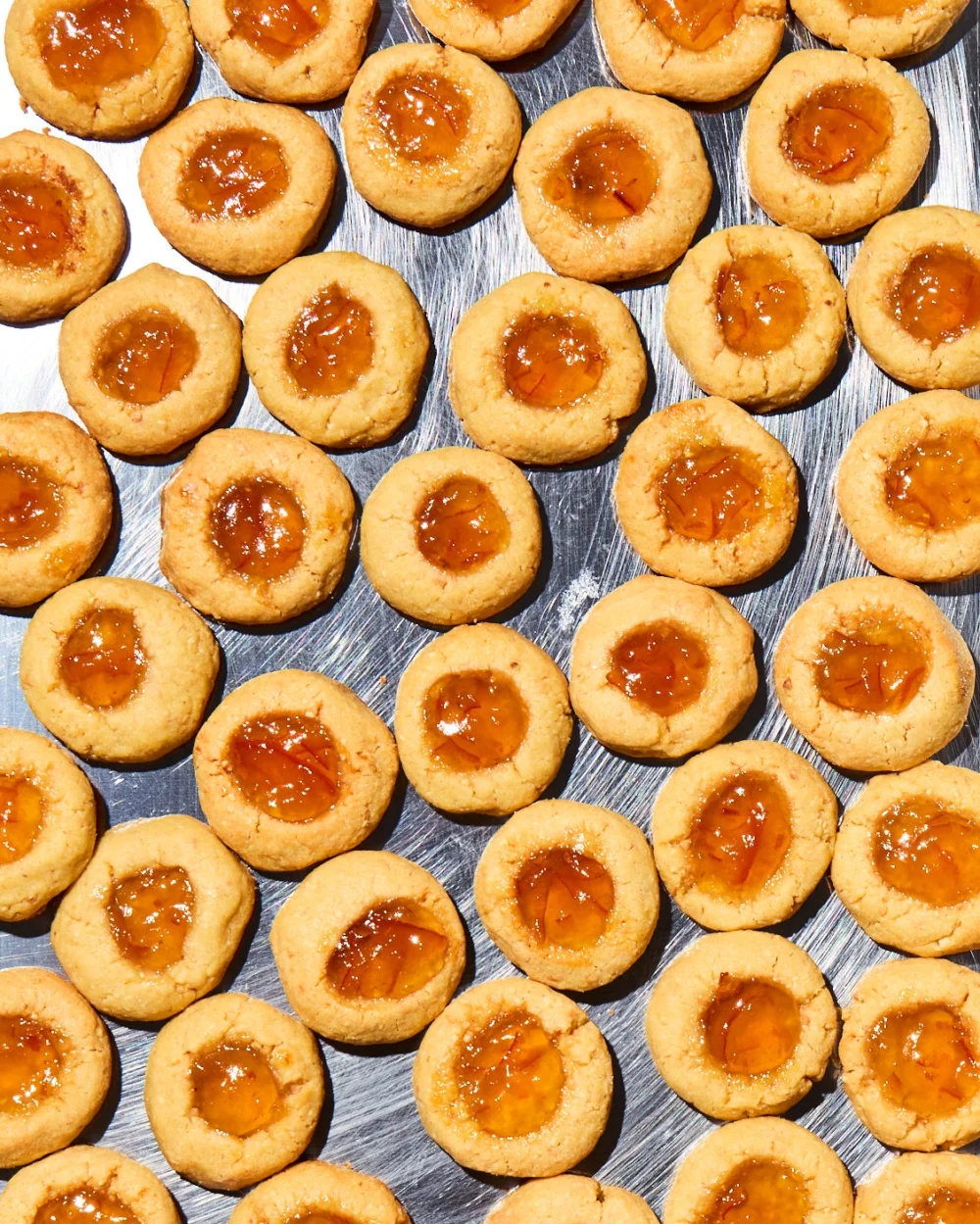
A detailed culinary guide for crafting delicate almond marmalade cookies has recently come to light, offering home bakers a precise and accessible method to produce these delightful treats. The recipe, meticulously outlined in four distinct steps, details the process from ingredient preparation to the final cooling stages, emphasizing key techniques for achieving optimal texture and flavor. This disclosure arrives amidst a growing public interest in home baking, spurred by various cultural and economic factors, and provides a valuable resource for individuals seeking to expand their repertoire of baked goods.
The Foundation: Crafting the Cookie Dough
The initial phase of this recipe focuses on the precise amalgamation of dry and wet ingredients to form the foundation of the almond marmalade cookies. Step one involves the meticulous whisking of three essential components in a medium bowl: all-purpose flour, finely ground almonds, and a pinch of salt. This dry mixture serves as the structural base for the cookies, with the almonds contributing not only a nuanced nutty flavor but also a subtle textural complexity. The salt, a seemingly minor addition, plays a crucial role in enhancing the overall flavor profile, balancing the sweetness and bringing out the inherent tastes of the other ingredients.
The subsequent step shifts to the sophisticated mechanics of a stand mixer, a tool synonymous with efficient and consistent baking. Here, softened butter and granulated sugar are subjected to a medium-high speed beating for approximately two minutes. This process, commonly known as creaming, is critical for incorporating air into the mixture, which directly contributes to the cookie’s lightness and tender crumb. The visual cue for success is a mixture that becomes "light and fluffy," indicating sufficient aeration has been achieved.
Following the creaming stage, the recipe directs the incorporation of egg yolks. These contribute richness, binding properties, and a desirable golden hue to the dough. The introduction of vanilla and almond extracts further elevates the aromatic and gustatory experience of the finished cookie. The recipe stresses the importance of mixing until these wet ingredients are thoroughly combined, with a practical reminder to scrape down the sides of the bowl as needed. This ensures uniform distribution of all components, preventing pockets of unmixed ingredients and guaranteeing a cohesive dough.
The final crucial step in dough preparation involves the gradual addition of the flour-almond mixture to the wet ingredients. This is performed on a low speed setting to prevent overmixing, a common pitfall that can lead to tough cookies. The directive to mix "just until no white streaks remain" is a clear indicator of optimal incorporation. Overworking the dough at this stage can develop the gluten in the flour excessively, resulting in a chewier, less delicate cookie than intended.
Once the dough is successfully formed, it is gathered into a ball, a visually straightforward yet important step for managing the dough’s consistency. The dough is then tightly wrapped in plastic and subjected to refrigeration for a minimum of 30 minutes. This chilling period is not merely a waiting game; it is a vital stage for firming the butter within the dough. This allows for easier handling and shaping of the cookies, while also contributing to their ability to hold their form during baking and promoting a better texture. The recipe also offers flexibility, noting that the dough can be refrigerated for up to seven days, allowing bakers to prepare the dough in advance of their baking endeavors.
The Art of Shaping and Filling
With the dough adequately chilled and prepared, the focus shifts to the precise execution of shaping and filling, transforming the pliable dough into individual cookie units ready for the oven. Step three outlines the preheating of the oven to 350 degrees Fahrenheit, a standard temperature for many cookie recipes, with a specific instruction to position racks in the upper and lower thirds. This dual rack placement is a strategic choice aimed at ensuring even baking throughout the oven, mitigating potential hot spots and promoting consistent browning across batches.
The recipe then guides the baker to roll the chilled dough into uniform 1-tablespoon balls. This standardized portioning is essential for ensuring that all cookies bake at the same rate, preventing some from burning while others remain undercooked. These individual balls are then carefully transferred to parchment-lined baking sheets, with a recommended spacing of at least one inch apart. This clearance is crucial to allow for slight spreading during baking and to prevent the cookies from merging into one another.
A distinctive characteristic of this recipe is the creation of an indentation in the center of each cookie ball. This is achieved using the thumb or the back of a round measuring spoon. This small but significant step serves a dual purpose: it not only provides a well for the filling but also contributes to the cookie’s visual appeal, creating a defined center. The instruction to "smooth any cracked edges" using fingers is a practical tip that addresses the potential for cracking in chilled cookie dough, ensuring a neater final product.
The culmination of this step is the filling of each indentation with one teaspoon of marmalade. The choice of marmalade is often left to the baker’s preference, with citrus varieties such as orange, lemon, or grapefruit being traditional and complementary to the almond flavor. The precise amount of marmalade ensures that each cookie receives a balanced burst of fruity sweetness without overwhelming the delicate almond cookie base.
The Transformation: Baking and Cooling
The final stage of the recipe, step four, details the baking process and the subsequent cooling necessary to achieve the desired cookie texture. The baking duration is specified as 12 to 15 minutes, a relatively short timeframe that underscores the importance of vigilance. The instruction to "switch racks and rotate the baking sheets halfway through" is a critical element of the dual rack baking strategy. This rotation ensures that cookies on both the upper and lower racks experience similar heat exposure, promoting even cooking and preventing one batch from being significantly more baked than the other.
The visual cue for doneness is a "light golden brown" hue. This indicates that the cookies have achieved a pleasant color and are cooked through without becoming overly browned or brittle. Over-baking can lead to a dry and hard cookie, while under-baking will result in a doughy center.
Upon removal from the oven, the cookies are not immediately transferred to a cooling rack. Instead, they are set aside on the baking sheets to cool slightly. This initial cooling period allows the cookies to firm up sufficiently to withstand handling without breaking. The warmth retained in the baking sheet continues the gentle baking process, setting the base of the cookie.
Subsequently, the cookies are transferred to a wire rack to cool completely. This is a crucial step for achieving the perfect texture. Cooling on a wire rack allows air to circulate around all sides of the cookie, preventing the bottom from becoming soggy due to trapped moisture. The complete cooling process is essential before serving or storing to allow the flavors to meld and the texture to fully develop.
The recipe concludes with practical advice on storage, stating that the cookies will keep in an airtight container for up to five days. This information is valuable for bakers who wish to make the cookies in advance or to enjoy them over a period. The airtight container is vital for maintaining the cookies’ freshness and preventing them from becoming stale or absorbing unwanted moisture from the air.
Broader Context and Culinary Significance
The emergence of such a detailed and well-structured recipe reflects a broader trend in contemporary society: the resurgence of interest in home baking. Several factors contribute to this phenomenon. The economic climate often encourages individuals to seek cost-effective alternatives to commercially produced baked goods. Furthermore, the increased availability of high-quality ingredients and advanced baking equipment has made home baking more accessible and appealing to a wider audience. The digital age has also played a significant role, with social media platforms and online recipe databases democratizing culinary knowledge and fostering communities of home bakers who share their experiences and creations.
The almond marmalade cookie, while seemingly a simple confection, holds a place in the vast landscape of baked goods. Its combination of nutty richness from the almonds and the bright, tangy counterpoint of the marmalade creates a flavor profile that is both comforting and sophisticated. Recipes like this one, which emphasize technique and precision, cater to a growing segment of home bakers who are seeking to elevate their skills beyond basic cookies and cakes. They are interested in understanding the science behind baking and achieving professional-quality results in their own kitchens.
The detailed instructions, from the creaming of butter and sugar to the specific baking and cooling protocols, indicate a recipe designed for success. The emphasis on chilling the dough, for instance, is a technique often employed in more advanced cookie recipes to improve texture and prevent excessive spreading. The dual rack baking and rotation instruction points to an understanding of oven dynamics, a detail that can significantly impact the outcome of baked goods.
The longevity of the dough in the refrigerator, up to seven days, also speaks to the practical needs of modern households. It allows for meal prep and baking to be integrated into busy schedules, offering flexibility without compromising quality. This aspect makes the recipe particularly attractive to individuals or families who may not have the time to bake from scratch on demand.
Potential Implications and Future Trends
The dissemination of such a well-crafted recipe can have several implications. Firstly, it contributes to the preservation and popularization of specific culinary traditions. While the origin of this particular almond marmalade cookie recipe is not specified, its structure suggests a lineage that values both flavor and texture. By sharing such detailed instructions, these culinary nuances are passed on to a new generation of bakers.
Secondly, it can stimulate innovation and adaptation within the home baking community. Once a baseline recipe is established, bakers often experiment with variations, substituting different types of nuts, citrus fruits for the marmalade, or even adding spices. This recipe provides a solid foundation for such creative exploration.
Furthermore, the increasing emphasis on precise instructions and understanding baking principles, as exemplified by this recipe, suggests a growing sophistication among home bakers. This could lead to a greater demand for specialized ingredients and advanced baking techniques, potentially influencing the retail market for baking supplies and educational resources.
The continued sharing and refinement of recipes like this one are likely to play a role in shaping future culinary trends. As more individuals embrace home baking as a hobby, a form of stress relief, or even a way to supplement their income, the demand for clear, reliable, and inspiring recipes will only grow. The detailed approach taken in this almond marmalade cookie recipe sets a high standard and serves as a valuable contribution to the ongoing evolution of home culinary arts.