admin
admin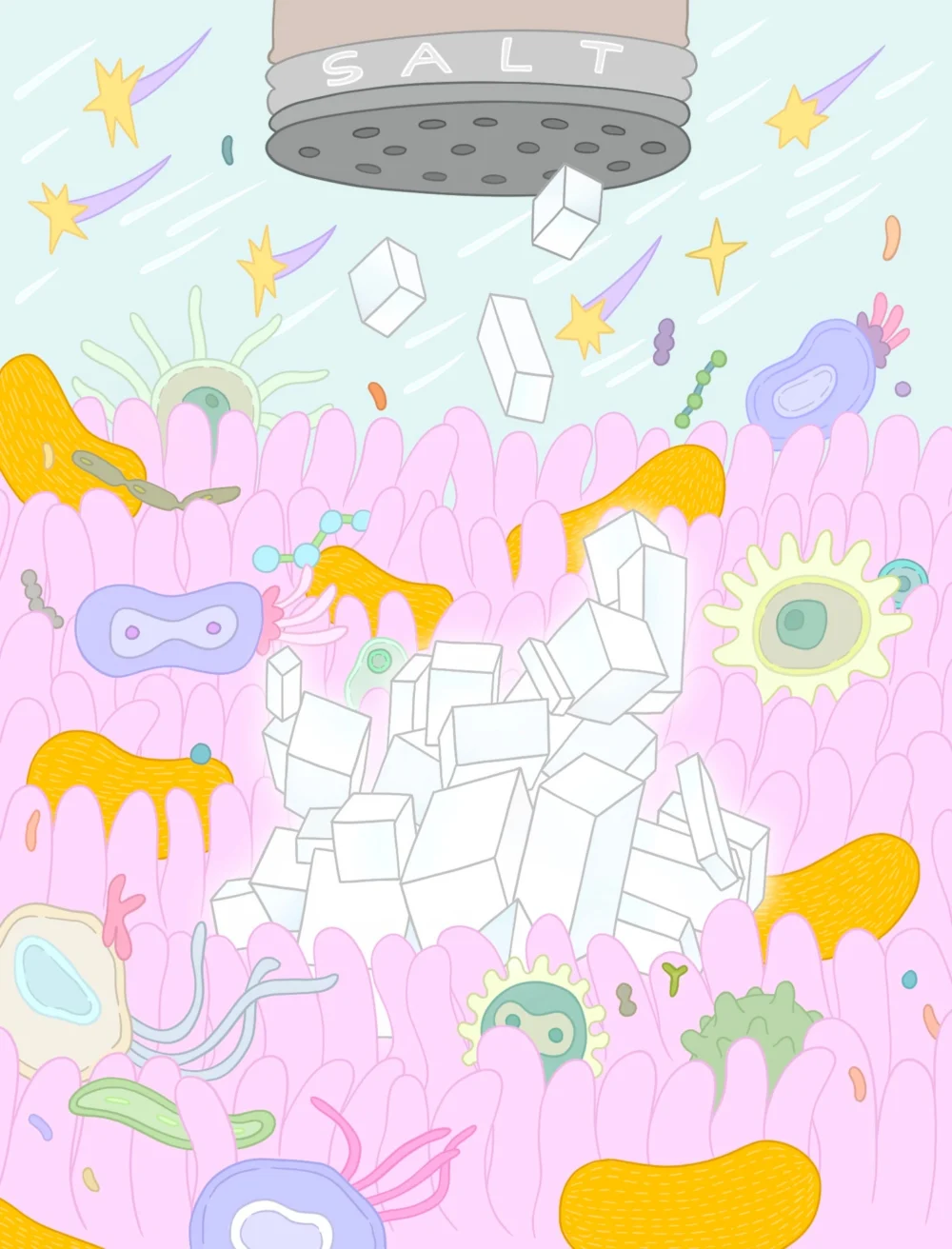
The ubiquitous white crystal, salt, a fundamental element of human survival and culinary tradition, has become a focal point of public health discourse. While essential for myriad bodily functions, its overconsumption, particularly in the context of modern processed foods, is increasingly linked to a spectrum of chronic diseases. This exploration delves into the science behind salt’s role in the body, the evolution of its place in our diets, and strategies for navigating a landscape where sodium lurks in unexpected places, all while striving to maintain the joy of flavorful eating.
The Indispensable Role of Salt in Human Physiology
Far from being a mere flavor enhancer, salt, composed of sodium and chloride, is a vital electrolyte critical for life. Its necessity is ingrained in our biology, evident even in the taste of our tears. As Mark Kurlansky highlights in his seminal work, "Salt: A World History," it is "the only rock we eat," underscoring its ancient and fundamental connection to humanity. These minerals are indispensable for maintaining the electrical charges that power nerve impulses, facilitate muscle contractions, and enable brain function. Lauren Wallis-Dyer, a functional nutritionist specializing in digestive and metabolic health, emphasizes sodium’s pivotal role in regulating blood volume, which serves as the body’s primary transport system for oxygen, nutrients, hormones, and immune cells.
The digestive process itself relies heavily on salt from its very inception. Wallis-Dyer explains that the presence of salt signals the commencement of a meal, initiating preparatory digestive responses even before food reaches the stomach. Within the stomach, sodium and chloride are instrumental in producing gastric acid, a crucial component for breaking down proteins into absorbable nutrients and neutralizing harmful microbes. Furthermore, sodium aids in bile flow and pancreatic enzyme release, facilitating the emulsification of fats and the absorption of essential nutrients. Its role extends to the transport of glucose and amino acids from the gut to the body’s tissues, where they are utilized for energy and growth.
However, the delicate balance of salt in the body is easily disrupted. Official dietary guidelines underscore this concern. The U.S. Dietary Guidelines for Americans recommend a maximum daily sodium intake of 2,300 milligrams, approximately one teaspoon. The American Heart Association, however, advocates for an even more stringent optimal limit of 1,500 milligrams per day, less than three-quarters of a teaspoon. These recommendations stand in stark contrast to the average American’s consumption, which hovers around 3,400 milligrams daily, nearly 50% more than the recommended upper limit. This pervasive overconsumption, as documented by the Centers for Disease Control and Prevention (CDC), is a significant public health challenge.
The ramifications of excessive sodium intake are well-documented. The CDC identifies hypertension as a primary consequence, directly contributing to the leading causes of death in the United States: heart disease and stroke. Extensive research has established a robust correlation between high-salt diets and gut dysbiosis – an imbalance in the gut microbiome. This imbalance can trigger inflammation, contribute to a phenomenon known as "leaky gut" (increased intestinal permeability), and exacerbate high blood pressure and cardiovascular disease. Conversely, studies have demonstrated that reducing sodium intake can positively impact the gut microbiome, leading to increased production of short-chain fatty acids. These beneficial compounds play a crucial role in reducing inflammation, regulating the immune system, and lowering blood pressure. A landmark study published in Health Affairs estimated that a modest 12% reduction in dietary sodium could prevent tens of thousands of premature deaths annually and save billions in healthcare costs.
The Shifting Landscape of Salt in the Food Supply
Historically, salt was an intrinsic element of food preparation, deeply intertwined with preservation, fermentation, seasoning, and enhancing digestibility. Wallis-Dyer notes that in traditional culinary practices, salt was consumed within a matrix of water, fiber, protein, and other minerals, embedded in meals that required chewing and cooking, allowing the body to process sodium within a holistic nutritional context. This natural integration has been dramatically altered by industrialization and the subsequent rise of processed and restaurant-prepared foods.
A pivotal 2017 study revealed a startling statistic: 71% of the sodium in the typical American diet originates from commercially prepared foods, encompassing both ultra-processed items and meals consumed in restaurants. Ultra-processed foods, characterized by the inclusion of ingredients not typically found in home kitchens, such as chemical additives and preservatives, now constitute over half of the calories consumed in the U.S. and represent a staggering 73% of the American food supply.
Ashli Greenwald, an advanced practice dietitian at Johns Hopkins Bayview Medical Center, attributes the problematic rise in sodium consumption to its widespread use as a preservative in processed foods. She observes a disturbing trend of age-related diseases appearing in younger populations, a phenomenon she links to the Western diet’s high prevalence of processed foods and excessive sodium. This dietary pattern, she argues, is a significant contributor to these escalating health issues.
To mitigate the impact of this ultra-processed food landscape, Greenwald advocates for increased home cooking. For those seeking convenience, she suggests opting for frozen fruits and vegetables over their canned counterparts, as they generally contain lower levels of sodium. However, even seemingly simple ingredients can be deceptively processed. Danielle Turner, a private chef who founded "Salt Sanity: Your Guide to Living and Loving Your Low-Sodium Life" after her husband’s heart failure, recounts her shock upon realizing the high sodium content in everyday condiments like ketchup, mustard, and tomato sauce, which were staples in their pre-diagnosis diet.
Turner’s advice to consumers is to navigate the grocery store by focusing on the perimeter, where fresh produce, typically lower in sodium, is often located. A general rule of thumb is to favor foods with minimal or no labels, signifying a greater likelihood of being unprocessed. Nevertheless, diligent label reading remains a crucial practice for anyone aiming to reduce sodium intake. Fortunately, lower-sodium and reduced-sodium alternatives are increasingly available for many commonly consumed products.
However, the effectiveness of "reduced sodium" claims can vary. For instance, while regular soy sauce can contain up to 1,000 milligrams of sodium per tablespoon, its reduced-sodium counterpart might still harbor 600 to 700 milligrams. Turner offers coconut aminos as a superior alternative, boasting less than half the sodium of traditional soy sauce and providing a comparable flavor profile for dishes like fried rice. The "no salt added" label is generally a more reliable indicator of lower sodium content. Furthermore, emerging technologies, such as smartphone applications like Noom, have shown promise in helping consumers accurately track sodium content while shopping, as indicated by initial studies.
Reclaiming Flavor: Strategies for the Home and Restaurant Kitchen
The perception of salt as an antagonist is being challenged by culinary professionals who emphasize its role as a fundamental flavor enhancer. Chef Roshara Sanders, an assistant professor at the Culinary Institute of America (CIA) and chef ambassador for Red Rooster Harlem, states that salt is not inherently an enemy. When used judiciously, it draws out moisture, intensifies natural aromas, and reveals the subtle complexities of other seasonings. Sanders asserts that "When used thoughtfully and respectfully, salt is fundamental to both flavor development and good cooking."
Despite this nuanced perspective, restaurant chefs often face criticism for their liberal use of salt. Michael Anthony, executive chef at Gramercy Tavern in Manhattan, attributes this to the pressures of cooking during peak service hours. He explains that cooks can lose touch with the cumulative impact of salt across an entire dish or a multi-course meal, often underestimating its effect.
Dr. Connie Guttersen, a registered dietitian and author of "The Sonoma Diet," highlights the importance of training in culinary education. She notes that at institutions like the CIA, there’s a concerted effort to educate aspiring chefs on mindful seasoning. "It’s a lot of training for sous chefs and line cooks to get them out of the habit of just throwing the salt on," she states. She cites an example of steakhouse owners who routinely apply finishing salt to steaks immediately after they have already been salted during the cooking process.
For diners seeking to manage their sodium intake, Guttersen suggests simple requests like "Can you go light on the salt?" or "Can you please not add any finishing salt?" The increasing diversity of global cuisines featured in restaurants offers a broader flavor palette that can move beyond a sole reliance on salt. Mediterranean, Asian, and Latin American culinary traditions, for instance, provide a wealth of herbs, spices, and aromatics that can elevate dishes without excessive sodium.
Restaurant chefs themselves offer a wealth of strategies for reducing sodium without sacrificing taste. Chef Telly Justice of HAGS in New York City believes that perceived under-seasoning often stems from a lack of balance rather than an absence of salt. She emphasizes the importance of incorporating acidity for brightness, umami for satiety, fats for richness and mouthfeel, natural salinity from ingredients like seaweed, and well-chosen spices to significantly reduce the need for added salt.
Executive Chef Ham El-Waylly of Strange Delight in Brooklyn utilizes ingredients like miso and bouillon powder to introduce layered savory notes that round out a dish. Kevin Garrison, executive chef at Sushi Koju in Brooklyn, leverages the stimulating properties of chile peppers, whose capsaicin enhances flavor and aroma perception without additional sodium. He also points to wasabi’s ability to release terpenes, aroma compounds, from fats, acting as a salt substitute.
Heena Patel, chef and co-owner of Besharam in San Francisco, focuses on maximizing aromas through techniques like vaghar, or tempering. This involves blooming spices such as mustard seeds, curry leaves, garlic, chilies, or hing (asafoetida) in hot oil, building depth of flavor before salt is even considered. Properly bloomed spices, she explains, reduce the overall need for other seasonings.
Wallis-Dyer offers a crucial distinction: "Salt was never meant to function as an abstract metric." She argues that for individuals whose diets are heavily reliant on packaged or restaurant foods, advice to reduce salt often translates to an improvement in overall food quality, which is generally beneficial. However, for those who primarily cook at home with minimally processed ingredients, the context is different. In such cases, seasoning food with natural, mineral-rich salt is not excessive but rather an integral part of creating satisfying, digestible, and nourishing meals.
The journey of understanding salt’s role in our diets is ongoing. For some, like the author’s aunt, a specialized sodium-free seasoning blend offers a vital tool for enjoying food while managing health conditions. For others, like the author, a judicious touch of coarse-ground rock salt from the cellar, added incrementally and tasted throughout the cooking process, represents a responsible approach to enhancing flavor. As Michael Anthony wisely notes, "That’s the responsibility of a good chef and a good home cook." This mindful approach to seasoning, informed by both scientific understanding and culinary artistry, is key to navigating the complex relationship between salt, our health, and our enduring love for delicious food.