admin
admin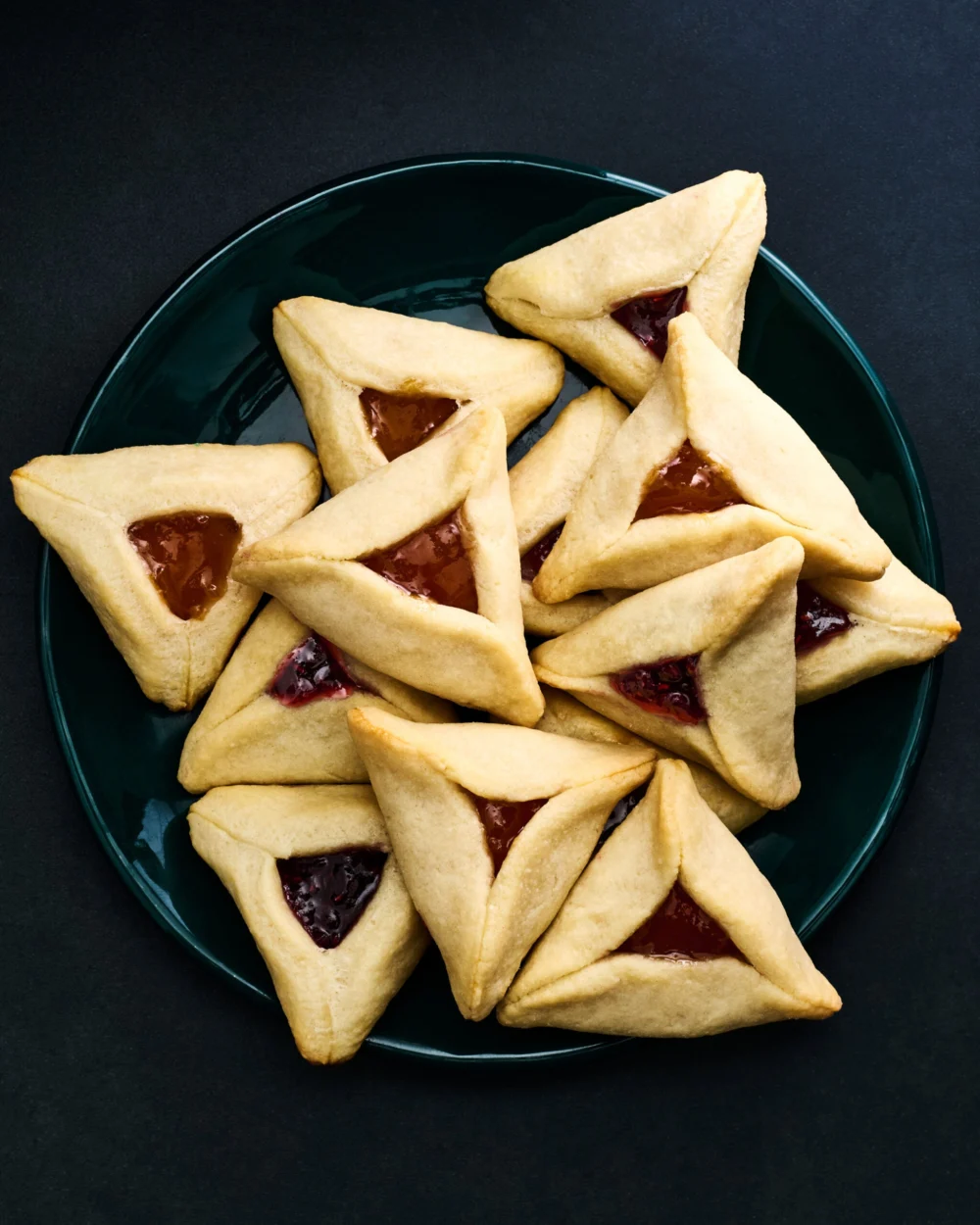
Traditionally served on the Jewish holiday of Purim, these jam-filled triangle cookies make a great snack year-round. The story of hamantaschen is deeply intertwined with the Purim narrative, a celebration of deliverance for the Jewish people in ancient Persia. The holiday commemorates the miraculous salvation from a plot by Haman, the wicked vizier of King Ahasuerus, to annihilate all Jews in the Persian Empire. According to the Book of Esther, Haman cast lots (pur) to determine the date of this genocidal decree, hence the name Purim. The holiday is characterized by feasting, joyous celebration, reading the Megillah (the Scroll of Esther), giving gifts of food to friends (mishloach manot), and charity to the poor.
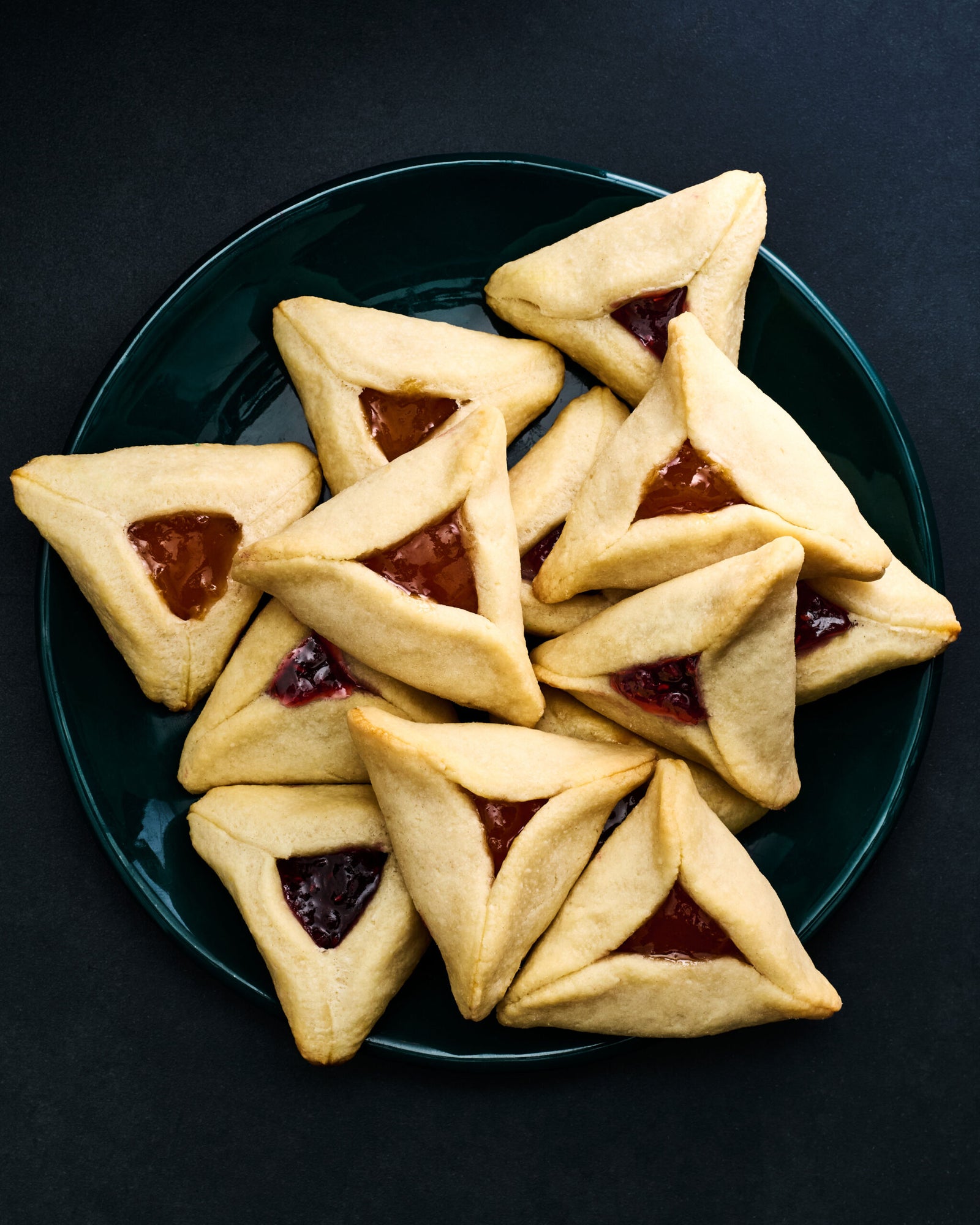
The origin of hamantaschen as a symbolic food is multifaceted, with the most popular interpretation being that their triangular shape represents Haman’s three-cornered hat. As Betsy Andrews recounts in her personal reflection, her own introduction to Purim and its associated treats came through attending art classes at a Jewish youth center in Philadelphia. Her childhood understanding of the holiday was pieced together from a dramatization of the Purim story, where the students enacted the downfall of Haman and the triumph of Queen Esther. The cookies served that day, described as jam- and poppy seed-filled triangles, were her first encounter with hamantaschen, a confection that would later become a cherished culinary memory.
Andrews’ childhood experience highlights a common thread in the observance of many cultural and religious traditions: the personal connection forged through sensory experiences, particularly taste. While her family’s Jewish observance was described as less stringent, the art class experience provided a tangible link to a significant Jewish holiday. The stark contrast between the "dry, cakey ones" from the youth center and her grandmother’s "delectable jewel-like versions" underscores the deeply personal and often familial nature of holiday baking. Her Grandma Syl’s hamantaschen, with their "flaky cream cheese pastry" and "sweet dollops" of homemade raspberry and apricot-pineapple jams, represent not just a recipe, but a legacy of love and tradition passed down through generations.
The practice of mishloach manot, or "sending portions," is a central tenet of Purim observance, emphasizing community and the sharing of joy. This tradition of exchanging food gifts, particularly sweets, reinforces social bonds and ensures that everyone, including the less fortunate, can partake in the festive spirit. Andrews’ embrace of this ritual, even with her less conventional approach to Jewish observance, demonstrates the universal appeal of sharing food and celebrating shared heritage. Her ability to "master" this particular ritual through her grandmother’s recipe speaks to the power of food to connect individuals to their cultural roots and to foster a sense of belonging.
The Historical Context of Purim and Hamantaschen
The Purim story, as told in the Book of Esther, unfolds over a period of time, but the key events leading to the salvation of the Jews can be broadly contextualized within the Persian Empire during the reign of King Ahasuerus, often identified with Xerxes I (reigned 486–465 BCE). The narrative centers on Esther, a Jewish orphan raised by her cousin Mordecai, who is chosen to be the king’s new queen. Mordecai, a prominent figure in the royal court, uncovers a plot by Haman to destroy the Jews. Esther, risking her life, reveals her Jewish identity to the king and intervenes, leading to Haman’s downfall and the salvation of her people.
The tradition of baking and eating hamantaschen is believed to have emerged centuries after the events described in the Book of Esther, with various theories about its precise origins. One theory suggests that the cookies were created to commemorate the victory over Haman, with the triangular shape symbolizing his hat or ears. Another interpretation links the triangular shape to other biblical figures who opposed the Jewish people, such as the triangular hats worn by some ancient peoples or even the shape of Haman’s supposed triangular beard. Regardless of the exact historical genesis, hamantaschen have become an indispensable symbol of Purim.
Grandma Syl’s Hamantaschen: A Recipe for Connection
The recipe provided, attributed to Grandma Syl, offers a tangible link to this rich culinary tradition. The use of cream cheese in the pastry dough is a common variation that contributes to a richer, more tender cookie, distinct from simpler doughs. The preparation involves several key steps that ensure the quality and texture of the final product:
Dough Preparation and Chilling:
The initial step involves creaming together cream cheese, butter, sugar, vanilla, and salt until fluffy. This process incorporates air, contributing to the pastry’s lightness. The subsequent addition of flour creates the dough. Forming the dough into a thin disk and refrigerating it for 30 minutes is crucial. This chilling period allows the gluten in the flour to relax and the fats to firm up, making the dough easier to roll and preventing it from spreading excessively during baking. This is a standard technique in pastry making to achieve a flaky texture.
Shaping and Filling:
Rolling the dough to a specific thickness (1/8 inch) and using a round cutter (2½ inches) ensures uniform cookie size. The recipe cleverly utilizes dough scraps by re-rolling and cutting, maximizing the yield. The filling, typically fruit preserves or a poppy seed paste (mohn), is placed in the center of each round. The dough is then folded into a triangular shape, leaving a small opening at the top, and the corners are pinched tightly to seal the filling. This sealing is vital to prevent the jam from leaking out during baking. The cookies are then chilled again for another 30 minutes. This second chilling period helps the cookies maintain their shape during baking, resulting in a more aesthetically pleasing and structurally sound hamantaschen.
Baking and Cooling:
Preheating the oven to 350°F (175°C) and positioning a rack in the center ensures even heat distribution. Baking one sheet at a time while keeping the other chilled allows for optimal baking conditions. The baking time of 16-18 minutes is typical for cookies of this size and thickness, aiming for a lightly browned exterior. Allowing the cookies to cool on the baking sheet for 5 minutes before transferring them to a wire rack for complete cooling is important. This gradual cooling prevents the cookies from breaking and ensures they achieve the desired crispness. The process of continuing to roll and bake the remaining dough while the first batch cools demonstrates an efficient workflow in the kitchen.
Data and Analysis: The Cultural Significance of Holiday Baking
The practice of baking specific foods for holidays like Purim is not unique to Jewish culture. Across the globe, culinary traditions are deeply interwoven with cultural celebrations and religious observances. Studies in food anthropology and sociology have shown that shared meals and the preparation of traditional dishes play a significant role in strengthening familial bonds, preserving cultural identity, and transmitting heritage from one generation to the next.
Hamantaschen, therefore, are more than just cookies; they are edible embodiments of history, tradition, and community. Their widespread popularity, even among those with limited religious observance, speaks to their universal appeal as a delicious and symbolically rich treat. The annual resurgence of hamantaschen recipes in cookbooks, online forums, and bakeries in the weeks leading up to Purim reflects a cultural phenomenon driven by both religious observance and a broader appreciation for heritage foods.
The economic impact of holiday baking, while difficult to quantify specifically for hamantaschen, contributes to the seasonal sales of ingredients like flour, sugar, butter, and fruit preserves. Furthermore, specialty bakeries that offer a variety of hamantaschen flavors often see a significant increase in business during the Purim season. The diverse range of fillings available today—from traditional apricot and raspberry to more modern iterations like chocolate, dulce de leche, and even savory options—demonstrates the adaptability and enduring relevance of this classic cookie.
Broader Implications and Enduring Appeal
Betsy Andrews’ personal narrative, while focused on her individual experience, touches upon a broader theme: the way in which cultural traditions can be adapted and embraced by individuals from diverse backgrounds. Her initial encounter with hamantaschen at a Jewish youth center, despite her family’s less orthodox observance, highlights how cultural touchstones can foster a sense of connection and belonging. Her subsequent mastery of her grandmother’s recipe signifies a personal reclamation and continuation of this tradition, demonstrating that heritage can be celebrated and passed down through active participation and culinary engagement.
The enduring appeal of hamantaschen lies not only in their delightful taste and texture but also in their rich symbolic meaning. They serve as a reminder of a historical victory over adversity, a celebration of resilience, and a testament to the importance of community and shared traditions. As the world becomes increasingly interconnected, the ability to share and appreciate diverse cultural practices, including their culinary expressions, becomes ever more significant. Hamantaschen, in their simple yet profound form, continue to be a beloved vehicle for this cultural exchange and a sweet reminder of the enduring power of tradition. The recipe, passed down through generations and shared through publications like this, ensures that the story of Purim and its iconic cookie will continue to be told, tasted, and cherished for years to come.