admin
admin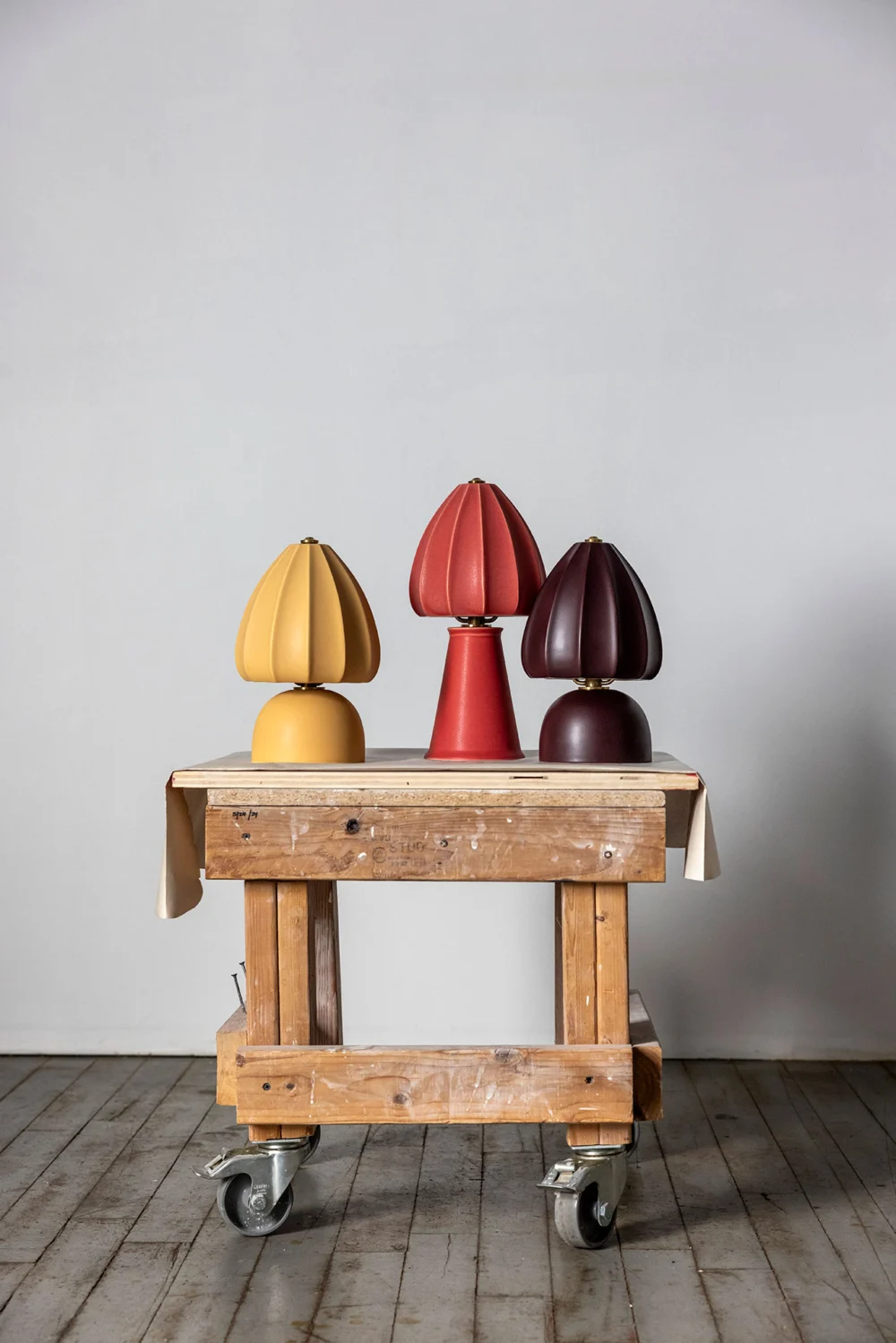
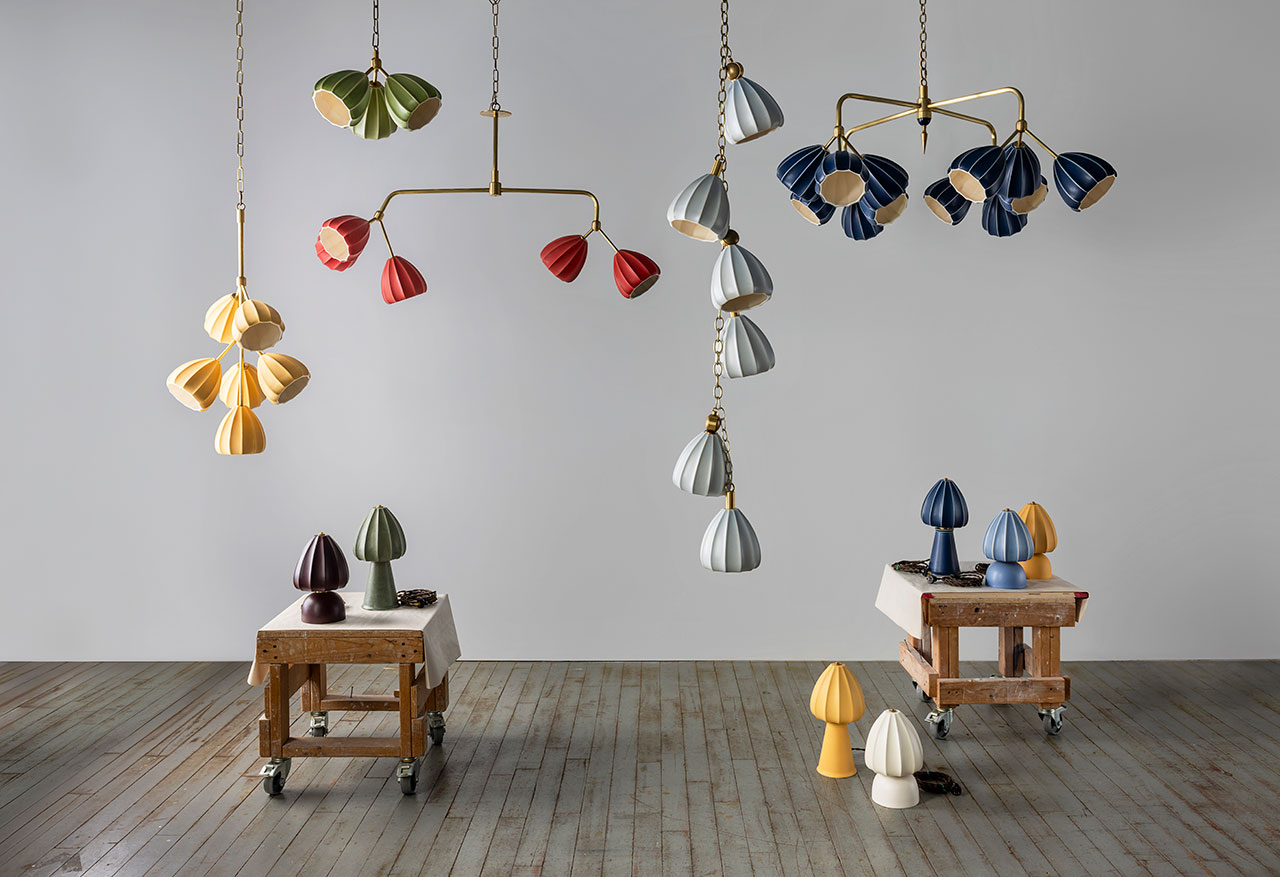
The Rhode Island-based design studio Hwang Bishop has officially announced the launch of Bloom, a comprehensive 16-piece sculptural lighting collection that explores the intersection of organic botanical forms and technical ceramic mastery. This release represents a pivotal moment for the studio and its founder, ceramic artist Felicia Hwang, as it simultaneously introduces the Matte Glaze Palette—a departure from the richly saturated gloss finishes that have defined the brand’s aesthetic for years. Handcrafted in Warren, Rhode Island, the collection includes a diverse array of fixtures, ranging from intimate table lamps to a monumental multi-tier chandelier, all designed to evoke the fluid gestures of desert flora and wind-sculpted landscapes.
A New Direction in Organic Minimalism
The Bloom collection is characterized by its departure from rigid geometric structures in favor of "petal-like" forms that suggest movement and growth. According to the studio, the design language was inspired by the resilience of desert botanicals and the soft, undulating ridges of dunes. This biophilic approach seeks to address a growing demand in the high-end interior design market for lighting that transcends mere functionality to serve as a sculptural centerpiece.
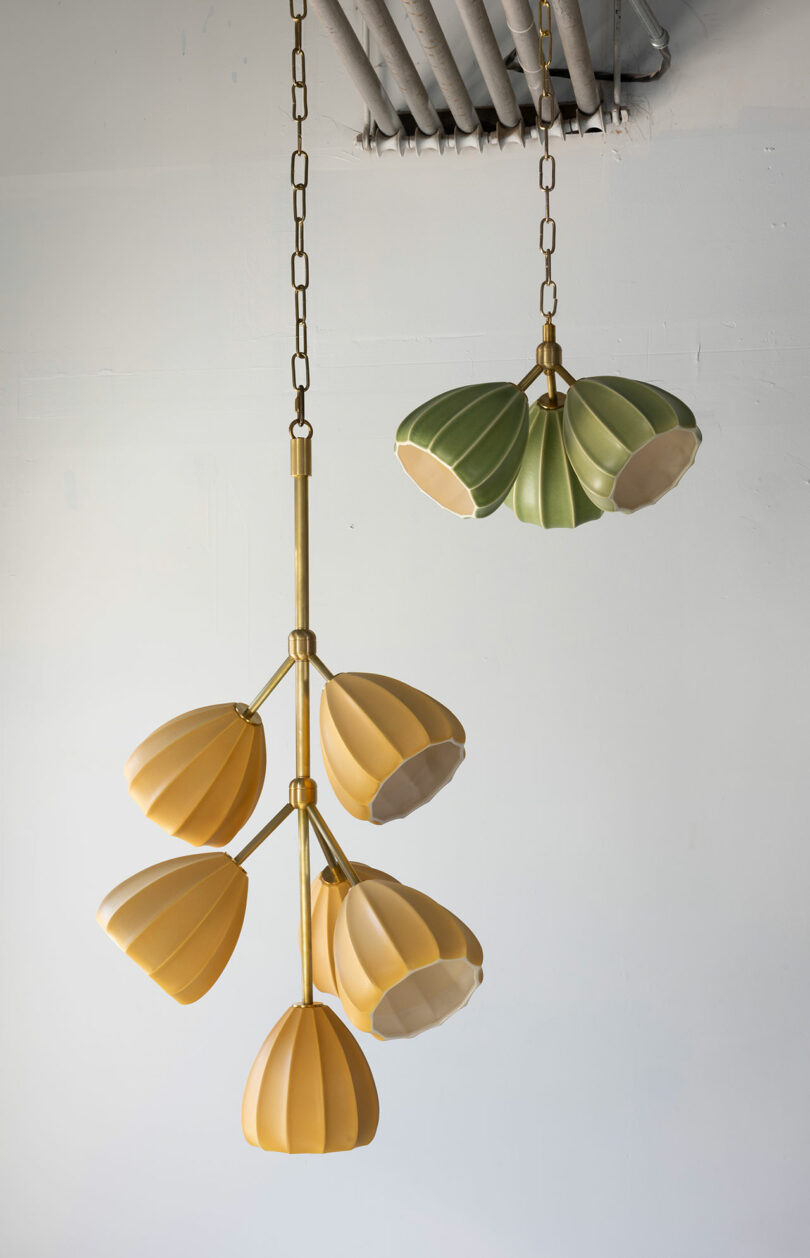
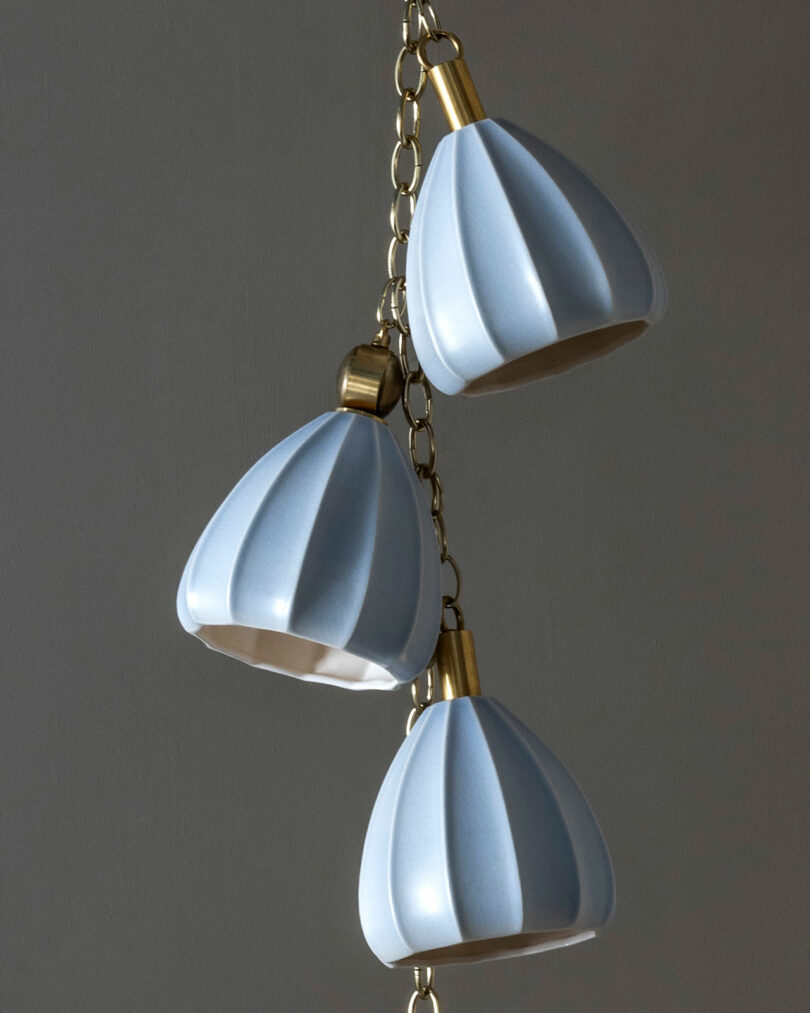
The collection is composed of 16 distinct pieces, including sconces, pendants, flush mounts, and chandeliers. Each piece features fluted ceramic globes that mimic the opening of a blossom. Among the signature compositions are the Anthesis, a 12-globe arrangement; the Cascade and Garland, each featuring six globes; the Equilibrium, a balanced two-globe fixture; and the Ikebana, a five-globe design named after the Japanese art of flower arrangement. This naming convention underscores the collection’s commitment to floral symmetry and the intentional placement of elements within a space.
The Technical Evolution of the Matte Glaze Palette
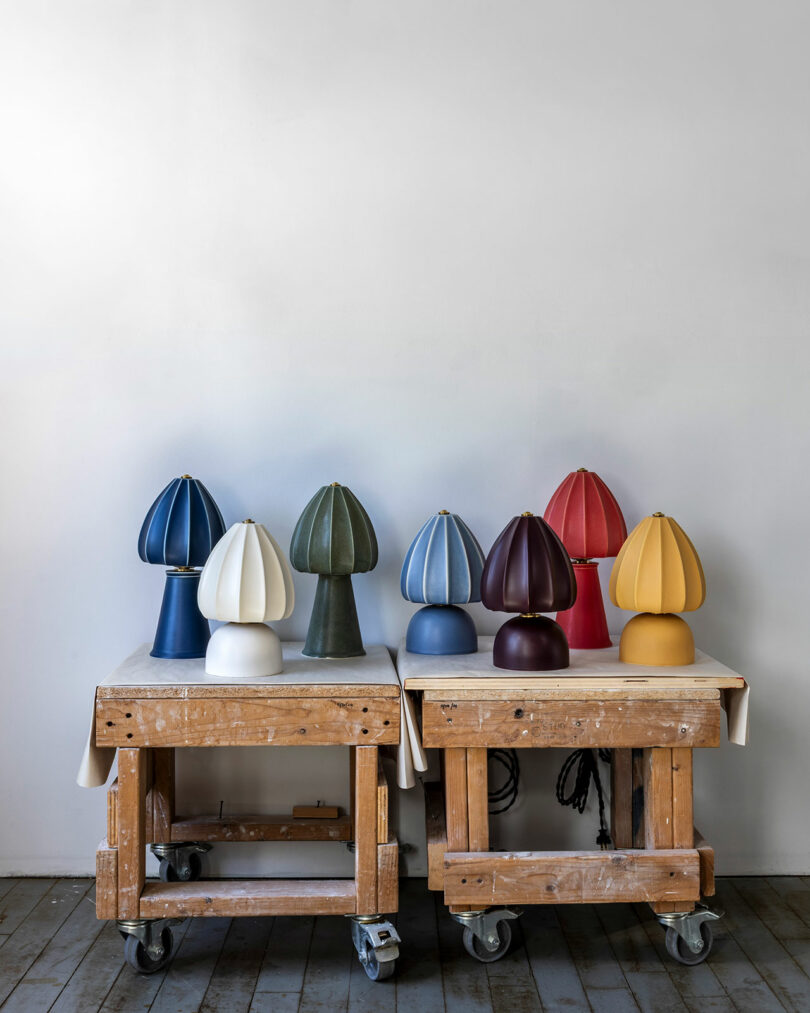
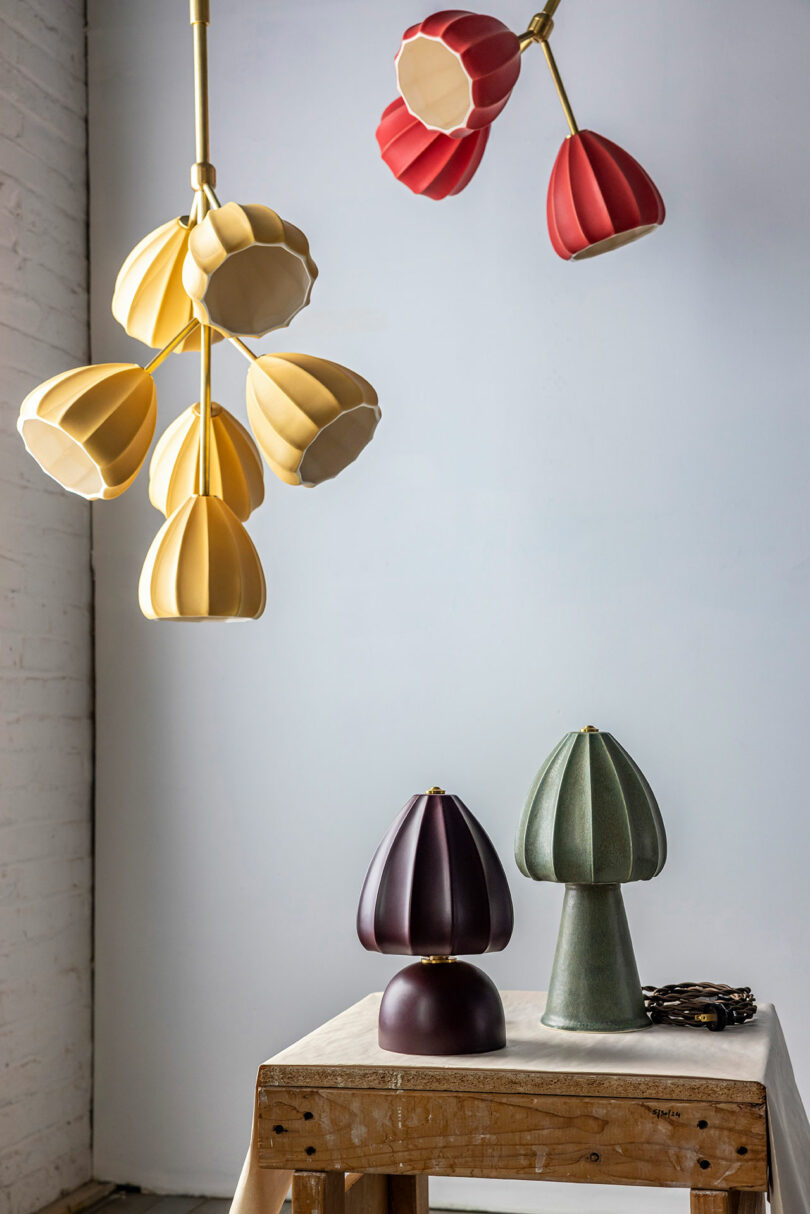
While Felicia Hwang has long been celebrated for her mastery of gloss glazes, the Bloom collection serves as the debut vehicle for the studio’s new Matte Glaze Palette. This technical evolution is not merely an aesthetic choice but a functional one, designed to change how light interacts with the ceramic surface. Unlike gloss finishes, which reflect the surrounding environment and create sharp highlights, the matte glazes are engineered to "hold" the light, emphasizing the relief, shadows, and subtle textures of the hand-shaped clay.
The palette consists of nine nature-guided hues, each developed to mirror elemental landscapes:
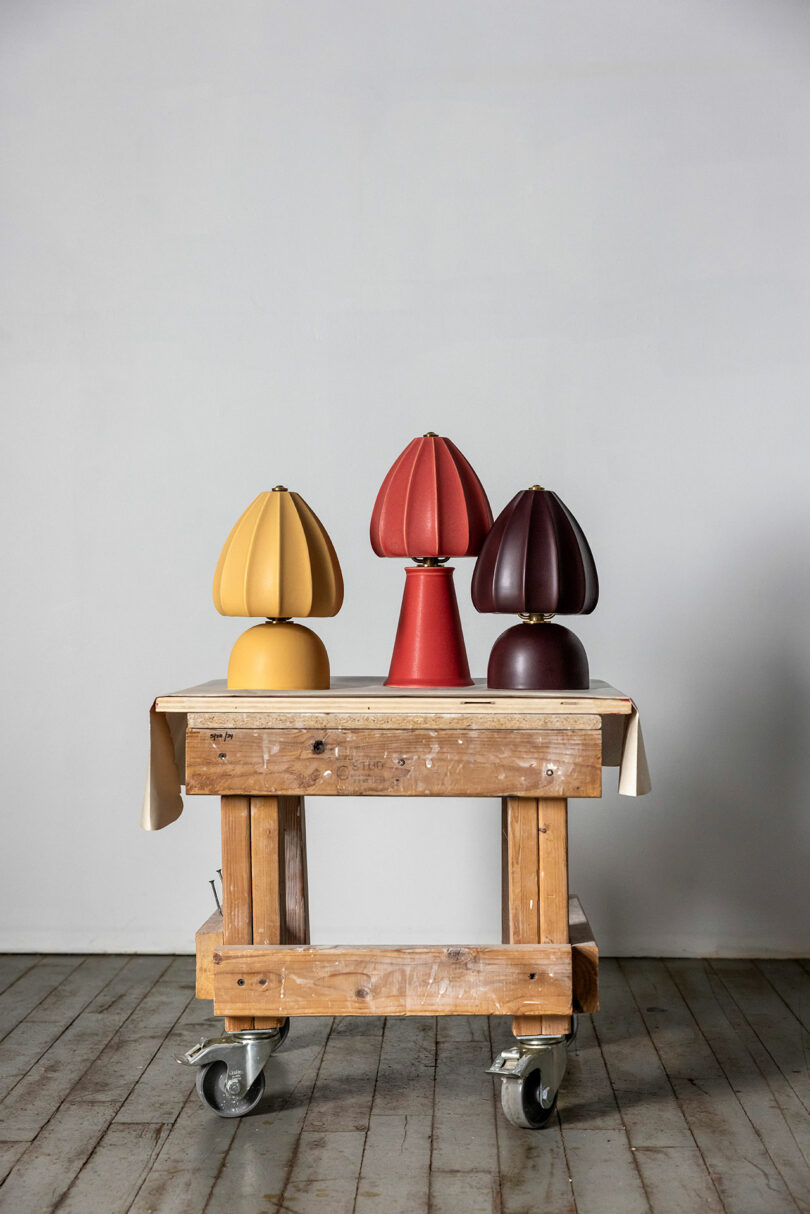
- Meadow Moss: A deep, botanical green.
- Arctic Sky and Glacial Blue: Tones inspired by high-latitude atmospheres and ice formations.
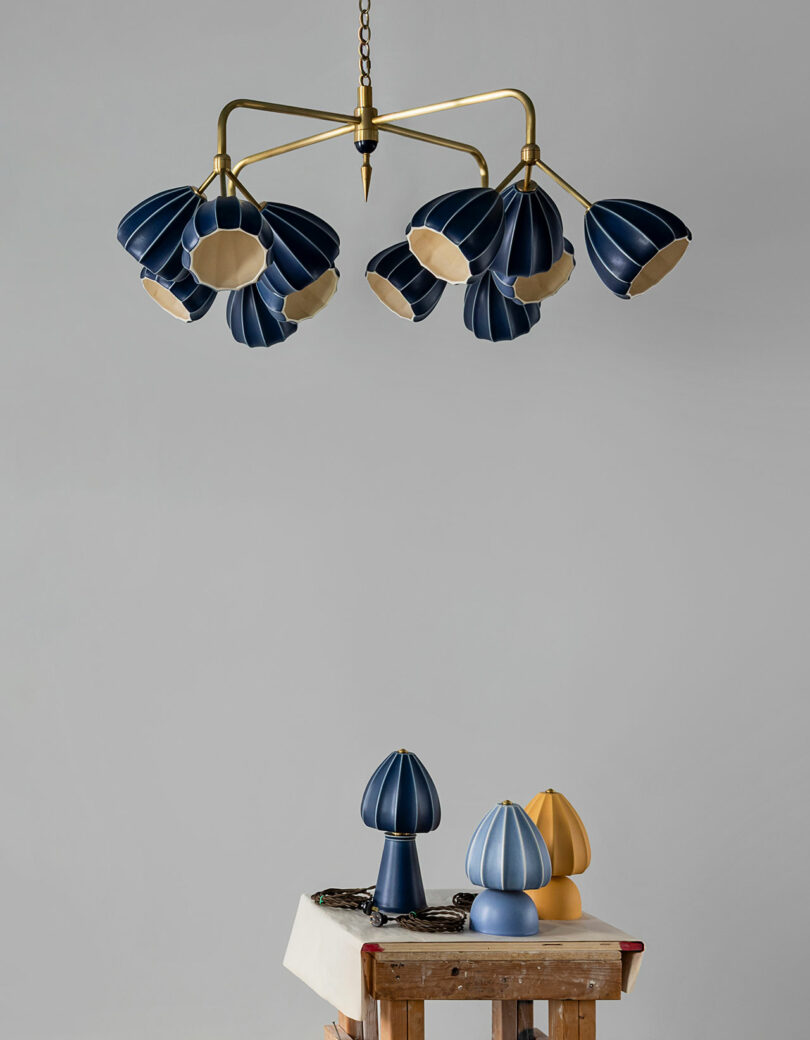
- Midnight and Crowberry: Darker, saturated hues that provide high contrast against brass hardware.
- Lava Glow and Golden Hour: Warm, sunset-inspired tones that enhance the "glow" of the ceramic when illuminated.
- Ash and Kaffi: Neutral, mineral-based tones that offer versatility for various interior palettes.
The development of these glazes involved extensive kiln-testing to ensure that the non-reflective surface maintained a depth of color that would not appear flat under artificial light. The result is a finish that heightens the "shadow play" across the fluted ridges of the ceramic shades.
The Artisanal Manufacturing Process in Warren, Rhode Island
Hwang Bishop’s production remains rooted in the artisanal traditions of Rhode Island, a state with a long history of industrial design and jewelry manufacturing. The process for each Bloom fixture is labor-intensive and prioritizes the "record of touch." Every shade begins as slipcast ceramic, which is then meticulously refined by hand. During this stage, artisans preserve the subtle ridges and quiet asymmetries that distinguish handcrafted work from mass-produced items.
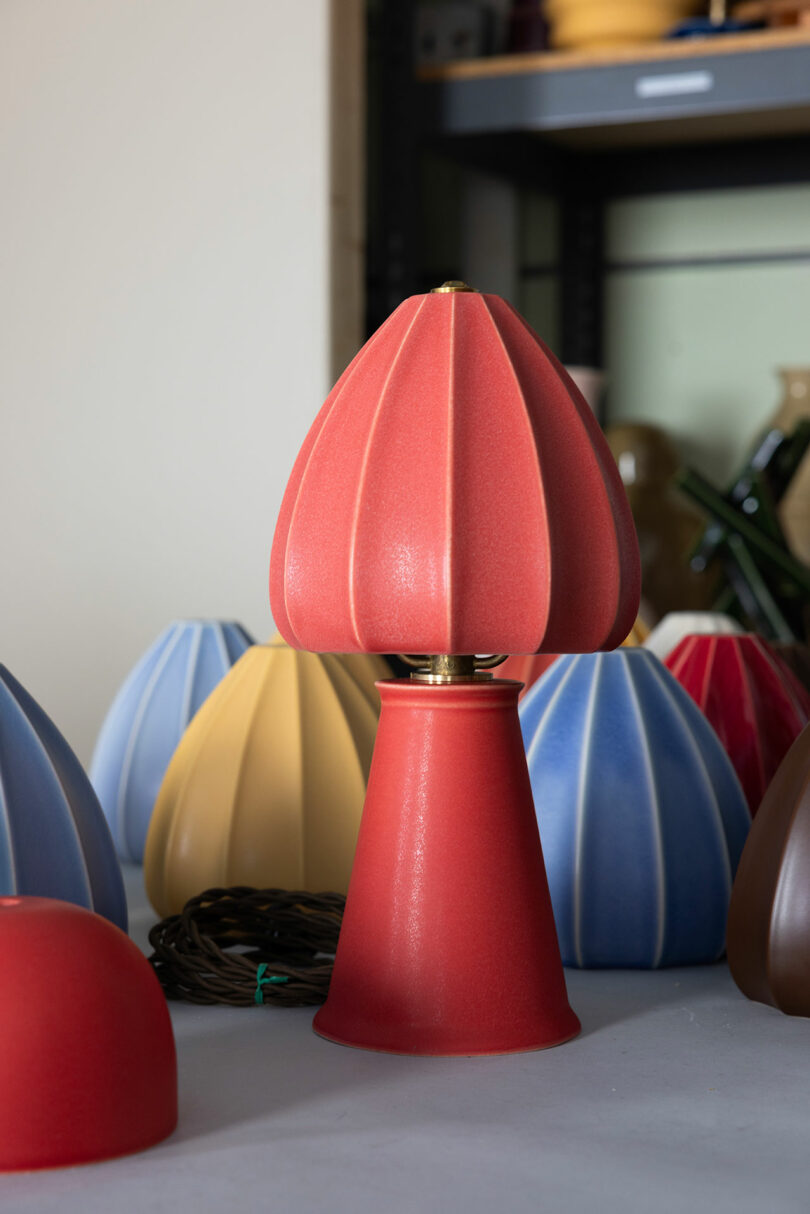
The pieces undergo a multi-stage firing process:
- Bisque Firing: The initial kiln run that hardens the clay into a porous state.
- Glazing: The application of the new matte finishes.
- Final Firing: A high-temperature kiln run that vitrifies the ceramic and bonds the glaze to the surface.
This process ensures that each piece, while part of a standardized collection, retains unique characteristics. The integration of solid brass hardware provides a structural anchor to the ethereal ceramic forms, creating a tension between the precision of metalwork and the organic nature of fired clay.
Strategic Expansion into the Custom Lighting Market
The launch of Bloom also signals Hwang Bishop’s intent to deepen its presence in the "made-to-order" luxury market. Because the collection is produced in-house at the Warren studio, the brand offers significant customization options for trade professionals. This includes adjustable scales, varied hardware finishes, and bespoke glaze applications.
A centerpiece of the collection is the one-of-a-kind multi-tier Bloom chandelier. This fixture features a cascading composition of ceramic shades suspended from a complex brass armature. The design is intended for large-scale residential entries or commercial hospitality spaces, where the interplay of light and shadow can be maximized. By offering these high-complexity pieces alongside simpler sconces and table lamps, the studio positions itself to provide cohesive lighting solutions for entire projects.
Market Context: The Rise of Tactile and Biophilic Design
The Bloom collection arrives at a time when the interior design industry is shifting toward "tactile minimalism." Market data from the last three years suggests a cooling of interest in high-shine, industrial-style lighting in favor of materials that feel grounded and "human." The rise of biophilic design—an architectural approach that seeks to connect occupants more closely to nature—has created a robust market for fixtures that use natural materials like ceramic, wood, and stone.
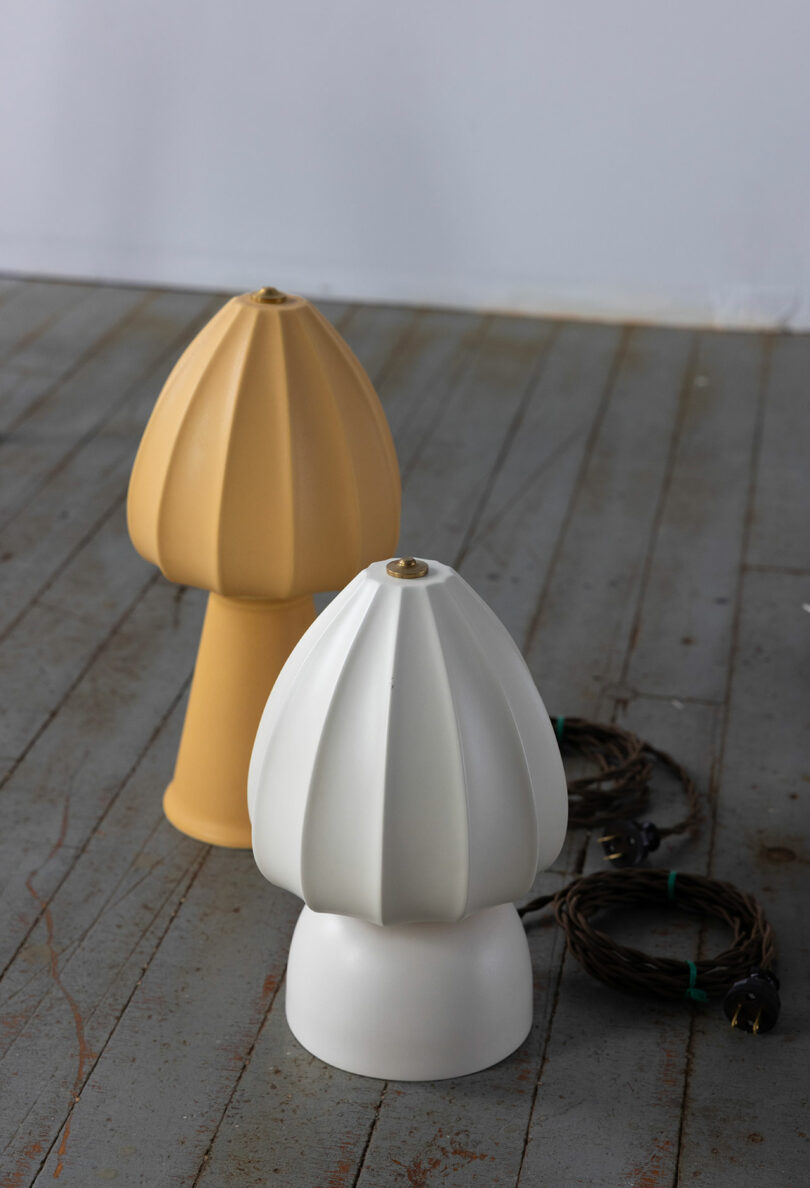
Industry analysts note that matte finishes are particularly trending in high-end residential sectors because they provide a sense of calm and softness. By moving away from the "perfection" of gloss and the "coldness" of polished chrome, designers like Hwang are tapping into a consumer desire for environments that feel curated rather than manufactured. The Bloom collection, with its "mushrooms in a field" aesthetic and mineral-inspired palette, aligns directly with these macroeconomic shifts in consumer taste.
Inferred Industry Response and Design Implications
While official reviews from major architectural digests are pending, the design community’s initial reaction to the collection emphasizes its "transportive" quality. Interior designers have noted that the table lamps, which rest on either squat, rounded bases or taller geometric cones, function as "micro-sculptures" that remain visually interesting even when the light is extinguished.
The implications of this collection extend beyond the studio itself. By successfully transitioning from a signature gloss style to a matte palette, Hwang Bishop demonstrates the viability of evolving an established brand identity without losing its core artisanal appeal. This move is expected to influence other boutique ceramic studios to experiment with non-reflective surfaces and more complex, multi-globe configurations.
Chronology of the Studio’s Development
The journey to the Bloom collection reflects a decade of growth for Hwang Bishop. Founded by Felicia Hwang, the studio initially gained recognition for its bold use of color and traditional ceramic techniques. Over the years, the studio expanded its footprint in Rhode Island, moving into a larger facility in Warren to accommodate increased demand and more complex assembly requirements.
- Initial Phase: Focus on single-form ceramic table lamps with high-gloss finishes.
- Expansion Phase: Introduction of brass hardware and more diverse lighting categories (pendants and sconces).
- Innovation Phase (Current): The development of the Matte Glaze Palette and the launch of the 16-piece Bloom collection, marking the studio’s most ambitious release to date.
Conclusion: Lighting as a Record of Human Touch
With the release of Bloom, lighting is repositioned as a medium for storytelling and a record of human labor. The collection serves as a reminder that the "slow design" movement—characterized by intentionality, local production, and a respect for materials—continues to thrive in the face of globalized manufacturing. By blending the precision of brass with the "imperfect" beauty of hand-refined ceramic, Hwang Bishop has created a body of work that makes a space feel alive through the subtle play of shadow and the enduring presence of natural forms.
The Bloom collection and the Matte Glaze Palette are now available for specification through Hwang Bishop’s website and select showrooms. As the studio continues to explore the boundaries of ceramic lighting, the industry will likely look to this collection as a benchmark for the integration of organic inspiration and technical ceramic innovation.