admin
admin
The intricate world of sake boasts a rich lexicon, where terms like junmai, daiginjo, nigori, and koshu delineate stylistic choices made by master brewers. Among these, "nama" stands out as a unique identifier, signaling a category of sake that offers a distinctly fresh and vibrant experience. This article delves into the essence of nama sake, exploring its definition, production nuances, sensory characteristics, and the evolving landscape of its enjoyment and storage.
The Historical Tapestry of Sake and the Advent of Pasteurization
Sake, Japan’s revered national beverage, has been brewed for over two millennia, evolving from simple rice wine into a sophisticated craft deeply embedded in Japanese culture and tradition. For much of its history, all sake was, by necessity, "nama" – an unpasteurized product. Before the widespread adoption of modern refrigeration and the scientific understanding of microbiology, sake was a highly perishable beverage, typically consumed fresh and locally, often within the cool winter months when it was brewed. This traditional method, known as kan-zukuri (winter brewing), meant that sake was a seasonal delight, celebrated for its immediate vitality and ephemeral nature.
The concept of pasteurization, though famously attributed to Louis Pasteur in the 19th century for its role in preserving milk and wine, was in fact employed in sake brewing centuries earlier in Japan. Known as hi-ire (fire application), this heat treatment involved warming sake to specific temperatures (typically around 60-65°C) to stabilize it. This process effectively inactivates enzymes and inhibits the activity of microorganisms, preventing spoilage and significantly extending the sake’s shelf life. This ancient Japanese innovation was revolutionary, allowing sake to be transported over longer distances and stored for extended periods without degradation. Consequently, hi-ire became the standard practice, with most sakes undergoing a dual pasteurization process: once after filtration and before storage, and again before bottling. This dual heating creates a stable product suitable for global distribution and consistent quality. However, this stabilization often comes at the cost of some of the more delicate, fresh aromatics and lively textures that characterize unpasteurized sake. The nama tradition, therefore, represents a conscious choice to preserve the original, untamed essence of sake.
Defining Nama Sake: The Essence of "Raw" and "Living"
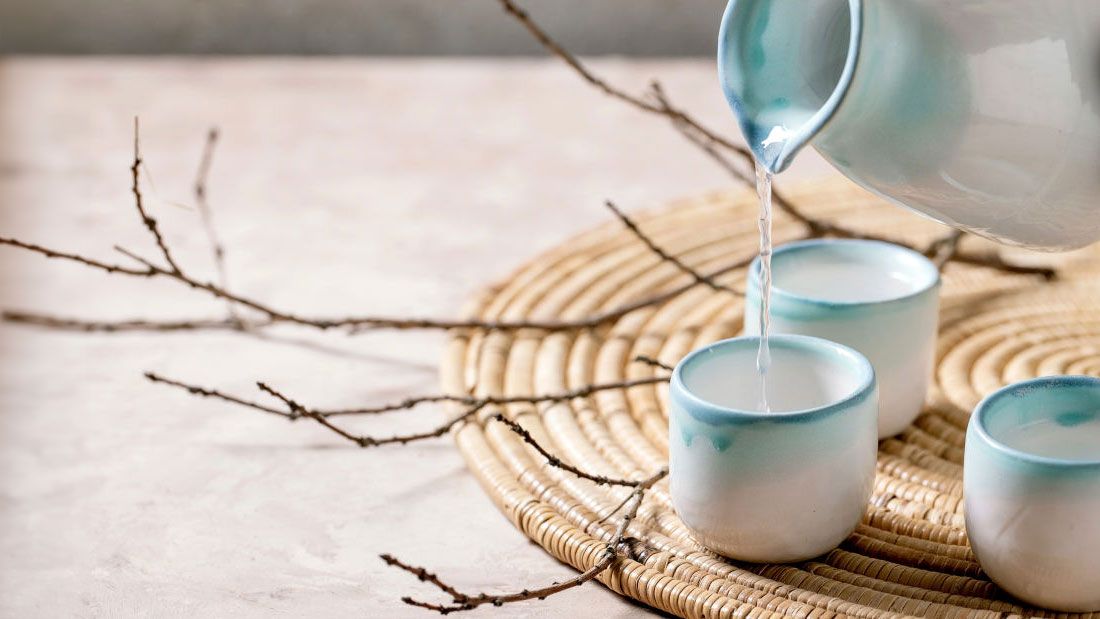
The term "nama" (生), pronounced "nah-mah," directly translates to "raw" or "living" in Japanese. When applied to sake, it specifically denotes bottles that have bypassed the pasteurization process entirely. Unlike the vast majority of sakes that undergo heat treatment twice, namazake (生酒) remains unheated throughout its production, from fermentation to filtration to bottling. This fundamental difference has profound implications for the sake itself, endowing it with a unique vitality.
As Natsuki Kikuya, a respected sake educator at WSET, explains, "sakes labelled as ‘nama’ won’t have seen this process at all." The absence of heat means that the sake retains active enzymes and live microorganisms, including residual yeast cells and koji mold enzymes, which are crucial for the conversion of starch to sugar during brewing. These living elements are responsible for nama sake’s dynamic and evolving character. They continue to subtly interact within the bottle, contributing to its unique freshness and potential for development. This microbial activity, while a source of its distinctive appeal, also presents significant challenges for brewers. It demands rigorous standards of hygiene, meticulous environmental control, and a precise understanding of microbial behavior to prevent unwanted spoilage or undesirable flavor changes. The journey from fermentation tank to consumer requires "colder, faster handling after filtration and strict cold-chain storage and transport," as Kikuya emphasizes, to preserve its delicate balance and prevent premature degradation.
Production and Seasonal Rhythms: From Tradition to Technology
Traditionally, the production of nama sake was inextricably linked to the natural rhythms of the Japanese winter. The inherently cold temperatures from December to March provided a natural environment for brewing and storing unpasteurized sake, minimizing the risk of spoilage. This seasonal release cemented nama sake’s reputation as a prized, ephemeral delicacy, eagerly anticipated by connoisseurs each year. Brewers would release these "fresh" bottlings in late winter and early spring, with the expectation that they would be consumed swiftly before the onset of warmer weather, which could accelerate degradation. The limited window of availability contributed to its allure and reinforced its connection to the cycles of nature.
The advent of modern brewing technology and sophisticated refrigeration systems has, however, revolutionized nama sake production. Today, brewers possess the capability to maintain the necessary cold temperatures year-round, allowing for the production and distribution of nama sake outside its traditional winter window. This technological advancement has broadened accessibility and introduced new possibilities for experimentation, enabling breweries to produce nama sake in various styles throughout the year. Despite these modern capabilities, many smaller, artisanal kura (sake breweries) continue to honor tradition, releasing nama sake primarily as a seasonal offering. This choice is often pragmatic, given the specialized equipment and meticulous cold-chain management required, which can be resource-intensive. For these brewers, the seasonal release reinforces the perception of nama as a fresh, ephemeral product, celebrating its connection to the natural cycle of brewing and the seasonal bounty of rice.
The global sake market has experienced significant growth in recent years, with exports from Japan reaching a record high of ¥47.5 billion (approximately $320 million USD) in 2022. This surge reflects an increasing international interest in diverse sake styles, including nama. While specific market share data for nama sake is still emerging, its prominent presence in specialty stores and high-end restaurants worldwide indicates a growing appreciation for its distinct characteristics and the unique experience it offers. The logistical challenges of maintaining a cold chain for international distribution highlight the dedication of producers and importers to bring this delicate beverage to a wider audience.
The Sensory Experience: A Spectrum of Vibrancy and Energy
The flavor profile of nama sake is as diverse as the world of sake itself, influenced by a myriad of factors including the specific rice variety (e.g., Yamada Nishiki, Omachi, Gohyakumangoku), the growing conditions of the rice, the strain of koji mold used, the local water composition, and the rice polishing ratio (determining classifications like Honjozo, Ginjo, or Daiginjo). However, despite this inherent variability, a common thread runs through namazake: a characteristic brightness, freshness, and an exhilarating "zing" that consistently sets it apart from its pasteurized counterparts.
Natsuki Kikuya eloquently describes this distinction, noting that nama "showcases more lift and zing, often sharper and more vivid aromatics, and sometimes a soft natural spritz or ‘alive’ sensation." This effervescence can range from a subtle prickle on the tongue, a delightful consequence of the unpasteurized state allowing some residual carbon dioxide from fermentation to remain, to a more noticeable fizz in certain styles. The absence of heat treatment preserves delicate volatile compounds that might otherwise be muted or altered, resulting in a more immediate and energetic aromatic profile. Expect a vibrant spectrum of notes: crisp green apple, juicy pear, ripe melon, tropical fruits like banana and lychee, fresh herbs, and sometimes a creamy, lactic quality reminiscent of fresh yogurt or young cheese. These lively, fruit-forward and often herbaceous characteristics contribute to a palate that feels more direct and expressive, often perceived as "younger" and more dynamic than its pasteurized equivalents. The overall impression is one of heightened freshness and an invigorating vitality.
Ryosuke Mashio, sommelier at London’s Roketsu restaurant, further elaborates on the importance of temperature in unlocking these flavors. "Nama has to be cold to preserve its vibrancy and fragrance," he insists. Serving nama sake chilled (typically between 5-10°C / 41-50°F) enhances its crispness, highlights its aromatic complexity, and controls the activity of its live components, ensuring the intended sensory experience. This cool temperature allows the delicate nuances to unfold slowly and harmoniously on the palate, making each sip a revelation.
The Art of Preservation: Storing and Serving Nama Sake
Due to its unpasteurized nature, nama sake demands meticulous attention to storage and serving conditions to maintain its integrity and vibrant flavor profile. The active enzymes and microorganisms, while contributing to its unique character, also make it more susceptible to degradation if not handled correctly. Proper care is not merely a recommendation; it is essential for experiencing nama sake at its peak.
Storage: The paramount rule for nama sake is consistent cold storage. Mashio stresses, "Cellaring is key with namazake. As low as possible, between 0°C and 5°C or even in minus temperatures." This strict temperature control significantly slows down the enzymatic reactions and microbial activity that can lead to spoilage or undesirable flavor changes. Exposure to heat, light, or drastic temperature fluctuations can rapidly diminish its freshness, causing it to oxidize, develop off-flavors, or become hazy. Therefore, nama sake should always be kept refrigerated, ideally in a dedicated sake fridge or the coldest part of a conventional refrigerator, away from direct light and vibrations. Many producers now utilize UV-resistant bottles, often tinted or aluminum-clad, to offer an additional layer of protection against light degradation, a common culprit for sake spoilage. For optimal enjoyment, consumption within six months of the production date is generally recommended, although some specific styles and expertly stored examples can develop gracefully for longer under ideal, sub-zero conditions, which leads to the discussion of aged nama.
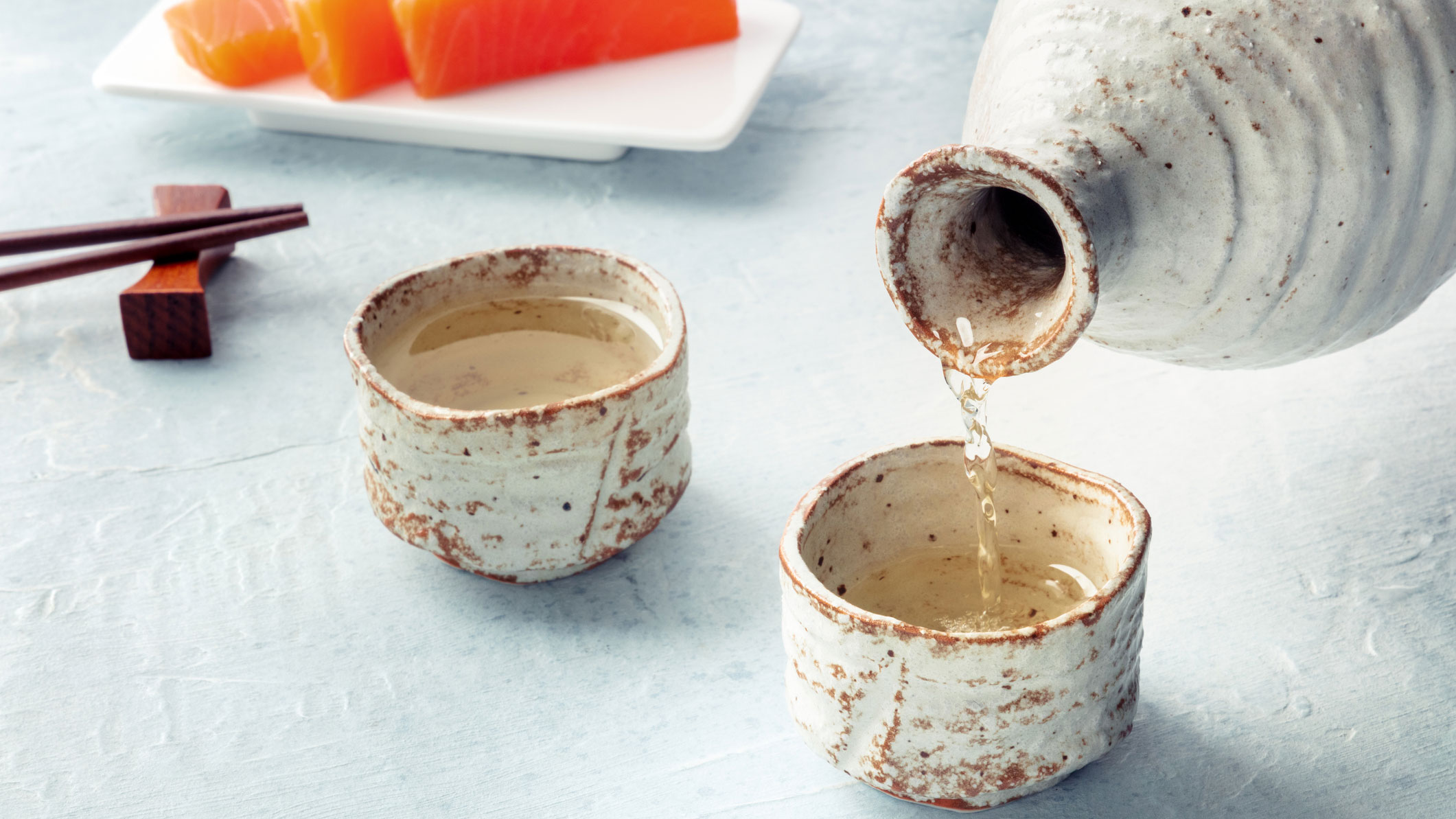
Serving: Unlike many other sake styles that can be enjoyed across a spectrum of temperatures – from chilled to room temperature or even atsukan (hot sake) – nama sake truly shines when served cold. Ryosuke Mashio’s assertion that it "has to be cold to preserve its vibrancy and fragrance" is a fundamental guideline. Serving it chilled (typically 5-10°C / 41-50°F) accentuates its crisp acidity, bright fruit notes, and subtle effervescence. Warmer temperatures can cause the delicate aromatics to dissipate quickly and may lead to a less refined taste, often highlighting alcoholic notes over nuanced flavors. The ideal serving vessel, such as a delicate guinomi (small cup) or a wine glass, can further enhance the aromatic experience.
Post-Opening: Once a bottle of nama sake is opened, its "living" character accelerates its evolution. The exposure to oxygen initiates further changes, and its delicate flavors can begin to transform more rapidly than those of pasteurized sakes. Natsuki Kikuya advises finishing opened bottles within five to seven days, a significantly shorter window compared to the up to two weeks often recommended for pasteurized sake. Proper resealing and immediate refrigeration are crucial to maximize its post-opening lifespan and preserve its integrity. The dynamic nature of nama sake post-opening also presents an opportunity to observe its evolution, as subtle changes in flavor and aroma can occur over a few days.

The Evolving Landscape: The Frontier of Aged Namazake
While nama sake is traditionally revered for its youthful freshness, the dynamic world of sake innovation is pushing boundaries, particularly in the realm of aging. Just as certain wines benefit from extended cellar time, a select category of nama sakes is proving its potential for graceful maturation, offering an entirely different sensory journey. This intentional aging process, known as jukusei nama, challenges conventional wisdom and opens up new dimensions of flavor and complexity.
Anthony Yukio, sake sommelier at Kioku in London, observes this intriguing trend: "Aged nama sake is a whole new territory. When aged at low temperature, that wild character is tamed slightly, flavors concentrate on the palate." This process involves intentionally storing unpasteurized sake under controlled, consistently cold conditions, sometimes even at sub-zero temperatures, for several months to many years. During this extended maturation, the active enzymes and microorganisms within the nama sake continue their subtle work, transforming the initial vibrant, fruity notes into a more complex and nuanced profile. The "wild character" of fresh nama mellows, giving way to deeper, more concentrated flavors. Expect notes of dried fruits (apricot, fig, raisin), roasted nuts, caramel, honey, mushrooms, soy sauce, and even savory umami dimensions. The texture may also evolve, becoming smoother, more viscous, and sometimes taking on a velvety richness. This controlled oxidation and enzymatic breakdown create a tapestry of flavors that can be remarkably different from a freshly bottled nama, offering layers of depth and sophistication that appeal to adventurous palates.
However, this experimental aging is not without its risks. The success of jukusei nama hinges entirely on precise temperature control and the inherent quality and structural integrity of the sake itself. As Yukio points out, "the same bottle served in Japan and London will taste entirely different due to individual storage conditions." Incorrect storage, especially at warmer temperatures, can lead to accelerated oxidation and microbial spoilage, resulting in