admin
admin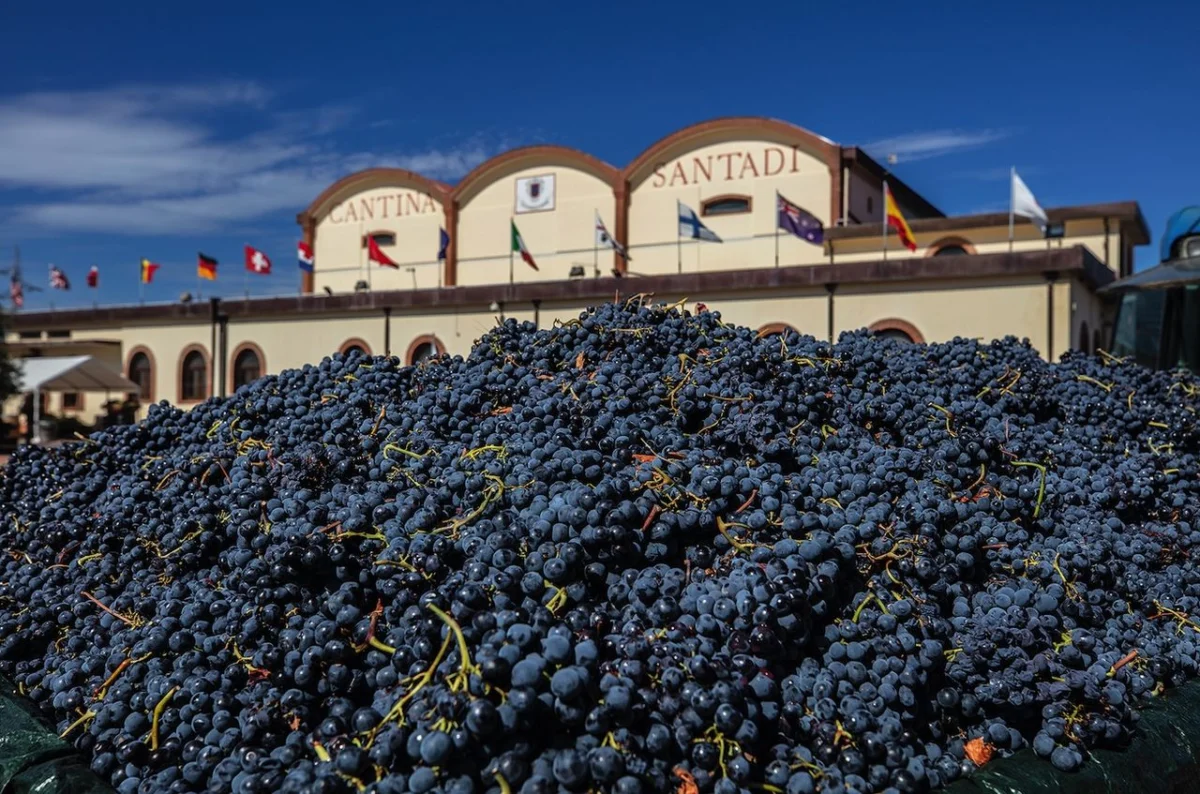
Last year, a significant shift in the traditional winemaking landscape occurred when six independent wineries in Sonoma County, California, announced the merger of their labels into the Overshine Collective, challenging the deeply ingrained romantic ideal of the solo founder that has long dominated the American wine industry. This move, while seemingly radical in a culture often celebrating individual entrepreneurship, resonates deeply with a historical model prevalent in Old World wine regions, particularly in Italy, where cooperatives have long demonstrated the power of collective action in fostering resilience, sustainability, and economic viability.
The Enduring Legacy of Italian Wine Cooperatives
The concept of "sharing is in vogue," as articulated by Letizia Pasini, export manager at Cantina Colterenzio in Italy’s Alto Adige, is not a novel trend but a return to fundamental principles. In Italy, wine cooperatives emerged and flourished throughout the early 20th century, gaining particular traction in the tumultuous wake of the two World Wars. Smallholder farmers, often facing dire economic conditions, low grape prices, and the pervasive lure of city employment, found strength and security in unity. These cooperatives were instrumental in preserving not only livelihoods but also the unique physical and cultural landscapes of their homelands, from Alto Adige’s dramatic mountain terraces to Piedmont’s revered Nebbiolo vineyards and the ancient bush vines of Sardinia’s Sulcis.
A prime example of this historical resilience is Cantina Bolzano (or Kellerei Bozen), which was born from the merger of two historic co-ops: Gries (established 1908) and Santa Maddalena (established 1930). Following the devastating Allied bombing of the Santa Maddalena winery during World War II, growers were confronted with the stark choice of abandoning viticulture entirely. Their decision to join forces, culminating in a full merger in 2001, exemplifies the cooperative spirit as a means of survival and continuity. These early cooperatives, often formed out of necessity, inherently tackled environmental, economic, and social challenges simultaneously, laying a foundation that would prove remarkably prescient for the future.
The Shifting Sands: New World Challenges and the Call for Collaboration
For decades, particularly in high-cost New World regions like California, the prevailing model glorified the estate vineyard, the architecturally striking winery, and the charismatic founder as the singular face of the brand. This individualistic approach, while yielding iconic labels and fostering innovation, has increasingly faced mounting pressures. The global wine industry, valued at an estimated $440 billion in 2023, is simultaneously confronting unprecedented volatility. Inflationary pressures, unpredictable tariffs, significant currency fluctuations, and soaring operational costs have eroded profit margins, while in many established markets, wine consumption has plateaued or even declined.
Small wineries, which represent a significant portion of the industry, find themselves at a critical juncture. The ambition to scale often collides with prohibitive financial hurdles. Beyond the fundamental costs of farming and fermenting, expenses related to logistics, sophisticated marketing campaigns, essential environmental upgrades, and compliance with increasingly complex regulations can prove insurmountable for independent operations. This economic fragility underscores the urgent need for new models that can absorb and mitigate these risks.
Beyond Economics: Human and Environmental Sustainability
The conversation around sustainability in wine has broadened significantly beyond just soil health and water management. "Human sustainability," encompassing the ability to provide a viable work-life balance for growers and producers, is now recognized as equally vital. The relentless demands of managing a small, independent winery—from vineyard to market—can lead to burnout and make the profession unsustainable for many.
Letizia Pasini’s conviction that cooperation "is very modern and will be more relevant than ever in 2050" speaks to the model’s inherent adaptability. What was once dismissed by some as a system primarily for producing high-volume, generic table wines, Italian cooperatives today are lauded for crafting some of the country’s most exciting and critically acclaimed whites and reds. This evolution demonstrates a profound understanding of quality that can be achieved through shared resources, expertise, and a collective commitment to excellence.
Standing Together Against the Climate Crisis
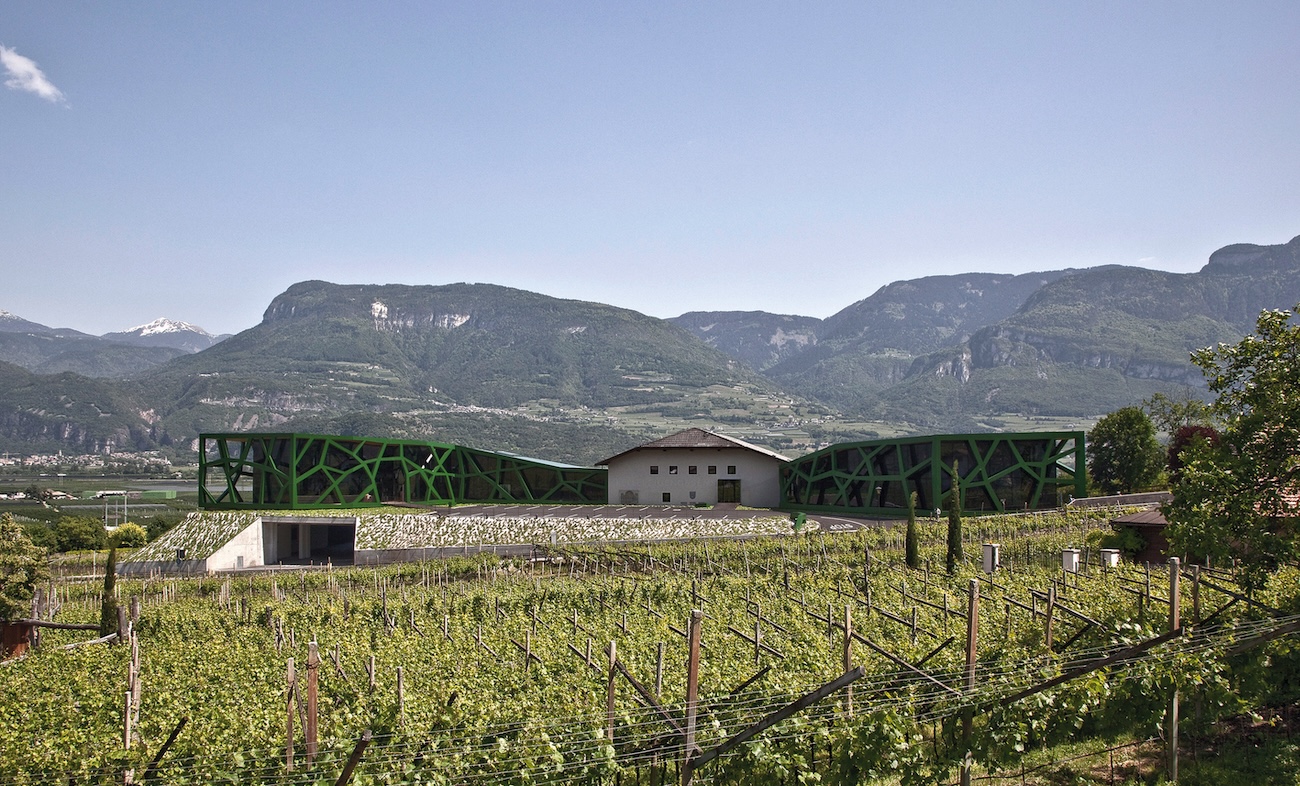
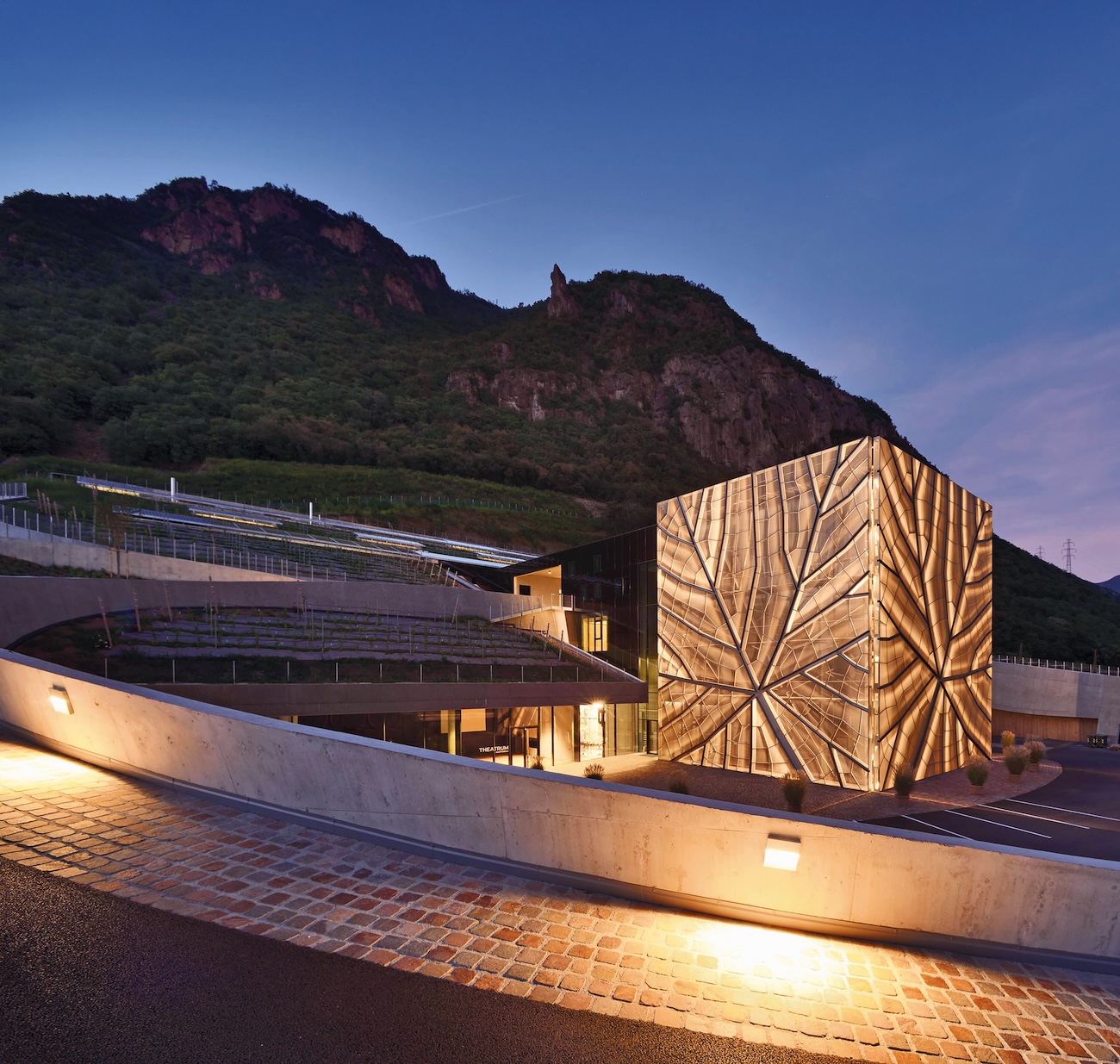
The wine industry is entering uncharted climate territory, with erratic weather patterns, extreme temperatures, and shifting growing seasons becoming the norm. In this challenging environment, a collective approach offers unparalleled advantages in tackling large-scale environmental projects. Cantina Bolzano, for instance, inaugurated a striking new architectural winery in 2018 on the northern edge of Bolzano city. Certified by the regional energy agency CasaClima for its exceptional energy efficiency, the facility incorporates heat pumps, solar panels, pellet-fired heating, and passive cooling systems, making it one of Italy’s most advanced, low-impact winery projects.
Matthias Messner, Bolzano’s managing director, aptly summarizes the synergistic benefits: "The model demonstrates that one plus one does not equal two, but far more. Pooling raw materials, resources, and expertise creates added value that would be difficult to achieve individually." This collective investment in state-of-the-art, sustainable infrastructure would be financially out of reach for most independent producers.
The cooperative model also provides crucial logistical resilience in the face of climate-driven challenges. Marc Pfitscher, marketing manager at Cantina Girlan, located near Bolzano, recounted the unprecedented 2025 vintage, which saw the shortest growing season and fastest harvest in the winery’s history. "Because of unusual weather, early-ripening varieties matured later than usual, while late-ripening varieties ripened earlier," he explained. "In this situation, being part of a cooperative was a considerable advantage, providing us with logistical resilience and security that would have been challenging for independent estates to cope with." The ability to share equipment, labor, and processing facilities during compressed harvest windows becomes an invaluable asset.
Pooling Resources: Beyond the Old World
While the foundations of Italy’s co-ops are deeply intertwined with its singular landscape and history, the core rationale behind collaboration is universally applicable. However, the cooperative model is not a universal panacea to be copied verbatim. Regions where land ownership is highly concentrated and prohibitively expensive, or where historical structures differ significantly, may require adapted forms of collaboration.
Sonoma’s Overshine Collective, for example, operates as a founder-led company rather than a traditional co-op. Yet, its underlying motivation mirrors the long-understood benefits of cooperation. Sam Bilbro of Idlewild Wines, a member of the collective, emphasizes this point: "As a group, we have more resources and reach. So, in the event of climate-driven needs for help, we have a greater pool to pull from." This "greater pool" encompasses not just financial capital but also shared knowledge, marketing reach, distribution networks, and collective bargaining power.
In an increasingly warmer, less predictable, and more expensive world, this shared "pool" of resources, expertise, and mutual support becomes not merely an advantage but potentially a fundamental requirement for survival. Cooperatives, both traditional and modern, prove that collaboration can be a profoundly viable working method and a credible blueprint for a more sustainable and resilient future for the global wine industry.
Spotlight on Exemplary Italian Wine Cooperatives
Italy’s wine cooperatives stand as powerful testaments to the model’s success, combining historical tradition with modern innovation to produce wines of exceptional quality and character.
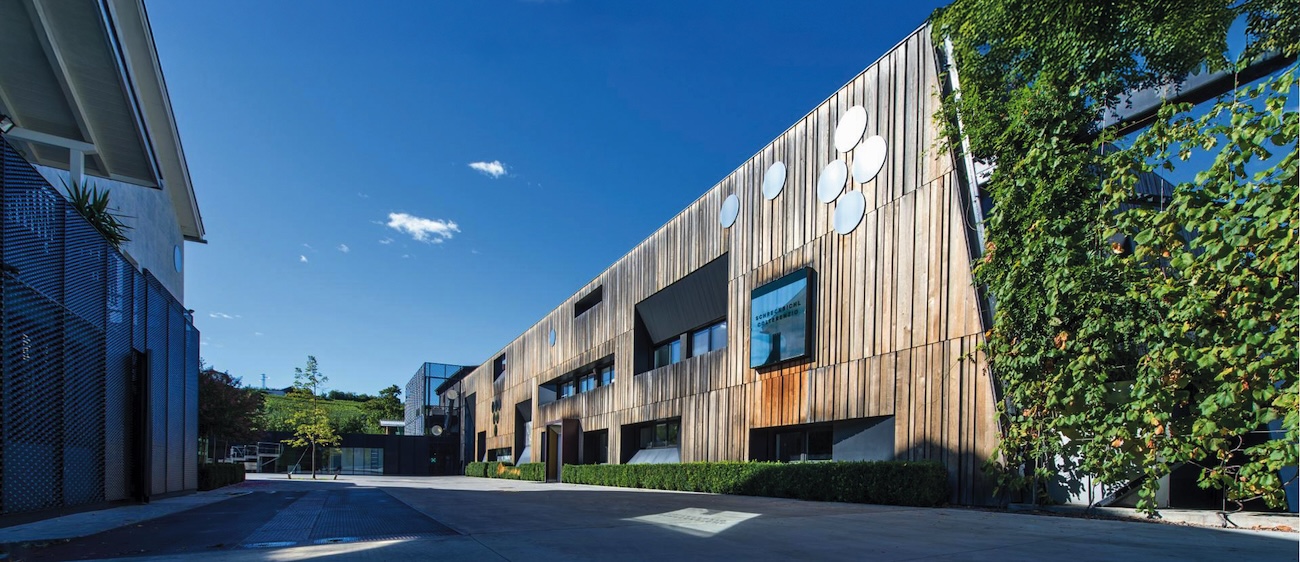
Cantina Bolzano, Alto Adige: Formed in 2001 from the merger of Cantina Gries (1908) and Cantina Santa Maddalena (1930), Cantina Bolzano is a cornerstone of Alto Adige’s winemaking heritage. It represents growers cultivating steep vineyards around Bolzano, particularly significant for formalizing the Santa Maddalena DOC sub-zone and promoting autochthonous red grapes like Schiava and Lagrein. Their reputation is built on reds such as the Taber Riserva Lagrein and Huck am Bach St Magdalener Classico. The flagship Tal line, featuring Tal 1908 (a Lagrein-led blend) and Tal 1930 (a Chardonnay-led white blend), showcases their premium aspirations. Their 2018 winery, built to CasaClima energy efficiency standards, exemplifies their commitment to environmental leadership through intelligent design and reduced operational energy demand.
Cantina Colterenzio, Alto Adige: Founded in 1960 by Alto Adige growers determined to control their grape pricing and quality, Cantina Colterenzio has grown to include about 300 members tending small hillside parcels near Appiano. Under the visionary leadership of director Luis Raifer in the 1980s, Colterenzio spearheaded a quality revolution, focusing on lower yields, Guyot vine training, and optimal site selection for white grapes like Sauvignon Blanc, Chardonnay, and Pinot Bianco. These varieties now form the backbone of their acclaimed Lafòa and Gran Lafòa ranges. The cooperative’s environmental investment is significant, with photovoltaic and thermal solar panels installed in 2010 generating all of its electricity and most of its heat. Rainwater harvesting is also employed, and a gradual shift towards practices prioritizing living soils over chemical interventions reflects regional sustainability goals.
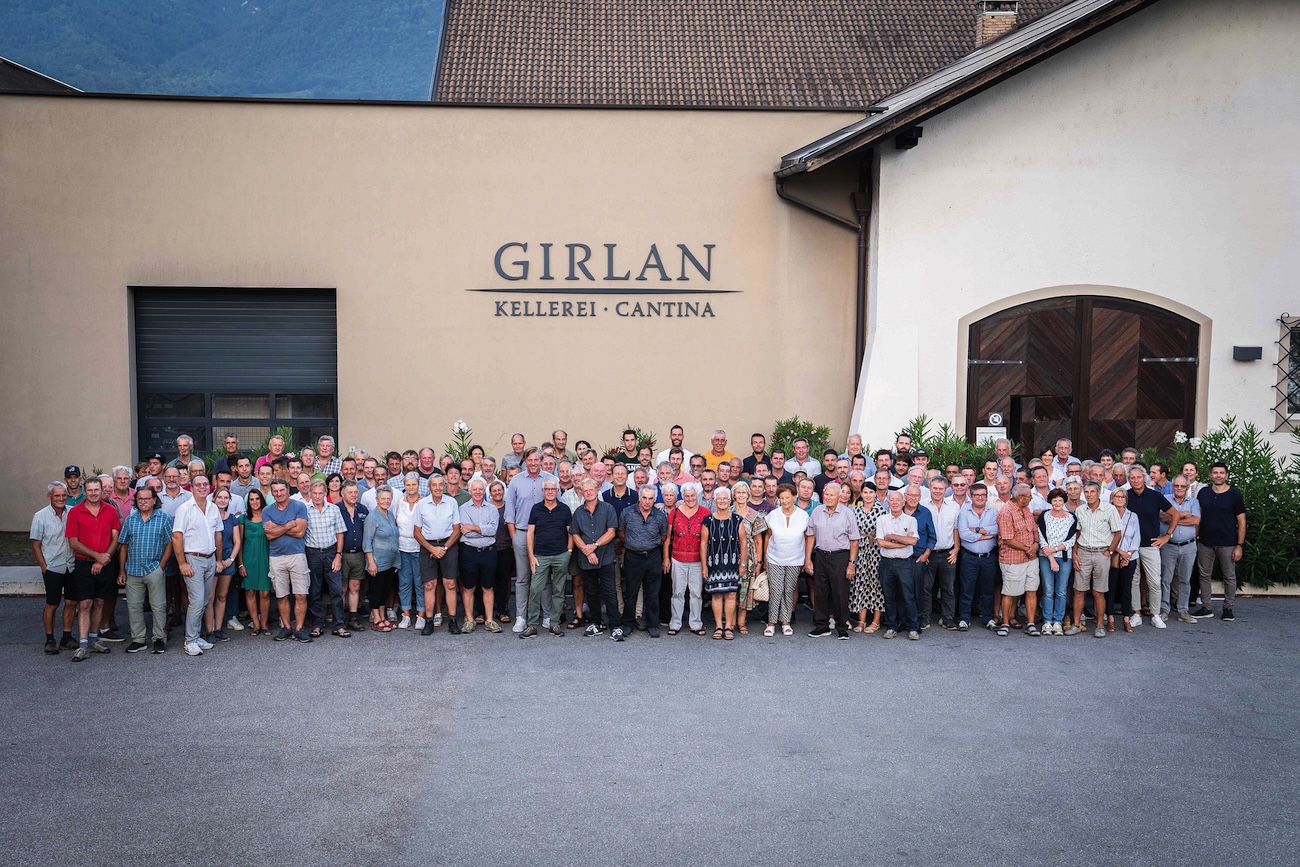
Cantina Girlan, Alto Adige: Established in 1923 in Cornaiano, Cantina Girlan operates from a 16th-century farmstead, leveraging an original network of cellars now integrated into its modern winery. Starting with a small group of ambitious growers, it has expanded to approximately 200 member families managing over 230 hectares across nearby hills and valleys. Grapes are meticulously harvested and vinified by individual parcel, with close coordination between the cellar team and growers. Girlan has earned a strong reputation for its finely etched, site-driven Schiava and Pinot Noir, utilizing old vines and carefully selected sites. Their Pinot Noir Riserva program, including the esteemed Vigna Ganger from the Mazon monopole, demonstrates the depth and finesse this climate-sensitive grape can achieve in Alto Adige’s cooler, high-elevation vineyards, increasingly relevant in a warming world.
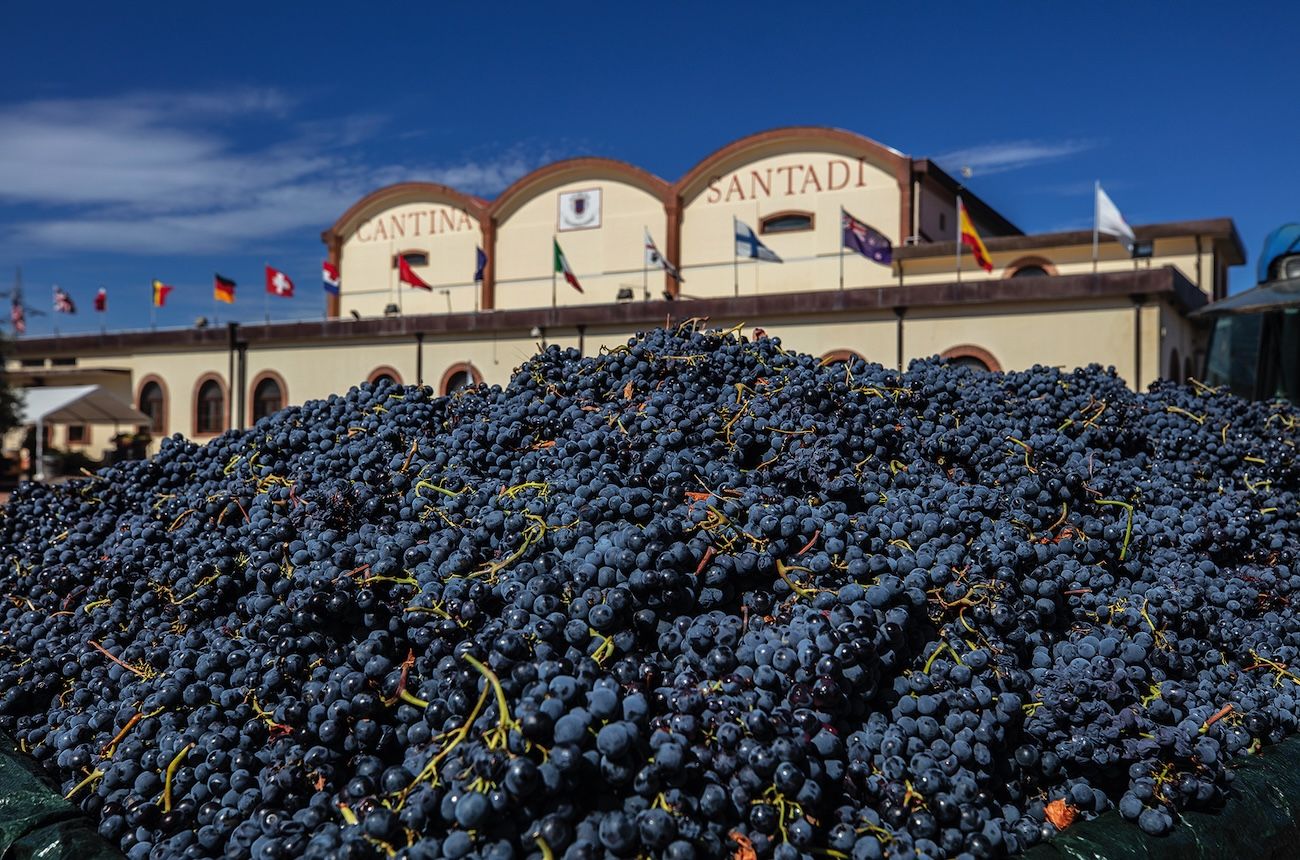
Cantina Santadi, Sardinia: Located in Sulcis, in Sardinia’s southwest, Cantina Santadi was founded in 1960 by local growers seeking fair prices for their produce. Initially focused on bulk wine, the cooperative underwent a transformative shift in the mid-1970s under chairman Antonello Pilloni and the guidance of consultant Giacomo Tachis. Through lower yields, judicious site selection, and enhanced cellar ambition, Santadi became a leading name for Carignano del Sulcis and powerful Italian reds. Many of their top grapes come from a unique cache of old, ungrafted bush vines near the coast. For growers in this hot, increasingly arid region, the shared structure of the cooperative effectively distributes risk, ensuring collective resilience. Wines like Terre Brune are potent examples of how collective effort can indeed create powerful, age-worthy reds that stand among Italy’s finest.
Cantina Tramin, Alto Adige: Founded in 1898 by local priest and politician Christian Schrott, Cantina Tramin is Alto Adige’s third-oldest cooperative, uniting 160 families farming around 270 hectares. Tramin has been a pioneer in integrating sustainability as a core identity, supporting growers with strict yield management and education on organic viticulture, even if formal certification varies. The cellar is globally renowned for its Gewürztraminer, producing benchmark wines such as Nussbaumer and the late-release Epokale, which are among the most highly awarded Gewürztraminers worldwide for their intensity, structure, and age-worthiness. Their range also includes the "classic" and "selection" tiers, featuring Stoan, a textured white blend (Chardonnay, Sauvignon Blanc, Gewürztraminer, Pinot Bianco), and Troy, a brisk, chiseled Alpine Chardonnay, further solidifying Tramin’s reputation as a serious white wine producer.
Produttori del Barbaresco, Piedmont: Founded in 1958, Produttori del Barbaresco has become the definitive cooperative for Nebbiolo in Barbaresco. Its member growers meticulously tend their vineyards but collectively vinify their grapes in the village cellar, exclusively focusing on this single, noble variety. The range includes an accessible Langhe Nebbiolo, a classic Barbaresco, and in exceptional years, nine distinct single-vineyard Riserva wines, aged for extended periods in large oak casks. For many wine enthusiasts, Produttori del Barbaresco exemplifies how a cooperative can produce structured, long-lived wines that not only comfortably compete with private estates but often offer superior value, showcasing the terroir of Barbaresco with unparalleled integrity and consistency.
As the global wine industry navigates an era of unprecedented challenges and opportunities, the cooperative model, in its various forms, offers a compelling blueprint for a more equitable, resilient, and sustainable future. The collective strength of many, rather than the isolated struggle of a few, appears to be the vintage’s most promising direction.