admin
admin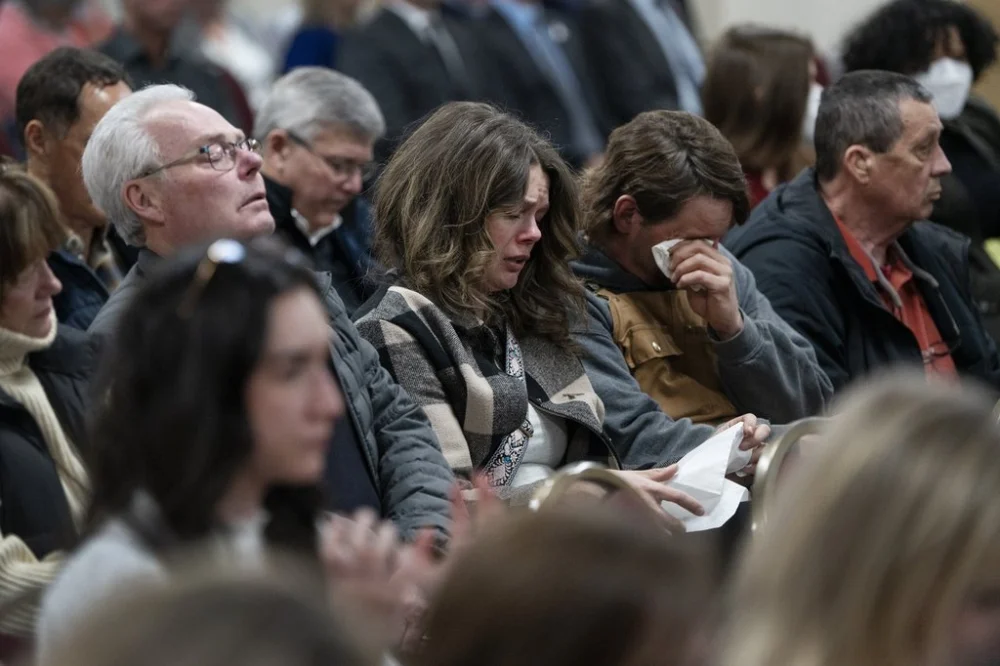
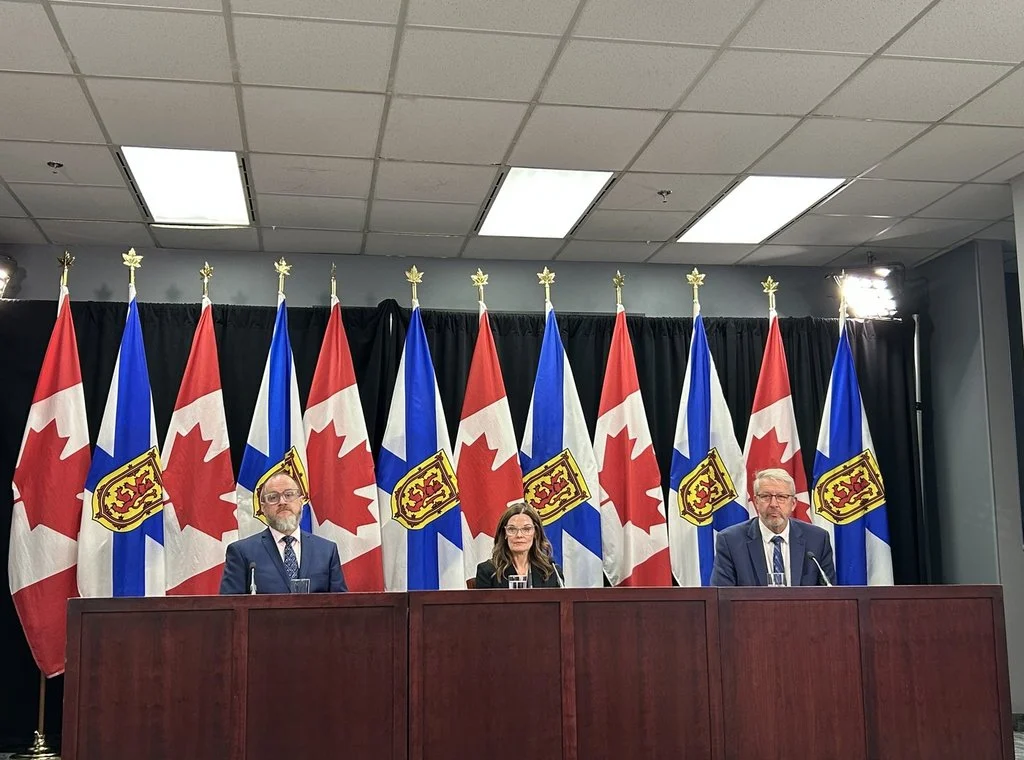
The Nova Scotia government has initiated a significant reduction in funding for mental health programs directly tied to the province’s devastating 2020 mass shooting, as part of a broader fiscal austerity measure. This decision, announced in the provincial budget tabled on Monday, sees a total of $130 million slashed from government grants allocated to non-profits and community organizations across various sectors. The move comes as the province grapples with a substantial $1.2 billion deficit, necessitating what Premier Tim Houston has described as "discipline" in financial management.
The Office of Addictions and Mental Health is specifically targeting two programs that emerged from the recommendations of the public inquiry into the 2020 tragedy. These cuts amount to $110,000 from initiatives designed to address the profound and lasting psychological impact of the deadliest mass shooting in modern Canadian history. The reductions are drawing scrutiny from mental health advocates and community leaders who argue that support for trauma survivors and affected communities should not be subject to timelines, especially given the complex and enduring nature of grief and post-traumatic stress.
The Shadow of April 2020: A Timeline of Tragedy and Response
The events of April 18-19, 2020, left an indelible scar on Nova Scotia and the nation. Over a harrowing 13-hour rampage, a gunman, impersonating an RCMP officer, killed 22 innocent people, including a pregnant woman, a police officer, and numerous community members, across multiple rural communities in Colchester and Hants counties. The violence began in Portapique, a small coastal community, with a brutal assault on his common-law spouse, who managed to escape and hide. This initial act of domestic violence was later identified as a critical catalyst and a central theme in the subsequent investigation.
The immediate aftermath was characterized by shock, grief, and an unprecedented outpouring of support, but also by profound questions regarding police response, public communication, and the underlying issues that enabled such violence. In response to widespread calls for accountability and understanding, the federal and provincial governments jointly established the Mass Casualty Commission (MCC) in October 2020. The MCC, a comprehensive public inquiry, was tasked with investigating the causes, circumstances, and context of the mass casualty, including the role of gender-based and intimate partner violence, and making recommendations to prevent similar tragedies.

Over two years, the MCC meticulously gathered evidence, heard from 230 witnesses, including victims’ families, first responders, and experts, and reviewed hundreds of thousands of documents. Its final report, released in March 2023, contained 130 wide-ranging recommendations aimed at improving public safety, addressing gender-based violence, enhancing policing, and bolstering mental health and trauma support services. Many of the programs now facing cuts were direct results of these recommendations, intended to provide long-term, specialized care to a province grappling with collective trauma.
Targeted Reductions in Trauma-Informed Care
Among the programs affected by the recent budget adjustments is one providing trauma-informed care training, which will see a 10 percent reduction in its allocation. This training is crucial for healthcare professionals, equipping them with the skills to understand and respond effectively to the impacts of trauma in their patients. The Office of Addictions and Mental Health stated that this training has been offered to staff at the IWK Health Centre – a specialized pediatric and women’s health facility – and Nova Scotia Health, and assured that it "will continue for those who need it." While the office emphasizes continuity, a reduction, even if seemingly minor, raises concerns about the scope and availability of such vital training, particularly for new healthcare workers or those in remote areas.
A second, more substantial cut impacts a program dedicated to addressing the unmet need for mental health, grief, and bereavement support in northern Nova Scotia – the region most directly devastated by the shootings. The budget for this program is being reduced from $200,000 to $160,000. The provincial mental health office justifies this particular reduction by citing the MCC’s recommendation for a needs and impact assessment of the program in 2023, 2025, and 2028, with no specific requirement for an assessment in the 2026-27 fiscal year. This justification, however, overlooks the ongoing and evolving nature of psychological recovery from mass trauma, where needs often fluctuate and can resurface years after the initial event.
A Broader Landscape of Austerity
These specific cuts to mass shooting-related mental health programs are not isolated incidents but rather part of a sweeping $130 million reduction in government grants. In total, more than 280 grants across numerous departments have either been reduced or cancelled. The provincial budget, characterized by tough choices in the face of a $1.2 billion deficit, impacts a wide array of sectors. Scholarship programs, critical for student access to higher education, have been hit. Arts funding, vital for cultural enrichment and local economies, has seen reductions. Programs supporting Mi’kmaw and African Nova Scotian communities, aimed at addressing historical inequities and promoting cultural development, are also affected. Furthermore, accessibility supports for individuals with disabilities, food security initiatives crucial for vulnerable populations, caregiver benefits, and adult learning programs have all experienced funding cuts.
The province’s fiscal challenges are multifaceted. While precise details of the deficit’s accumulation were not fully elaborated in the initial report, it is understood that factors such as increased healthcare demands, inflation, and potentially lingering pandemic-related expenditures have contributed to the strained financial situation. The government’s stated priority is to protect "front-line services, health care, education, [and] housing," suggesting that grant programs to non-profits and community groups are being viewed as areas where savings can be realized without directly impacting core government services.

Official Responses and Community Concerns
Premier Tim Houston, when pressed during question period about the cuts, acknowledged the difficulty of the situation. "I didn’t run for office to cut things and take things away," he stated, "but I also know that leadership requires discipline at certain points in time." He reiterated his government’s commitment to cutting expenses "to protect front-line services, to protect health care, to protect education, to protect housing." This stance frames the reductions as necessary sacrifices to safeguard essential public services amidst financial constraints. The Office of Addictions and Mental Health also issued a statement affirming that "Initiatives aligned with Mass Casualty Commission recommendations remain a priority and will continue to receive funding to ensure those needs are met," attempting to reassure the public that core support is not being abandoned.
However, these reassurances are met with skepticism by those on the ground. Serena Lewis, a long-serving rural social worker who served as Nova Scotia’s grief and bereavement coordinator in the northern region when the rampage began in April 2020, voiced profound concerns. In an interview, she emphasized, "When you look at a victim-centred approach and looking at the impacts of a mass casualty in the middle of a pandemic… I think, it’s important that this work doesn’t have a timeline." Lewis highlighted the long-term nature of trauma and grief, noting that "When you look at other tragedies in a global context, it takes many, many years for some people to come forward to acknowledge they need assistance and support." Her perspective underscores the argument that psychological recovery is not linear and cannot be constrained by fixed budgetary cycles or assessment schedules.
Broader Implications for Mental Health and Domestic Violence Support
Beyond the specific programs tied to the mass shooting inquiry, the overall mental health office is implementing cuts totaling $2.6 million in grants. This includes a significant $1.3 million reduction for e-mental health services, which have become increasingly vital, particularly since the pandemic, for expanding access to care, especially in rural or underserved areas. A further $214,000 reduction is slated for trauma-informed care at the IWK Health Centre, and $157,000 less will be allocated to recovery houses, which provide essential transitional support for individuals managing mental health and addiction challenges.
These broader cuts signal a potential shift in the province’s approach to mental health care funding. While the government stresses the protection of front-line services, reductions in e-mental health and recovery houses could place greater strain on existing brick-and-mortar facilities and reduce accessibility for those who rely on remote or community-based support.
Furthermore, the government is also reducing funding for domestic violence courts in both Sydney and Halifax by $15,000 each. Given that domestic violence was identified by the Mass Casualty Commission as a critical factor in the 2020 tragedy, these cuts raise particular alarm. Domestic violence courts are specialized judicial settings designed to provide a more victim-centred approach, offer expedited proceedings, and connect survivors with vital support services. Any reduction in their funding could potentially undermine efforts to address gender-based violence, making it harder for victims to navigate the legal system and access necessary protection and resources. The MCC’s report extensively detailed how the gunman’s history of violence against women was ignored or mishandled, emphasizing the urgent need for enhanced support systems.

Balancing Fiscal Prudence with Social Responsibility
The Nova Scotia government’s decision to scale back mental health programs linked to the 2020 mass shooting, alongside a wide array of other grant reductions, highlights the difficult balance between fiscal prudence and social responsibility. While facing a substantial deficit necessitates tough choices, critics argue that cutting programs born from a comprehensive public inquiry into a national tragedy sends a troubling message about the long-term commitment to healing and prevention.
The enduring impact of the 2020 mass shooting, coupled with the ongoing challenges of mental health and domestic violence across the province, demands a sustained and robust support system. The reductions, even if framed as minor adjustments or temporary measures, risk undermining the fragile recovery of individuals and communities, potentially leading to greater long-term social and health costs. As Nova Scotia navigates its financial challenges, the debate over where to draw the line between budgetary discipline and vital community support will undoubtedly continue, with the memory and recommendations of the Mass Casualty Commission casting a long shadow over these critical decisions.