admin
admin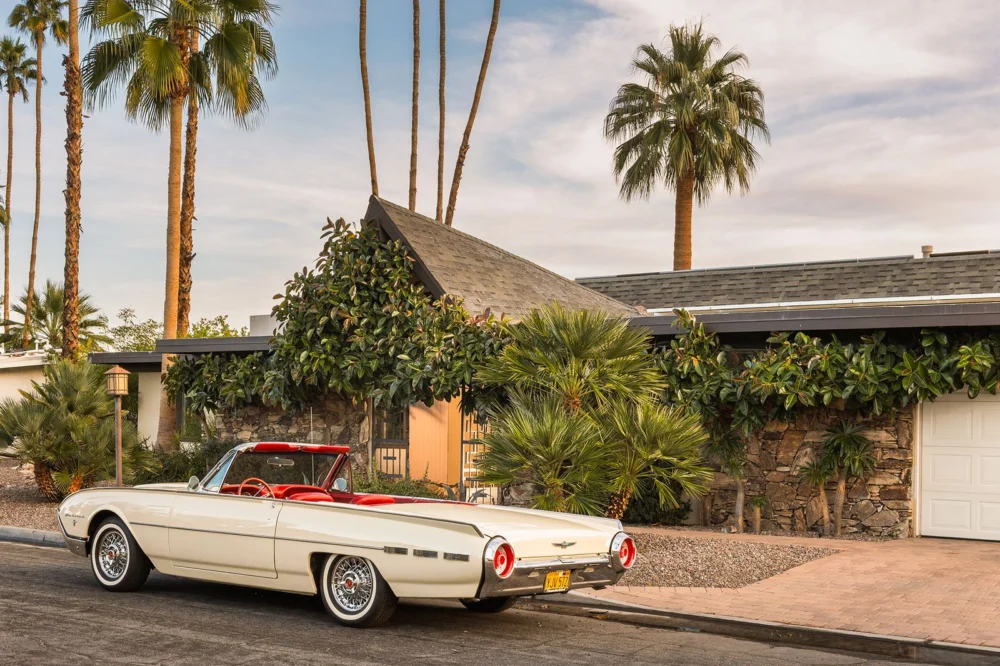
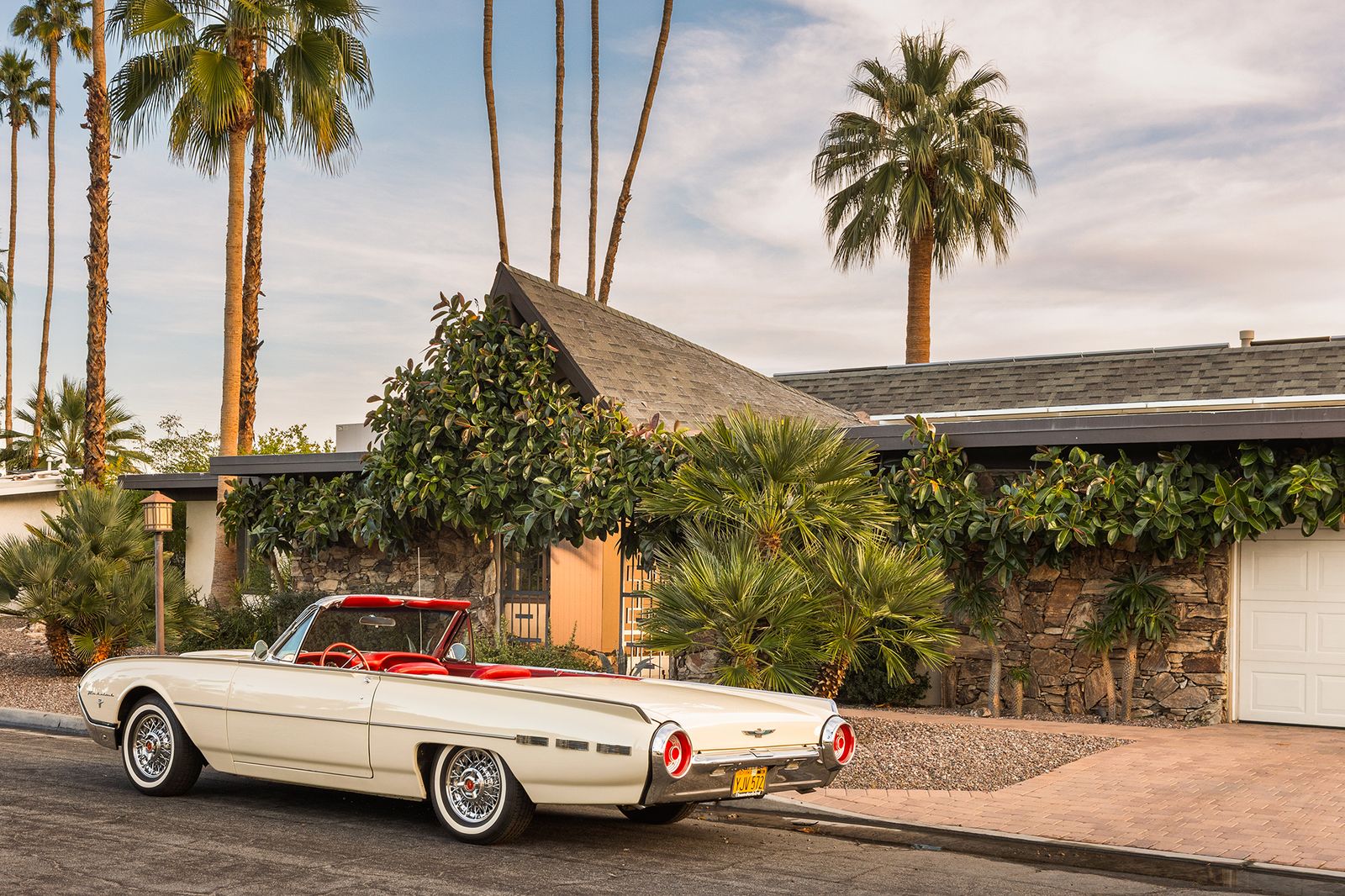
A remarkable mid-century modern residence, designed by the iconic architect Donald Wexler and constructed by the renowned Alexander Construction Company in 1966, has entered the Palm Springs real estate market with an asking price of $1,825,000. Located at 5305 E. Lakeside Dr. in Palm Springs, California, this distinctive property offers a unique fusion of Polynesian design aesthetics with the climate-responsive principles characteristic of desert modernism, representing a rare opportunity for discerning buyers and architectural enthusiasts alike.
The Iconic Design and Its Architect: Donald Wexler’s Vision
Donald Wexler (1926-2015) is widely celebrated as one of the most influential architects of Palm Springs’ mid-century modern movement. His contributions significantly shaped the city’s architectural identity, particularly through his pioneering use of steel in residential design. Wexler’s work often emphasized clean lines, open spaces, and a profound connection between indoor and outdoor living, all while thoughtfully addressing the harsh desert climate. This particular property, completed in 1966, stands as a testament to his innovative spirit and adaptability, showcasing a lesser-known but equally compelling facet of his design repertoire: the integration of Polynesian influences.
The residence at 5305 E. Lakeside Dr. deviates from some of Wexler’s more austere steel-framed structures, yet it retains his fundamental commitment to functionality and aesthetic harmony. The blending of Polynesian elements, such as potentially broader eaves, specific rooflines, or interior material choices, with the established tenets of desert modernism creates a living environment that is both exotic and inherently Californian. This architectural synthesis was a bold move for its time, demonstrating Wexler’s willingness to experiment while always prioritizing a design that felt organic to its surroundings. Architectural historians often highlight Wexler’s ingenuity in adapting modern principles to diverse stylistic inspirations, making homes like this particularly significant in understanding the breadth of his career.
A Legacy of Craftsmanship: The Alexander Construction Company

The construction of this exceptional home was undertaken by the Alexander Construction Company, a name synonymous with the proliferation of mid-century modern homes in Palm Springs. Founded by George Alexander and later led by his son Robert, the company revolutionized residential development in the region from the mid-1950s through the 1960s. They were pioneers in developing entire neighborhoods of stylish, affordable, and well-designed homes, often collaborating with leading architects like Wexler, William Krisel, and Palmer & Krisel. Their innovative construction techniques, including efficient post-and-beam construction and the use of large expanses of glass, allowed them to build rapidly and economically, making modern architecture accessible to a broader market.
The collaboration between a visionary architect like Wexler and a prolific builder like the Alexander Construction Company was a hallmark of the Palm Springs development boom. The Alexander homes, often characterized by their butterfly roofs, open floor plans, and integration with the landscape, became highly sought after. This specific property, built at the tail end of their most active period, benefits from the company’s well-established reputation for quality construction and their deep understanding of the desert modern aesthetic. The meticulous execution of Wexler’s design by the Alexander team ensured that the home’s unique blend of styles was realized with precision and durability, contributing to its lasting appeal and structural integrity.

Historical Significance of Green Fairway Estates
The home is situated in the historic Green Fairway Estates, a neighborhood now integrated into the Tahquitz Creek Golf Neighborhood in South Palm Springs. This area holds significant historical value within the context of Palm Springs’ mid-century development. While many neighborhoods in Palm Springs gained immediate fame, Green Fairway Estates represents a slightly more understated yet equally architecturally rich enclave. It was conceived during a period of rapid expansion in Palm Springs, as the city transformed from a quiet desert retreat into a vibrant resort community.

Neighborhoods like Green Fairway Estates were designed to offer residents a lifestyle integrated with leisure, often centered around golf courses or scenic views. Its historical significance is underscored by its frequent inclusion in Modernism Week tours, an annual event that draws thousands of architecture and design enthusiasts to Palm Springs. Despite its recognized heritage, the agent notes that it "remains a little-known and rarely seen gem even among dedicated enthusiasts," suggesting a unique blend of historical prominence and quiet exclusivity. This status makes the listing particularly appealing to buyers seeking not just a home, but a piece of Palm Springs’ authentic, less-publicized architectural narrative. The neighborhood’s evolution into the Tahquitz Creek Golf Neighborhood reflects the ongoing development and rebranding efforts within the city, yet the core architectural integrity of its original sections remains a draw.
Architectural Details and Interior Features

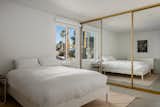
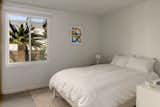
Spanning 2,546 square feet on a 0.24-acre lot, the residence offers a generous layout comprising four bedrooms and three bathrooms. The interior spaces are thoughtfully designed to maximize comfort and flow, embodying the open-concept ideals of mid-century modernism. Two of the four bedrooms feature spacious sitting areas, adding versatility and private retreats within the home.
A key highlight is the presence of beautiful period tile work in the bathrooms, meticulously preserved or restored to reflect the home’s original 1960s charm. This attention to original detail is crucial for homes of this era, as it maintains their historical authenticity and aesthetic value. The kitchen has been updated, featuring a breakfast bar that seamlessly integrates contemporary functionality with the home’s vintage character. This renovation likely incorporates modern appliances and finishes while respecting the mid-century design ethos, a common and desirable approach in preserving historic homes for modern living. The inclusion of a formal dining room and a family room further enhances the home’s livability, offering distinct spaces for entertaining and relaxation.
A particularly notable feature, mentioned in the original listing, is the "fully restored Alexander Cone fireplace" in the living room. This iconic fireplace design, often associated with mid-century modern homes, serves as a striking focal point, anchoring the main living area. Its restoration signifies a commitment to preserving the home’s original design elements, which are highly valued by collectors and enthusiasts of the era. The property also boasts stunning exterior features, including a small pond surrounded by rocks and flora near the entrance, creating a tranquil and inviting approach. Furthermore, its advantageous position provides overlooks of the Tahquitz Creek Golf Course and the majestic San Jacinto Mountains, offering breathtaking panoramic views that are quintessential to the Palm Springs experience. The availability of the home’s artwork and furnishings for purchase presents a unique opportunity for buyers to acquire a fully curated mid-century modern living experience, further enhancing the property’s turn-key appeal.
The Palm Springs Mid-Century Modern Market
The Palm Springs real estate market, particularly for mid-century modern homes, remains robust and highly competitive. Properties designed by celebrated architects like Donald Wexler command premium prices due to their historical significance, architectural integrity, and timeless aesthetic appeal. Data from recent years indicates a steady appreciation in value for well-preserved and thoughtfully updated mid-century homes in Palm Springs. For example, the median sale price for homes in Palm Springs has seen consistent growth, with architecturally significant properties often outperforming the general market.
The demand is fueled by a diverse group of buyers, including architecture aficionados, design professionals, and those seeking a lifestyle deeply intertwined with the unique culture of Palm Springs. The city’s status as a global epicenter for mid-century modernism ensures a constant stream of interest, particularly during events like Modernism Week, which not only celebrates the architecture but also stimulates market activity. The rarity of a Donald Wexler-designed home, especially one that presents such a distinctive stylistic blend, positions this listing as a significant event in the local market.
Broader Implications for Architectural Heritage and Preservation
The listing of a home of this caliber by Donald Wexler carries broader implications for the preservation of architectural heritage in Palm Springs. It underscores the ongoing importance of identifying, documenting, and protecting these significant structures. As the city continues to grow and evolve, the balance between development and preservation becomes increasingly critical. Homes like this Wexler design serve as living museums, offering tangible links to a pivotal era in American architecture and design.
The fact that it is a "little-known and rarely seen gem" highlights the continuous discovery and appreciation of Palm Springs’ architectural depth. It encourages a deeper exploration beyond the most famous examples, bringing to light other equally significant, though perhaps less publicized, works. For the architectural community, such listings are an affirmation of the enduring legacy of architects like Wexler and builders like the Alexander Construction Company. They also present an opportunity for new owners to become stewards of this heritage, ensuring that the unique character and historical value of these homes are maintained for future generations. The availability of furnishings further implies a level of care and intention from the previous owners to maintain the home’s cohesive aesthetic, offering a turnkey solution for those looking to immerse themselves fully in the mid-century modern lifestyle.
In conclusion, the Donald Wexler-designed home at 5305 E. Lakeside Dr. is more than just a piece of real estate; it is a meticulously preserved artifact of mid-century modernism, offering a rare glimpse into Wexler’s versatile design philosophy. Its blend of Polynesian influences with desert modernism, coupled with its construction by the legendary Alexander Construction Company and its location in a historically significant neighborhood, makes it an exceptionally compelling offering in the current market. This property represents not only an opportunity for a unique lifestyle in Palm Springs but also a chance to own a tangible piece of architectural history.