admin
admin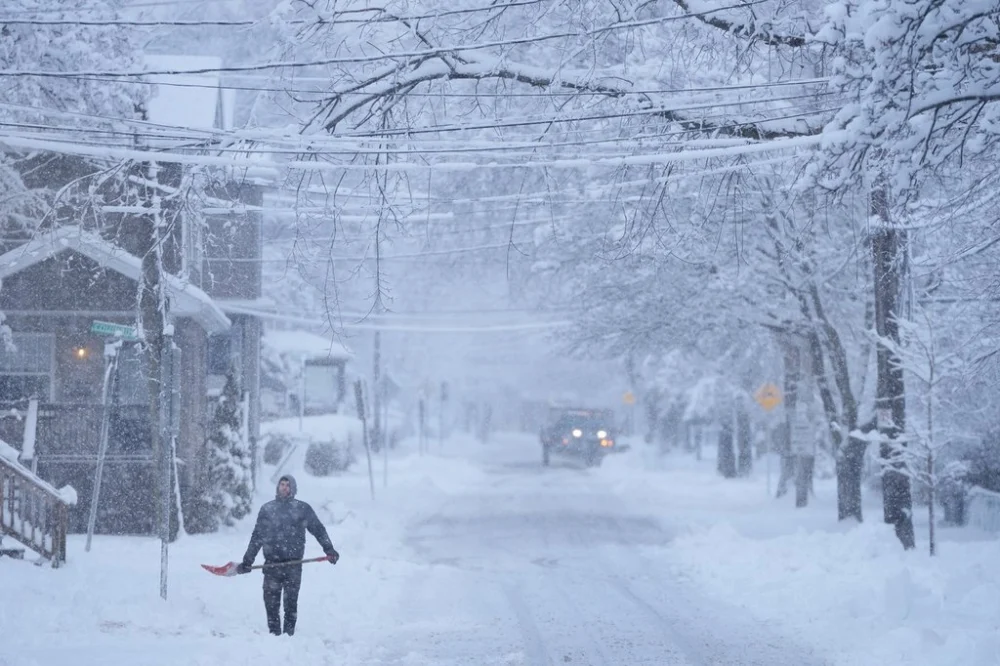
Nova Scotia is experiencing a significant and concerning surge in workplace injuries attributed to severe winter weather, with claims rising approximately 40 percent compared to the previous year. This alarming statistic, released by the Workers’ Compensation Board of Nova Scotia (WCB), comes as the province endures yet another powerful nor’easter, underscoring the persistent challenges posed by the harsh Atlantic winter climate. Data indicates that the period immediately following a major storm – typically the three days after — sees a pronounced spike in these injury claims, making the current cleanup efforts particularly perilous for workers across the region.
A Challenging Winter Season: A Chronology of Storms
The winter of 2025-2026 has proven to be exceptionally demanding for Nova Scotians, marked by a series of intense weather systems that have blanketed the province in snow, ice, and frigid temperatures. The latest nor’easter, which swept through the region on Monday, February 24, 2026, brought with it heavy snowfall accumulations, strong winds, and widespread disruptions. While specific snowfall totals from this latest event are still being tallied, preliminary reports from Environment Canada indicated widespread accumulations of 20 to 40 centimetres across much of mainland Nova Scotia, with some localized areas exceeding 50 centimetres. Gusts frequently topped 90 km/h along the coast, leading to whiteout conditions and significant drifting. These conditions resulted in numerous road closures, flight cancellations at Halifax Stanfield International Airport, and left thousands of homes and businesses without power for extended periods, further compounding the challenges of daily life and work.

This recent storm follows closely on the heels of other major weather events, including a severe winter storm on January 19, 2026. That particular event, captured in vivid detail by photographs of residents valiantly battling snowdrifts, also led to widespread school closures and left tens of thousands without electricity, particularly in the Halifax Regional Municipality. The cumulative effect of these repeated weather assaults has placed immense strain on municipal services, infrastructure, and the physical and mental resilience of residents. Each storm demands extensive snow removal, both from public thoroughfares and private properties, creating an environment ripe for accidents. The constant cycle of freezing and thawing, particularly prevalent in coastal regions, has also contributed to treacherous black ice conditions, often imperceptible until it’s too late. The sheer volume of snow and ice has overwhelmed some clearance efforts, leaving sidewalks and walkways in a perilous state, a direct contributor to the rising injury statistics.
Rising Tide of Workplace Injuries: A Statistical Deep Dive
The Workers’ Compensation Board of Nova Scotia, the primary provider of workplace injury insurance for the province, has highlighted the alarming trend. As of January 30, WCB had already registered 278 snow and ice-related injury claims for the current winter season. This figure represents a substantial increase when compared to the 197 claims recorded during the same timeframe in 2025, and the 217 claims from the year prior. The approximately 40 percent year-over-year jump from 2025 to 2026 is particularly striking and points to an increasingly hazardous working environment during winter months.
While WCB data indicates that the overall rate of time-loss injuries from work is at an all-time low – a testament to ongoing safety initiatives and a culture of workplace vigilance in many sectors – the specific category of weather-related injuries stands in stark contrast. This divergence suggests that while general workplace safety has improved, the unique risks associated with winter conditions may not be receiving adequate attention or resources. If the current pace of claims continues, WCB projects that this winter will significantly surpass the average number of weather-related workplace injuries seen in recent years, potentially setting a new record.

A comprehensive analysis of 1,700 claims submitted over the past three winters, including the current one, provides critical insight into the nature of these incidents. The overwhelming majority, approximately two-thirds, are classified as trips, slips, and falls. These incidents frequently occur on icy sidewalks, un-shovelled walkways, and poorly maintained outdoor work areas. The consequences of such falls are often severe. Over the past three winters, 121 individuals reported broken bones, ranging from fractures of the wrist and ankle to more debilitating hip and leg breaks, which often necessitate lengthy recovery periods and significant rehabilitation. Furthermore, 58 workers experienced head injuries, including concussions. Concussions, while sometimes underestimated, can lead to prolonged symptoms such as headaches, dizziness, cognitive impairment, and mood disturbances, impacting not only a worker’s ability to return to their job but also their overall quality of life. The financial implications of these injuries are substantial, encompassing medical treatment costs, rehabilitation expenses, lost wages, and administrative costs for processing claims. WCB estimates that the average lost-time claim for a slip-and-fall injury can range from several thousand to tens of thousands of dollars, depending on the severity and duration of recovery, placing a considerable burden on the compensation system and, ultimately, on employers through increased premiums.
The Critical Post-Storm Period: Why Vigilance Matters
Shelly Dauphinee, WCB’s chief engagement officer, emphasized the critical window for heightened awareness. "We can’t prevent the weather, but we can prevent weather-related injuries," Dauphinee stated in a recent release. "As this storm passes, we want everyone to be mindful of their safety, especially over the next few days." This warning directly addresses the observed pattern of injury spikes in the three days following a major storm. There are several contributing factors to this phenomenon. Immediately after a snowfall, the urgency of clearing pathways often leads to fatigue, increasing the risk of missteps or overexertion. As temperatures fluctuate, melting snow can refreeze into dangerous black ice, which is particularly treacherous and difficult to spot. Additionally, during the initial hours of a storm, people are often more cautious, but as the cleanup progresses, a sense of complacency can set in, leading individuals to underestimate lingering hazards. The sheer volume of snow from repeated storms also means that it can take longer to clear properties thoroughly, leaving many areas susceptible to ice formation and uneven surfaces for days. This prolonged period of risk highlights the need for sustained vigilance, not just during the storm itself, but throughout the entire post-storm cleanup and recovery phase.
WCB and Stakeholder Responses: A Call for Action

In response to the escalating injury rates, WCB Nova Scotia is intensifying its efforts to promote winter safety. Beyond its primary role as an insurance provider, the organization actively engages in public awareness campaigns, provides resources for employers, and analyzes injury data to identify trends and inform preventative strategies. The message from WCB is clear: preventing these injuries requires a collaborative effort from employers, workers, and even municipalities.
For employers, the board is advocating for proactive measures that prioritize worker safety above all else. This includes considering flexible work arrangements, such as allowing employees to work from home, delaying start times, or staggering shifts during hazardous conditions. "The safety of our employees is paramount," remarked [Hypothetical Name], Director of Operations for a major Nova Scotia logistics firm. "While maintaining business continuity is important, we’ve learned that a brief delay or the option to work remotely is far less costly than a serious workplace injury, both in terms of human impact and operational disruption." Employers are also urged to ensure that their snow removal protocols are robust and consistently implemented. This means providing proper equipment, ensuring it is well-maintained, and offering adequate training to employees responsible for clearing snow and ice. This training should cover safe shoveling techniques, the proper application of de-icing agents, and recognition of specific hazards like black ice. Regular inspections of outdoor work areas, sidewalks, and parking lots are also crucial to identify and mitigate risks promptly.
From the perspective of workers, the responsibility lies in exercising personal caution and adhering to safety guidelines. "We see an increase in visits to emergency departments after major snowfalls, often for falls and overexertion," stated Dr. Sarah MacLellan, an emergency physician at a Halifax hospital. "Many of these could be prevented with simple precautions."
Mitigation Strategies: A Shared Responsibility

WCB’s recommendations for workers emphasize practical steps that can significantly reduce the risk of injury. Foremost among these is the importance of appropriate winter footwear. Workers are advised to wear winter boots with good ankle support and aggressive, slip-resistant treads. Traction aids, such as ice cleats that can be attached to footwear, are also highly recommended for those who must work outdoors or traverse icy surfaces. Beyond footwear, personal awareness and technique are vital. When shoveling snow, workers are encouraged to slow down and pace themselves. This includes taking frequent breaks, staying hydrated, and avoiding overexertion. The strenuous nature of shoveling, particularly heavy, wet snow, can pose a significant risk to cardiovascular health, a point underscored by health professionals. Pushing snow instead of lifting it, and using proper body mechanics to avoid back strain, are fundamental safety practices. Workers should also remain vigilant for hidden hazards like black ice, uneven surfaces obscured by snow, and slippery steps. Carrying a cell phone and informing someone of your whereabouts when working alone in winter conditions is also a prudent safety measure.
Beyond the workplace, a collective community effort is essential. Municipalities play a critical role in ensuring public sidewalks and pathways are cleared promptly and effectively. Residents, too, bear a responsibility for clearing their own properties to prevent hazards for delivery personnel, postal workers, and visitors.
Broader Implications: Economic and Health Burden
The rising tide of winter workplace injuries has far-reaching implications beyond individual suffering. The increased demands on the healthcare system are substantial, with emergency rooms seeing a surge in patients presenting with fractures, head trauma, and sprains. This strains resources that are already under pressure, potentially leading to longer wait times and delayed care for other urgent medical needs. Rehabilitation services, including physiotherapy and occupational therapy, also experience heightened demand, creating backlogs for those recovering from severe injuries.

Economically, the costs are multifaceted. Lost productivity due to injured workers being off the job directly impacts businesses and the provincial economy. Increased WCB premiums for employers, driven by higher claim rates, can affect operational budgets and competitiveness. There are also indirect costs associated with hiring temporary staff, training replacements, and the administrative burden of managing injury claims. For workers, a significant injury can lead to long-term financial hardship, even with compensation benefits, if their earning capacity is permanently reduced or if they face prolonged periods of unemployment during recovery.
Looking ahead, the increasing intensity and frequency of severe winter storms in Nova Scotia, a trend that some climate scientists attribute to broader climate change patterns, suggest that this challenge is unlikely to diminish. While specific predictions vary, the potential for more volatile weather systems means that preparedness and proactive safety measures will become even more critical in the years to come.
Looking Ahead: Sustained Safety Efforts
As Nova Scotia navigates the remainder of this challenging winter season, the message from the WCB and other safety advocates is one of sustained vigilance and proactive prevention. The significant increase in weather-related workplace injuries serves as a stark reminder that while the beauty of a snowy landscape can be captivating, the inherent dangers demand respect and careful consideration. By embracing comprehensive safety protocols, fostering a culture of awareness, and taking personal responsibility, the province can collectively work towards mitigating these preventable incidents and ensuring that all workers can return home safely, regardless of the weather outside.