admin
admin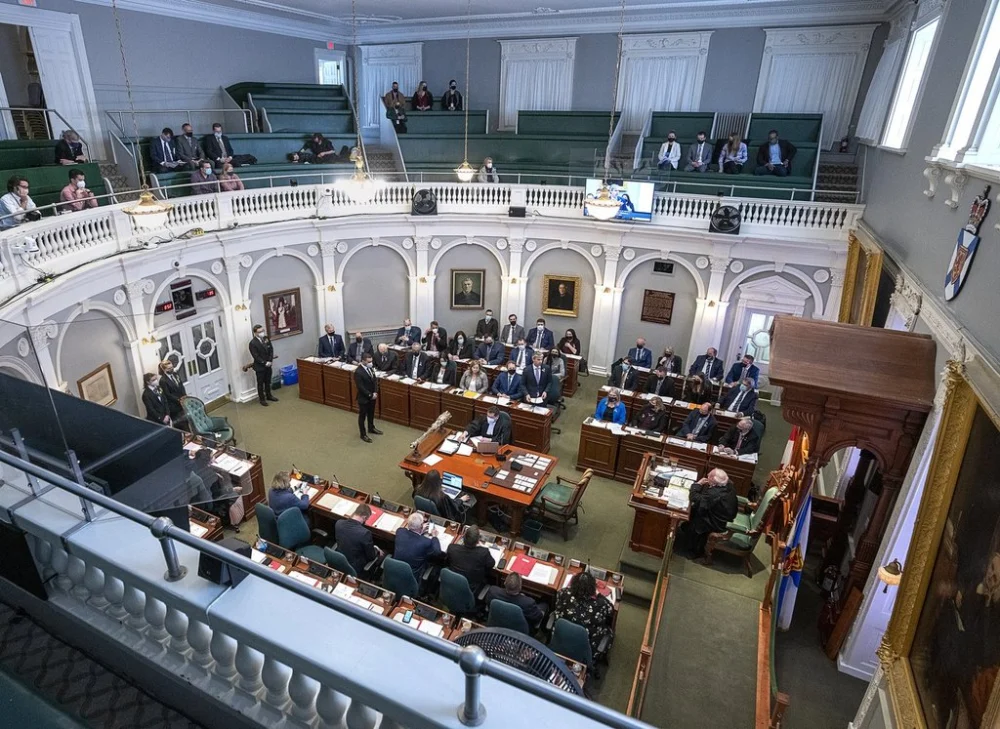
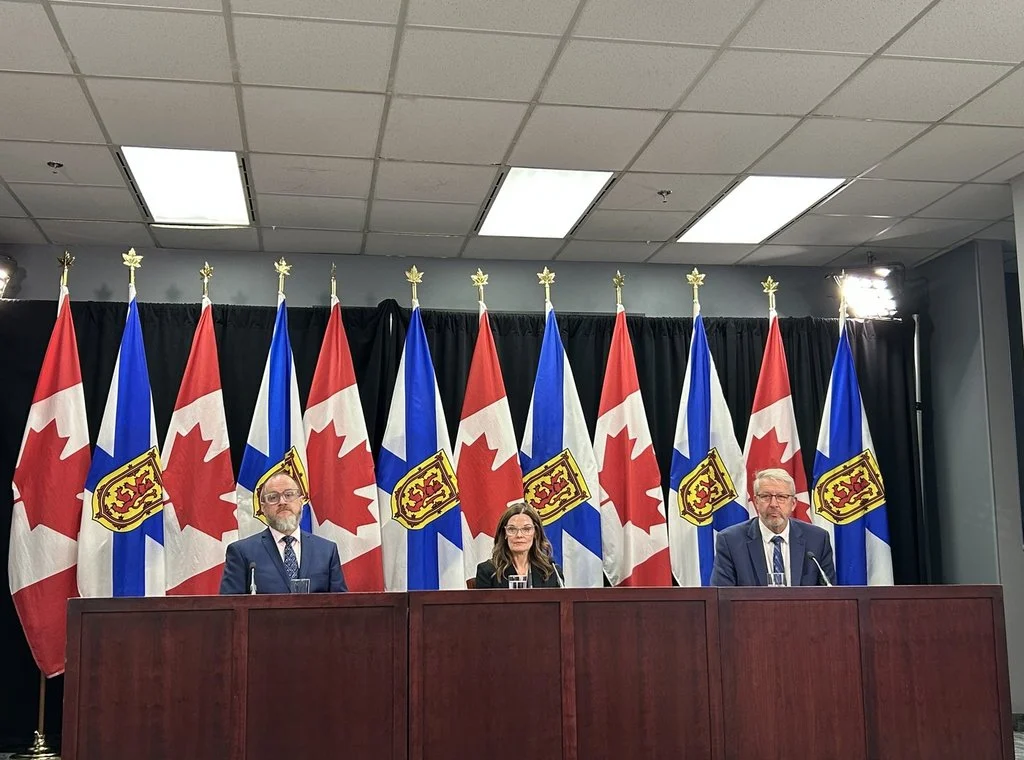
Nova Scotia Finance Minister John Lohr delivered the provincial budget for the new fiscal year today, a fiscal blueprint that signals a significant shift towards austerity through projected spending reductions. These anticipated cuts are poised to have a tangible impact on public services across the province, as the government grapples with a rapidly expanding deficit. The unveiling of this budget comes at a critical juncture for the Progressive Conservative government, facing mounting pressure from opposition parties regarding fiscal transparency and the democratic process within the legislature.
The Fiscal Landscape: A Deepening Deficit
The province’s financial outlook has deteriorated considerably in recent months, setting a challenging backdrop for the 2024-25 budget. Nova Scotia initially estimated a deficit of $700 million. However, this figure saw a sharp increase to $1.3 billion by December, a concerning trajectory that Finance Minister Lohr acknowledged as necessitating difficult decisions. Premier Tim Houston further updated this grim projection in January, stating the deficit had climbed to an alarming $1.4 billion. This escalating fiscal gap, nearly doubling in just a few months, is attributed by analysts to a confluence of factors, including persistent inflationary pressures driving up operational costs, increased demand on critical social services like healthcare, and potential shortfalls in anticipated revenue streams amidst a fluctuating economic climate. The province, like many jurisdictions, has also faced significant post-pandemic recovery costs and ongoing investments in infrastructure and healthcare, all contributing to the strain on public coffers.
In response to the deteriorating financial picture, Minister Lohr had, in December, issued a directive to all government departments. This directive requested recommendations for achieving a 10 per cent rollback of programs and grants. While Lohr indicated it was unlikely all suggestions would be implemented, the broad nature of this request signaled the government’s serious intent to rein in spending. This proactive measure underscored the gravity of the fiscal challenge well in advance of the budget’s official presentation, preparing the public and government entities for a period of fiscal tightening.
Immediate Impacts of Fiscal Restraint
The initial tremors of these spending cuts have already begun to manifest. Last week, the government announced the closure of three provincial museums, a move that sparked immediate concern among cultural institutions, heritage advocates, and the communities served by these facilities. While specific details on the affected museums were not immediately available in the initial reports, such closures typically lead to job losses, reduced access to cultural programming, and a potential decline in local tourism. Alongside the museum closures, several tourist information centres are also slated for shutdown. These centres play a vital role in welcoming visitors and providing essential guidance, and their closure raises questions about the province’s commitment to supporting its tourism sector, a significant contributor to the Nova Scotian economy.
The decision to target cultural institutions and tourism infrastructure early in the budget cycle suggests a strategic choice to reduce spending in areas deemed non-essential or less critical than core services like healthcare and education, although even these sectors are likely to feel the pinch of broader fiscal constraint. The implications extend beyond direct financial savings, impacting local employment, community engagement, and the province’s overall cultural and tourism appeal. Experts suggest that such cuts, while offering immediate savings, can have longer-term consequences on a province’s social fabric and economic diversification if not carefully managed.
The Legislative Arena: Calls for Enhanced Accountability

The delivery of the budget coincides with the commencement of a new session of the Nova Scotia legislature, a session that opposition parties and independent members hope will be markedly different from its predecessors in terms of duration and depth of debate. Becky Druhan, formerly Nova Scotia’s justice minister, who resigned from the governing Progressive Conservatives in the fall over policy differences with party leadership, has emerged as a vocal proponent for longer legislative sittings. Now sitting as an Independent, Druhan highlighted that the previous session, which concluded in early October after only eight days, contributed significantly to what she termed a “crisis of confidence” in the Tory government, which holds a commanding majority.
Druhan’s concerns are rooted in the fundamental principles of parliamentary democracy. Unlike many other provincial legislatures or federal parliaments, Nova Scotia’s legislature does not operate on a fixed calendar. Instead, its sitting days are determined at the discretion of the party in power. This practice, she argues, limits the ability of elected representatives to effectively scrutinize government policies, debate legislation thoroughly, and voice the concerns of their constituents. "Eight days is not enough to do what we need to do, to voice our opinions, to voice our community’s experiences, to debate the legislation and the issues that are important to Nova Scotians," Druhan stated, underscoring the perceived inadequacy of truncated sessions.
Opposition Challenges and Democratic Deficit Concerns
The sentiment expressed by Druhan is widely echoed by the official Opposition NDP and the Liberal Party. NDP Leader Claudia Chender emphasized that with major issues like healthcare access and affordability dominating public discourse, a robust legislative debate is not merely a formality but a necessity. Chender asserted that the government’s perceived reluctance to engage meaningfully with hard questions, particularly within the legislative arena, is detrimental to democratic accountability. "At the end of the day, this government has become expert at not engaging with Nova Scotians around hard questions, including in the legislative arena," Chender commented in an interview, further describing the recent eight-day sitting as a "travesty" and "an insult to Nova Scotians."
This criticism speaks to a broader concern about the balance of power within a majority government and the mechanisms available for accountability. In a system where the government controls the legislative calendar, there is a perception that legislative scrutiny can be minimized, allowing for less rigorous debate on critical policy decisions, including the provincial budget. The opposition argues that this practice undermines the role of elected representatives and reduces the opportunities for diverse viewpoints and public concerns to be thoroughly aired and addressed.
The Issue of Over-Budget Spending
Beyond the duration of legislative sessions, opposition parties have also intensified their criticism of the Houston government’s fiscal management, specifically targeting its reliance on over-budget spending that bypasses formal legislative debate and voting processes. Claudia Chender pointed out that the Houston government has spent an astounding $6.7 billion outside the conventional budget process since the 2020-21 fiscal year. This includes a projected $1.6 billion in the upcoming 2024-25 fiscal year alone.
Such significant expenditures made outside the regular budget cycle raise serious questions about transparency and accountability. Typically, government spending is approved through estimates debated and voted upon in the legislature. When large sums are spent outside this framework, often through special warrants or unforeseen contingencies, it limits the ability of opposition parties and the public to scrutinize the rationale, effectiveness, and necessity of these expenditures. Chender linked this pattern of overspending directly to the current deficit crisis. "They’ve spent a billion dollars over budget every single year, it’s no surprise that we’re in a deficit now," she argued, challenging the government’s ability to fulfill its core promises, particularly regarding healthcare access and affordability, given its spending habits.
Proposals for a Budget Officer and Enhanced Fiscal Accountability

In response to these concerns regarding fiscal transparency and accountability, both the NDP and Liberal parties have announced plans to introduce legislation aimed at creating an independent budget officer for Nova Scotia. This role, which exists in several other Canadian provinces (such as Ontario and Quebec) and at the federal level with the Parliamentary Budget Officer (PBO), would provide independent analysis of government spending, revenue projections, and the financial implications of legislative proposals.
A provincial budget officer would serve as an impartial arbiter, offering non-partisan financial analysis to all members of the legislature and the public. This would enhance oversight, provide greater clarity on the province’s fiscal health, and potentially prevent or identify instances of overspending more effectively. Proponents argue that such an office would be a crucial tool for fostering greater fiscal discipline and ensuring that government spending decisions are subjected to rigorous, independent scrutiny, thereby increasing public confidence in the province’s financial management. The absence of such a role has, according to the opposition, contributed to the current "crisis of confidence" and the rapid escalation of the provincial deficit without sufficient external checks.
Broader Implications for Nova Scotians
The decisions outlined in today’s budget, particularly the commitment to spending cuts, carry significant implications for the daily lives of Nova Scotians. While the precise details of all cuts will emerge with the full budget document, the stated intention for a 10 per cent rollback across departments suggests a broad impact. Beyond the immediate closures of museums and tourist centres, residents may anticipate changes in service delivery across various sectors. For instance, while healthcare is often considered sacrosanct, increased efficiencies or reduced funding for certain programs within the health system could still be on the table. Similarly, social services, educational support programs, and community grants could face reductions, impacting vulnerable populations and non-profit organizations that rely on provincial funding.
The government’s stated priorities of improving healthcare access and addressing affordability will be tested against the backdrop of fiscal restraint. How the administration navigates these competing demands – cutting spending while simultaneously striving to enhance critical services – will be a key determinant of its success and public approval. The economic impact could also be felt, particularly if cuts lead to job losses in the public sector or reduced investment in local communities. The tourism sector, already grappling with post-pandemic recovery, may face further challenges if promotional efforts or infrastructure support are scaled back.
The Path Forward: Navigating Fiscal Challenges and Political Dynamics
The current legislative session promises to be a contentious one, marked by intense debate over the budget and the broader fiscal direction of the province. Premier Tim Houston’s office, in an emailed statement, indicated that the House sits "as long as the opposition decides to debate the legislation," with spokesperson Catherine Klimek adding that "Our government believes in a healthy democracy and when our MLAs are here in the city, they are ready to do the work." This statement, however, is viewed with skepticism by the opposition, who argue that the onus for a productive and adequately long session rests with the governing party, which controls the legislative agenda.
As Nova Scotia enters this period of fiscal tightening, the government faces the complex task of balancing immediate financial exigencies with long-term provincial needs and the expectations of its citizens. The budget’s reception will undoubtedly be shaped by the specifics of the cuts and investments, and the extent to which the government can articulate a clear, sustainable path forward for the province’s economy and public services. The ongoing scrutiny from opposition parties, coupled with public sentiment regarding service delivery and government accountability, will ensure that the fiscal decisions made today will reverberate throughout the province for the foreseeable future.
with files from The Canadian Press’ Lyndsay Armstrong