admin
admin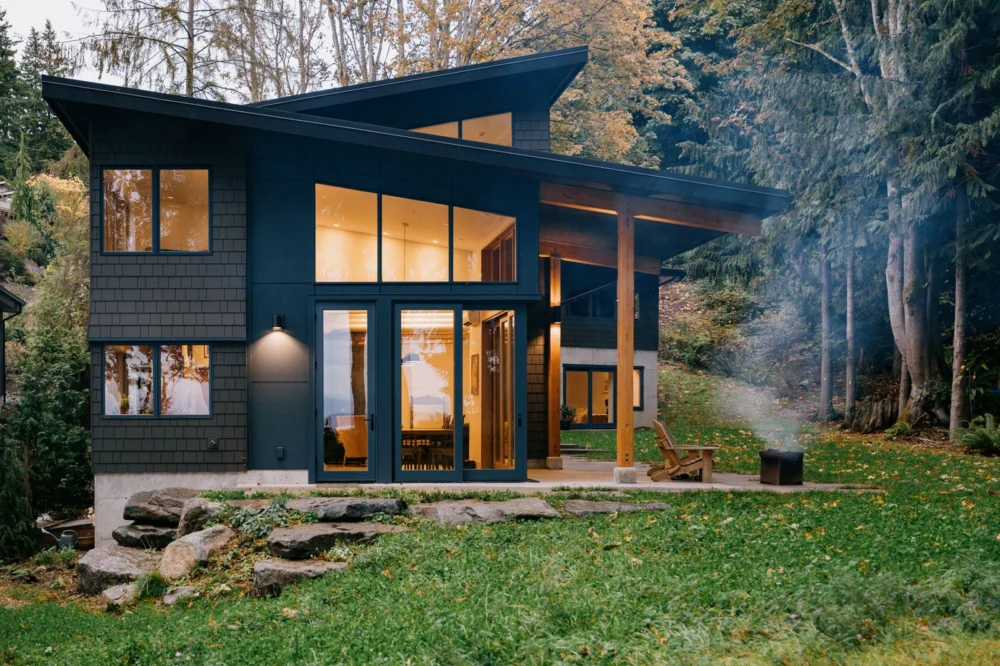
In 2020, as the world grappled with unprecedented change, Callie and Nathan Angle, having just welcomed their first child, embarked on a personal journey reflecting a broader demographic shift across the United States. The couple, who had spent several formative years immersed in Seattle’s vibrant urban environment after growing up in different parts of western Washington, found themselves at a pivotal crossroads. Their experience, driven by the desire for "more breathing room" and a home they could truly "make their own" amidst a challenging housing market, became a microcosm of the evolving priorities for many young families in the post-pandemic era. Callie recalls the precise sentiment that propelled their search: "We weren’t finding anything on the market that we liked in Seattle, and we knew we wanted something we could make our own." This statement encapsulates a burgeoning demand for space, affordability, and customization that has reshaped residential patterns and influenced real estate markets far beyond the Pacific Northwest.
The Seattle Context: A Shifting Urban Landscape
For decades leading up to 2020, Seattle had been a magnet for young professionals and families, fueled by its booming tech industry, progressive culture, and access to stunning natural landscapes. The city’s population grew rapidly, with thousands flocking to its urban core for job opportunities at companies like Amazon, Microsoft, and Google, as well as a dynamic arts and culinary scene. This influx, however, placed immense pressure on the housing market. Median home prices in Seattle consistently outpaced national averages, and inventory remained tight, making homeownership a distant dream for many, particularly those seeking larger properties suitable for growing families. Apartments and condominiums dominated new constructions within the city limits, catering to singles and couples without children, but often falling short for families desiring yards, multiple bedrooms, and dedicated spaces for remote work or schooling.
The Angles’ decision to settle in Seattle followed a familiar trajectory for many young adults from the region. After completing their education, the allure of a bustling city with career prospects and a rich cultural fabric drew them in. Their years in Seattle likely offered the vibrancy and convenience that defined urban living for a generation. However, the arrival of their first child fundamentally altered their perspective on what constituted an ideal living environment. The practicalities of family life—the need for more space for play, storage, and quiet reflection, coupled with a desire for community amenities tailored to children—began to outweigh the benefits of dense urban living.
The Pandemic’s Catalytic Role
The year 2020 marked a profound turning point, not just for the Angles, but for millions globally. The onset of the COVID-19 pandemic triggered widespread lockdowns, a rapid adoption of remote work, and a re-evaluation of living priorities. For many, the necessity of working and living entirely within the confines of their homes highlighted the limitations of smaller urban residences. What once felt like cozy, convenient living spaces now felt cramped and isolating, especially for families with young children.
The Rise of Remote Work and its Housing Implications
Before 2020, remote work was a growing but not dominant trend. Post-pandemic, it became a cornerstone of many industries. According to data from Stanford University’s Institute for Economic Policy Research, the share of workers primarily working from home surged from a pre-pandemic baseline of around 5% to over 30% during the peak of the pandemic. This seismic shift liberated many from the daily commute, decoupling job location from residential choice. For families like the Angles, who previously might have been tied to Seattle for employment, the newfound flexibility opened up a world of possibilities beyond the city limits. The need for a dedicated home office, a larger yard for children’s play, and access to nature became increasingly prioritized over proximity to downtown offices or urban entertainment venues. The "breathing room" Callie mentioned was no longer a luxury but a perceived necessity for mental well-being and practical living in a remote-first world.
Navigating a Challenging Market: The Angles’ Experience
The Angles’ specific difficulties in finding a suitable home in Seattle in 2020 were not unique but emblematic of the market conditions. Even before the pandemic, Seattle’s real estate market was fiercely competitive. By 2020-2021, the influx of buyers, many with newfound remote work flexibility and a desire for more space, further intensified demand, particularly for single-family homes. Inventory remained stubbornly low, leading to bidding wars, waived contingencies, and prices escalating far beyond asking.
The Quest for "Breathing Room" and Customization
Their search revealed a fundamental disconnect between what was available and what they desired. Seattle’s existing housing stock, especially within their budget, often comprised older homes requiring significant renovations or newer, smaller units that didn’t offer the spatial flexibility they sought. The Angles’ aspiration to "make something their own" speaks to a deeper yearning for personal expression and stability. For many new parents, a home isn’t just a dwelling; it’s a foundation for family life, a canvas for memories, and a reflection of their values. The ability to customize a space—whether through renovation or new construction—allows for the creation of a truly functional and aesthetically pleasing environment tailored to the unique needs of a growing family. This desire for personalization often clashes with the cookie-cutter nature of some new developments or the prohibitive costs of renovating a pre-existing urban property. The Angles’ frustration with the Seattle market thus wasn’t just about price or availability, but also about the absence of opportunities to create a home that truly resonated with their vision for their family’s future.
Broader Demographic and Real Estate Trends
The Angles’ story aligns with significant demographic and real estate trends observed across the United States during and after the pandemic. Major metropolitan areas, particularly on the coasts, experienced an "urban exodus" as residents, especially millennial families, sought more affordable housing, larger spaces, and a perceived higher quality of life in suburban, exurban, or even rural areas.
Seattle’s Housing Affordability Crisis
In 2020, the median home price in Seattle reached approximately $800,000, soaring to over $900,000 by mid-2021, representing an increase of over 15% in just one year. This made it one of the most expensive housing markets in the nation. Coupled with low inventory, this price surge created an insurmountable barrier for many first-time homebuyers or those looking to upgrade to a family-sized home. Data from the National Association of Realtors indicated a significant outflow of residents from expensive coastal cities to more affordable regions, with families being a key demographic in this migration. For instance, reports from the U.S. Census Bureau showed that while Washington State continued to grow, much of this growth was concentrated in counties outside of King County (where Seattle is located), particularly in neighboring Pierce and Snohomish counties, which offer more space at a lower cost.
The Appeal of Western Washington’s Periphery
For individuals like Callie and Nathan, who had roots in western Washington, the decision to look beyond Seattle often meant returning to areas they were familiar with or exploring nearby communities that offered a different lifestyle. These peripheral areas typically boasted lower median home prices, larger lot sizes, and a greater availability of single-family homes. For example, communities within a 30-to-60-minute commute radius of Seattle saw substantial increases in demand. Areas like Tacoma, Everett, and smaller towns in Kitsap or Snohomish counties experienced rapid appreciation and an influx of new residents seeking the balance of affordability and accessibility. This geographical shift provided the "breathing room" they craved, often including larger yards, access to parks, and a less congested environment, which became highly valued amenities for families with young children during a period of increased time spent at home.
Expert Perspectives on the Urban-Suburban Shift
Real estate analysts, urban planners, and sociologists have extensively studied this phenomenon, offering insights into its causes and potential long-term effects.
Dr. Emily Chen, a housing market analyst specializing in West Coast trends, observed, "The pandemic didn’t create these trends of urban flight and the desire for more space, but it certainly put them into hyperdrive. What might have been a gradual migration over a decade was compressed into a couple of years. Families, in particular, re-evaluated their priorities, realizing that the benefits of dense urban living diminished when amenities were closed and remote work became the norm." She added that the Angles’ desire for customization reflects a broader consumer trend: "Buyers aren’t just looking for a house; they’re looking for a home that supports their lifestyle, their values, and allows for personal expression, which is often easier to achieve in less constrained, and thus less expensive, markets."
Sarah Thompson, an architectural historian and design consultant based in Seattle, commented on the significance of "making it your own." "The desire to ‘make it your own’ reflects a deeper psychological need for stability, control, and personal expression, especially for new families establishing their roots. In an unpredictable world, shaping one’s immediate environment provides a sense of grounding. This isn’t just about aesthetics; it’s about creating functional spaces that adapt to evolving family needs, something that can be challenging and financially prohibitive in a hyper-competitive urban core."
Local real estate agents in Western Washington corroborated these observations. Mark Johnson, a veteran agent in Snohomish County, noted, "We saw a significant increase in buyers coming from Seattle looking for larger homes, more land, and often, properties that needed a bit of work so they could put their own stamp on it. They were willing to trade a longer commute, or no commute at all, for better value and more space. The demand was unprecedented."
Implications for Regional Development and Lifestyle
The decisions made by families like the Angles have far-reaching implications for regional development, urban planning, and the very fabric of community life.
Redefining the American Dream for New Families
The traditional "American Dream" of homeownership with a yard has seen a resurgence, particularly among millennials entering parenthood. This shift suggests a re-prioritization of space, privacy, and community-oriented living over the once-dominant allure of dense urban centers. For families, this often translates to better access to public schools, quieter neighborhoods, and a perceived safer environment for raising children. The ability to personalize one’s home also contributes to a sense of rootedness and long-term investment in a community.
Challenges and Opportunities for Regional Planning
For cities like Seattle, the outward migration of young families presents challenges related to maintaining a diverse tax base, supporting local businesses that cater to families, and potentially grappling with demographic shifts towards a higher proportion of singles or older adults. Urban planners are now tasked with re-evaluating city amenities and housing strategies to either retain families or adapt to a changing population profile.
Conversely, suburban and exurban communities face new opportunities and challenges. Increased demand drives economic growth through new construction and renovation, boosting local economies. However, this growth also strains existing infrastructure, including roads, schools, and utilities, requiring significant investment in public services. These communities must carefully manage rapid expansion to maintain their character while accommodating new residents. The increased commute times, or the continued dominance of remote work, also necessitate a re-evaluation of transportation infrastructure and the provision of local amenities in these growing areas. The Angles’ move, driven by personal need, thus contributes to a larger narrative of demographic redistribution, reshaping not only individual lives but also the collective future of regions.
The story of Callie and Nathan Angle, seeking "more breathing room" and a home they could "make their own" in the tumultuous year of 2020, stands as a poignant illustration of a broader societal shift. Their quest for a home beyond Seattle’s competitive market, fueled by the arrival of their first child and the catalytic effects of a global pandemic, mirrors the experiences of countless families nationwide. As remote work becomes more ingrained and the desire for personal space and customization persists, the patterns of urban exodus and the re-evaluation of residential priorities are likely to continue shaping the landscape of American living for years to come, posing both challenges and opportunities for urban centers and their surrounding regions.