admin
admin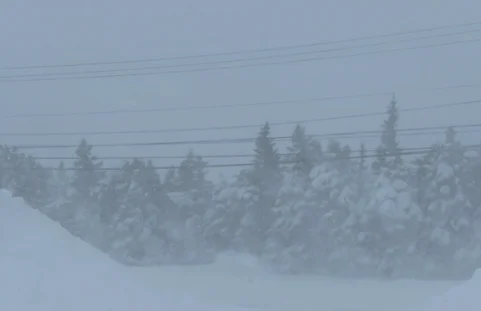
Atlantic Canada is currently on high alert, preparing for a formidable wintry assault as an intense low-pressure system tracks south of the region, bringing with it a complex mix of heavy snowfall, powerful winds, and potential freezing rain across multiple provinces. Environment and Climate Change Canada (ECCC) has issued an array of winter storm watches and special weather statements, urging residents to prepare for significant travel disruptions and challenging conditions from late Sunday through Tuesday morning. This storm, characteristic of the powerful weather systems that frequently sweep across the North Atlantic, promises to be one of the most impactful winter events of the season, prompting widespread advisories and preparedness measures across Nova Scotia, New Brunswick, Prince Edward Island, and parts of Newfoundland.
Meteorological Overview: The Anatomy of an Intense Winter System
The impending weather event is driven by a rapidly developing low-pressure system originating off the eastern seaboard of the United States. Such systems, often referred to as "Nor’easters" due to their characteristic northeasterly winds, are notorious for their ability to draw significant moisture from the Atlantic Ocean, converting it into heavy precipitation when encountering cold air masses over land. This particular system is projected to undergo a process known as "bombogenesis," where its central pressure drops by at least 24 millibars in 24 hours, indicating a rapid intensification. This rapid deepening leads to exceptionally strong winds and a high potential for widespread, heavy snowfall.
The current trajectory indicates the low-pressure centre will pass south of Nova Scotia’s southwestern region on Monday night, then continue its northeastward path, impacting the eastern coast of Nova Scotia and potentially grazing the southern shores of Newfoundland by Tuesday morning. The precise track of such systems is critical, as even slight shifts can dramatically alter snowfall totals, wind speeds, and the rain-snow line, making forecasting a complex challenge for meteorologists. The expected transition from snow to rain in coastal areas, particularly in Nova Scotia and Newfoundland, adds another layer of complexity, raising concerns about freezing rain and flash freezing as temperatures fluctuate around the zero-degree Celsius mark.
Provincial Forecasts and Expected Impacts
Nova Scotia: A Challenging Mix of Snow, Wind, and Rain
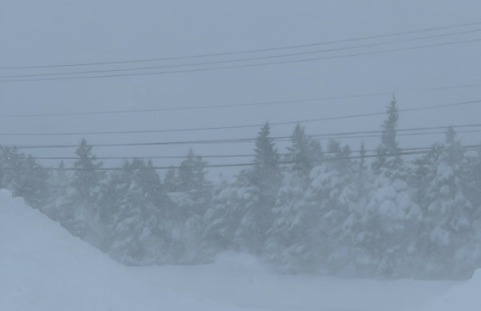
Residents of Nova Scotia are bracing for a substantial wintry mix, with ECCC forecasting 15 to 25 centimetres of snow across much of the province by Tuesday morning. The storm is expected to commence with heavy snowfall and strong northeasterly winds late Monday, particularly impacting eastern Nova Scotia. However, a significant concern for the province is the anticipated changeover from snow to rain late Monday or early Tuesday, especially along the Atlantic coast. This transition could lead to a variety of hazardous conditions, including slushy roads, potential localized flooding, and the risk of freezing rain as temperatures briefly hover around the freezing point before rising slightly above zero.
Yellow winter storm watches have been put in place for the province’s southern region, encompassing areas like Lunenburg, Queens, and Yarmouth counties, where the heaviest snow and strongest winds are most probable before the changeover. Special weather statements have been extended from Halifax Metro to Cape Breton, highlighting the widespread nature of the threat. Blowing snow is also a significant concern, particularly for inland areas and exposed coastal stretches, where wind gusts could reach 70-90 km/h, severely reducing visibility and making travel extremely dangerous. The Nova Scotia Department of Transportation and Infrastructure Renewal has advised against non-essential travel during the peak of the storm, warning of rapidly deteriorating road conditions and potential power outages caused by strong winds and accumulating snow and ice on power lines. Nova Scotia Power is already mobilizing crews in preparation for potential disruptions.
New Brunswick: Heavy Snow and Blustery Conditions
Most of New Brunswick is under special weather alerts, with forecasts indicating 15 to 25 centimetres of heavy snow between Monday afternoon and Tuesday morning. The storm’s impact is expected to be most severe in southern and eastern New Brunswick, including major centres like Moncton, Saint John, and the Fundy coast. Northeasterly wind gusts of 60 to 80 km/h are anticipated, with gusts along the exposed Fundy coast potentially exceeding 90 km/h. These powerful winds, combined with heavy snowfall, will create blizzard-like conditions and significant blowing snow, leading to near-zero visibility at times.
ECCC has indicated that snowfall warnings may be required for multiple regions as the storm evolves, emphasizing that the worst conditions are expected in southeastern New Brunswick and along the Fundy coast. The New Brunswick Department of Transportation and Infrastructure is urging drivers to monitor highway conditions closely via 511 NB and to postpone travel if conditions become hazardous. School closures are highly probable across the affected regions on Tuesday, and businesses are advised to plan for potential operational disruptions. NB Power has also activated its emergency response plan, anticipating outages due particularly to the combination of heavy, wet snow and strong winds.

Prince Edward Island: Snowfall and Coastal Winds
Prince Edward Island is also squarely in the path of this system, with forecasts calling for 15 to 25 centimetres of snow between Monday evening and noon on Tuesday. Special weather statements are currently in effect across the entire island. Similar to its neighbours, PEI will experience strong northeasterly winds accompanying the snowfall, likely causing blowing snow and significantly impacting visibility.
The Confederation Bridge, a vital link between PEI and mainland New Brunswick, is particularly vulnerable to high wind advisories and potential restrictions or closures, which could severely impact travel and commercial traffic. Marine Atlantic ferry services, connecting PEI to the Magdalen Islands, may also face disruptions or cancellations. The PEI Emergency Measures Organization (EMO) has advised residents to secure outdoor items, have emergency kits ready, and stay informed through local media and official channels. Schools and government offices are expected to be affected, with potential closures on Tuesday.
Newfoundland and Labrador: A Precursor and Continued Snowfall
While the main system’s direct impact on Nova Scotia, New Brunswick, and PEI is expected on Monday and Tuesday, Newfoundland and Labrador is experiencing earlier effects and continued snowfall. Northeastern Newfoundland is already receiving heavy snow, with 5 to 15 centimetres expected into Sunday evening. The St. John’s metropolitan area and the Avalon Peninsula, in particular, are forecast to see accumulation rates of two to four centimetres per hour during periods of peak intensity on Sunday.

The snow is expected to taper to scattered flurries later on Sunday. Temperatures are also anticipated to rise just above zero degrees Celsius, leading to snow mixing with or changing to rain along parts of the coast, posing a risk of slush and localized icy conditions. The "Heavy snowstorm buries eastern N.L." video, while from a previous date (February 18), serves as a stark reminder of the significant winter events Newfoundland often experiences and the challenges residents face. Newfoundland and Labrador Hydro has been monitoring conditions closely, particularly in areas prone to heavy, wet snow, which can stress infrastructure.
Chronology of Events (All times Atlantic Standard Time – AST)
- Sunday Evening (February 22, 2026): Northeastern Newfoundland begins experiencing heavy snowfall, with accumulation rates of 2-4 cm/hour in the St. John’s area. Temperatures begin to rise slightly in coastal Newfoundland, leading to a mix of snow and rain.
- Monday Afternoon (February 23, 2026): Snow begins to fall across much of New Brunswick, intensifying rapidly from west to east. Special weather statements are in full effect.
- Monday Evening (February 23, 2026): Heavy snow and strong winds spread across Nova Scotia, with the intense low-pressure system passing south of the province’s southwestern region. Snowfall begins in Prince Edward Island. Blowing snow becomes a significant hazard across all three provinces.
- Late Monday Night / Early Tuesday Morning (February 23-24, 2026): The snow in coastal Nova Scotia is expected to transition to rain. Heavy snow continues in New Brunswick and Prince Edward Island, accompanied by powerful wind gusts, especially along coastal areas.
- Tuesday Morning (February 24, 2026): The low-pressure system moves towards the eastern coast of Nova Scotia. Snow continues in parts of New Brunswick and Prince Edward Island, tapering off by noon. Travel conditions remain treacherous across the region.
- Tuesday Afternoon (February 24, 2026): Conditions begin to improve across the Maritimes as the system tracks further east, though residual snow, slush, and icy patches will persist. Cleanup efforts commence.
Preparedness and Public Safety Advisories
Emergency management organizations across Atlantic Canada have been actively communicating with the public, urging proactive measures. Residents are strongly advised to:
- Monitor Forecasts: Stay updated with the latest weather advisories from Environment and Climate Change Canada and local news outlets.
- Prepare Emergency Kits: Ensure emergency kits are stocked with non-perishable food, water, flashlights, batteries, a first-aid kit, and any necessary medications for at least 72 hours.
- Charge Devices: Fully charge cell phones and other electronic devices in case of power outages.
- Fuel Vehicles: Ensure vehicles have full fuel tanks and are equipped with winter tires and an emergency kit.
- Avoid Non-Essential Travel: Road conditions are expected to be extremely hazardous, with reduced visibility due to heavy snow and blowing snow.
- Check on Neighbours: Especially vulnerable individuals, seniors, or those living alone.
- Secure Outdoor Items: Strong winds could turn unsecured objects into projectiles.
- Clear Drains and Gutters: In areas expecting a snow-to-rain transition, ensuring proper drainage can help prevent localized flooding.
"We are urging all residents to take this storm seriously," stated a spokesperson for the Nova Scotia Emergency Management Office (hypothetical). "Our crews are on standby, and we are coordinating closely with utility companies and transportation departments. The best way to help emergency responders is to stay home, stay safe, and ensure you have what you need." Similarly, a representative from the New Brunswick Department of Transportation (hypothetical) added, "Our plows and salt trucks will be out, but heavy snowfall and strong winds will make it difficult to keep up. If you don’t absolutely need to be on the roads, please stay off them."
Broader Implications and Historical Context
Winter storms of this magnitude are not uncommon in Atlantic Canada, a region famously exposed to the volatile weather patterns generated over the North Atlantic. These events frequently lead to widespread power outages, school and business closures, and significant disruptions to air, land, and marine transportation. The economic impact can be substantial, affecting local businesses, supply chains, and tourism. For example, the "Snowmageddon" event in St. John’s, Newfoundland, in January 2020, showcased the extreme potential of such storms, bringing record snowfall and a state of emergency that lasted for days. While this current system is not anticipated to reach that historic scale, it underscores the region’s perennial vulnerability to severe winter weather.
The changing climate also introduces new variables into these traditional storm patterns. While no single event can be directly attributed to climate change, scientific models suggest an increase in the intensity of extreme weather events, including more powerful winter storms with heavier precipitation. This necessitates ongoing adaptation and resilience planning for infrastructure and communities across the region.

As the storm progresses, residents of Atlantic Canada are encouraged to remain vigilant, prioritize safety, and follow all official advisories. The next 24 to 48 hours will undoubtedly test the resilience of communities across the provinces, but with proper preparation and cooperation, the region aims to weather this significant wintry blast.