admin
admin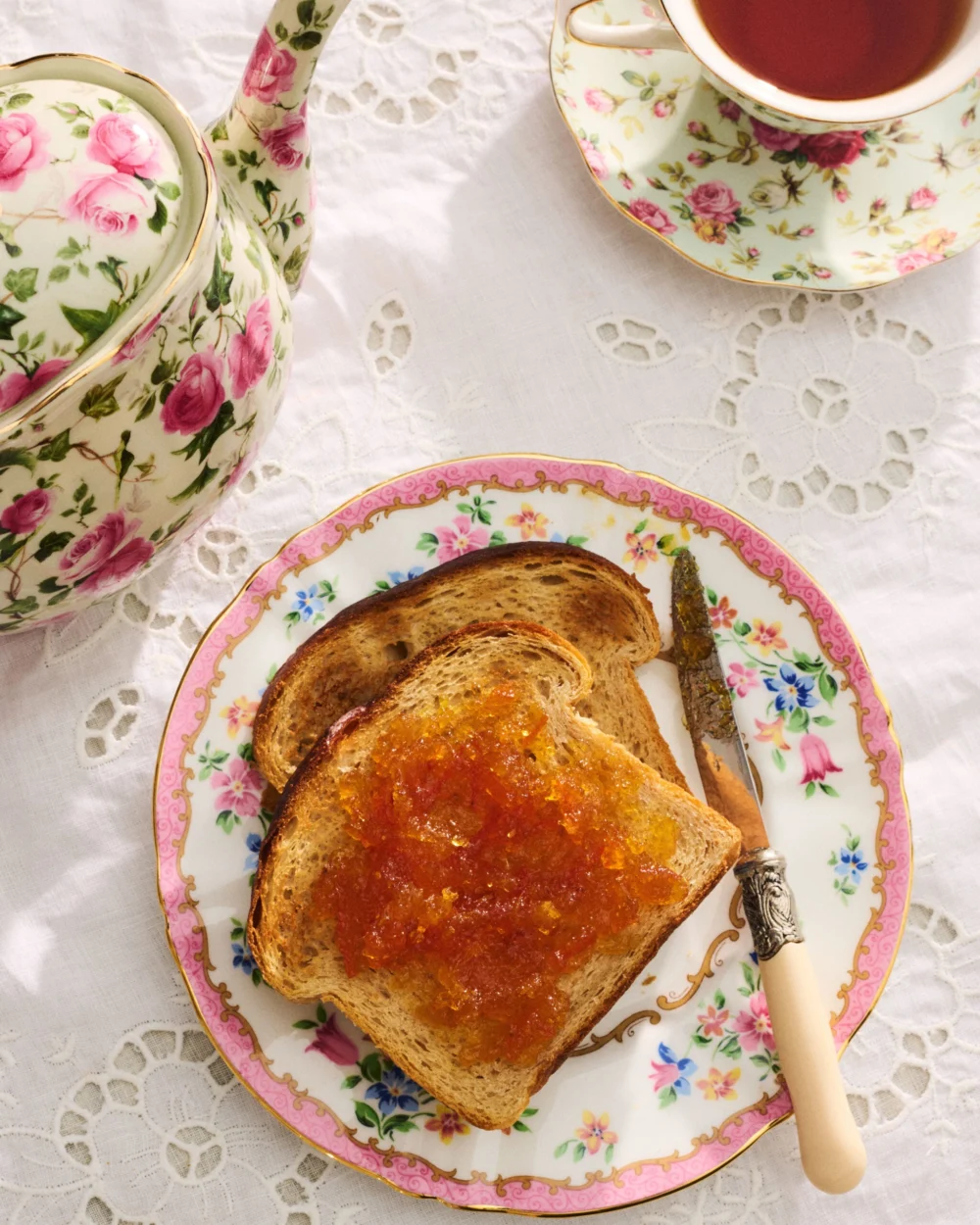
The creation of citrus marmalade, a time-honored culinary tradition, involves a meticulous multi-step process that transforms humble citrus fruits into a delectable preserve. This process, often passed down through generations, requires precision, patience, and an understanding of the chemical reactions that lead to a perfectly set, flavorful spread. While seemingly straightforward, the journey from fresh fruit to jarred marmalade is a testament to the art of food preservation. This article will explore the detailed steps involved in producing high-quality citrus marmalade, offering insights into the science behind each stage and the historical context of this beloved confection.
The Genesis of Preservation: A Historical Perspective
The practice of preserving fruits, including citrus, dates back centuries. Before refrigeration, methods like sugaring, salting, and drying were essential for extending the shelf life of perishable goods. Marmalade, specifically, is believed to have originated in Portugal, where the word "marmelada" originally referred to a quince paste. Its evolution into a citrus-based preserve gained popularity in Britain during the 18th century, driven by increased trade routes that brought citrus fruits like oranges and lemons to European shores. The high sugar content of marmalade not only acts as a preservative by inhibiting microbial growth but also enhances the natural bitterness and aroma of the citrus peel, creating a complex and satisfying flavor profile. This tradition continues today, with many households and commercial producers adhering to established methods that have proven effective over time.
Step-by-Step Transformation: From Fruit to Jar
The production of citrus marmalade is a carefully orchestrated sequence of actions, each contributing to the final texture, flavor, and shelf stability of the preserve.
Step 1: Preparing the Citrus – The Initial Blanching and Wax Removal
The process begins with the careful selection of fresh citrus fruits, typically oranges, lemons, or a combination thereof. The first crucial step involves bringing a large, nonreactive pot of water to a boil. Nonreactive materials like stainless steel or enamel-coated cast iron are preferred to prevent any metallic taste from leaching into the fruit. The citrus fruits are then lowered into the boiling water for 10-15 seconds, working in batches. This brief immersion, known as blanching, serves several purposes. Primarily, it helps to loosen the wax coating that is often applied to commercially grown citrus to protect it during transport and storage. This wax, if not removed, can interfere with the extraction of pectin and flavor from the peel and can also impart an undesirable mouthfeel to the finished marmalade. After blanching, the fruits are transferred to a cutting board using a slotted spoon. Once the fruits have cooled sufficiently to be handled, they are scrubbed under warm running water using a kitchen towel to remove the wax coating. This thorough cleaning ensures that only the natural essence of the fruit makes its way into the marmalade.
Step 2: Extracting the Essence – Juicing and Seed Preparation
With the fruit cleaned, the next stage focuses on extracting the vital components. The blanching water is poured out of the pot, and a fine-mesh strainer is placed over it. This strainer will be used to capture any stray pith or seeds during the juicing process. Each fruit is then halved on the equator, and the juice is squeezed over the strainer. This method ensures that the precious juice is collected while any undesirable solids are retained in the strainer. The spent halves of the fruit, which still contain valuable pectin and flavor compounds, are reserved. The seeds, rich in pectin, are also a critical element. They are wrapped in cheesecloth, tied securely with twine to form a sachet, and placed in the pot with the reserved juice. This sachet will release its pectin into the marmalade during cooking, aiding in the setting process.
Step 3: Infusion and Pectin Extraction – The Overnight Soak
The reserved fruit halves are now prepared for further flavor extraction. They are thinly sliced and transferred to the pot containing the citrus juice and the seed sachet. A significant quantity of 12 cups of cool water is added to the pot. This mixture is then set aside at room temperature for 6 to 12 hours. This extended soaking period allows for the thorough extraction of pectin from the fruit peels and seeds, as well as the infusion of citrus oils and flavors into the water. The longer soak time ensures that the pectin is fully released, which is crucial for achieving the desired gel consistency in the final marmalade.
Step 4: Softening the Peel – The Initial Simmering Phase
As the infusion process concludes, the focus shifts to softening the fruit peel. A saucer is placed in the freezer during this stage. This chilled saucer will be used later to test the set of the marmalade. The pot containing the soaked fruit mixture is then brought to a boil. Once boiling, the heat is turned to low, and the mixture is simmered until the peels are soft and nearly translucent, a process that typically takes about 2 hours. This slow simmering allows the tough pectin-containing cell walls of the peel to break down, rendering them tender and yielding. The translucency of the peel is a visual indicator of its readiness to absorb sugar and achieve the characteristic texture of marmalade.
Step 5: The Art of Setting – Sugar Addition and Achieving the Gel
This is arguably the most critical and time-sensitive stage of marmalade production. After the peels have softened, the sugar is added to the pot. The mixture is then cooked, stirring occasionally, until the sugar is completely dissolved, a process that usually takes 5 to 10 minutes. Once the sugar is dissolved, the heat is turned to medium-high, and the mixture is boiled, stirring frequently. This boiling phase is where the magic of setting occurs. The pectin, released from the fruit and seeds, interacts with the sugar and acid (naturally present in citrus) under heat to form a gel structure. The cooking time can vary significantly, ranging from 45 minutes to 2 hours, as the mixture needs to reach a specific concentration and temperature.
To test for a good set, a small amount of the hot liquid is ladled onto the chilled saucer from the freezer. After 2 minutes, the edge of the liquid on the saucer is pushed with a fingertip. If the marmalade is ready, the edge will wrinkle. If it does not wrinkle, indicating it is still too liquid, the saucer is returned to the freezer, and the test is repeated every 10 minutes. This precise testing method ensures that the marmalade achieves the perfect consistency, neither too runny nor too firm. Once the desired set is achieved, the pot is removed from the heat, and the marmalade is stirred well to distribute the peel evenly throughout the preserve.
Step 6: Sealing the Sweetness – Jarring and Preservation
The final stage involves carefully transferring the hot marmalade into sterilized jars for long-term storage. Using a funnel or ladle, nine sterilized, dried 8-ounce jars are filled with the marmalade, stopping ¼ inch from the rim. This headspace is crucial for creating a proper vacuum seal. A clean kitchen towel is used to wipe the rims of the jars, ensuring no residue interferes with the seal. Lids are then placed on the jars, and the ring bands are tightly screwed on.
To initiate the vacuum sealing process, the filled jars are inverted for 2 minutes. This brief inversion helps to sterilize the lids and draw the marmalade up the sides of the jar. After the inversion, the jars are flipped right side up and set aside undisturbed for 24 hours. During this time, if the jars have been processed correctly, a vacuum seal will form, indicated by the center of the lid being concave and making a popping sound when pressed. Properly canned marmalade will keep in a cool, dark place for up to 1 year.
Supporting Data and Scientific Principles
The success of marmalade production hinges on several scientific principles:
- Pectin: This is a naturally occurring polysaccharide found in the cell walls of fruits. It forms a gel when heated in the presence of sugar and acid. Citrus fruits, particularly their peels and seeds, are rich in pectin. The blanching and soaking steps are crucial for releasing this pectin.
- Sugar: Sugar not only provides sweetness but also acts as a preservative. At high concentrations, it draws water out of microbial cells, inhibiting their growth. It also plays a role in the gelling process by binding with pectin molecules and forming a three-dimensional network.
- Acid: The natural acidity of citrus fruits, primarily citric acid, is essential for activating the pectin and promoting gel formation. The pH of the marmalade needs to be within a specific range for optimal gelling.
- Heat: The boiling process concentrates the sugar and pectin and drives off excess water, allowing the gel structure to form. The precise cooking time and temperature are critical for achieving the correct consistency.
Broader Impact and Implications
The practice of making marmalade, while seemingly a niche culinary activity, has broader implications:
- Food Preservation Heritage: Marmalade production is a tangible link to historical food preservation techniques. It represents a shift from immediate consumption to extending the bounty of harvests, a practice vital before modern refrigeration.
- Economic and Agricultural Connections: The global trade of citrus fruits, from their cultivation in warmer climates to their use in preserves worldwide, highlights interconnected agricultural economies. The demand for specific citrus varieties for marmalade can influence agricultural practices and markets.
- Culinary Innovation and Tradition: While the fundamental process remains consistent, there is ongoing innovation in marmalade making, with chefs and home cooks experimenting with different citrus varieties, spices, and sugar alternatives. This blend of tradition and innovation keeps the craft alive and relevant.
- Sustainability and Waste Reduction: The traditional method of using the entire fruit, including the peel and seeds, aligns with principles of waste reduction and maximizing the use of agricultural products. This can be seen as a precursor to modern sustainability efforts in food production.
In conclusion, the creation of citrus marmalade is a sophisticated culinary art form that combines historical wisdom with scientific understanding. Each step, from the initial blanching of the fruit to the final vacuum sealing of the jars, plays a vital role in transforming simple ingredients into a long-lasting, flavorful preserve. This detailed process not only yields a delicious product but also offers a window into the enduring practice of food preservation and its cultural significance.