admin
admin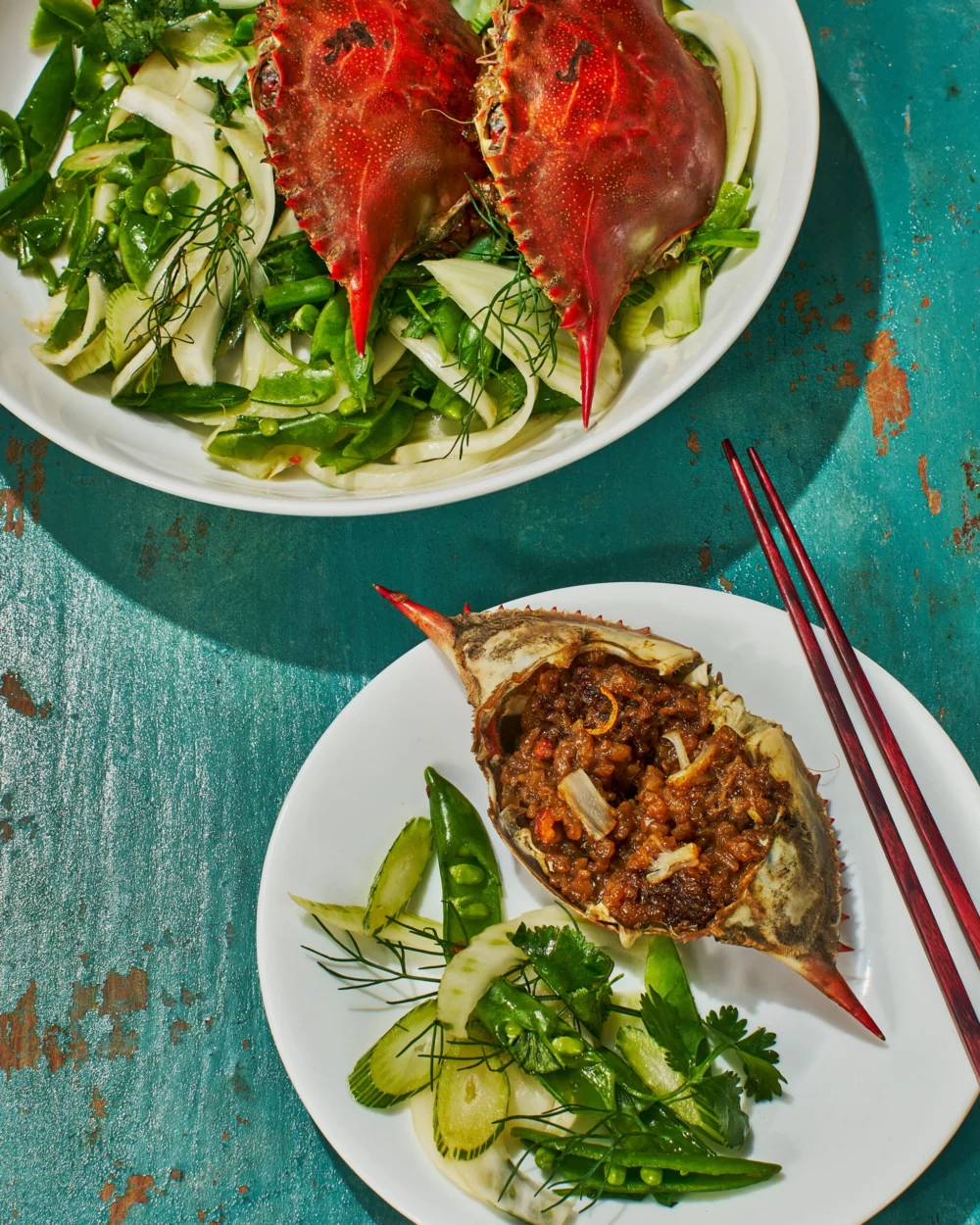
In a culinary landscape constantly seeking innovation, Chef Anya Sharma has embarked on a mission to breathe new life into traditional dishes, showcasing her deep respect for culinary heritage through a meticulously crafted modern interpretation of stuffed crab. This endeavor, unveiled at a recent exclusive tasting event, transcends a simple recipe; it represents a thoughtful exploration of flavor, texture, and presentation, designed to engage both seasoned gourmands and curious newcomers to the intricate world of seafood preparation. The event, held at Sharma’s acclaimed establishment, “The Gilded Spoon,” marked a significant moment in her ongoing commitment to elevating regional specialties.
The Genesis of a Culinary Revival
Chef Sharma’s journey into reviving stuffed crab began with a profound appreciation for its historical significance. Stuffed crab, a dish with roots tracing back through generations of coastal communities, has often been a staple of celebratory meals and family gatherings. However, in contemporary dining, it has sometimes been relegated to a more rustic or less refined presentation. Sharma recognized an opportunity to bridge this gap, drawing inspiration from her own childhood memories and extensive research into the dish’s evolution across different culinary traditions.
“The beauty of stuffed crab lies in its inherent richness and the delightful textural interplay,” Chef Sharma commented during a pre-event briefing. “My goal was not to reinvent the wheel, but to refine it, to highlight the pristine quality of the ingredients and present them in a way that speaks to today’s palate, while still honoring the spirit of the original.”
The development process, spanning several months, involved extensive sourcing of premium ingredients, meticulous recipe testing, and a keen focus on sustainability. Sharma’s team worked closely with local fishermen to ensure the crabs were sourced ethically and responsibly, a practice that has become a cornerstone of “The Gilded Spoon’s” philosophy. The selection of crab varieties, the precise cooking times for optimal meat extraction, and the careful rehydration of dried components were all critical steps in achieving the desired outcome.
A Symphony of Flavors: Crafting the Stuffed Crab
The foundation of Sharma’s dish lies in the masterful preparation of the crab itself. The process begins with the meticulous cleaning of crab shells, a crucial step that ensures both hygiene and presentation appeal. The crabs are then blanched in a robust boiling liquid, a technique that not only cooks the crab to perfection, turning their shells a vibrant crimson, but also imbues the cooking liquid with a foundational seafood essence. This liquid, rich with the briny notes of the ocean, is then reserved for subsequent stages of the recipe, demonstrating an admirable commitment to minimizing waste and maximizing flavor extraction.
Following the blanching, the crabs are carefully cracked, and the precious crab meat and roe are meticulously extracted. This delicate operation requires precision to ensure the integrity of the meat. The reserved top shells are cleaned and set aside, destined to become elegant vessels for the final presentation.
A key element in elevating the stuffing is the rehydration of dried ingredients. Shrimp, mushrooms, and scallops are submerged in two cups of the warm, reserved crab cooking liquid. This process, lasting between 30 minutes and an hour, allows these ingredients to absorb the deep, savory notes of the crab broth, reawakening their flavors and textures. The mushrooms, once rehydrated, are squeezed to remove excess liquid, preserving its essence, and then thinly sliced. The shrimp and scallops are drained, their soaking liquid also carefully reserved for later use, a testament to Sharma’s holistic approach to flavor development.
The heart of the stuffing is then brought to life in a wok or large skillet over medium-high heat. A generous amount of vegetable oil is heated until shimmering, a signal for the introduction of thinly sliced ginger. Cooked until golden on both sides, the ginger releases its aromatic oils, forming an fragrant base. The rehydrated mushrooms, shrimp, and scallops are then added to the wok, stir-fried until they achieve a beautiful golden-brown hue and release their fragrant aromas. This searing process locks in moisture and intensifies their flavors.
The cooked rice, a staple carbohydrate that provides structure and substance, is then incorporated, along with crispy fried shallots, which add a delightful crunch and an oniony depth. Finally, the reserved crab meat and roe are gently folded in. This combination is stir-fried for approximately one minute, ensuring all components are thoroughly mixed and heated through, creating a cohesive and richly flavored filling.
The Art of Steaming: Achieving Perfect Rice Texture
The method of cooking the rice is a critical determinant of the final dish’s success. Chef Sharma offers two distinct, yet equally effective, approaches: traditional steaming and the use of a modern rice cooker.
For those opting for traditional steaming, the rice mixture is transferred to a heatproof bowl, sized to fit within a larger pot. Rice wine, soy sauce, sesame oil, white pepper, and salt are stirred in, along with two cups of the reserved soaking liquid from the rehydrated seafood. It is crucial that the mixture fills no more than two-thirds of the bowl, as the rice will expand during steaming. The bowl is then placed on a rack or foil balls elevated above boiling water in a large pot. Covered tightly, the rice steams for approximately 35 minutes, or until the liquid is fully absorbed and the rice is tender. A ten-minute resting period, still covered, allows the flavors to meld and the texture to stabilize. Final adjustments to seasoning with soy sauce are made as needed.
Alternatively, for those with access to a rice cooker, the process is streamlined. The rice mixture is transferred to the cooker, along with the same liquid seasonings and reserved soaking liquid. The cooker is set to a white or sweet rice setting, and the rice is steamed until tender, typically between 30 and 50 minutes, depending on the appliance. If the rice is not fully cooked by the time the liquid is absorbed, an additional quarter cup of water can be added to ensure perfect tenderness. Similar to the traditional method, the rice rests, covered, for ten minutes before being gently mixed with a spatula.
A Refreshing Counterpoint: The Fennel-Pea Salad
To balance the richness of the stuffed crab, Chef Sharma has devised a vibrant and refreshing fennel-pea salad. This salad serves as a crucial textural and flavor counterpoint, cutting through the savory depth of the crab and rice.
The preparation begins with snap peas, which are carefully split lengthwise by hand, revealing their tender peas while keeping both the shells and peas intact. This technique preserves the visual appeal and allows the dressing to permeate both components.
In a separate bowl, a zesty dressing is whisked together, comprising chile sauce for a touch of heat, lime juice for brightness, and vinegar for tang. The prepared snap peas, fresh cilantro, and thinly sliced fennel, including its delicate fronds, are then added to this dressing. The ingredients are gently tossed until every element is thoroughly coated, ensuring a harmonious blend of flavors.
The Grand Finale: Presentation and Culinary Philosophy
The culmination of Chef Sharma’s meticulous preparation is a visually stunning and gastronomically satisfying dish. The prepared rice mixture is artfully spooned into the reserved, cleaned crab shells, transforming them into elegant edible vessels. These stuffed crab creations are then served atop the vibrant fennel-pea salad, creating a dish that is as appealing to the eye as it is to the palate.
The presentation is not merely aesthetic; it reflects Sharma’s overarching culinary philosophy. The juxtaposition of the warm, savory stuffed crab with the cool, crisp salad creates a dynamic interplay of temperatures and textures. The slight heat from the chile sauce in the salad complements the inherent sweetness of the crab, while the anise notes of the fennel provide an unexpected yet delightful aromatic complexity.
“This dish is about harmony,” Chef Sharma explained. “It’s about respecting the ingredients, understanding their inherent qualities, and then bringing them together in a way that creates something greater than the sum of its parts. The stuffed crab is a taste of nostalgia, and the salad is a breath of fresh air, representing the evolving nature of cuisine.”
Broader Implications and Culinary Trends
Chef Anya Sharma’s modern interpretation of stuffed crab speaks to a broader trend in the culinary world: the conscious effort to revive and reimagine heritage dishes. As global cuisines become increasingly accessible, there is a growing appreciation for the stories and traditions embedded within food. Chefs like Sharma are at the forefront of this movement, acting as custodians of culinary history while simultaneously pushing creative boundaries.
The success of this dish also highlights the importance of ingredient sourcing and sustainability. Consumers are increasingly discerning, seeking out establishments that prioritize ethical practices and support local producers. Sharma’s commitment to this principle, evident in her collaboration with local fishermen, resonates with this growing demand.
Furthermore, the detailed instructions, allowing for both traditional and modern cooking methods, demonstrate an inclusive approach to culinary education. By providing accessible pathways to recreate such a nuanced dish, Sharma empowers home cooks to engage with complex culinary techniques and explore the rich tapestry of traditional cuisine.
The implications of this culinary revival extend beyond individual dining experiences. It fosters a deeper understanding and appreciation for the cultural significance of food, ensuring that cherished recipes are not lost to time but are instead adapted and celebrated for future generations. Chef Sharma’s stuffed crab, in its refined and thoughtful iteration, stands as a testament to the enduring power of culinary tradition when infused with innovation and a deep respect for the past.