admin
admin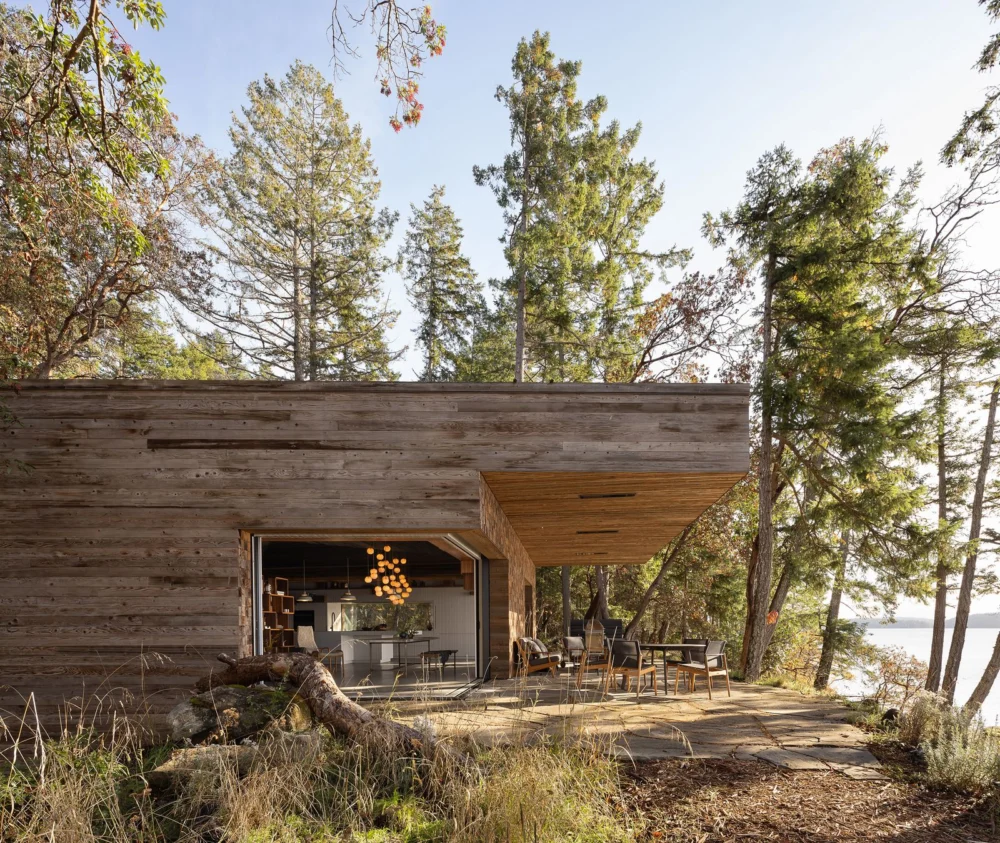
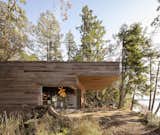
Project 91.0, a remarkable residential structure nestled within the picturesque Gulf Island archipelago of the Canadian Pacific Northwest, stands as a testament to innovative architectural design that deeply integrates with its natural environment while acknowledging the pressing realities of climate change. Designed by the internationally acclaimed architect Omer Arbel, this unique dwelling transcends conventional housing by functioning as a suspended bridge between two prominent rocky ridges, gracefully spanning a lush, sunken fern gully. Its design ethos prioritizes an immersive experience for its inhabitants, offering a dynamic journey from terrestrial forest embrace to a breathtaking aerial perspective within the tree canopy, culminating in an arrival on the serene, west-facing Pacific Ocean beach.
A Symbiotic Relationship with the Landscape
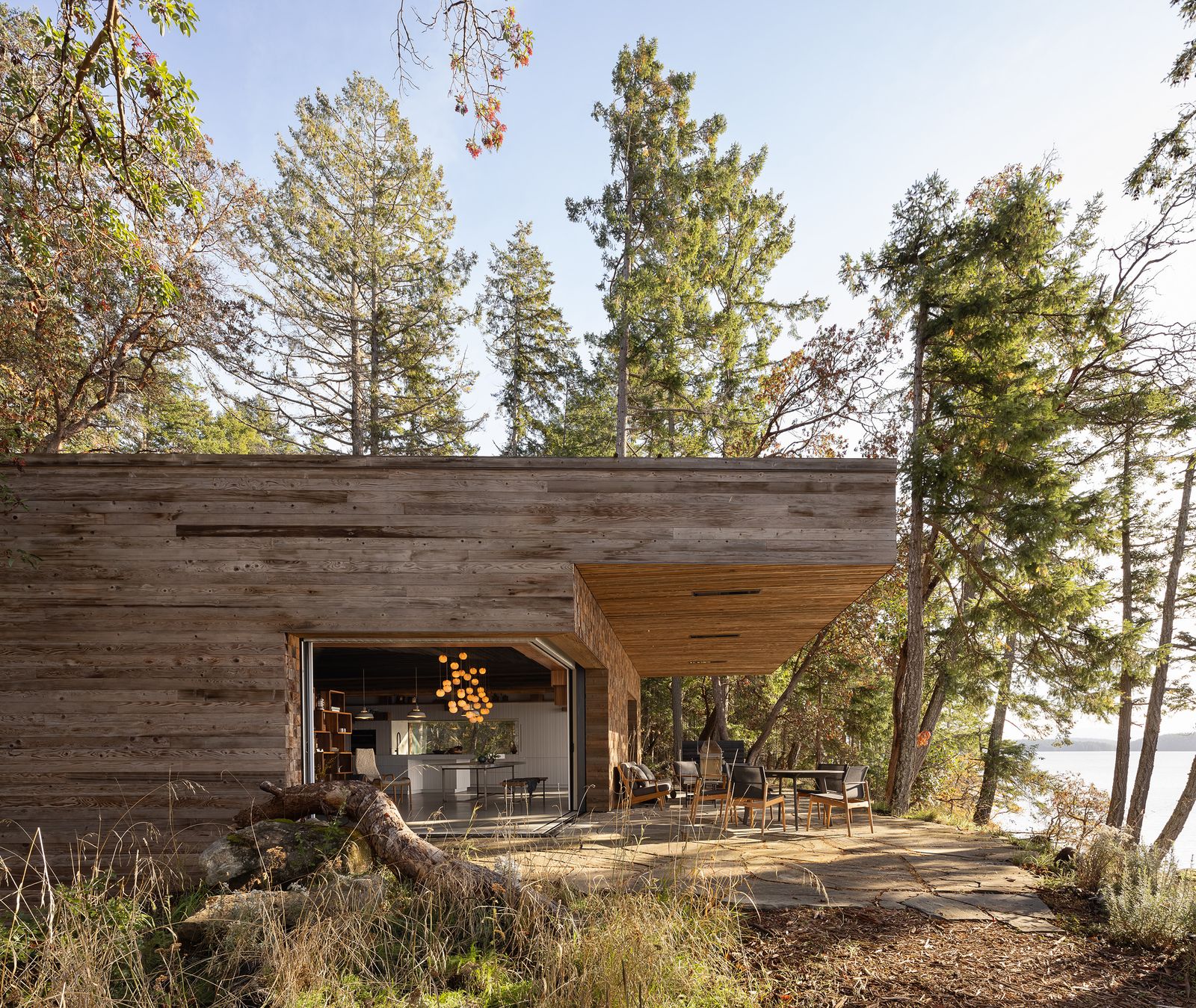
The Gulf Islands, a collection of over 200 islands and islets located between Vancouver Island and the mainland coast of British Columbia, are renowned for their unique Mediterranean-like climate, rich biodiversity, and stunning rugged beauty. These islands, part of the larger Salish Sea ecosystem, are characterized by ancient Douglas fir forests, rocky shorelines, and a vibrant marine life, making them a coveted location for those seeking solitude and a profound connection to nature. Building in such a sensitive environment demands an extraordinary level of respect for the land, a principle that evidently guided the conception of Project 91.0. Rather than imposing itself upon the landscape, the house appears to emerge from it, lightly touching the earth at its anchor points while soaring above a delicate ecological feature. This approach minimizes site disturbance, preserving the natural flow of water and wildlife within the fern gully, which often acts as a vital corridor for local flora and fauna. The strategic placement between existing geological formations showcases a sophisticated understanding of topography and a commitment to integrating human habitation harmoniously within a pristine natural setting.
The Visionary Behind the Design: Omer Arbel
The architect behind Project 91.0, Omer Arbel, is a Vancouver-based designer and artist celebrated for his boundary-pushing creations that blur the lines between architecture, sculpture, and industrial design. Arbel, known for his work with Bocci, an innovative design and manufacturing house, frequently explores the intrinsic properties of materials and the experiential quality of space. His projects are characterized by a profound curiosity about processes, forms, and the narrative potential of objects and structures. With Project 91.0, Arbel applies his signature approach to residential architecture, transforming a mere dwelling into an unfolding experience. His philosophy often involves letting the site and materials dictate the design, allowing for organic forms and unexpected spatial relationships. This project exemplifies his ability to craft environments that are both intellectually stimulating and deeply resonant with the human condition, inviting occupants to engage with their surroundings on a multi-sensory level. His previous works, often involving complex glass manipulations or innovative lighting installations, share a common thread of exploring volume, light, and texture, elements that are subtly yet powerfully present in the design of this island home.
An Experiential Journey Through Form and Function
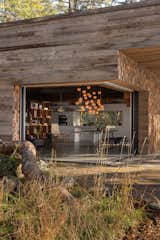
The design of Project 91.0 is not merely about providing shelter; it is about curating a sequence of experiences. The entry sequence is deliberately understated, beginning with a winding path through the dense forest, gradually revealing a discreet entrance integrated into the earth. This initial approach maintains the illusion of an untouched natural environment, slowly drawing the visitor into the architectural intervention. Once inside, the interior circulation unfolds dramatically. As one traverses the length of the house, the perspective shifts from grounded forest immersion to an exhilarating sense of suspension. The primary living spaces and the main bedroom wing are cantilevered, placing occupants high within the tree canopy, offering panoramic views of the verdant surroundings and the distant ocean. This elevated vantage point fosters a unique connection with the arboreal environment, allowing for an intimate observation of wildlife and the changing seasons. The journey culminates with an exit onto solid ground once more, but this time directly onto the west-facing beach, where the powerful presence of the Pacific Ocean provides a contrasting, expansive encounter with nature. This choreographed movement through space and changing perspectives is a hallmark of Arbel’s design, ensuring that the architecture itself becomes an active participant in the inhabitant’s engagement with the site.
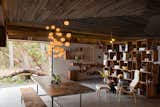
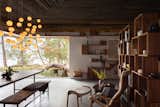
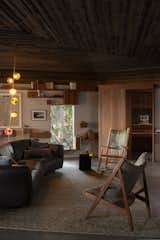
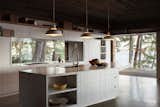
The internal organization of the house is equally thoughtful, designed with flexibility and adaptability in mind. The plan is arranged into two distinct bands of program, allowing the structure to expand or contract based on the number of occupants. The main wing is meticulously designed for the primary residents, a couple, encompassing the kitchen, living room, essential utility spaces, and a "suspended bedroom" – likely referring to its elevated position offering prime views. This core unit provides all the necessities for comfortable daily living. Adjacent to this, a second wing offers additional accommodations, including two bedrooms and a bunk room. This guest wing can be selectively opened or closed, offering privacy and energy efficiency when not in use. This programmatic adaptability speaks to a modern understanding of homeownership, where spaces need to cater to varying social dynamics, from intimate couple retreats to vibrant family gatherings. Such modularity not only enhances the functional utility of the home but also contributes to its long-term viability and sustainability.
Craftsmanship and Materiality: The Language of Cedar
The material palette chosen for Project 91.0 is deeply rooted in the context of the Pacific Northwest. The house is clad in heavy cedar blocks, a material indigenous to the region and celebrated for its durability, natural beauty, and aromatic qualities. Western Red Cedar, in particular, is highly resistant to rot, decay, and insect attacks, making it an ideal choice for the damp, coastal climate of the Gulf Islands. What sets the application of this material apart is the "aggressive sandblasted finish" it received. This specialized treatment goes beyond standard wood finishes, intentionally eroding the softer wood fibers to accentuate the grain, leaving a textured, almost sculptural surface. The architect’s description of this finish as giving the wood an "almost geological quality" is particularly insightful. It transforms the organic material into something reminiscent of ancient rock formations, further rooting the house metaphorically and aesthetically within the rugged landscape. This choice is not merely aesthetic; it imbues the structure with a timeless quality, allowing it to weather gracefully over decades, developing a rich patina that will further integrate it into its surroundings. The texture also plays with light and shadow, creating a dynamic facade that changes with the time of day and the seasons, enhancing the house’s connection to its immediate environment.
Anticipating Tomorrow: Design in the Face of Climate Change
Perhaps the most poignant and forward-thinking aspect of Project 91.0’s design lies in its explicit acknowledgment of climate change. The architect notes, "It is anticipated that over the next 100 years, rising sea levels due to climate change will flood the fern gully, giving the project an entirely different reading and character." This statement elevates the project beyond mere luxury housing, positioning it as a piece of resilient architecture that anticipates future environmental shifts.
Global climate models and reports from bodies like the Intergovernmental Panel on Climate Change (IPCC) consistently project significant sea-level rise throughout the 21st century and beyond. Coastal regions worldwide, including those in British Columbia, are preparing for impacts ranging from increased storm surges and coastal erosion to the inundation of low-lying areas. For the Strait of Georgia and the Gulf Islands specifically, studies by organizations like Natural Resources Canada and provincial environmental agencies indicate a likely rise in sea levels, exacerbated by land subsidence in some areas. While precise regional predictions vary, a rise of tens of centimeters to over a meter is considered plausible within the next century, profoundly altering coastal landscapes.
In this context, Project 91.0’s suspended design takes on an additional layer of meaning. By spanning the fern gully rather than occupying its floor, the house inherently possesses a degree of resilience against future flooding. The current "sunken fern gully" is envisioned to transform into a new aquatic feature, perhaps a tranquil tidal pool or a narrow channel of seawater, flowing directly beneath the elevated structure. This foresight suggests a design that is not static but rather dynamic, intended to evolve gracefully with environmental changes. The "entirely different reading and character" implies a future where the house might appear to float above water, reflecting the sky and the surrounding forest in its new aquatic foundation. This adaptive vision is a powerful departure from traditional, fixed architectural paradigms, offering a model for how human habitats can thoughtfully coexist with an ever-changing natural world. It invites a philosophical consideration of impermanence and the long-term relationship between built environments and the planet.
Implications for Future Architecture and Coastal Living
Project 91.0 serves as a significant case study for the evolving field of architecture, particularly in sensitive coastal zones globally. Its design embodies several critical trends and implications:
-
Resilient Design: The explicit integration of climate change projections into the initial design concept positions 91.0 as a leading example of resilient architecture. It challenges designers to think beyond immediate conditions and consider the multi-generational lifespan of a structure in a changing climate. This proactive stance is crucial for coastal developments worldwide, where traditional construction methods may soon prove unsustainable.
-
Experiential Architecture: Beyond its functional aspects, the house prioritizes the human experience, crafting a narrative journey through its spaces. This focus on sensory engagement and emotional connection with the environment is a growing demand in contemporary architecture, moving beyond purely utilitarian design.
-
Site-Specific Sensitivity: The meticulous integration with the Gulf Island topography—spanning ridges and preserving the gully—underscores the importance of context-driven design. It demonstrates how architecture can enhance, rather than detract from, the inherent qualities of a site.
-
Material Innovation and Authenticity: The use of locally sourced cedar with a unique sandblasted finish highlights a commitment to authenticity and a deep understanding of materials. It showcases how natural materials, when treated thoughtfully, can contribute to both aesthetic richness and structural longevity.
-
Biophilic Design Principles: By bringing inhabitants into intimate contact with the forest canopy and the ocean, the project naturally incorporates biophilic principles, promoting well-being through connection to nature.
Project 91.0, published in 2026, represents a forward-looking architectural statement. It is more than just a house; it is a carefully conceived habitat that respects its present environment, enriches the human experience, and thoughtfully anticipates its future transformation. As communities worldwide grapple with the impacts of climate change, projects like 91.0 offer invaluable insights into how design can embrace adaptation, foster resilience, and continue to create spaces of profound beauty and meaning. The legacy of this house will not only be in its immediate aesthetic appeal but in its enduring message about responsible and visionary architectural practice for the next century and beyond.