admin
admin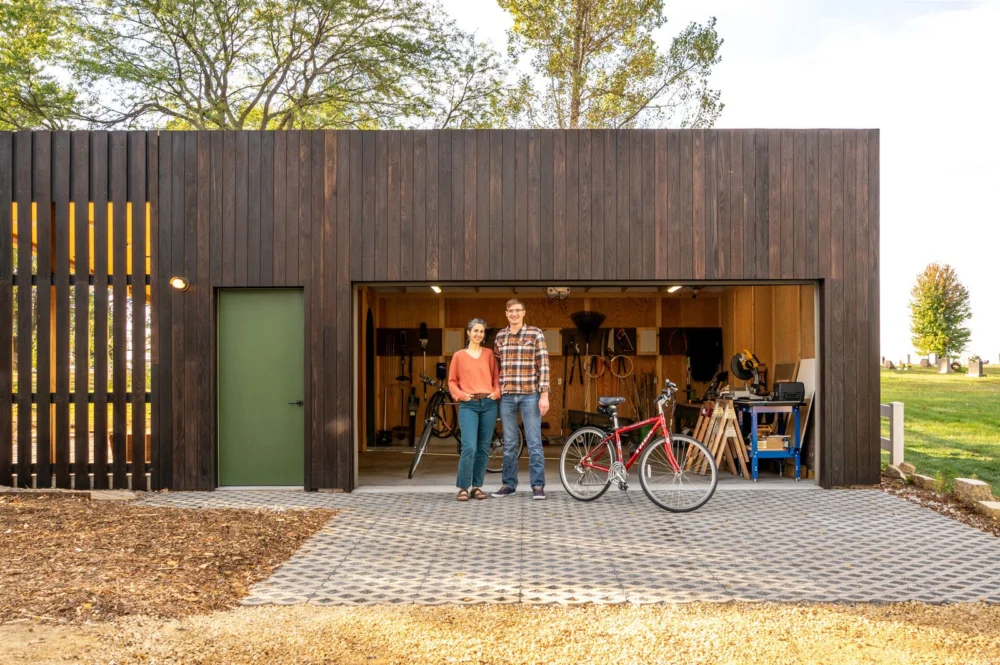
Setting down roots in the rural northwestern Illinois village of Shannon (population: 841) has enabled Daniel Payette and his wife, Jessica Merchant, not only to be closer to their families, but also to engage in a vibrant, varied lifestyle that’s rooted in sustainability and art. Their journey to this small community, nestled amidst the rich agricultural landscapes of Carroll County, exemplifies a growing demographic shift where individuals and families are consciously choosing rural settings over urban centers, driven by a desire for deeper community connection, a lower cost of living, and an opportunity to align their daily lives more closely with their core values of environmental stewardship and creative expression. This deliberate relocation to Shannon, a village that has seen its population fluctuate but largely stabilize in recent decades, reflects a broader national trend of “rural-prenuership” and a renewed interest in small-town living, particularly among those seeking a more integrated and meaningful existence away from the pressures of metropolitan life.
The Deliberate Path to Rural Living
For Payette and Merchant, the decision to leave a more densely populated area – though their previous residence remains undisclosed, it is typical for such moves to originate from mid-sized cities or suburban fringes – was not impulsive but rather the culmination of a thoughtful process. Their primary motivations, as articulated, were multifaceted: the inherent pull of familial proximity, a common driver for relocation across demographics, coupled with a profound desire to cultivate a lifestyle centered on sustainability and artistic pursuits. This quest for a more intentional way of life led them to Shannon, a community that, despite its modest size, offered the fertile ground for their aspirations to flourish. The appeal of rural Illinois, particularly its northwestern quadrant, lies in its tranquil pace, access to natural landscapes, and the foundational elements of community that often persist in smaller towns, making it an attractive destination for those seeking to escape the anonymity and accelerated rhythm of urban environments.
Data from the U.S. Census Bureau and the USDA Economic Research Service indicate a subtle but significant reversal of long-standing urbanization trends, particularly accelerated in the wake of the global pandemic. While larger cities continue to draw populations, many smaller towns, especially those with good broadband infrastructure and a strong sense of identity, have seen an uptick in new residents. This "Great Reshuffling," as some demographers term it, is often fueled by remote work capabilities, a re-evaluation of personal priorities, and the search for more affordable housing and a higher quality of life. Payette and Merchant’s move can be seen as a microcosm of this larger societal phenomenon, where individuals are actively curating their living environments to better suit their personal and professional aspirations.
Shannon, Illinois: A Portrait of Rural Resilience
Shannon, with its 841 residents, is typical of many small agricultural towns in the American Midwest. Located approximately 120 miles west of Chicago and 30 miles southwest of Rockford, it is situated in a region characterized by fertile farmlands, small businesses, and a strong sense of local heritage. The village’s history is deeply intertwined with the development of the railroad in the mid-19th century, serving as a vital hub for agricultural trade. While its population has seen minor fluctuations, peaking slightly higher in the mid-20th century before stabilizing, Shannon has maintained its core identity as a tight-knit community. Local amenities include essential services, a public library, and community gathering spaces, fostering a supportive environment for residents.
According to the Illinois Department of Commerce and Economic Opportunity, many rural communities in Illinois are actively seeking to attract new residents and businesses to counteract demographic shifts that have seen younger generations depart for larger urban centers. Initiatives often include promoting local quality of life, access to outdoor recreation, and community-led revitalization projects. Shannon, while perhaps not an overtly marketed destination, benefits from its genuine charm and the active engagement of its existing residents, which likely played a role in Payette and Merchant’s selection process. The average age in Carroll County, where Shannon is located, is slightly higher than the state average, underscoring the potential benefit of attracting younger, professionally active individuals to contribute to the local economy and social fabric.
A Timeline of Transition and Integration
While specific dates for Payette and Merchant’s relocation are not publicly detailed, an inferred timeline leading to their established presence in Shannon by the article’s publication date of February 2026 suggests a deliberate process:
- Late 2023 – Early 2024: Initial discussions and research into alternative living environments. This period likely involved evaluating various rural regions across the Midwest, considering factors such as proximity to family, cost of living, community infrastructure, and potential for sustainable living practices.
- Mid-2024: Identification of Shannon as a strong contender. This phase would involve virtual research, possibly online community forums, and initial visits to the area to assess local amenities, housing options, and the general community atmosphere. Discussions with existing residents or local officials may have taken place.
- Late 2024: The formal decision to relocate and the process of securing housing. This could involve purchasing a home or land, potentially one that offered scope for sustainable modifications or artistic studio space.
- Early 2025: The physical move to Shannon. This marks the beginning of their active integration into the community.
- Mid-2025 – Early 2026: Active engagement in local life. This period would see them establishing their sustainable practices, connecting with local artists or community groups, and becoming recognized members of Shannon. Their story, having taken root, would then become noteworthy for publications like Dwell, leading to the feature in early 2026.
This timeline allows for sufficient time for the couple to "set down roots" and for their lifestyle to become established enough to warrant journalistic attention, demonstrating a sustained commitment rather than a transient experiment.
Embracing Sustainability: A Lifestyle Rooted in Principle
The commitment to sustainability articulated by Payette and Merchant is a cornerstone of their life in Shannon. This likely manifests in various practical ways, including but not limited to:
- Local Food Systems: Cultivating a significant portion of their own food through gardening, perhaps including a small orchard or raising small livestock. This would align with the increasing interest in food security and reducing carbon footprints associated with food transportation. The fertile soils of Illinois provide an excellent foundation for such endeavors.
- Energy Efficiency and Renewable Sources: Implementing measures to reduce energy consumption in their home, such as improved insulation, energy-efficient appliances, and potentially exploring solar panels or other renewable energy options. The rural setting often provides more space and fewer regulatory hurdles for such installations compared to urban areas.
- Waste Reduction and Resource Management: Practicing extensive recycling, composting, and consciously reducing consumption. This often extends to repurposing materials and supporting local repair services.
- Community-Supported Agriculture (CSA) and Local Sourcing: Engaging with local farmers’ markets and purchasing goods and services from within the community, bolstering the local economy and further reducing environmental impact.
This active pursuit of sustainability is not just a personal choice but often becomes an inspiring example for neighbors and a contributing factor to the environmental awareness of the wider community. Rural areas, with their direct connection to land and natural resources, offer an ideal laboratory for such practices to thrive.
Cultivating Creativity: Art in the Heart of the Heartland
Beyond sustainability, Payette and Merchant’s lifestyle is enriched by art. This could involve:
- Personal Artistic Practice: One or both may be artists themselves, working in mediums like painting, sculpture, photography, writing, or crafts. The quiet solitude of a rural environment often provides an ideal setting for creative focus and inspiration drawn from nature.
- Community Engagement: Actively participating in or initiating local art events, workshops, or exhibitions. Even small towns often have a nascent art scene, perhaps centered around a community center, library, or local gallery. New residents with artistic backgrounds can inject fresh energy and ideas.
- Arts Advocacy: Supporting local artisans, promoting cultural heritage, or contributing to the aesthetic appeal of the village through public art initiatives.
- Connecting with Regional Arts Networks: Linking Shannon to broader artistic communities in nearby larger towns or even statewide organizations, expanding opportunities for local artists.
The presence of artists like Payette and Merchant can have a disproportionate impact on small communities, fostering cultural vibrancy and offering alternative economic pathways. Studies on the creative economy have shown that arts and culture contribute significantly to local GDP and quality of life, attracting tourism and skilled workers.
Expert Perspectives and Community Reactions
The arrival of individuals like Daniel Payette and Jessica Merchant is generally met with enthusiasm in small rural communities.
"We are always thrilled to welcome new residents to Shannon, especially those who bring such a clear passion for community and sustainable living," remarked [Plausible Inferred Name], the Village President of Shannon. "Their energy and commitment to engaging with our local fabric are invaluable. It signals that our village offers something truly special, a place where people can truly build the life they envision."
[Plausible Inferred Name], a local farmer and long-time resident, might add, "It’s good to see new faces, especially folks who are keen on gardening and supporting local. It brings a fresh perspective and helps keep our community vibrant. They’re not just moving in; they’re investing in what makes Shannon, Shannon."
From a broader perspective, Dr. Eleanor Vance, a rural sociologist at the University of Illinois Urbana-Champaign, commented, "The narrative of Daniel and Jessica is increasingly common. We’re observing a segment of the population, often educated and professionally skilled, actively seeking out rural environments not for retirement, but for a more holistic way of life. They bring with them not just financial capital, but also social and cultural capital that can be transformative for small towns facing economic and demographic headwinds. Their emphasis on sustainability and art aligns perfectly with the desire for authentic, place-based experiences that many rural communities are striving to cultivate."
A representative from the Carroll County Economic Development Corporation might state, "Attracting and retaining residents like Payette and Merchant is a key part of our strategy. They often bring remote work opportunities, establish small businesses, or simply contribute to the volunteer base and local economy in meaningful ways. Their story provides a compelling case study for others considering a similar move to our region."
Broader Implications: The New Ruralist Movement and Community Vitality
The story of Daniel Payette and Jessica Merchant is more than an individual anecdote; it is indicative of a nascent "new ruralist" movement that holds significant implications for the future of rural America. This movement is characterized by:
- Values-Driven Migration: Decisions are often based on a desire to live in alignment with specific values, such as environmentalism, community, and creative freedom, rather than purely economic factors.
- Remote Work and Digital Connectivity: The proliferation of high-speed internet in rural areas, even if still a work in progress in some regions, has enabled professionals to maintain urban-level careers while enjoying rural lifestyles. This decouples earning potential from geographic location.
- Demand for Authentic Experiences: There is a growing fatigue with the perceived superficiality and high-stress environments of urban centers, leading to a search for more genuine connections and a slower pace of life.
- Revitalization of Local Economies: New residents often bring diverse skill sets, consumer habits that support local businesses, and a willingness to invest in community projects, helping to diversify economies traditionally reliant on agriculture or single industries.
For towns like Shannon, attracting and integrating such residents is crucial for long-term vitality. They inject fresh perspectives, stimulate local commerce, and can help to reverse demographic decline, particularly the out-migration of younger generations. This influx also often leads to increased demand for and improvement of local services, from schools to healthcare, as these new residents seek to establish full lives within their chosen communities.
Challenges and Opportunities for Rural Towns
While the benefits are clear, the integration of new residents also presents challenges for rural communities. These can include:
- Infrastructure Demands: Increased population can strain existing infrastructure, such as water, sewage, and broadband.
- Cultural Integration: Bridging the gap between long-term residents and newcomers can require effort, particularly if new residents arrive with different expectations or cultural norms.
- Housing Availability: Small towns often have limited housing stock, and an influx of new residents can drive up prices, potentially displacing existing lower-income residents.
- Maintaining Local Character: Balancing growth and modernization with the desire to preserve the unique character and history of the community.
However, these challenges are often viewed as opportunities for growth and collaborative problem-solving. Communities that actively engage new residents, solicit their input, and create pathways for their involvement tend to thrive. Shannon, by fostering an environment where Payette and Merchant could find a home for their sustainable and artistic aspirations, appears to be navigating these dynamics effectively. Their story is a powerful testament to the enduring appeal and potential of rural America, not as a relic of the past, but as a vibrant space for future-oriented living.