admin
admin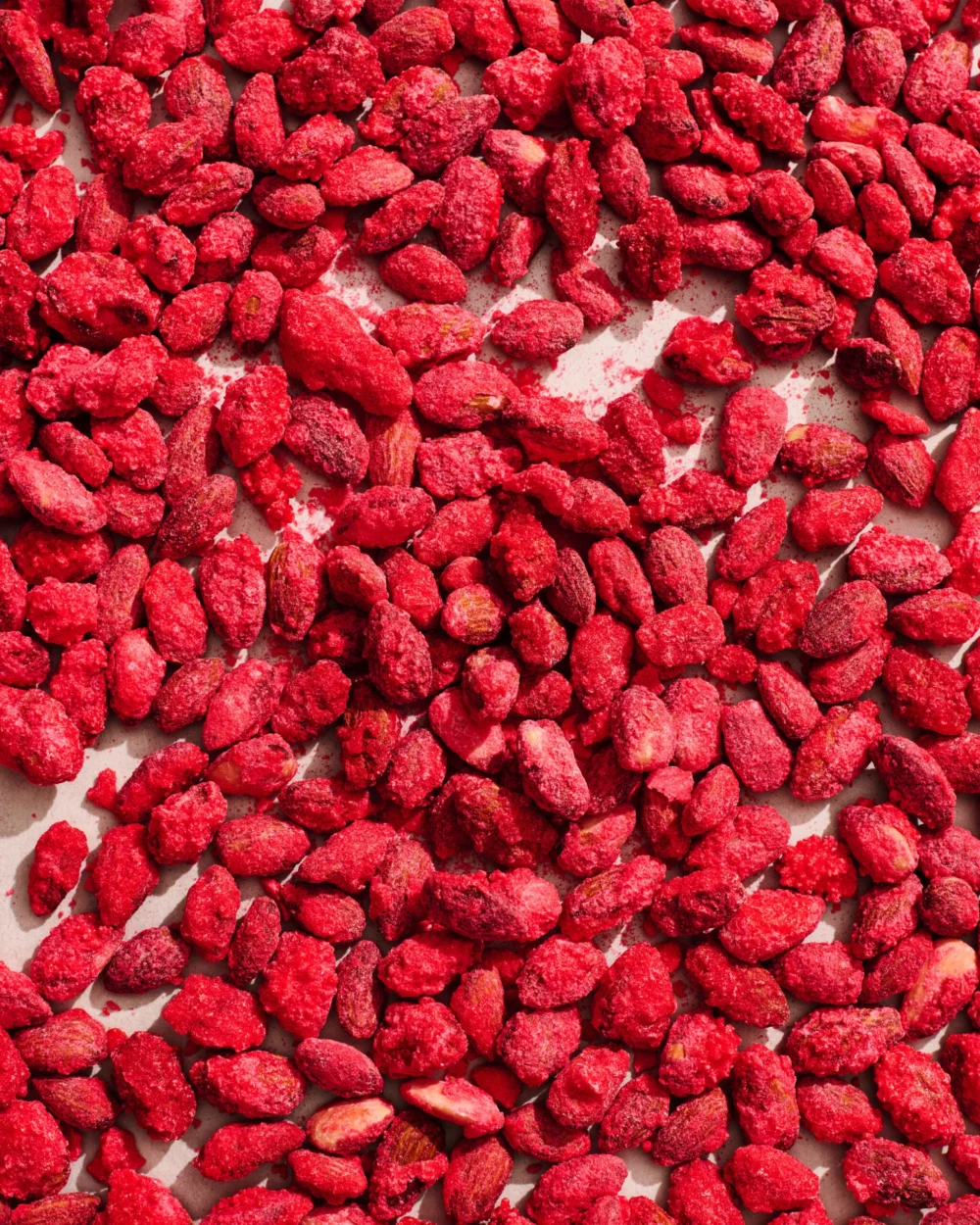
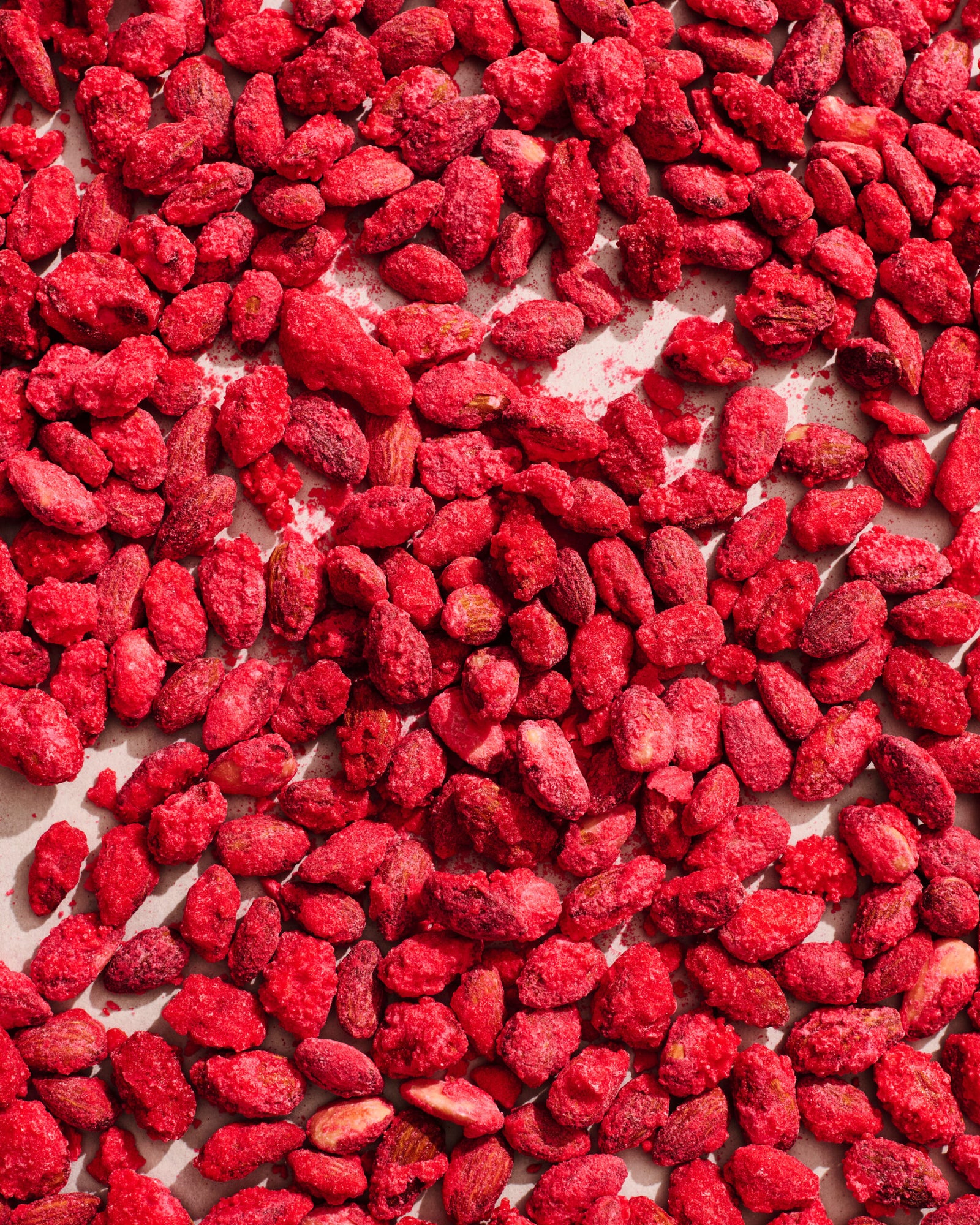
The iconic pink confection of Lyon, France, known as Pralines Roses, is more than just a sweet treat; it’s a culinary cornerstone deeply woven into the city’s identity. These jewel-like candies, characterized by their crackly sugar shell and vibrant hue ranging from delicate rose to deep crimson, are a ubiquitous sight across Lyon. They adorn the windows of épiceries, are artfully incorporated into baked goods, and generously sprinkled atop a variety of desserts. Each artisan in Lyon imbues their pralines roses with a unique touch, yet the result is consistently captivating, evoking the preciousness of gemstones.
For Chef Daniel Boulud, a proud native of Lyon, Pralines Roses hold a special place in his memory, representing a cherished weekly ritual from his childhood. "Every Sunday, my family would go to the bakery to buy brioche aux pralines, which we would enjoy for breakfast or dessert," Boulud recalls. This nostalgic connection highlights the deep-rooted cultural significance of the confection, extending far beyond its presence in the beloved brioche. The versatility of the Praline Rose is a testament to its enduring appeal, lending its sweet, colorful, and sparkling charm to a wide array of desserts, including creamy ice cream, ethereal île flottante, and elegant tarts.
The Genesis of a Lyonnaise Icon
The origins of the Praline Rose are steeped in the rich culinary history of Lyon, a city often referred to as the gastronomic capital of France. While precise historical documentation can be elusive for many traditional foods, the Praline Rose is widely believed to have emerged in the 17th century. The story often told connects its creation to the kitchens of Marshal du Plessis-Praslin, a prominent figure in the court of Louis XIV. The legend suggests that his chef, seeking to impress with a new confection, developed a method of coating almonds with caramelized sugar. This innovation, initially perhaps a simple sweet, evolved over time.
The distinctive pink hue, a defining characteristic of the Lyonnaise Praline Rose, is thought to have been achieved through the addition of carmine, a natural red dye derived from cochineal insects. This practice, while now often supplemented or replaced with artificial food coloring for consistency and vibrancy, has been a hallmark of the confection for centuries. The transformation of a humble almond into this visually striking and intensely flavored treat reflects a culinary artistry that emphasizes both taste and presentation.
A Culinary Canvas: The Versatility of Pralines Roses
The appeal of Pralines Roses lies not only in their individual consumption as a delightful confection but also in their remarkable ability to elevate other dishes. Their intense sweetness, coupled with the delicate floral notes often infused through orange blossom water and vanilla, makes them a sophisticated addition to both sweet and savory applications, though their primary role remains in the realm of desserts.
Beyond the ubiquitous brioche, Pralines Roses have found their way into a spectrum of Lyonnaise and international cuisine:
- Ice Cream and Sorbet: The vibrant color and crunchy texture of Pralines Roses provide a striking visual and textural contrast in creamy ice creams and refreshing sorbets. They can be folded directly into the base or used as a decorative topping, offering bursts of sweetness with every spoonful.
- Tarts and Pastries: Lyonnaise tarts, often featuring a rich custard or frangipane filling, are frequently crowned with a generous scattering of Pralines Roses. Their caramelized sugar shell offers a satisfying crunch against the yielding interior of the tart. In other pastries, they can be incorporated into doughs, fillings, or used as a decorative element on cookies and cakes.
- Île Flottante (Floating Island): This classic French dessert, consisting of meringue floating on crème anglaise, is often adorned with Pralines Roses. The delicate meringue and creamy custard are beautifully complemented by the sweet crunch and vibrant color of the pink candies.
- Savory Applications (Emerging Trends): While less traditional, contemporary chefs are exploring the use of Pralines Roses in more innovative savory dishes. Their sweetness can offer a counterpoint to rich or gamey meats, and their texture can add an interesting dimension to salads or vegetable dishes.
The adaptability of Pralines Roses underscores a broader trend in gastronomy: the appreciation for ingredients that offer both exceptional flavor and striking visual appeal. Their ability to transform the ordinary into the extraordinary has cemented their status as a beloved ingredient in the pastry chef’s arsenal.
Crafting the Jewel: The Boulud Recipe
Chef Daniel Boulud’s recipe for Pralines Roses offers a glimpse into the meticulous process of creating this iconic Lyonnaise treat. The method, while seemingly straightforward, requires precision and attention to detail to achieve the perfect balance of crispness, sweetness, and flavor.
Ingredients:
- Granulated Sugar
- Food Coloring (typically red or pink)
- Water
- Whole Almonds
- Orange Blossom Water
- Vanilla Extract
Method:
The creation of Pralines Roses begins with the careful preparation of a sugar syrup. In a large pot, granulated sugar is combined with a measured amount of water and a touch of food coloring. This mixture is heated over medium-high heat, with occasional stirring, until it reaches the critical temperature of 244°F (118°C) on a candy thermometer. This stage, known as the soft-ball stage, is crucial for achieving the desired texture.
Once the syrup reaches the correct temperature, the whole almonds are introduced. The heat is maintained, and the mixture is stirred continuously. This is where the magic happens: the sugar coating around the almonds begins to crystallize, forming the signature hard shell. During this phase, the delicate aromatics of orange blossom water and vanilla extract are incorporated, infusing the confection with its characteristic floral and warm notes. The stirring continues until the mixture has fully crystallized, transforming into the familiar, slightly irregular shapes of Pralines Roses.
The newly formed candies are then spread onto a parchment-lined baking sheet. This allows them to cool and harden completely, a process that typically takes about 20 minutes. The resulting Pralines Roses are a testament to the transformative power of simple ingredients and careful technique, a true culinary jewel born from the heart of Lyon.
A Cultural Ambassador: Pralines Roses in Modern Lyon
Today, Pralines Roses continue to be a significant cultural and economic driver for Lyon. They are not merely a tourist souvenir but a daily indulgence for locals and a point of pride for the city’s culinary heritage. Numerous patisseries and confiseries in Lyon specialize in their production, each guarding their proprietary recipes and techniques. This artisanal competition fosters a high standard of quality and innovation within the Praline Rose tradition.
The presence of Pralines Roses in Lyon’s food landscape extends beyond individual purchases. They are integral to local festivals and celebrations, often featuring prominently in themed desserts and decorations. Their vibrant color and sweet flavor evoke a sense of joy and festivity, making them an enduring symbol of Lyonnaise culture.
The global recognition of Lyon as a gastronomic hub further amplifies the reach of Pralines Roses. As chefs and food enthusiasts from around the world discover the delights of Lyonnaise cuisine, the Praline Rose gains wider appreciation. Its journey from a historical confection to a celebrated culinary ingredient showcases the timeless appeal of well-crafted, culturally significant foods. The enduring popularity of Pralines Roses is a testament to their ability to capture the essence of Lyon – a city that cherishes its past while embracing the future of gastronomy.