admin
admin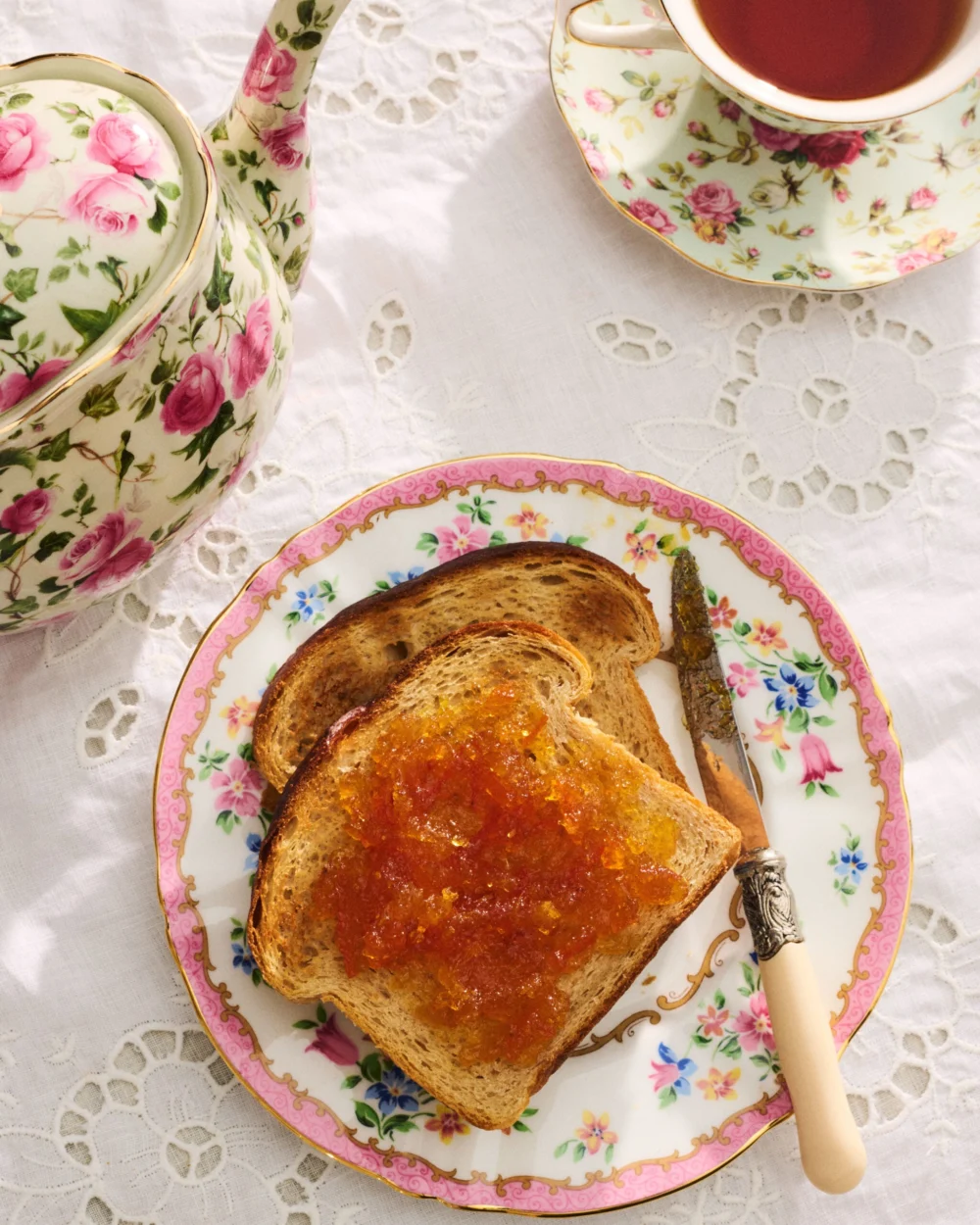
The meticulous process of crafting artisanal citrus marmalade, a culinary tradition that transforms bitter fruit into a sweet, jewel-toned spread, involves a series of precise steps designed to extract maximum flavor and achieve the perfect set. This detailed guide, outlining the transformation from fresh citrus to preserved delight, offers a window into the world of small-batch food production and the dedication required to master this time-honored technique. While the provided instructions focus on the practical execution, understanding the underlying principles and historical context elevates this craft beyond mere recipe following.
The Genesis of Preserving: A Historical Perspective
The origins of marmalade can be traced back to ancient times, with early forms of fruit preservation using honey. However, the recognizable citrus marmalade as we know it today emerged in Europe, particularly in Portugal and Spain, where citrus fruits were more readily available. The name itself is believed to derive from the Portuguese word "marmelada," meaning quince paste, which was an earlier form of fruit preserve. As sugar became more accessible and trade routes expanded, citrus fruits, especially oranges, became a staple for preservation. This practice was not merely about enhancing flavor; it was a vital method of extending the shelf life of perishable fruits, particularly crucial before the advent of modern refrigeration. During periods of scarcity or long voyages, preserved fruits like marmalade provided a vital source of vitamins and a welcome burst of sweetness. The meticulous steps involved in its creation speak to a time when patience and skill were paramount in the kitchen, a stark contrast to the convenience-driven food landscape of today.
Deconstructing the Process: A Step-by-Step Culinary Journey
The journey from a whole citrus fruit to a jar of glistening marmalade is a carefully orchestrated sequence, each step contributing to the final texture, flavor, and shelf stability.
Step 1: Preparing the Citrus Foundation
The initial phase focuses on preparing the citrus fruit itself. A large, nonreactive pot is brought to a rolling boil, serving as the first stage of treatment. Citrus fruits, often coated in a protective layer of wax for preservation during transit and sale, undergo a brief but crucial immersion. Lowering the fruits into the boiling water for a mere 10 to 15 seconds serves to slightly soften the peel and, more importantly, to loosen this wax coating. This blanching process is a delicate balance; too long and the fruit’s delicate flavor compounds could be compromised, too short and the wax will remain stubbornly attached.
Following the blanching, the fruits are transferred to a cutting board. Once they have cooled sufficiently to handle, a critical cleaning step takes place. Under warm running water, a kitchen towel is employed to meticulously scrub off the wax. This ensures a clean surface for the subsequent stages and prevents any unwanted waxy residues from affecting the final product’s taste and texture. The choice of a nonreactive pot, typically stainless steel or enamel, is paramount. It prevents any metallic interaction that could impart an off-flavor to the delicate citrus essences.
Step 2: Extracting the Essence and Securing the Seeds
With the citrus fruits cleaned and ready, the next step focuses on extracting their liquid gold and preparing the pips. The boiling water is discarded, and a fine-mesh strainer is placed over the pot. This strainer acts as a crucial barrier, ensuring that only the precious juice and any fine pulp are collected, while the seeds and larger fibrous materials are separated.
Each fruit is then halved along its equator. The halves are squeezed directly over the strainer, yielding a torrent of fragrant juice. The spent halves, now devoid of their juicy interior but still containing valuable peel and pith, are reserved for later use. A seemingly minor detail, the wrapping of the seeds in cheesecloth and tying them with twine, holds significant importance. Citrus seeds contain pectin, a natural gelling agent. By steeping them in the collected juice during the simmering process, their pectin is released, contributing to the marmalade’s characteristic set and texture without the need for artificial thickeners. This traditional method underscores a deep understanding of natural food science.
Step 3: Infusing the Peel and Initiating the Soak
The reserved spent citrus halves, now stripped of their pulp, are the next stars of the show. They are thinly sliced, ensuring that the peel, pith, and any remaining membrane are incorporated into the mixture. These slices are then added to the pot, joining the collected juice and the cheesecloth-wrapped seeds.
Twelve cups of cool water are added to the pot, and the mixture is left to macerate at room temperature for an extended period of 6 to 12 hours. This lengthy soak serves multiple purposes. It allows the citrus peel to soften further, drawing out its essential oils and flavors. It also begins the process of hydration for the pith, which, when properly prepared, contributes a desirable slight bitterness and a pleasing texture to the final marmalade. This overnight soak is a testament to the patience inherent in artisanal food preparation, allowing the ingredients to meld and develop before the heat is applied.
Step 4: The Gentle Simmer and Peel Softening
As the soaking period concludes, the culinary transformation enters its more active phase. A saucer is placed in the freezer, a seemingly small detail that will prove vital later in testing the marmalade’s readiness. The pot, containing the infused citrus mixture, is brought to a vigorous boil. This initial boil helps to further break down the peel and initiate the release of pectin.
The heat is then reduced to a low simmer. This gentle cooking process continues for approximately 2 hours, or until the citrus peels achieve a state of tenderness and become nearly translucent. This extended simmering is crucial for softening the pith and peel, ensuring that they are not unpleasantly tough or bitter in the final product. The near-translucence is a visual cue that the structural integrity of the peel has been sufficiently compromised, allowing it to integrate seamlessly into the marmalade’s set.
Step 5: Sweetening, Thickening, and the Crucial Set Test
The addition of sugar marks a pivotal moment in the marmalade-making process. Once the peels are sufficiently softened, the sugar is introduced. It is stirred gently until it is completely dissolved, a process that typically takes between 5 and 10 minutes. Dissolving the sugar before increasing the heat prevents it from scorching and ensures an even distribution of sweetness.
The heat is then turned to medium-high, and the mixture is brought to a boil. This stage is where the magic of setting truly begins. The marmalade is boiled, with frequent stirring, for a duration that can range from 45 minutes to 2 hours. The goal is to evaporate excess water and concentrate the sugars and pectin, leading to the desired thick, gel-like consistency.
The critical test for doneness is the "wrinkle test." A small amount of the hot liquid is ladled onto the chilled saucer that was placed in the freezer earlier. After a 2-minute cooling period, the edge of the liquid is gently pushed with a fingertip. If the surface wrinkles, it indicates that the marmalade has reached its setting point. If not, the saucer is returned to the freezer for another 10 minutes, and the test is repeated. This iterative testing ensures that the marmalade reaches the perfect set without becoming overly cooked and losing its vibrant flavor. Once the set is confirmed, the pot is removed from the heat, and the mixture is stirred well to ensure uniformity.
Step 6: Jarring and Sealing: Preserving the Sunshine
The final act of this culinary production is the careful jarring and sealing of the finished marmalade. Using a funnel or ladle, the hot marmalade is transferred into nine sterilized, dried 8-ounce jars. It is important to leave approximately ¼ inch of headspace from the rim of each jar. This headspace is crucial for creating a proper vacuum seal.
The rims of the jars are meticulously wiped clean with a damp kitchen towel, ensuring no residue interferes with the sealing process. Lids are then applied, and the ring bands are tightly screwed on. To initiate the vacuum sealing process, the jars are inverted for 2 minutes. This brief inversion allows the hot marmalade to come into contact with the lid, sterilizing it and creating the vacuum seal as it cools. After the inversion, the jars are flipped right side up and left undisturbed for 24 hours. If the canning process has been successful, a distinct "pop" may be heard as the lids are drawn down, indicating a vacuum seal has formed. Properly sealed jars of marmalade can be stored in a cool, dark place for up to one year, preserving the taste of sunshine for months to come.
Supporting Data and Industry Context
The production of artisanal marmalade, while often a home-based or small-scale operation, taps into a growing consumer demand for high-quality, natural, and traditionally made food products. The global jam and jelly market, which includes marmalade, is projected to continue its steady growth, driven by factors such as increasing disposable incomes, a preference for breakfast foods, and the rising popularity of artisanal and gourmet food items. Data from market research firms indicates that consumers are willing to pay a premium for products that highlight natural ingredients, traditional methods, and unique flavor profiles.
The emphasis on citrus in marmalade production is also significant. Citrus fruits are rich in Vitamin C and antioxidants, contributing to the perceived health benefits of homemade preserves. Furthermore, the variability in citrus varieties—from the intensely bitter Seville oranges often favored for their high pectin content and robust flavor, to sweeter varieties like Valencia or blood oranges—allows for a wide spectrum of marmalade creations. Each variation offers a distinct flavor profile, catering to diverse palates.
Broader Impact and Implications
The meticulous process of creating artisanal marmalade has implications that extend beyond the kitchen. It represents a tangible connection to culinary heritage, a preservation of skills that might otherwise be lost in an era of mass production. For producers, it offers a pathway to entrepreneurship, allowing them to leverage their passion for food into a viable business. The emphasis on sourcing high-quality ingredients, often from local farms, also supports agricultural communities and promotes sustainable practices.
Furthermore, the growing interest in artisanal preserves like marmalade reflects a broader cultural shift towards appreciating the provenance of food and the stories behind its creation. Consumers are increasingly seeking transparency in their food supply chain, and the detailed, step-by-step nature of marmalade production offers precisely that. The ability to control ingredients, avoid artificial additives, and craft a product with care resonates deeply with those looking for authentic and wholesome food options. The successful preservation of marmalade for up to a year also speaks to the ingenuity of past generations in ensuring food security and enjoyment. This culinary art form, therefore, serves as a delicious reminder of tradition, quality, and the enduring appeal of handcrafted food.